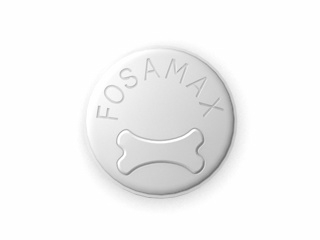

Fosamax (Alendronate) – Patient-Friendly Guide (UK)
Fosamax contains alendronate, a medicine used to treat and prevent bone thinning conditions such as osteoporosis. It belongs to a group of medicines called bisphosphonates, which help slow down the breakdown of bone and support bone strength.
This guide explains how Fosamax works, how to take it, what to watch for, and how it fits into treatment in the United Kingdom. It is written to be clear and practical. If anything in this leaflet-style information concerns you, speak to a healthcare professional.
1. Basic product information
| Feature | What to know |
|---|---|
| Active ingredient | Alendronate (as sodium alendronate) |
| Medicine type | Bisphosphonate |
| Common directions | Once weekly or once daily (strength and schedule depend on the product) |
| Primary use | Osteoporosis treatment and prevention; specific dosing for certain bone conditions |
| Key administration requirement | Taken with plain water, with an upright posture and before food |
2. How Fosamax works (mechanism of action)
Bone is constantly being renewed. In osteoporosis, bone breakdown can outweigh bone building, leading to weaker bones and a higher risk of fractures. Fosamax works by targeting the cells that remove old bone (called osteoclasts).
As a bisphosphonate, alendronate:
- Reduces bone resorption (slows the breakdown of bone)
- Helps preserve bone mass, which can improve bone strength over time
- May help lower the risk of fractures, including hip fractures
3. Pharmacokinetics: what the body does with alendronate
Understanding timing helps you get the best results and avoid stomach and swallowing side effects. Alendronate is absorbed poorly from the gut, and absorption is strongly affected by food and some drinks.
- Absorption: Low and variable. Taking it on an empty stomach improves absorption.
- Distribution: Once absorbed (in small amounts), alendronate binds to bone and remains there for a long time.
- Metabolism: Not significantly metabolised by the liver.
- Elimination: Mostly excreted unchanged by the kidneys.
Because it is cleared through the kidneys, people with significantly reduced kidney function may need special consideration. Your healthcare professional can advise based on your health history and blood test results (such as kidney function markers).
4. Typical use in the UK
Fosamax is used as part of the management of osteoporosis and other specific bone-related conditions. It is commonly recommended for people who have:
- Postmenopausal osteoporosis
- Osteoporosis in men at increased fracture risk
- Glucocorticoid-induced osteoporosis (bone loss caused by long-term steroid treatment)
Treatment aims to strengthen bones and reduce the risk of fractures. Osteoporosis medicines generally take months to show meaningful improvements in bone strength and fracture risk.
5. Indications: when Fosamax may be used
Indications can vary slightly by product strength and local guidance. In the UK, alendronate-containing medicines such as Fosamax are commonly used for:
- Treatment of osteoporosis in postmenopausal women (and sometimes other groups depending on product specifics)
- Prevention of osteoporosis in selected postmenopausal women at risk (where appropriate)
- Treatment of osteoporosis in men with increased fracture risk
- Prevention and treatment of glucocorticoid-induced osteoporosis in people receiving systemic corticosteroids
- Other bone conditions may be considered by clinicians based on diagnosis and risk profile
If you are unsure why Fosamax was chosen for you, ask your pharmacist or clinician. The “why” matters for the right dose and the right duration.
6. Dosing: timing and how to take it correctly
Fosamax is usually taken either once daily or
Key administration rules (very important)
- Take it in the morning or at another time of day as instructed—on an empty stomach.
- Use plain water only (not tea, coffee, milk, mineral water, or juice).
- Stay upright (sitting or standing) for at least 30 minutes after taking the tablet.
- Do not lie down during this period.
- Wait before food: do not eat or drink (except plain water) for at least 30 minutes after your dose.
These steps help reduce irritation to the food pipe (oesophagus) and improve absorption.
Typical dosing schedules (general examples)
Your exact dose and strength depend on the condition being treated, your age, and whether you are using the daily or weekly formulation. Common regimens in practice include:
- Once weekly dosing: taken on the same day each week.
- Once daily dosing: taken at a consistent time each day.
Because packs differ, it is not appropriate to state one “universal” dose here. Refer to your label and the leaflet supplied with your medicine.
7. Food interactions: what to avoid and why
Food and some drinks reduce absorption of alendronate. For best effectiveness, follow the empty-stomach guidance strictly.
What can interfere with absorption
- Food (including breakfast)
- Milk and calcium-rich drinks
- Mineral water (may contain minerals that reduce absorption)
- Tea and coffee
- Fruit juices and other beverages
Practical approach
- Take Fosamax with a full glass of plain water.
- After at least 30 minutes, you can eat and drink normally.
- If you take supplements such as calcium or vitamin D, your healthcare professional may advise scheduling them later in the day.
8. Alcohol and medicine interactions
Many people can take Fosamax safely while drinking alcohol in moderation, but interactions and side-effect risks must be considered. The most important issues relate to stomach irritation, oesophagus irritation, and your overall health.
Alcohol
- Moderate alcohol is not known to directly neutralise Fosamax’s effect, but heavy drinking may worsen reflux or gastritis.
- If you notice heartburn, swallowing discomfort, or stomach pain, consider reducing alcohol and speak to a healthcare professional.
Other medicines that may interact
Interactions can include medicines that affect the stomach, the absorption of alendronate, or kidney function. Tell your pharmacist about all medicines and supplements you use, including over-the-counter products.
Common categories to discuss
- Other bone medicines (e.g., denosumab, teriparatide, other bisphosphonates): may be part of planned treatment sequences.
- Calcium, iron, magnesium, aluminium antacids and supplements: these can interfere with absorption. Usually they should be taken at a different time of day.
- Non-steroidal anti-inflammatory drugs (NSAIDs) (e.g., ibuprofen, naproxen): may increase risk of gastrointestinal irritation in some people.
- Corticosteroids (e.g., prednisolone): may be relevant if you are taking them for other conditions, especially regarding bone risk.
- Medicines that affect kidneys: since alendronate is excreted by the kidneys, kidney health matters.
Antacids and mineral supplements
If you need antacids or mineral supplements, your clinician or pharmacist will usually advise spacing them to avoid reducing Fosamax absorption. A common approach is to keep mineral-containing products away from the dose time—often later in the day—while staying within the overall regimen recommended for you.
9. Safety profile: who should take care and what to watch for
Like all medicines, Fosamax can cause side effects. Many people tolerate it well when taken correctly, especially with the upright and empty-stomach routine. However, there are important safety considerations.
Common side effects
- Indigestion or heartburn
- Nausea
- Stomach discomfort
- Reflux symptoms
- Headache (less commonly)
- Muscle or joint aches
Serious but rare side effects
Seek urgent medical advice if you develop symptoms that may indicate a serious reaction or oesophageal problem.
- Oesophageal irritation or ulceration (warning signs can include new or worsening difficulty swallowing, pain when swallowing, or chest pain)
- Jaw problems (such as pain, swelling, loose teeth, or poor healing), particularly in people with significant dental disease or who receive invasive dental procedures
- Severe bone, joint, or muscle pain (in rare cases, this can be persistent)
- Atypical femur fractures (unusual thigh or groin pain could be an early warning)
- Low calcium (symptoms may include tingling/numbness, muscle cramps, or spasms)
Risk factors that may require extra care
- History of oesophageal disease or trouble swallowing
- Inability to sit or stand upright for the required time
- Low calcium levels before starting treatment (which often needs correction)
- Significant kidney impairment (may affect suitability)
- Dental problems or planned invasive dental work
If you are at higher risk, your clinician may monitor you more closely or choose an alternative therapy.
10. Practical use tips (to help you succeed on treatment)
- Set a reminder if you take a weekly dose, so you don’t miss it.
- Choose a routine time: take it when you can reliably stay upright afterwards.
- Keep it “morning first”: take it before coffee, breakfast, or supplements.
- Use plain water only—no other drinks help absorption.
- Do not crush or chew tablets unless your pharmacist advises otherwise (crushing can affect how the dose interacts with the oesophagus).
- Manage reflux early: if heartburn is an issue, speak to a healthcare professional promptly.
- Maintain good oral hygiene and keep dental check-ups.
- Consider calcium and vitamin D: many people are advised to ensure adequate intake, but follow your healthcare professional’s plan.
11. What if you miss a dose?
Missed-dose guidance depends on whether you are prescribed once-daily or once-weekly dosing. Follow the instructions in the patient information leaflet supplied with your Fosamax pack. If you’re unsure, ask your pharmacist for the correct advice for your schedule.
12. Alternative options to Fosamax
There are several ways to treat osteoporosis, including other bisphosphonates and non-bisphosphonate medicines. Alternatives may be considered if Fosamax is not suitable, not tolerated, or if fracture risk remains high.
Common alternatives (examples)
- Other bisphosphonates (e.g., risedronate): also taken orally but with different schedules.
- Intravenous bisphosphonates (e.g., zoledronic acid): an option for people who cannot tolerate oral therapy or have adherence difficulties.
- Denosumab: given by injection at intervals; may suit people with certain risk profiles.
- Anabolic/other agents (e.g., teriparatide or similar): used in selected cases with specialist oversight.
The “best” option depends on your fracture risk, kidney function, previous fractures, ability to follow the dosing instructions, and personal preferences.
13. UK market and legal context (overview)
Fosamax (alendronate) is an established medicine in the UK for osteoporosis and related conditions. Access to osteoporosis medicines may be managed through NHS pathways and prescribing decisions based on clinical assessment. Supply availability can depend on the specific strength and formulation.
In the UK, medicine products are subject to regulatory standards covering quality, packaging, and distribution. Online pharmacies should provide reliable product information and compliant delivery practices.
14. Recent guidance: what to expect from osteoporosis care in the UK
Osteoporosis management in the UK typically includes:
- Assessing fracture risk (often using tools such as FRAX alongside clinical judgement)
- Checking for contributing factors (vitamin D status, calcium intake, lifestyle risks)
- Reviewing kidney function where relevant
- Considering ongoing treatment and monitoring response over time
- Reviewing the need for continued therapy after a period (“treatment review” or “drug holiday” in selected patients), based on risk
Guidance can vary by patient group and clinical setting. Your prescriber/pharmacist will advise the appropriate monitoring schedule for you.
15. Delivery and availability (online pharmacy)
Fosamax availability can vary by strength and whether packs are once-daily or once-weekly. When ordering online, ensure the product matches your prescribed regimen and strength.
- Check the pack details (strength and dosing schedule)
- Confirm expiry dates where shown
- Allow time for delivery to maintain consistency—especially if you take a weekly dose
- Store properly as instructed on the pack (typically in a cool, dry place away from moisture)
If you have questions about whether the exact pack you are ordering is the right one for your schedule, contact the pharmacy’s support team before use.
16. Frequently asked questions (FAQ)
Is Fosamax the same as alendronate?
Yes. Fosamax is a brand name for medicines containing alendronate. Different brands may contain the same active ingredient, though the exact dosing schedule and strength can vary by product.
How quickly will Fosamax work?
Bone strength improvement is gradual. Many patients remain on treatment for months or years to reduce fracture risk. The medicine’s preventive effect grows over time rather than immediately.
Can I take Fosamax with coffee or tea?
It’s best to avoid coffee and tea around your dose time. Alendronate absorption is reduced by food and certain drinks. Take it only with plain water, and wait at least 30 minutes before having anything else.
What should I do if I have trouble swallowing or chest pain?
Stop taking the tablets and seek urgent medical advice if you develop symptoms such as pain when swallowing, difficulty swallowing, or chest pain—these may indicate oesophageal irritation.
Do I need calcium and vitamin D?
Many treatment plans include ensuring adequate calcium and vitamin D to support bone health. Whether you need supplements and the right dose depends on your diet, blood tests, and risk factors—ask your healthcare professional.
Can I take Fosamax if I have reflux?
Some people find that bisphosphonates worsen reflux or indigestion. Taking the tablet correctly (upright, empty stomach, plain water) can reduce risk, but if symptoms persist or worsen, speak to a healthcare professional to discuss options.
Is it safe to drink alcohol while taking Fosamax?
Moderate alcohol is not typically a direct interaction, but heavy drinking may increase stomach irritation and reflux. If you notice symptom worsening, reduce alcohol and seek advice.
What dental precautions should I take?
Maintain excellent oral hygiene and keep up with dental care. If you have invasive dental procedures planned, discuss this with your dentist and healthcare professional. Report any persistent jaw pain or healing issues promptly.
Who should not take Fosamax?
Fosamax may not be suitable for some people, for example those with certain oesophageal disorders or significant kidney impairment. It is important to follow professional advice and read the leaflet included with your medicine.
What should I tell my pharmacist before starting?
Tell your pharmacist or clinician about:
- Any history of swallowing problems, oesophageal disease, or reflux
- Kidney problems or recent kidney function test results
- Any current medicines, including antacids, calcium/iron supplements, and pain relief products
- Planned dental work or major dental issues
- Whether you are pregnant or breastfeeding (relevant for applicable groups)
17. When to seek medical help urgently
Contact urgent care or seek immediate medical advice if you experience any of the following:
- Severe or persistent chest pain, pain when swallowing, or worsening difficulty swallowing
- Symptoms of low calcium (tingling around the mouth or in the fingers, muscle cramps/spasms)
- Severe allergic-type reactions (e.g., facial swelling, difficulty breathing)
- Unusual thigh or groin pain that persists
- Jaw pain or poor healing after dental work
Summary
Fosamax (alendronate) is a bisphosphonate medicine used to treat and prevent osteoporosis and reduce fracture risk. It works by slowing bone breakdown. Because absorption is affected by food and some drinks, it must be taken with plain water only, on an empty stomach, and with a period of upright posture afterwards.
If you follow the correct timing and notice any worrying symptoms—especially swallowing or chest pain—seek medical advice promptly. For the safest and most effective use, ensure your dose schedule matches the product you have and review any concerns with a pharmacist or clinician.