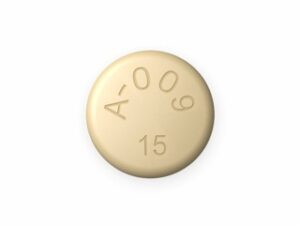
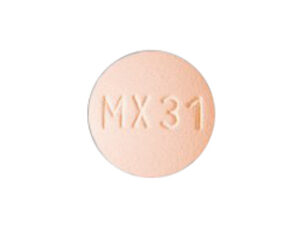
Bupropion Hydrochloride (Bupropion) — Patient-Friendly Guide (UK)
Bupropion hydrochloride is a medicine used for specific mental health conditions and certain smoking-related goals. This page provides clear, patient-friendly information about how it works, how it’s taken, and important safety considerations—tailored for the United Kingdom.
1) Basic product information
| Information | Details |
|---|---|
| Active ingredient | Bupropion hydrochloride |
| Common form | Tablets (various strengths; some formulations are extended-release) |
| How it’s used | For depression in selected patients; also used to support smoking cessation in some settings |
| Availability in the UK | Availability can vary by brand/formulation and local supply |
| Typical onset | Some effects may be noticed within days; full benefits often take several weeks |
2) What bupropion is used for (indications)
In the UK, bupropion is mainly used in the context of:
- Depression — particularly when alternative treatments are not suitable or have not worked well.
- Smoking cessation support — used to help some people quit smoking (often as part of a structured plan).
The exact suitability depends on your personal history, other medicines, and risk factors. Your clinician will consider whether bupropion is appropriate for you.
3) How it works (mechanism of action)
Bupropion is an antidepressant with a different profile to many commonly used antidepressants. It works by affecting brain chemicals involved in mood and motivation:
- Norepinephrine and dopamine reuptake inhibition: bupropion helps increase levels of these neurotransmitters.
- Nicotine–related effects (for smoking cessation): dopamine pathways may help reduce cravings and withdrawal symptoms for some people.
Because it is not primarily a selective serotonin reuptake inhibitor (SSRI), it may be associated with different side-effect patterns than SSRIs in some individuals. However, individual responses vary.
4) Pharmacokinetics (how the body handles it)
Pharmacokinetics describes how the medicine is absorbed, processed, and eliminated.
- Absorption: After you take bupropion by mouth, it is absorbed from the gut into the bloodstream.
- Metabolism: Bupropion is metabolised in the liver into active metabolites (including hydroxybupropion and others), which may contribute to overall effect.
- Half-life: The exact half-life can vary by formulation and individual factors. Extended-release preparations are designed to release medicine more slowly.
- Elimination: Metabolites are mainly eliminated by the kidneys.
- Time to steady effect: Because symptoms often improve over time, clinicians typically evaluate response over several weeks.
Important: People with liver or kidney problems may process bupropion differently, which can affect both safety and dosing decisions. Tell a healthcare professional if you have liver disease, kidney impairment, or any history of seizures.
5) Timing: when bupropion tends to be felt
Many people ask how quickly they will notice changes. In general:
- Early changes: Some people notice changes in energy, concentration, or sleep over the first several days.
- Depression improvement: A meaningful improvement often takes 2–6 weeks, depending on dose and individual response.
- Smoking cessation: Cravings may reduce and withdrawal symptoms can ease over days to weeks, especially when combined with behavioural support.
If you feel worse, experience troubling mood changes, or develop severe agitation, contact a healthcare professional promptly.
6) Food interactions: can you take it with meals?
For most people, bupropion can be taken with or without food. However, following the advice on your specific formulation is important.
- Extended-release tablets: Swallow whole—do not crush, split, or chew unless your product information states otherwise. Taking it consistently (for example, with a meal or at the same time each day) can help routine.
- Stomach upset: If nausea or indigestion occurs, some people find taking it with food helps.
If you have specific dietary restrictions or gastrointestinal issues, discuss them with a clinician or pharmacist.
7) Alcohol and medicine interactions
Alcohol
It’s generally advised to limit or avoid alcohol when taking bupropion, particularly because:
- Alcohol can worsen mood symptoms for some people.
- Both alcohol withdrawal and heavy alcohol use can increase seizure risk in susceptible individuals.
Medicines that can interact
Bupropion can interact with other medicines. A pharmacist or clinician should review your current medicines, including:
- Other antidepressants and medicines affecting serotonin or norepinephrine systems
- Monoamine oxidase inhibitors (MAOIs) (require extra caution and timing)
- Medicines that lower the seizure threshold (e.g., certain antipsychotics, some antimalarials, systemic steroids in some contexts, and others)
- Stimulants or drugs for attention disorders
- Some antibiotics or antifungals (depending on the specific medication)
- Drugs that affect liver enzymes (bupropion is metabolised in the liver)
Some interactions are serious (for example, combinations that significantly raise seizure risk). Always provide a complete list of medicines and supplements to a healthcare professional.
8) Dosing: typical approach (general information)
Dosing must be individualised. The following is general guidance to help you understand what to expect. Always follow the instructions provided for your specific product and your clinician’s plan.
Starting dose and titration
- Many treatment plans begin with a lower starting dose to improve tolerability.
- The dose is commonly increased gradually if needed and safe, based on response and side effects.
- Extended-release formulations are typically taken once daily (or as directed), while other formulations may be taken in divided doses.
Adherence and missed doses
- If you miss a dose, take it when you remember unless it’s close to the time for your next dose.
- Do not double up to make up for a missed dose.
- If you’re unsure, ask a pharmacist for product-specific advice.
Do not change your dose without guidance. Abrupt changes can affect side effects and symptom control.
9) Safety profile: key warnings and precautions
Like all medicines, bupropion can cause side effects and may not be suitable for everyone. The sections below cover important safety considerations, written in a patient-friendly way.
Common side effects
Common side effects can include:
- Dry mouth
- Nausea
- Headache
- Sleep changes (insomnia or unusual dreams)
- Increased sweating
- Appetite changes
- Feeling restless or jittery
Side effects often improve as your body adjusts, but persistent or severe symptoms should be discussed with a healthcare professional.
Serious risks (seek urgent help if severe)
- Seizures: Bupropion can rarely increase seizure risk. The risk is higher in people with certain medical history, eating disorders (such as bulimia or anorexia), heavy alcohol use or abrupt alcohol/benzodiazepine withdrawal, and with some interacting medicines.
- Allergic reactions: Seek urgent medical advice if you develop swelling of the face/lips, widespread rash, or breathing difficulty.
- Changes in mood or behaviour: Some people may experience increased agitation, worsening depression, or unusual thoughts. If you feel unsafe or the changes are severe, get urgent help.
- Blood pressure changes: Bupropion can raise blood pressure in some individuals; monitoring may be recommended.
Who should take extra care
Extra caution is needed if you have:
- History of seizures
- Eating disorders (current or past)
- Significant liver impairment or severe kidney problems
- Use of medicines that significantly increase seizure risk
- Substantial alcohol intake or planned abrupt cessation
- History of bipolar disorder (mania/hypomania risk) — clinicians typically screen for this before starting
10) Practical use tips (to help you get the best experience)
- Choose a consistent time: If it affects sleep, taking it earlier in the day can help. Your clinician or pharmacist can advise the best timing for your formulation.
- Swallow whole if extended-release: Do not crush or chew extended-release tablets unless instructed.
- Stay hydrated and monitor appetite: Appetite changes can occur. If you’re losing weight unintentionally or feel unable to eat, seek advice.
- Limit alcohol: Keep alcohol intake low or avoid it, especially during the initial period.
- Don’t stop suddenly: If you decide to stop, discuss a plan first. Gradual changes are often safer.
- Track side effects: If you experience insomnia, headaches, or jitteriness, note when it occurs and how intense it is. This helps your clinician adjust timing or dose appropriately.
- Use behavioural support for smoking cessation: Medication works best when combined with a structured plan, triggers management, and support (e.g., stop-smoking services).
11) Alternative options
Alternatives depend on why you are taking bupropion:
If you’re using bupropion for depression
- SSRIs (e.g., sertraline, citalopram, fluoxetine)
- SNRIs (e.g., venlafaxine, duloxetine)
- Mirtazapine
- Psychological therapies (e.g., CBT, behavioural activation), either alone or alongside medication
If you’re using bupropion for smoking cessation
- Nicotine replacement therapy (NRT) (patches, gum, lozenges)
- Varenicline (where appropriate and available)
- Behavioural support and cessation programmes
Your clinician can advise which option best matches your health history, side-effect preferences, and risk profile.
12) UK market and legal context (high-level)
In the United Kingdom, antidepressant medicines are regulated through national medicines frameworks and pharmacy law. Availability, brand choice, and whether a particular formulation is stocked can depend on prescriber preference, local supply, and pharmacy inventory.
The National Health Service (NHS) and professional bodies provide ongoing clinical guidance on depression management and smoking cessation strategies, including advice on choosing treatments, monitoring progress, and supporting people throughout the course of therapy.
Online pharmacy availability can vary. When ordering, ensure you receive the correct strength and formulation (for example, extended-release vs immediate-release), as instructions can differ.
13) Recent guidance and monitoring (what to expect)
UK clinical practice typically emphasises:
- Individualised selection of antidepressant therapy based on past response and risk factors.
- Follow-up and monitoring for early side effects and symptom improvement.
- Attention to safety, especially for people at risk of seizures, those with significant alcohol intake, and those with bipolar disorder history.
- Supportive care—for depression, combining medication with talking therapies is often beneficial; for smoking cessation, structured behavioural support can substantially improve outcomes.
If you’re using bupropion for smoking cessation, it is also common to have a quit plan and follow-up schedule to adjust the approach as you progress.
14) Delivery and availability (online pharmacy)
Availability of bupropion products can differ by:
- Strength and formulation (e.g., extended-release vs immediate-release)
- Manufacturer or brand
- Current stock levels at the dispensing pharmacy
Delivery times vary depending on your location and ordering cut-off times. Many UK online pharmacies offer options such as standard and express delivery. When ordering, you should receive confirmation of dispatch and delivery estimates.
Always store medicines according to the product label (commonly at room temperature, away from moisture and direct sunlight). Keep out of sight and reach of children.
15) FAQ
How long does bupropion take to work?
Some people notice changes early, but for depression it commonly takes 2–6 weeks to see meaningful benefit. Smoking cessation effects can start within days, especially alongside a quit plan.
Should I take bupropion in the morning or at night?
Many people take it earlier in the day to reduce the chance of insomnia, particularly with formulations that can affect sleep. Follow the instructions for your specific product and ask your pharmacist if you’re unsure.
Can I take bupropion with food?
Usually, yes. Bupropion can be taken with or without food. If you feel nauseated, taking it with a meal may help.
What should I do if I miss a dose?
Take it when you remember unless it’s nearly time for the next dose. Do not double your dose. If you’re uncertain, ask a pharmacist for advice specific to your tablet type.
Can I drink alcohol while taking bupropion?
It’s generally recommended to limit or avoid alcohol. Alcohol can worsen mood and may increase seizure risk, especially with heavy drinking or withdrawal.
Does bupropion cause seizures?
Seizures are rare, but bupropion can increase risk in susceptible individuals—particularly those with seizure history, eating disorders, heavy alcohol use, abrupt alcohol/benzodiazepine withdrawal, or interacting medicines. Seek medical help urgently if you experience seizure activity.
Will bupropion help with smoking cravings?
It can help reduce cravings and withdrawal symptoms for some people. Medication works best with a structured quit plan, trigger management, and behavioural support.
Can I switch from another antidepressant to bupropion?
Switching depends on what you’re currently taking and your medical history. Some antidepressant changes require careful timing to reduce risk of interactions or unwanted effects. A clinician should guide any switch.
What side effects are most common?
Common effects include dry mouth, headache, nausea, sleep changes, and increased sweating. If side effects are severe, worsening, or concerning, contact a healthcare professional.
Are there any long-term concerns?
Long-term use should be reviewed regularly, including monitoring of symptoms, side effects, and ongoing need. Your clinician can advise a review schedule tailored to your situation.
What if I feel my mood is getting worse?
If you experience worsening depression, unusual behaviour, or feel unsafe, seek urgent medical help. Early communication with a healthcare professional is important.
Summary
Bupropion hydrochloride is a medicine that can be helpful for depression and, in some cases, smoking cessation. It works by influencing brain chemical pathways involved in mood and motivation. Effects may take time to build, and careful attention to dosing, timing, food habits, alcohol intake, and interacting medicines improves safety and comfort.
If you have questions about your specific tablet type or whether bupropion is suitable for you, speak to a healthcare professional or pharmacist.