
Abilify (Aripiprazole) — Patient Information
Abilify contains the active substance aripiprazole, an antipsychotic medicine used to treat several mental health conditions. This page is designed to help you understand what Abilify is, how it works, how to take it, and what to consider for safety—especially regarding interactions with food, alcohol and other medicines—within a UK context.
Always follow the instructions provided with your product and consult a healthcare professional if you are unsure about any part of your treatment. If you experience concerning symptoms, seek urgent medical advice.
Quick overview
| Topic | Key points |
|---|---|
| Active ingredient | Aripiprazole |
| Medicinal class | Atypical antipsychotic (also described as a dopamine/serotonin system stabiliser) |
| Common uses | Schizophrenia; bipolar disorder (mania and maintenance); irritability associated with autism (in some age groups) |
| Typical dosing style | Once daily for most adults and many indications (follow your personal plan) |
| Onset of benefit | May take days to weeks; some effects may be felt sooner than others |
| Important precautions | Watch for unusual movements, severe sleepiness, allergic reactions, mood/behaviour changes, and diabetes/metabolic changes |
Basic product information
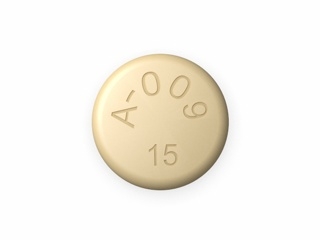
Abilify is a brand name for aripiprazole. In the UK, aripiprazole is available in different strengths and formulations depending on the patient’s needs. Your pharmacist can confirm the specific strengths and format you have (for example tablets and/or other formulations where available).
Aripiprazole works on brain receptors involved in dopamine and serotonin signalling. It is sometimes described as having a stabilising effect, because it can act in different directions depending on the existing level of receptor activity.
How Abilify works (mechanism of action)
Aripiprazole is commonly described as a partial agonist at dopamine receptors (particularly D2) and as a partial agonist at serotonin receptor (particularly 5-HT1A), alongside antagonistic effects at serotonin 5-HT2A receptors. In simpler terms, it can help balance signalling pathways that are thought to be involved in psychosis, mood symptoms and certain behavioural features.
- Dopamine system effects: Partial agonism at dopamine D2 receptors may help reduce symptoms such as hallucinations or delusions while minimising the degree of dopamine blockade associated with some older antipsychotics.
- Serotonin system effects: Partial agonism at 5-HT1A and antagonism at 5-HT2A may contribute to mood and anxiety-related symptom changes.
- “System stabiliser” concept: Rather than simply switching pathways off, it may fine-tune signalling.
Pharmacokinetics (how the body handles the medicine)
Pharmacokinetics describes how the medicine is absorbed, distributed, metabolised and eliminated. The exact numbers can vary between individuals, but the overall pattern of aripiprazole is well understood.
- Absorption: After oral dosing, aripiprazole is absorbed from the gut. Peak levels typically occur within a few hours (commonly around 3–5 hours for tablets).
- Distribution: It is distributed throughout body tissues, including the brain, and binds to plasma proteins.
- Metabolism: Aripiprazole is mainly metabolised by liver enzymes, notably CYP2D6 and CYP3A4. This is why some medicines can change aripiprazole levels.
- Elimination: Aripiprazole is eliminated via metabolism, with metabolites removed mainly through the liver and kidneys. The drug’s half-life is relatively long (often around 60 hours), which contributes to once-daily dosing and steadier blood levels over time.
Because aripiprazole remains in the body for a long time, missed doses may not cause immediate symptoms, but you should still aim to take it as directed. Do not double your dose to “catch up” unless your clinician has advised this.
Typical uses and indications
Abilify (aripiprazole) is used for a range of conditions. The specific indication and age range depend on the authorised product and local guidance. Commonly recognised uses include:
- Schizophrenia: for treatment of schizophrenia in adults (and in some circumstances in adolescents, depending on the product licence and clinical guidance).
- Bipolar disorder:
- Manic or mixed episodes associated with bipolar disorder.
- Maintenance to help prevent relapse in bipolar disorder.
- Irritability associated with autism spectrum disorder: in children and adolescents within specific age ranges and under specific criteria.
If you are unsure why Abilify was chosen for you or your family member, speak with your prescriber or pharmacist. It can be important to clarify the goals of treatment—for example, reducing psychosis symptoms, preventing relapses, or improving mood and irritability.
When to take Abilify (timing and routine)
Abilify is usually taken once daily. The exact dose timing depends on the formulation and your personal side-effect profile. Many people take it at a consistent time each day to maintain steady levels.
- Consistency helps: Choose a time that fits your routine and try not to change it frequently.
- If you feel sleepy: Some people prefer taking it in the evening. If it makes you feel more alert or restless, taking it in the morning may help.
- Long half-life: The medicine stays in the body for a long time, so occasional timing differences are usually not critical—still, aim for the recommended schedule.
Food interactions
Abilify can generally be taken with or without food. For most people, meals do not significantly change the overall absorption of aripiprazole. However, forming a routine around your usual meal times can help you remember doses.
If you have gastrointestinal side effects or notice symptoms that seem connected to meals, speak with a pharmacist. They can advise on how to structure your dosing routine and what to monitor.
Alcohol and medicine interactions
Alcohol
It is best to avoid excessive alcohol while taking Abilify. Alcohol can increase the risk of side effects such as dizziness, drowsiness and impaired judgement, and it may worsen mood symptoms in some people.
- If you drink alcohol, keep it moderate and monitor how you feel after drinking.
- Avoid binge drinking.
- If alcohol makes you feel significantly more drowsy, restless or emotionally unstable, stop drinking and seek advice.
Interactions with other medicines
Aripiprazole levels can be affected by medicines that influence liver enzymes, particularly CYP2D6 and CYP3A4. This can lead to higher or lower aripiprazole concentrations and change side effect risk or effectiveness.
Common interaction examples include:
- CYP3A4 inhibitors (may increase aripiprazole levels): some antifungals (e.g. ketoconazole/itraconazole), some HIV protease inhibitors, and certain antibiotics.
- CYP3A4 inducers (may decrease aripiprazole levels): some epilepsy medicines (e.g. carbamazepine, phenytoin), and rifampicin.
- CYP2D6 inhibitors (may increase aripiprazole levels): some antidepressants and other medicines depending on the specific drug.
Not all interactions are listed here. Tell your healthcare professional about all medicines you take, including:
- Prescription medicines
- Over-the-counter medicines
- Herbal products (for example, St John’s wort)
- Vitamins or supplements
Dosing: how much is usually taken
Dosing depends on the specific condition, your age, kidney and liver function, previous responses, and any interacting medicines. Typical dosing patterns in clinical practice often follow a titration approach (starting at a certain dose then adjusting), especially at the beginning or when switching.
General dosing principles:
- Start low, then adjust: Many patients start at a lower dose and have it increased or adjusted based on response and side effects.
- Once daily: Many indications use once-daily dosing.
- Individual response varies: Two people can be prescribed the same dose yet experience different side effects or benefits.
Because dosing is tailored, the safest approach is to use your own prescribed instructions. If you need help understanding your dose schedule, ask your pharmacist to explain it in simple terms.
Practical use tips (making treatment easier)
- Keep a routine: Linking the dose to a daily habit (e.g. breakfast) can improve adherence.
- Use a reminder: Phone alarms, pill boxes or blister packs can help.
- Don’t stop suddenly: If you feel you want to stop, speak to a healthcare professional first. Stopping abruptly may lead to symptom changes.
- Track side effects: If you notice restlessness, sleep changes, movement symptoms, weight changes or sugar cravings, record when they start and what dose you are on.
- Attend reviews: Regular follow-ups are important, particularly early in treatment or if your dose changes.
Safety profile: what to watch for
Like all medicines, Abilify can cause side effects. Many are manageable, and not everyone gets them. The likelihood and severity can vary depending on dose, age, and other health factors.
Common side effects
- Sleep changes (insomnia or sleepiness)
- Headache
- Restlessness (akathisia) or feeling unable to sit still
- Stomach upset (nausea, indigestion)
- Dizziness
- Fatigue
Important potential side effects (seek medical advice promptly)
- Unusual movements (e.g. twitching, stiffness, tremor, persistent restlessness). These may indicate movement-related effects and should be assessed.
- Severe allergic reactions (swelling of face/lips, rash, breathing difficulty).
- Worsening mood or unusual behaviour, including suicidal thoughts, severe agitation, or marked changes in behaviour. Urgent assessment may be needed.
- Metabolic changes such as increased blood sugar or cholesterol, or significant weight gain. Monitoring is often recommended.
- Heart rhythm concerns (palpitations, fainting). This is uncommon but important.
- Neuroleptic malignant syndrome (rare but serious): symptoms can include high temperature, muscle stiffness, confusion and severe sweating.
Special warnings
- Falls and drowsiness: If you feel dizzy or sleepy, avoid driving or operating machinery until you know how you are affected.
- Diabetes risk: If you have diabetes or risk factors, your clinician may monitor blood glucose and weight.
- Impulse control symptoms: Some people may experience compulsive behaviours (e.g. gambling, increased libido, binge eating). Report these promptly to your healthcare professional.
- Older adults: Side effects and risks may differ. Close monitoring is usually required.
- Seizure history: Inform your clinician if you have a history of seizures.
Recent guidance and UK considerations
In the UK, prescribing and monitoring of antipsychotic medicines is influenced by national and local guidance, and by product licence information. Treatment decisions typically consider:
- Correct diagnosis and severity of symptoms
- Benefits vs. risks, including movement-related effects and metabolic effects
- Monitoring such as weight, blood pressure, glucose and lipids where appropriate
- Regular review of the need for continued treatment and dose optimisation
Additionally, UK clinical practice often emphasises shared decision-making, documentation of agreed goals, and structured follow-up. If you are starting Abilify, your healthcare team may discuss expectations such as when benefits may appear and which side effects should be reported early.
Delivery and availability in the United Kingdom
Availability of Abilify may vary based on strength and formulation. In the UK, medicines can be supplied through registered pharmacy channels. Delivery options often include standard and express services depending on location and stock.
- Stock checks: Most online pharmacies check availability before dispatch.
- Packaging: Medicines are typically supplied in original packaging to protect integrity and provide clear labelling.
- Delivery times: Dispatch times depend on order volume and courier schedules.
If you need Abilify urgently, contact customer support for guidance on lead times and alternatives while waiting for restock.
Alternative options
Depending on your diagnosis, age and previous treatment response, there are alternative medicines and strategies. Options may include:
- Other antipsychotics: such as olanzapine, risperidone, quetiapine, amisulpride or aripiprazole formulations depending on suitability.
- Combination or add-on treatments: sometimes mood stabilisers or antidepressants are considered alongside antipsychotics (where clinically appropriate).
- Non-medicine supports: talking therapies, psychological interventions, lifestyle changes and structured routines can complement medicine treatment.
If Abilify is not effective or side effects are troublesome, talk to a healthcare professional about possible alternatives rather than stopping on your own.
How to handle missed doses
If you miss a dose, take it as soon as you remember unless it is close to your next scheduled dose. In that case, skip the missed dose and continue your normal schedule.
- Do not double up to make up for a missed dose unless advised.
- If you frequently miss doses, ask for support to improve your routine.
Driving, alcohol, and everyday activities
Some people may experience dizziness or sleepiness, particularly when starting treatment or after a dose change. Use caution until you know how Abilify affects you.
- Driving: avoid driving if you feel drowsy, dizzy or “not yourself”.
- Machinery: do not operate heavy machinery if your concentration or alertness is affected.
- Alcohol: as noted, avoid excessive alcohol because it may worsen impairment.
FAQ about Abilify (Aripiprazole)
1) What is Abilify used for?
Abilify (aripiprazole) is used to treat conditions such as schizophrenia, bipolar disorder (including mania and maintenance), and irritability associated with autism spectrum disorder in specific age groups, depending on product licensing and clinical assessment.
2) How quickly will I feel better?
Some people notice changes within days, but meaningful improvement can take several weeks. The time to benefit varies by condition, dose and individual response. If you feel worse or your symptoms rapidly change, seek medical advice urgently.
3) Can I take Abilify with food?
Yes. Abilify is generally taken with or without food. Taking it the same way each day can help maintain routine.
4) Does Abilify cause weight gain?
Weight changes can occur with antipsychotic medicines. Aripiprazole may have a different risk profile than some others, but weight monitoring is still often recommended. If you notice rapid weight gain, increased appetite or changes in thirst and urination, discuss this with your healthcare professional.
5) Can I drink alcohol while taking Abilify?
It’s best to avoid excessive alcohol. Alcohol can increase dizziness or sleepiness and may worsen mood symptoms. If you choose to drink, keep it moderate and monitor how you feel.
6) What medicines interact with Abilify?
Medicines that affect liver enzymes—especially CYP2D6 and CYP3A4—can alter aripiprazole levels. Tell your pharmacist or prescriber about all medicines, including over-the-counter drugs and herbal products, so they can check for interactions.
7) What if I miss a dose?
Take it when you remember unless it is almost time for the next dose. Do not double the dose to compensate unless instructed. If missing doses becomes frequent, ask for support to help you stay on schedule.
8) Are there serious side effects I should know about?
Seek urgent medical attention if you develop signs of a serious allergic reaction, severe stiffness/fever/confusion, worsening mood with thoughts of self-harm, or persistent movement symptoms that concern you. If you are unsure whether symptoms are serious, contact a healthcare professional for advice.
9) Can I stop Abilify suddenly?
Do not stop suddenly without professional advice. Stopping antipsychotic treatment can lead to symptom return or other complications. Your clinician can guide a safe plan if changes are needed.
10) Where can I get Abilify in the UK?
Abilify is available through UK pharmacy supply channels. Availability may depend on stock and formulation. Your online pharmacy can usually show product options and estimated delivery times based on your location.
Summary
Abilify (aripiprazole) is an antipsychotic medicine used in the UK for conditions including schizophrenia, bipolar disorder and irritability associated with autism. It acts on dopamine and serotonin receptors and is typically taken once daily. For safe use, it’s important to follow your dosing routine, be aware of potential side effects (especially movement symptoms and metabolic changes), and discuss alcohol and medicine interactions with a pharmacist or clinician.