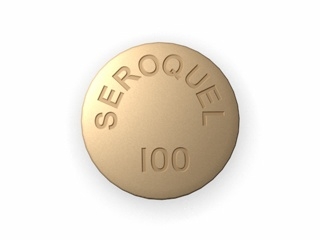


Seroquel (Quetiapine) – Patient-Friendly Medicine Information (United Kingdom)
Seroquel is the brand name of quetiapine, an antipsychotic medicine used to treat certain mental health conditions and, in some cases, to help with sleep-related symptoms as part of a broader treatment plan. This page is designed to help you understand how quetiapine works, what it’s commonly used for, how it’s taken, and what to watch for.
This information is intended to be helpful and easy to read. It does not replace advice from your healthcare professional, who will tailor treatment to your individual needs.
Quick overview
- Active ingredient: Quetiapine
- Brand name: Seroquel (there are also other brands and generic quetiapine products)
- Medicine type: Antipsychotic
- Common forms: Tablets (immediate-release) and modified/extended-release formulations depending on the product
- How it’s usually taken: Once or twice daily depending on formulation and the condition being treated
- Key considerations: May cause drowsiness, low blood pressure, and metabolic changes (weight, blood sugar, lipids). Do not stop suddenly.
Basic product information
In the UK, Seroquel is supplied as different formulations (for example, immediate-release and prolonged/extended-release versions). Your exact dose and schedule will depend on the diagnosis, your age, and how you respond to treatment.
| Feature | What you should know |
|---|---|
| Brand | Seroquel (quetiapine) |
| Generic | Quetiapine (available as other branded and generic products) |
| Available strengths | Varies by formulation (follow the pack strength you are prescribed) |
| Typical dosing frequency | Once or twice daily depending on formulation and condition |
| Common side effect | Sleepiness (especially at the start), dizziness |
How quetiapine works (mechanism of action)
Quetiapine is classified as an atypical antipsychotic. It works primarily by affecting neurotransmitters in the brain, particularly:
- Serotonin (5-HT) receptors (including antagonism at certain subtypes)
- Dopamine (D2) receptors (antagonism/functional modulation)
- Additional receptor activity can influence mood, anxiety symptoms, and sleep/wake regulation
The combined action helps reduce symptoms such as hallucinations, delusions, disorganised thinking, and mood instability in appropriate conditions. For some people, it can also be calming and promote sleep.
Pharmacokinetics (how the body handles quetiapine)
Pharmacokinetics describes the journey of the medicine through the body—absorption, distribution, metabolism, and elimination.
- Absorption: Quetiapine is absorbed from the stomach/intestine. Food can affect absorption for certain formulations, so the product-specific instructions are important.
- Distribution: It distributes into body tissues, including the brain. It is bound to plasma proteins.
- Metabolism: Quetiapine is mainly metabolised by the liver (primarily via the CYP enzyme system, including CYP3A4).
- Elimination: It is eliminated mainly via the urine and faeces as metabolites.
- Half-life: The “half-life” varies by formulation and person, influencing how often doses are required.
Because metabolism involves liver enzymes, quetiapine levels can be affected by other medicines (for example, some antifungals or antibiotics), and by certain alcohol patterns. Your pharmacist or prescriber can advise on interactions.
Typical uses in the UK
Quetiapine is used for a range of mental health conditions. In the UK, indications depend on age, formulation, and the specific symptoms being treated.
Common indications
- Schizophrenia and other psychotic disorders
- Bipolar disorder (for example, episodes of mania or depression, depending on the product and severity)
- Major depressive episodes associated with bipolar disorder in some patients (depending on formulation and treatment plan)
In some settings, quetiapine may be used in combination regimens or as part of longer-term stabilisation. Always follow the plan agreed with your healthcare team.
How to take Seroquel (timing, with or without food)
Timing and dosing schedule
The timing depends on the formulation (immediate-release vs modified/extended-release) and on your symptoms. Many people take quetiapine in the evening because it can cause drowsiness. Others are prescribed split doses to reduce side effects.
- If taken once daily: it is commonly taken in the evening.
- If taken twice daily: one dose may be in the morning and one in the evening (or both adjusted to your schedule).
- Dose increases: starting doses are often low and gradually increased to help reduce side effects.
With food or without food
Food can influence absorption for quetiapine in certain formulations. Practical guidance:
- Follow your medicine label instructions exactly (for example, “with food” or “without food” may vary by formulation).
- If you miss a dose, do not double up—check your patient leaflet or speak to a clinician for what to do in your specific case.
- Try to take your doses at consistent times to keep blood levels steadier.
Alcohol and medicine interactions
Quetiapine can increase the effects of sedation. Alcohol can intensify sleepiness, dizziness, poor coordination, and slower reaction times, which may raise the risk of falls and accidents.
Alcohol
- Best approach: avoid or limit alcohol, especially when starting treatment or after dose changes.
- Do not drive or operate machinery if you feel drowsy, particularly after combining alcohol with quetiapine.
- Tell your healthcare team if you drink regularly so they can advise safely.
Medicines that may interact
Interactions can occur due to liver enzyme metabolism (especially CYP3A4) or through additive effects on sedation and blood pressure. Examples include:
- Medicines that affect CYP3A4 (some antifungal agents, certain antibiotics, and some antivirals)
- Other sedating medicines (for example, benzodiazepines, opioid pain medicines, some antihistamines)
- Medicines that lower blood pressure or affect heart rhythm
- Drugs that can affect electrolytes (e.g., some diuretics), potentially influencing heart rhythm risk
Always provide your pharmacist with a full list of current medicines, including over-the-counter products and herbal supplements.
Dosing: what to expect
Dosing for quetiapine is individual. Many people start at a low dose and increase gradually. This helps your body adjust and reduces side effects such as dizziness and sleepiness.
General dosing principles
- Start low, go slow: gradual titration is common.
- Adjust based on response and tolerability: your healthcare professional may change the dose.
- Formulation matters: immediate-release and extended-release products are not always interchangeable on a milligram-for-milligram basis.
- Older adults: some people require slower titration and careful monitoring.
- Children and adolescents: dosing depends on age and indication and must be determined by a specialist.
Typical dosing schedule (illustrative)
The exact schedule varies; the example below is for understanding how titration often works, not a substitute for your prescribed regimen.
- Day 1 onward: a low starting dose
- Over days/weeks: gradual increases in small steps
- Once stable: a maintenance dose continued long term, when appropriate
If you want, check your pack’s instructions or your patient information leaflet and ensure you follow the exact dose and timing stated there.
Safety profile and important precautions
Like all medicines, quetiapine can cause side effects. Many are manageable and improve over time, especially after gradual dose changes. However, some effects require prompt medical attention.
Common side effects
- Sleepiness / sedation (often more noticeable at the start)
- Dizziness or light-headedness
- Dry mouth
- Constipation
- Low blood pressure, particularly when standing
- Weight gain or increased appetite
- Headache
- Raised blood sugar and cholesterol in some people
Less common but serious risks
- Falls and fainting: due to dizziness or low blood pressure—take care when standing up quickly.
- Changes in heart rhythm (QT prolongation): risk may be higher in people with certain heart conditions or electrolyte abnormalities.
- Neuroleptic malignant syndrome (NMS): rare but serious; watch for high fever, severe stiffness, confusion, and unusual sweating.
- Tardive dyskinesia / movement disorders: abnormal movements may occur; early discussion is important.
- Agranulocytosis / severe blood count problems: rare; seek urgent help for fever or infections.
- Severe allergic reactions: seek urgent help for swelling, breathing difficulty, or rash with systemic symptoms.
- Blood clots (VTE): antipsychotic medicines may increase risk, particularly in people with other risk factors—report leg swelling/pain or sudden shortness of breath.
When to seek urgent medical help
Contact emergency services or urgent medical care if you experience:
- Signs of an allergic reaction (swelling of face/lips, trouble breathing)
- Chest pain, fainting, or severe palpitations
- High fever with severe muscle stiffness and confusion
- Severe drowsiness or difficulty waking
- Symptoms of stroke (face drooping, arm weakness, speech difficulty)
Practical use tips
Small habits can make quetiapine easier to live with and may reduce side effects.
Reducing sleepiness and dizziness
- Be cautious with driving and machinery until you know how the medicine affects you.
- When standing up, do it slowly—especially in the first weeks or after dose increases.
- If you feel very drowsy, speak to your clinician about timing or dose changes.
Managing constipation
- Stay hydrated and include fibre in your diet.
- Gentle activity can help bowel function.
- Seek advice before using laxatives regularly—your pharmacist can help you choose safe options.
Monitoring weight and metabolic health
- Weight, blood sugar, and cholesterol may be checked periodically.
- Consider discussing nutrition and physical activity support early in treatment.
- If you notice symptoms of high blood sugar (e.g., increased thirst, frequent urination), contact your clinician.
Stopping safely
Do not stop quetiapine abruptly unless your clinician tells you to. Stopping suddenly can lead to withdrawal-like symptoms and may worsen the underlying condition. If changes are needed, they are usually made by a gradual plan.
Alternative options
Depending on your diagnosis and medical history, alternatives may include other antipsychotic medicines, mood stabilisers, antidepressants, or non-drug therapies. Your healthcare professional can recommend options based on effectiveness, side effect profile, and your current health conditions.
Possible alternative medicines (examples)
- Other antipsychotics (examples include risperidone, olanzapine, aripiprazole, and others—choice depends on symptoms and risk factors)
- For bipolar-related symptoms: mood stabilisers may be considered (for example, lithium or some anticonvulsants, depending on the patient)
- For depressive symptoms: other antidepressant strategies may be considered in appropriate contexts
If you are switching medicines, it should be done under clinical guidance due to differences in dosing, duration, and interaction risks.
UK market and legal context (pharmacy and medicine regulation)
In the UK, quetiapine-containing medicines are regulated and supplied through licensed routes. Online pharmacies typically operate under UK pharmaceutical and medicines regulations, including requirements related to patient identification, eligibility checks, and safe supply processes.
Availability may vary by formulation and strength. Many people use a branded product (like Seroquel) or a generic version of quetiapine, depending on what is available and what is recommended by their prescriber and pharmacist.
Recent guidance and safety focus (UK-relevant themes)
In the UK, prescribing and monitoring of antipsychotics—particularly for vulnerable groups (such as older adults) and for long-term use—tends to focus on:
- Metabolic monitoring (weight, blood glucose, lipids)
- Movement disorder assessment where relevant
- Cardiovascular safety (blood pressure, heart rhythm considerations)
- Reducing unnecessary sedation and careful review of ongoing need
Always consult your care team for the most up-to-date advice specific to your situation. If you have questions about monitoring schedules, ask your GP, mental health team, or pharmacist.
Delivery and availability
Online availability can vary depending on local stock levels, formulation type, and strength. If your usual product is temporarily unavailable, a pharmacist may suggest an alternative within the same medicine (for example, a different brand or generic) to maintain continuity, depending on clinical appropriateness.
How to help us fulfil your order smoothly
- Double-check the medicine name (Seroquel vs quetiapine generic).
- Confirm the strength and formulation (immediate vs prolonged/modified release) if shown on your packaging.
- Provide accurate personal details as required for safe dispensing.
Delivery times depend on the retailer’s dispatch process and carrier service. Many UK online pharmacies aim to deliver promptly, with tracking where available. If delivery is urgent, choose the faster option shown at checkout (if available).
FAQ
1) What is Seroquel used for?
Seroquel (quetiapine) is commonly used to treat conditions such as schizophrenia and bipolar disorder (including manic episodes and, in some cases, depressive episodes), as determined by your clinician.
2) How long does it take to work?
Some people notice calming or sleep benefits within days, while full symptom improvement for mood or psychotic symptoms may take several weeks. It also depends on the dose and whether it is adjusted gradually.
3) Why do I feel sleepy when starting?
Sleepiness is a common early side effect due to how quetiapine affects brain receptors and can also be influenced by dose and timing. Drowsiness often improves as your body adapts, but it may persist for some people.
4) Can I take it with food?
This depends on the specific quetiapine formulation. Follow the instructions on your medicine pack and leaflet. If you’re unsure whether your product should be taken with food, ask your pharmacist.
5) Can I drink alcohol?
It’s best to avoid or strongly limit alcohol because alcohol can increase sedation and dizziness. Combining alcohol with quetiapine may raise the risk of accidents and falls.
6) What medicines should I avoid mixing with quetiapine?
You should be cautious with medicines that increase sedation, affect liver metabolism (especially CYP3A4-related medicines), or raise the risk of heart rhythm problems. Always tell your pharmacist about everything you take.
7) What if I miss a dose?
Do not take a double dose to make up for a missed one. The correct approach depends on your schedule and formulation. Check the patient information leaflet or contact your pharmacist for guidance.
8) Can I stop quetiapine suddenly?
Do not stop abruptly unless advised by your clinician. Sudden stopping may cause withdrawal-like symptoms and can worsen the condition being treated. Stopping is usually gradual.
9) Are there dietary tips to help with side effects?
For weight and metabolic health, focus on a balanced diet and regular activity as recommended for you. If constipation occurs, increase fibre and fluids and discuss suitable remedies with your pharmacist.
10) Is quetiapine safe for older adults?
It can be used, but older adults often require extra caution due to sensitivity to side effects such as dizziness, falls, and changes in metabolism. Dose adjustments and monitoring are important.
11) How do I store Seroquel?
Store according to the pack instructions, typically at room temperature and away from excessive heat or moisture. Keep out of the sight and reach of children.
Important note
If you experience troublesome side effects, unusual symptoms, or changes in how you feel, contact your healthcare team promptly. Your pharmacist can also advise on day-to-day practicalities such as how to take the medicine, what to do after a missed dose, and how to manage common side effects.