

Desyrel (Trazodone) – Patient Information
Desyrel is a medicine containing trazodone, most commonly used for depression and related mood conditions. It may also be prescribed in certain circumstances for sleep problems associated with depression or anxiety, because it can be calming for some people.
This page explains how Desyrel works, how it is used, what to expect, and important safety information. If you are unsure whether Desyrel is right for you, or how it fits your treatment plan, speak to a qualified healthcare professional.
Quick overview
- Active ingredient: Trazodone
- Common uses: Depression; sometimes off-label or for specific symptoms under clinical supervision (including sleep disturbance in some patients)
- How it works: Affects serotonin activity in the brain; also has sedating and calming effects
- Typical timing: Often taken in the evening or at night, especially if it causes sleepiness
- Key cautions: Drowsiness, dizziness, blood pressure changes, interactions with alcohol and certain medicines
- Monitoring: Mood changes, sleep, side effects, and (if relevant) blood pressure and heart rhythm
Basic product information
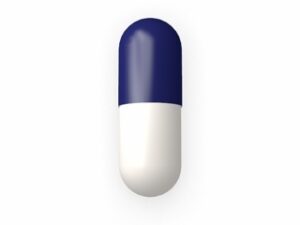
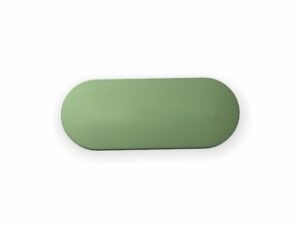
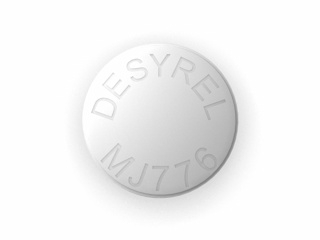
Desyrel is the brand name for trazodone, a prescription medicine. It is available in tablet form in the UK; the exact strength and formulation may vary by product.
Medicines may be packaged differently depending on the manufacturer and strength. Always check the label on your specific product for the exact dose and instructions.
| Category | Details |
|---|---|
| Medicine name | Desyrel (trazodone) |
| Drug class (main) | Serotonin modulator (antidepressant) |
| Common dosage form | Tablets |
| Typical administration | Oral, with or after food depending on tolerance |
How Desyrel works (mechanism of action)
Trazodone is an antidepressant that works mainly by altering serotonin signalling:
- Serotonin reuptake inhibition (5-HT reuptake): Trazodone can inhibit the reuptake of serotonin in the brain, helping serotonin remain available.
- 5-HT2 receptor antagonism: It also blocks certain serotonin receptors (notably 5‑HT2), which may contribute to antidepressant effects and a reduced likelihood of some side effects seen with other antidepressants.
- Sedating antihistamine-like effects: Many people experience calming/sleepiness, especially at lower doses. This can be helpful when depression comes with insomnia.
- Alpha-adrenergic blockade: This can contribute to low blood pressure or feeling light-headed, particularly when starting or increasing the dose.
Because it can be calming, Desyrel may feel “soothing” early on. However, antidepressant improvement usually takes longer.
Pharmacokinetics (how the body handles trazodone)
“Pharmacokinetics” describes what the body does to a medicine—how it is absorbed, broken down, and cleared. While individual experiences vary, the following points are generally relevant:
- Absorption: Trazodone is absorbed after taking a tablet by mouth. Peak levels generally occur within a few hours, though this can vary by person and formulation.
- Metabolism: It is mainly metabolised in the liver. Specific enzymes (including those in the CYP system) contribute to breakdown.
- Active metabolites: Trazodone is converted into metabolites, some of which may also contribute to effects.
- Elimination: The medicine and metabolites are cleared from the body primarily through urine.
- Half-life: It has a measurable elimination half-life; levels may persist beyond the time you feel drowsy.
If you have liver impairment, are older, or take medicines that affect liver enzymes, your healthcare professional may adjust your dose and monitoring plan.
Typical use and timing
What it is used for
In the UK, trazodone (Desyrel) is widely used for:
- Depression (particularly when sleep disturbance is also present)
- Other conditions may be considered by clinicians based on your symptoms and medical history. Always follow the plan given to you for your situation.
When to take it
Because Desyrel can cause sleepiness and dizziness, many people take it in the evening or at night.
- Starting treatment: Take it when you can safely rest for several hours.
- Changing dose: Extra caution is needed during dose changes because side effects may temporarily increase.
- Consistent routine: Taking at similar times each day can help maintain steadier effects.
If you have been told to take Desyrel more than once a day, follow your healthcare professional’s schedule. Do not change your regimen without advice.
How soon will it work?
People often notice different effects at different times:
- Sleep and relaxation: Some people feel calmer within the first few doses, but this varies.
- Mood improvement: Antidepressant benefits typically develop over several weeks.
- Adjustment period: The first 1–2 weeks may involve learning how the medicine affects you.
If your symptoms worsen or you develop unusual changes in mood, contact a healthcare professional promptly.
Dosing guidance (general information)
The exact dose of Desyrel depends on the person, the diagnosis, age, and tolerance. Many clinicians start at a low dose and adjust slowly to minimise side effects.
- Start low, go slow: This approach can reduce dizziness, sleepiness, and blood pressure changes.
- Split dosing: Some people are prescribed once daily; others may use divided dosing depending on their symptoms and tolerability.
- Missed dose: If you miss a dose, take it when you remember only if it’s close to the time your next dose is due. If it’s nearly time for the next dose, skip the missed one. Do not double up.
Always follow the instructions on your medicine label and the plan given by your clinician. If you are unsure what dose you should be taking, check your prescription details or consult a pharmacist.
Food interactions
Food may influence how quickly trazodone is absorbed, and may affect stomach comfort. In general:
- Take with food if it upsets your stomach: Many people find it easier to tolerate if taken after a meal or with a light snack.
- Consistency helps: Try to keep the same pattern (with or without food) from day to day.
- Grapefruit: Grapefruit and grapefruit juice can interact with medicines metabolised in the liver through certain pathways. Check with your pharmacist if you regularly consume grapefruit products.
If you have been given specific dietary guidance, follow it.
Alcohol and medicine interactions
Alcohol
Do not drink alcohol while taking Desyrel unless a clinician has specifically advised it. Alcohol can:
- Increase drowsiness and risk of accidents
- Increase dizziness and fall risk
- Potentially worsen mood and sleep quality
Medicines that may interact
Trazodone can interact with several classes of medicines. Tell your healthcare professional and pharmacist about all medicines you take, including over-the-counter products and herbal remedies.
Common interaction examples include:
- Other medicines that cause drowsiness (e.g., some antihistamines, opioids, benzodiazepines): increased sedation and impairment
- Medicines that affect serotonin (e.g., some antidepressants, triptans, tramadol, linezolid, St John’s Wort): increased risk of serotonin-related side effects
- Medicines affecting blood pressure (including some antihypertensives): may add to low blood pressure or dizziness
- Medicines affecting heart rhythm: trazodone may affect the heart’s electrical activity in susceptible individuals; combining with other QT-prolonging medicines can increase risk
- Strong liver enzyme inhibitors/inducers: may raise or lower trazodone levels, affecting side effects or effectiveness
If you start or stop any medicine, including antibiotics or antifungals, check whether it could interact with trazodone.
Indications (when Desyrel is considered)
In clinical practice in the UK, trazodone is used for:
- Major depressive episodes, especially where sedation may be beneficial
- Depression with insomnia or significant sleep disturbance (under clinician guidance)
- Symptom-based support in certain treatment plans where careful assessment shows potential benefit and acceptable risk
The decision to use Desyrel depends on your medical history, other medications, heart health, and the likelihood of side effects.
Safety profile and side effects
Like all medicines, Desyrel can cause side effects. Many are mild and improve as your body adjusts, but some require prompt medical attention.
Common side effects
- Drowsiness, fatigue
- Dizziness or light-headedness
- Dry mouth
- Nausea or stomach discomfort
- Headache
- Blurred vision (in some people)
- Constipation
- Low blood pressure (especially when standing)
Less common but important risks
- Abnormal bleeding/bruising: increased bleeding tendency can occur, especially if combined with other medicines that affect blood clotting.
- Heart rhythm changes: dizziness, fainting, palpitations, or a “racing heart” should be assessed.
- Serotonin-related reactions: symptoms may include agitation, tremor, fever, sweating, diarrhoea, or confusion—seek urgent medical care if severe.
- Suicidal thoughts/worsening depression: in the early phase of antidepressant treatment, mood changes should be monitored closely.
- Priapism (rare): a prolonged or painful erection requires urgent medical attention.
- Severe allergic reactions: swelling of face/lips, rash, or breathing difficulty needs emergency help.
When to seek urgent help
Contact urgent medical services or seek emergency care if you experience any of the following:
- Fainting or severe dizziness
- Chest pain, severe shortness of breath, or sustained palpitations
- Signs of serotonin syndrome (high fever, severe confusion, muscle stiffness, extreme agitation)
- Severe allergic reaction symptoms
- Priapism lasting longer than the short duration expected (if applicable)
- New or worsening suicidal thoughts or behaviour
Practical use tips for day-to-day life
- Be careful when getting up: If you feel light-headed, stand up slowly from sitting or lying positions.
- Plan for sleepiness: Avoid driving or operating machinery until you know how Desyrel affects you.
- Stay hydrated: Dry mouth and dizziness can worsen if you are dehydrated.
- Use a consistent bedtime routine: If it helps sleep, taking it at the same time each evening can help establish routine.
- Track how you feel: Note changes in mood, sleep, and side effects, especially during the first weeks or after dose changes.
- Do not stop suddenly: Stopping abruptly can cause problems. If you need to discontinue, ask your clinician about a gradual approach.
Driving, work, and lifestyle considerations
Because Desyrel may cause drowsiness and dizziness, it can affect your ability to drive or work safely. The risk may be higher when:
- Starting treatment
- Increasing the dose
- Combining with alcohol or other sedating medicines
Use caution and follow advice from your healthcare professional.
Alternative options
Depression and sleep disturbance can be treated using a range of approaches. Your clinician will choose the most suitable option based on your symptoms, medical history, and how you respond to previous treatments.
Other medicines (examples)
- SSRIs (e.g., sertraline, fluoxetine, citalopram)
- SNRIs (e.g., venlafaxine, duloxetine)
- Other antidepressants (e.g., mirtazapine, amitriptyline—depending on the case)
- Sleep-focused options may be considered in specific situations
Non-medicine support
- Talking therapies (such as CBT)
- Sleep hygiene strategies
- Lifestyle support (regular activity, reduced caffeine late in the day)
If you are exploring alternatives, speak with a pharmacist or clinician. Switching medicines or changing dose schedules should be done with guidance.
Market and legal context in the United Kingdom
In the UK, trazodone products (including Desyrel) are regulated under the Medicines Regulations and must be supplied according to UK law and professional standards. Medicines are typically provided by licensed pharmacies under clinical assessment, and patients are expected to use them as instructed.
Information on antidepressants and mental health medication safety is regularly updated by UK and European healthcare authorities. Pharmacy teams also follow guidance on counselling, suitability checks, and interaction screening.
If you have questions about the regulatory status of a specific strength or formulation, ask a pharmacist.
Recent guidance and monitoring considerations
Antidepressant treatment in the UK is commonly accompanied by a “monitoring first” mindset, especially during the early weeks of therapy. Although specific wording can vary by guideline and individual patient need, common themes include:
- Regular review of symptoms and side effects after starting or changing dose
- Monitoring mood and safety for worsening depression or suicidal thoughts, particularly in the first weeks
- Awareness of interaction risks (especially sedation, serotonin-related effects, and heart rhythm risk)
- Checking suitability for people with liver problems, older age, heart conditions, or those taking multiple medicines
For best safety, keep follow-up appointments and inform your healthcare professional promptly about any concerning symptoms.
Delivery and availability
Availability can vary by supplier and strength. When ordering through an online pharmacy, stock status may change. Delivery times depend on the service level selected and your location within the UK.
- Stock checks: The pharmacy may verify availability before dispatch.
- Delivery options: Common options include standard or express delivery where available.
- Packaging: Medicines are delivered securely and discreetly.
If your medicine is out of stock temporarily, the pharmacy may offer alternative options or advise on restocking timelines.
Storage
- Keep out of sight and reach of children.
- Store at room temperature, away from excess heat and moisture.
- Do not use after the expiry date shown on the pack.
FAQ – Desyrel (Trazodone)
1) Is Desyrel used for depression?
Yes. Desyrel (trazodone) is an antidepressant medicine used for depression. It may be selected when sleep problems are also present.
2) How long does it take to feel better?
Sleep and relaxation may improve earlier for some people, but antidepressant effects commonly take several weeks. Your clinician will review progress regularly.
3) Will Desyrel make me sleepy?
It often can. Drowsiness is a common reason it is taken in the evening. Until you know how it affects you, avoid driving or operating machinery.
4) Can I take it with food?
Many people tolerate it better with food or after a meal. Use a consistent routine and follow the instructions given to you.
5) Can I drink alcohol while taking Desyrel?
It is strongly advised to avoid alcohol because it can increase drowsiness, dizziness, and the risk of accidents. Ask a pharmacist for personalised advice if you’re unsure.
6) What medicines should I tell you about before starting?
Tell us (and your clinician) about all medicines and supplements you take, especially: sedating medicines, other antidepressants, serotonin-related medicines, medicines that affect the heart rhythm, and any products that affect liver enzymes.
7) What if I miss a dose?
If you remember soon, take it—unless it is close to the next dose. If you’re near the next dose, skip the missed one. Do not double up.
8) Are there serious side effects?
Most people experience mild side effects, but serious reactions can occur rarely. Seek urgent help for fainting, severe allergic reactions, symptoms suggesting serotonin syndrome, chest pain, or prolonged painful erections (if relevant).
9) Can I stop Desyrel suddenly?
Do not stop suddenly unless instructed. Your clinician may recommend reducing gradually to reduce the risk of withdrawal-like symptoms or symptom relapse.
10) Are there alternatives to Desyrel?
Yes. Depending on your symptoms, other antidepressants, sleep-focused strategies, and talking therapies may be considered. Discuss your options with a healthcare professional.
Important: This information is provided to help you understand Desyrel (trazodone). It does not replace personalised medical advice. If you have questions about your individual situation, contact a qualified healthcare professional or pharmacist.