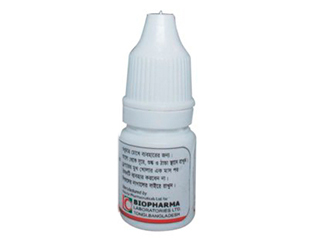
Ocuflox (Ofloxacin) Eye Drops – Patient Information (UK)
Ocuflox is a brand of ofloxacin, an antibiotic medicine commonly supplied as eye drops for treating certain eye infections. This page explains how Ocuflox works, what it’s used for, typical dosing and timing, important safety information, and practical tips for using eye drops properly. It also outlines food, alcohol and medicine interactions, and provides UK-focused guidance for availability and delivery.
If you have symptoms that are severe, rapidly worsening, or you experience reduced vision, significant pain, or light sensitivity, seek urgent medical advice promptly.
Basic product information
| Item | Information |
|---|---|
| Active ingredient | Ofloxacin |
| Medicine type | Antibiotic (fluoroquinolone) for the eye |
| Form | Eye drops |
| Use | For certain bacterial eye infections (not viral or allergic causes) |
| Who it’s for | Usually for adults and children only when advised by a healthcare professional |
| Common duration | Often several days; exact course depends on the condition and response |
How Ocuflox works (mechanism of action)
Ofloxacin belongs to the fluoroquinolone class of antibiotics. It works by interfering with bacterial DNA replication. Specifically, ofloxacin inhibits key bacterial enzymes:
- DNA gyrase (topoisomerase II)
- Topoisomerase IV
By blocking these enzymes, ofloxacin prevents bacteria from reproducing and helps clear the infection. In eye drops, this action is targeted to the infected tissues while limiting systemic exposure.
Pharmacokinetics (what happens in the body)
With eye drop use, absorption into the bloodstream is generally limited, because the medicine is applied locally to the eye. However, some absorption can occur through the eye surface and through the drainage system into the nose (nasolacrimal drainage), where medicines can be swallowed and absorbed through the gastrointestinal tract.
- Local effect: Ofloxacin reaches ocular tissues to exert antibacterial activity.
- Systemic absorption: Usually low; most people will have minimal systemic levels.
- Metabolism and elimination: As with many antibiotics, any absorbed fraction is cleared through the body’s normal processes (primarily kidneys).
The low systemic absorption is one reason topical eye antibiotics are often well tolerated, though you should still follow dosing directions and safety advice.
Typical uses and indications in the UK
Ocuflox is used for suspected or confirmed bacterial infections affecting the eye. Indications can include:
- Bacterial conjunctivitis (infective inflammation of the conjunctiva)
- Blepharitis and other eyelid margin infections where bacteria are involved
- Corneal infections (including certain cases of keratitis), where appropriate and based on clinical assessment
Important: Eye infections are not always bacterial. Viral conjunctivitis, allergic conjunctivitis, and dry eye can look similar at first. Antibiotics do not help viral or allergic conditions. If symptoms persist or worsen, it’s important to get proper clinical review rather than continuing the drops indefinitely.
When and how to take Ocuflox (timing)
Use Ocuflox strictly according to the dosing schedule provided for you. Below is general guidance that reflects typical antibiotic eye-drop schedules; actual instructions may differ depending on diagnosis and severity.
Common dosing pattern (general examples)
- Moderate bacterial eye infections: often 1–2 drops in the affected eye(s) at intervals (for example, 2–4 times daily), with the exact frequency depending on the condition.
- More severe infections: may require more frequent dosing initially (for example, every few hours while awake), then tapering as symptoms improve.
If you miss a dose, apply it when you remember unless it’s close to the next dose. Do not use a double dose to make up for the missed one.
How long to use
Treatment duration varies. Many courses are several days, but infections like corneal involvement can require longer or specialised care. Even if your symptoms improve quickly, it’s generally important to complete the planned course to reduce the chance of relapse.
Dose guidance (adults and children)
Dosing depends on the specific eye condition, severity, and age. In children, clinicians may adjust dosing frequency and total duration. The safest approach is to follow the exact instructions given by your healthcare professional or pharmacy dispensing information.
If you are unsure about the schedule, check with a healthcare professional before using more frequently than directed. Overuse can increase side effects and may not improve outcomes.
Food interactions
Because Ocuflox is used in the eye, it is not generally expected to have clinically important interactions with food. Any minor systemic absorption is typically low.
You can usually take your meals normally while using Ocuflox. If you are concerned about absorption issues due to swallowing eye drainage, speak to a pharmacist for personal advice.
Alcohol interactions
There is generally no specific alcohol interaction expected from eye drops like Ocuflox, because systemic exposure is typically limited.
However, if you feel unwell during an eye infection or are taking other medicines that may interact with alcohol, it’s wise to review those separately (see “Medicine interactions” below).
Interactions with other medicines
For topical eye antibiotics, significant drug–drug interactions are uncommon. Still, it’s important to tell your pharmacist or healthcare professional about all medicines you use, including eye drops and ointments.
Other eye medicines (very common)
- If you use other eye drops (for example, lubricants, antihistamine drops, steroid drops, or other antibiotics), spacing helps avoid wash-out and dilution.
- A common approach is to wait at least 5–10 minutes between different eye products. Ointments are often used last because they can coat the eye surface.
Systemic medicines
Any systemic absorption is usually small, but if you are taking medicines that affect heart rhythm or have kidney issues, it is worth mentioning them to a clinician/pharmacist for individual risk assessment.
Contact lens–related products
If you wear contact lenses, you may need to temporarily stop during infection and treatment. See the “Practical use tips” section for details.
Safety profile and side effects
Most people tolerate Ocuflox eye drops well. Like all medicines, it can cause side effects. Many effects are mild and relate to temporary irritation.
Common or expected side effects
- Stinging or burning in the eye shortly after applying
- Temporary redness
- Itching or mild irritation
- Watery eyes or discomfort
Less common but important side effects
- Eye pain that doesn’t improve
- Swelling of the eyelids
- Worsening blurred vision after instillation (should be assessed)
- Allergic reactions (rash, facial swelling, breathing difficulties – emergency)
Seek urgent advice if
- Vision becomes significantly worse
- You develop severe pain, light sensitivity, or marked worsening within 24–48 hours
- There is no improvement after the expected early response period
- You suspect a foreign body, chemical injury, or severe corneal involvement
If you experience signs of allergy (for example, sudden swelling, hives, or difficulty breathing), stop using the drops and seek urgent medical care.
Practical use tips (how to apply Ocuflox correctly)
Proper technique improves effectiveness and reduces contamination. Follow these steps:
- Wash your hands thoroughly with soap and water, then dry them.
- Check the bottle for cleanliness and ensure the tip is not damaged.
- Shake only if the product instructions indicate. (Some drops require shaking; others do not.)
- Tilt your head back and gently pull down the lower eyelid to create a small pocket.
- Instill 1 drop into the affected eye. Avoid touching the eye, eyelids, or lashes with the dropper tip.
- Close your eye gently for 1–2 minutes. Try not to blink repeatedly or rub your eye.
- Consider nasolacrimal occlusion (optional but helpful): press lightly at the inner corner of the eye (near the nose) for about 1 minute to reduce drainage into the nose.
- Wait before using other eye products, typically 5–10 minutes between different drops.
- Replace the cap immediately and wash your hands again.
Contact lenses
If you wear contact lenses and you have an eye infection, it’s generally recommended to remove lenses during treatment. Lenses can worsen irritation, trap bacteria, and reduce drop contact with the cornea. Use spectacles until your clinician advises that it’s safe to resume lens wear.
Hygiene and preventing spread
- Avoid touching your eyes and wash hands after applying drops.
- Don’t share towels or eye makeup.
- Change pillowcases more frequently during infection if advised.
- If you have conjunctivitis, be cautious around others—viral conjunctivitis can also spread easily.
What to expect after starting treatment
Many bacterial eye infections start to improve within 1–2 days. Redness, discharge and discomfort may reduce gradually. If symptoms are not improving after the early period, or they worsen, get professional advice.
Lack of response can occur if the infection is not bacterial, if dosing is insufficient, if the organism is resistant, or if the condition is more complex (such as corneal disease).
Alternative options for bacterial eye infections (UK)
The best antibiotic choice depends on the suspected bacteria, severity, and location of infection in the eye. Alternatives may include other topical antibiotic drops or ointments such as:
- Chloramphenicol eye drops/ointment (commonly used for conjunctivitis in some settings)
- Fusidic acid (where suitable and based on local resistance patterns)
- Other fluoroquinolones depending on diagnosis and local prescribing practices
Your pharmacist or clinician can recommend the most appropriate option for your situation. If you’ve used an antibiotic recently and it didn’t help, it’s especially important to get reviewed rather than switching repeatedly.
UK market and legal context (what this means for patients)
Medicines available in the UK are regulated by medicines law and monitored through the UK healthcare system. Ocuflox is an established medicine used for eye infections, and its availability through pharmacies is subject to UK regulations, stock, and product supply.
In the UK, eye infections are often assessed by primary care or optometry services. If you’re buying online, you may be asked to complete a clinical questionnaire to ensure the product is appropriate and safe.
Always follow the directions on the package or the healthcare advice given to you. If you have complex symptoms or eye conditions, it may be safer to obtain professional assessment.
Recent guidance considerations (practical points)
UK clinical practice increasingly emphasises:
- Antibiotic stewardship: using antibiotics when there’s reasonable suspicion of bacterial infection, and not for likely viral or allergic causes.
- Reassessment if not improving: eye infections should be reviewed if they do not respond within expected timelines.
- Safety escalation: prompt assessment for painful or vision-threatening symptoms.
- Appropriate contact lens care: infections in contact lens wearers may need stricter management.
If your symptoms are severe, affect your cornea, or you wear contact lenses, it’s particularly important to get proper advice quickly.
Delivery and availability in the UK
Online pharmacies in the UK may offer delivery to home addresses depending on product availability and compliance requirements. Availability can vary by region and by whether the specific Ocuflox pack size is in stock.
- Stock status: Check the current stock indicator on the product page.
- Delivery times: Commonly next day or within a few working days (options depend on courier and region).
- Packaging: Medicines are typically dispatched in tamper-evident packaging.
- Cold chain: Eye drops generally do not require refrigeration unless stated on the label.
For the most accurate information, check the shipping and delivery section at checkout on the online pharmacy site.
Storage instructions
Store Ocuflox eye drops according to the instructions on the label or carton. Typical general guidance includes:
- Keep out of sight and reach of children.
- Store at the recommended temperature and protect from excessive heat or sunlight.
- Keep the bottle tightly closed.
- Do not use after the expiry date on the pack.
If you are using a multi-dose bottle, follow any directions about how long it can be used after first opening. When in doubt, check the package leaflet or ask a pharmacist.
Frequently Asked Questions (FAQ)
1) What is Ocuflox used for?
Ocuflox (ofloxacin) eye drops are an antibiotic used for certain bacterial eye infections, such as bacterial conjunctivitis and some other infections where appropriate. It is not effective against viral or allergic eye conditions.
2) How quickly should I see improvement?
Many people notice improvement within 1–2 days. If you don’t improve or you worsen, seek advice promptly. Pain, reduced vision, or strong light sensitivity should be treated urgently.
3) Can I use Ocuflox if my eye is red but not sure it’s bacterial?
Red eye can have many causes. Antibiotics are for bacterial infections. If you’re unsure of the cause, it’s better to get an assessment rather than starting treatment blindly—particularly if you wear contact lenses or have significant pain.
4) Can I wear contact lenses while using Ocuflox?
It’s usually recommended to stop contact lens wear during an eye infection and treatment. Use spectacles until your symptoms resolve and it’s safe to restart.
5) What if I accidentally miss a dose?
Apply the missed dose when you remember. If it’s nearly time for the next dose, skip the missed one. Do not use a double dose.
6) Is Ocuflox safe to use with other eye drops?
Many people use it alongside other eye products, but spacing matters. Wait 5–10 minutes between different drops, and use ointments last if you use them. Ask a pharmacist if you’re using multiple medicines.
7) Can I drink alcohol while using Ocuflox?
No specific alcohol interaction is typically expected with eye drops. If you’re taking other medicines that interact with alcohol, follow the advice for those.
8) Will food affect how well Ocuflox works?
Food interactions are not expected to be clinically significant with topical eye drops. You can usually eat normally.
9) What should I do if the drops sting badly or cause swelling?
Mild stinging can happen. If discomfort is severe, persistent, or you notice swelling of the eyelids or signs of allergy, stop using the drops and seek medical advice urgently.
10) Are there alternative treatments if I can’t use Ocuflox?
Yes. Depending on the diagnosis and local prescribing practice, other topical antibiotics may be used. A clinician or pharmacist can help choose an alternative if Ocuflox is unsuitable.
Summary: key points to remember
- Ocuflox (ofloxacin) is an antibiotic eye drop for certain bacterial eye infections.
- It works by blocking bacterial DNA replication enzymes.
- Systemic absorption from the eye is usually low, but follow dosing directions closely.
- Use correct technique and spacing if you use other eye medicines.
- Contact lenses are usually avoided during treatment.
- Seek urgent help if you have severe pain, reduced vision, marked worsening, or allergy symptoms.
- If you don’t improve within the expected timeframe, get reviewed rather than continuing.
Disclaimer: This information is designed to help you understand Ocuflox and how to use it safely. Always refer to the product packaging and patient information leaflet provided with your medicine, and consult a healthcare professional for advice tailored to your situation.