Rifampin (Rifampicin) – Patient-Friendly Guide
Rifampin (also known as rifampicin) is a well-known antibiotic used to treat certain serious bacterial infections. It is an important medicine in the treatment of tuberculosis and other infections caused by susceptible bacteria. Because rifampin affects how the body processes many other medicines and can cause side effects, it is important to use it correctly and to know what to expect.
This guide is designed for patients in the United Kingdom (UK). It covers what rifampin is used for, how it works, how it behaves in the body, practical ways to take it, and key safety information.
1) Basic product information
- Generic name: Rifampin / Rifampicin
- Medicinal type: Antibiotic (rifamycin group)
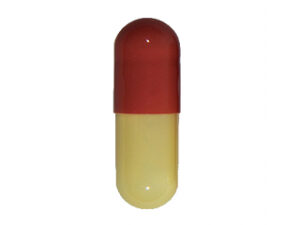
- Common dosage forms: Oral capsules or tablets (brand and strength vary)
- How it is usually supplied: Dispensed by pharmacies according to UK clinical practice
- Therapeutic uses: Commonly used in tuberculosis (TB) regimens and certain other infections
Note: Different UK brands may have different strengths and tablet/capsule sizes. Always follow the specific instructions given with your product and by your healthcare team.
2) How rifampin works (mechanism of action)
Rifampin belongs to the rifamycin class of antibiotics. It targets bacterial cells by interfering with an essential enzyme called DNA-dependent RNA polymerase.
In simpler terms, rifampin helps stop bacteria from making the proteins they need to survive and reproduce. This makes it effective against bacteria that are actively growing.
Rifampin is particularly important in Mycobacterium tuberculosis treatment. It helps reduce the number of bacteria and contributes to curing infection, but it is typically used as part of combination therapy to prevent resistance.
3) Pharmacokinetics: what happens in the body
“Pharmacokinetics” describes how the body absorbs, distributes, metabolises, and eliminates a medicine.
| Aspect | What to expect with rifampin |
|---|---|
| Absorption | Rifampin is absorbed from the gut. Absorption can be affected by food (see food interactions section). |
| Distribution | It spreads through the body and can reach many tissues. It also colours body fluids (not harmful, but notable). |
| Metabolism | It is metabolised mainly in the liver. |
| Elimination | It is cleared from the body partly via bile and urine; metabolites are excreted in faeces and urine. |
| Colour effects | Rifampin can cause orange-red discolouration of urine, sweat, tears, and sometimes saliva. This is expected for many patients. |
Because rifampin also affects drug-metabolising enzymes (see “medicine interactions”), the timing of other medicines may need adjustment during treatment.
4) Typical use and common indications
Rifampin is used for infections where bacteria are known or expected to be susceptible. In practice in the UK, the most common reason to use rifampin is as part of antituberculous regimens.
Common indications
- Tuberculosis (TB) – as part of combination therapy for active disease
- Prevention in certain situations – for specific risk groups under specialist guidance
- Other mycobacterial infections – depending on organism and regimen
- Some bacterial infections – such as those involving susceptible organisms where rifampin is included by specialist advice
Rifampin is not usually used as the single antibiotic for many infections because resistance can develop quickly. Combination treatment is a key principle for important indications such as TB.
5) Timing and how to take rifampin
Correct timing helps ensure consistent antibiotic levels in the body. The best schedule depends on the overall treatment plan.
General timing guidance
- Take at the same time each day to maintain steady levels.
- Follow your regimen schedule exactly (daily or different dosing frequency may apply depending on the condition).
- If you miss a dose, take it when you remember unless it is close to the next dose—then skip the missed dose. Do not double doses. If unsure, ask a pharmacist.
Does rifampin need to be taken with food?
Food can influence absorption. Many patients are advised to take rifampin: either on an empty stomach or consistently with/without food depending on the specific product and local guidance.
If you are told to take it on an empty stomach, this generally means taking it: at least 1 hour before food or 2 hours after food. Always follow the instructions provided with your medication.
6) Food interactions (including absorption considerations)
Rifampin absorption can be reduced by some foods, depending on the formulation and timing. For example:
- Taking rifampin with food may reduce absorption for some patients.
- Consistency matters: if you take it with food, try not to change to an empty-stomach schedule without advice.
Practical approach: choose a routine you can stick with and confirm whether your specific brand should be taken with or without food. Your pharmacist can check your product and provide tailored advice.
7) Alcohol and medicine interactions
Alcohol
Alcohol may increase the risk of stomach upset and can be harmful for the liver, which is also where rifampin may place additional strain. While moderate alcohol may not affect everyone, it is safer to avoid or limit alcohol—especially during treatment when liver tests might be monitored.
Seek urgent medical advice if you experience symptoms of liver problems (see “Safety profile”).
Major medicine interactions (very important)
Rifampin is a strong enzyme inducer (including CYP enzymes and transporters). This can reduce the effectiveness of many medicines by speeding their breakdown in the body. It can also affect levels of medicines used for:
- Hormonal contraception (including the pill, patch, ring, and some implant regimens)
- Warfarin and other anticoagulants
- HIV medicines
- Antifungal medicines
- Anticonvulsants (anti-epileptic medicines)
- Immunosuppressants
- Some antidepressants and antipsychotics (levels can change)
If you are taking other medicines, it is essential to have them reviewed. A pharmacist can help check interactions using your list of medicines, including over-the-counter products and herbal remedies.
Examples of interaction consequences
- Reduced protection from hormonal contraception (pregnancy risk)
- Reduced blood-thinning effect (risk of clotting)
- Reduced effectiveness of other antibiotics or antiviral medicines
Do not start, stop, or change doses of other medicines during rifampin treatment without professional advice.
8) Dosing: what is “typical” and why it varies
The right dose of rifampin depends on the condition being treated, your age, body weight, liver function, and which regimen you are following. Because rifampin is often part of combination therapy, dosing schedules may differ.
Your healthcare team will specify the exact dose and timing for your situation. The information below is intended to help you understand typical dosing patterns, not to replace individual instructions.
Typical dosing patterns
- Tuberculosis treatment commonly uses a rifampin dose based on body weight as part of multi-drug therapy.
- Preventive regimens may use a different schedule depending on the plan.
- Children may be dosed by weight.
Important dosing notes
- Use the exact prescribed strength and number of capsules/tablets.
- Swallow whole (unless your specific product instructions state otherwise).
- Do not miss doses. Missed doses can reduce effectiveness and raise the risk of resistance.
- Complete the planned course, even if you feel better.
If you have liver disease, are elderly, or take interacting medicines, your clinician may adjust monitoring and dosing strategy.
9) Safety profile: side effects and when to get help
Like all medicines, rifampin can cause side effects. Many people tolerate it well, but some effects require prompt medical attention.
Expected effects (commonly mentioned)
- Orange-red discolouration of urine, sweat, tears, and sometimes sweat/saliva
- Staining: it can stain contact lenses, clothing, and soft fabrics
- Gastrointestinal upset: nausea, stomach discomfort
- Headache or general tiredness in some patients
Less common but important side effects
- Allergic reactions (rash, itching, swelling)
- Liver irritation or hepatitis (more likely with certain risk factors)
- Low blood counts in rare cases
- Flu-like symptoms may occur, especially early in therapy or with intermittent regimens
Get urgent medical help if you develop
- Signs of severe allergy: difficulty breathing, facial/lip swelling, widespread rash with fever
- Possible liver problems: yellowing of skin/eyes (jaundice), dark urine that doesn’t match your usual rifampin colour pattern, severe right upper abdominal pain, persistent vomiting, intense itching
- Severe or persistent symptoms: very severe weakness, fainting, unusual bleeding or bruising
- Severe fever or worsening illness after starting rifampin
Because rifampin can change urine colour to orange-red, it is important to consider other liver symptoms (such as jaundice) and discuss concerns with a clinician.
10) Practical use tips for patients
Managing staining from rifampin
- Contact lenses: rifampin can discolour lenses. Ask your pharmacist whether you should use glasses during treatment.
- Clothing and bedding: consider using older items early on if staining occurs.
- Oral care: it may affect saliva colour—this can stain dental appliances.
Taking the dose reliably
- Use a daily reminder (phone alarm, blister pack schedule).
- Keep a consistent routine around meals based on your instructions.
- Carry an up-to-date medicines list to show healthcare professionals.
When travelling
- Bring enough medicine for the trip plus extra in case of delays.
- Keep tablets/capsules in the original packaging.
- Remember storage requirements (generally keep at room temperature away from heat and moisture unless stated otherwise).
11) Alternatives and related options
There are no direct “one-for-one” substitutes for rifampin in all indications, especially TB, because the effectiveness and resistance profile depend on the full treatment regimen. However, clinicians may select different antibiotics or dosing strategies depending on the diagnosis, organism, and your medical history.
Potential alternative options (for clinicians to consider)
- Rifamycin alternatives (e.g., rifabutin) may be considered in some specialist circumstances, particularly where interactions or tolerability are issues.
- Other TB agents such as isoniazid, pyrazinamide, and ethambutol are used as part of combination therapy.
- For other infections, different antibiotics may be used depending on culture results and sensitivity.
If you are experiencing side effects or have drug interactions, do not stop rifampin on your own. Instead, speak with your healthcare professional so they can adjust the regimen safely.
12) UK market and legal context (overview)
Rifampin (rifampicin) is a prescription medicine in the UK. Supply and use are governed by UK medicines regulations and clinical standards. In practice, rifampin is used in structured treatment pathways—especially for tuberculosis—where monitoring and combination regimens are important.
Online pharmacies in the UK will typically require appropriate patient information to ensure safe supply, including confirming identity, reviewing medicine lists, and checking for key safety concerns and contraindications.
Because rifampin can interact with many commonly used medicines, professional checks are especially important before starting and during treatment.
13) Recent guidance and monitoring (what patients should know)
Clinical guidance for TB and rifamycin-containing regimens emphasises:
- Combination therapy to prevent resistance
- Monitoring for liver function and blood counts, particularly in patients with risk factors
- Medication reconciliation to identify interactions
- Adherence support to minimise missed doses
Your clinic may schedule blood tests before and during treatment. Follow-up may be more frequent if you have liver disease, take interacting medicines, or develop symptoms suggestive of side effects.
14) Delivery and availability (UK)
Availability can vary by brand, strength, and stock levels. Most online pharmacies in the UK aim to provide delivery options that suit patient needs, including:
- Standard delivery (typically within several days depending on carrier and location)
- Express delivery where available
- Order tracking and confirmation emails
Delivery times may be affected by weekends, bank holidays, and regulatory or supply checks. If your order is time-sensitive, contact customer support for the latest dispatch estimates.
15) FAQ
1. What colour will my urine become on rifampin?
Many people notice orange-red discolouration of urine, tears, sweat, and sometimes saliva. This is a common effect and usually not dangerous. If you also develop symptoms like jaundice, severe abdominal pain, or persistent vomiting, contact a clinician promptly.
2. Can I take rifampin with food?
Food can affect absorption. Some regimens advise taking rifampin on an empty stomach; others allow it with food if consistent. Check the instructions for your specific product and follow the advice from your pharmacist or clinic.
3. Will rifampin affect contraception?
Rifampin can reduce the effectiveness of some hormonal contraceptives due to enzyme induction. Discuss reliable contraception options with your healthcare professional before starting treatment.
4. Is it safe to drink alcohol while taking rifampin?
Alcohol may increase the risk of liver-related problems and stomach upset. It’s generally safer to avoid or limit alcohol during rifampin therapy. Seek advice if you plan to drink regularly.
5. What should I do if I miss a dose?
Take the missed dose when you remember if it is not near the time of the next dose. If it is close to the next dose, skip the missed dose. Do not take double doses. If you are unsure, ask a pharmacist.
6. What other medicines commonly interact with rifampin?
Rifampin interacts with many medicines, including hormonal contraception, warfarin, some antivirals, antifungals, anti-epileptics, immunosuppressants, and others. Always provide your full medicine list to a pharmacist for interaction checking.
7. How long does rifampin take to work?
Some improvement can be seen within days depending on the infection, but the total course length depends on the diagnosis and regimen. For TB, treatment typically lasts many months, and finishing the full course is crucial even if you feel better.
8. Can rifampin be stopped early if I feel well?
No—stopping early can lead to relapse and may encourage antibiotic resistance. If you have side effects or concerns, contact your healthcare professional rather than stopping on your own.
9. Does rifampin cause liver problems?
Liver irritation can occur, though it is not experienced by everyone. Your clinician may monitor liver function with blood tests, especially in higher-risk groups. Report symptoms such as yellowing of the skin/eyes or severe abdominal pain.
10. How should I store rifampin?
Keep it in the original packaging, protect from moisture and heat, and store at room temperature unless the label states otherwise. Keep out of the reach of children.
Important: This information is for general education. Your clinician and pharmacist can provide advice tailored to your diagnosis, medicine list, and monitoring plan. If you are concerned about side effects or interactions, contact a healthcare professional promptly.