

Amoxil (Amoxicillin) — Patient Information (UK)
Amoxil contains amoxicillin, a widely used antibiotic from the penicillin group. It is used to treat certain bacterial infections. This page explains how Amoxil works, how it’s used, what to expect, key safety information, and practical tips to help you use it effectively in the United Kingdom.
Important: Antibiotics only work against bacterial infections. They do not treat colds, flu, or most sore throats caused by viruses.
Basic product information
- Medicine name: Amoxil (amoxicillin)
- Drug class: Penicillin antibiotic (beta-lactam)
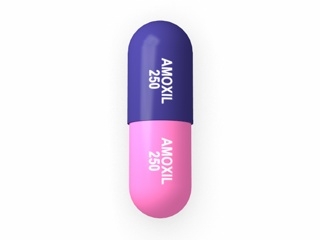
- Common formulations (may vary): Tablets and oral suspensions (liquid). Strengths differ by product.
- How it’s taken: By mouth
- Onset: Many people start to feel better within 24–48 hours, but completing the full course is important.
How Amoxil works (mechanism of action)
Amoxicillin works by interfering with the way bacteria build their cell walls. It targets bacterial enzymes involved in “cross-linking” the cell wall structure. Without a strong cell wall, bacteria cannot survive and multiply.
Key point: Amoxil is active against susceptible bacteria. Some bacteria produce enzymes (called beta-lactamases) that can break down amoxicillin, making it ineffective in those cases.
Pharmacokinetics (how the body handles it)
When taken by mouth, amoxicillin is absorbed through the stomach and intestines. Its levels in the body depend on dose, the exact formulation, and individual factors.
- Absorption: Generally good after oral dosing.
- Distribution: Reaches many tissues and body fluids; therapeutic concentrations can be present where infections occur.
- Metabolism: Limited metabolism.
- Elimination: Mainly excreted via the kidneys.
Kidney function matters: If you have reduced kidney function, your clinician may adjust dose or dosing intervals to avoid excessive drug levels.
Typical uses in the UK
Amoxicillin may be used for infections caused by susceptible bacteria, for example:
- Ear, nose and throat infections (such as some cases of otitis media or sinusitis, depending on local guidance and bacterial susceptibility)
- Dental infections (in some circumstances, often alongside dental assessment)
- Chest infections (only when bacterial infection is suspected/confirmed and appropriate)
- Urinary tract infections (UTIs) (in selected cases based on organism and sensitivity)
- Skin and soft tissue infections (depending on severity and likely organism)
Which infections it’s suitable for depends on symptoms, examination findings, and local antibiotic guidance. Always use the medicine for the condition it was chosen for.
When to take it and for how long
Timing matters for antibiotics: Keeping a regular dosing schedule helps maintain effective levels in the body.
- Common schedules: often 2–3 times daily depending on the infection and the prescribed plan.
- Try to take doses evenly spaced: for example, if it’s 3 times daily, aim for morning/afternoon/evening.
- Finish the course: even if you feel better, completing treatment helps prevent relapse and reduces the risk of antibiotic resistance.
If you miss a dose, see the FAQ section for practical advice.
Food interactions and whether you can take it with meals
Amoxicillin can usually be taken with or without food. Food does not typically prevent it from working, and taking it with food may help reduce stomach upset for some people.
- If your stomach feels unsettled: consider taking it with a meal or snack.
- Liquid form: follow the mixing and measuring instructions carefully for the correct dose.
Tip: Drink water with each dose unless your clinician has advised fluid restriction.
Alcohol and medicine interactions
Alcohol: Moderate alcohol intake is not always strictly prohibited with amoxicillin, but drinking alcohol while you’re ill may worsen dehydration, sleep, and recovery. It can also make side effects feel stronger.
Practical advice:
- Prefer to avoid alcohol during treatment, especially if you’re unwell.
- Seek advice if you have liver disease or you experience unusual symptoms.
Other medicine interactions (common considerations):
- Allopurinol: may increase the chance of skin rash when combined with amoxicillin.
- Oral anticoagulants (e.g., warfarin): some antibiotic use may affect blood clotting control. If you take an anticoagulant, you may need extra monitoring (commonly via INR checks).
- Oral contraceptives: most guidance indicates antibiotics like amoxicillin do not reliably reduce contraceptive effectiveness. However, if you have vomiting or severe diarrhoea, contraceptive protection may be reduced—use additional contraception and follow relevant guidance.
- Other antibiotics: avoid mixing antibiotics unless advised; using two antibiotics together may not be necessary.
This is not a complete list. Always tell your pharmacist or clinician about all medicines and supplements you’re taking, including over-the-counter products.
Indications — what conditions it treats
Amoxil is indicated for infections caused by bacteria that are susceptible to amoxicillin. It is commonly used in primary and secondary care settings in the UK for certain ear, throat, dental, chest, skin, and urinary infections.
Deciding whether amoxicillin is appropriate may depend on:
- Symptoms and exam findings
- Local antibiotic resistance patterns
- Your medical history (including allergies)
- Whether a sample (e.g., urine or throat culture) has been taken
Not for viral illness: Amoxicillin does not treat flu or common cold symptoms. Antibiotic use when not needed contributes to resistance.
Dosing information (UK) — general guidance
Doses vary depending on the infection type, severity, age, weight (especially in children), and kidney function. The exact dosing instructions on your medicine pack should always be followed.
Common adult dosing patterns (examples; exact dose depends on the individual case):
- Some infections are treated with twice daily dosing (e.g., every 12 hours).
- Other infections may require three times daily dosing (e.g., every 8 hours).
Children typically receive weight-based dosing, often using an oral suspension. The correct dose is crucial.
Kidney impairment: You may need a lower dose or longer intervals if you have reduced renal function.
Practical dosing tips:
- Use a dosing measure for liquid medicines (a kitchen teaspoon may be inaccurate).
- Shake suspensions well if the label says to do so.
- Keep track of doses to ensure you complete the course.
If you’re unsure: contact a pharmacist for dosing instructions specific to your product strength and formulation.
Safety profile — who should take extra care
Who should not use amoxicillin
- People with a known allergy to amoxicillin, other penicillins, or any ingredient in the product.
- People who have previously had a severe allergic reaction (e.g., anaphylaxis) to beta-lactam antibiotics.
Warnings and precautions
- Allergic reactions: Watch for rash, itching, swelling (face/lips), wheezing, or difficulty breathing. Seek urgent help if symptoms of severe allergy occur.
- Diarrhoea: Mild stomach upset can happen. However, severe, persistent diarrhoea or diarrhoea with blood/mucus needs prompt medical advice.
- Thrush or fungal infections: Antibiotics can sometimes alter normal bacteria and allow yeast overgrowth.
- Skin reactions: Some rare serious skin reactions may occur. If you develop a widespread rash, blistering, or peeling skin, seek urgent medical attention.
- Co-existing infections: If symptoms worsen or do not improve after starting treatment, reassessment may be needed.
Common side effects
Many people experience few or mild side effects. Common effects include:
- Nausea
- Diarrhoea
- Skin rash
- Abdominal discomfort
When to seek urgent help
Get urgent medical advice if you experience:
- Signs of severe allergy: trouble breathing, swelling of the face/throat, severe hives
- Severe or watery diarrhoea, especially if it contains blood
- Fever with a widespread rash or blistering
- Persistent vomiting preventing you from keeping doses down
Practical use tips (to get the best results)
- Start promptly: begin as directed once you receive the medicine.
- Keep a schedule: use reminders if needed to avoid missed doses.
- Complete the full course: stopping early can allow infection to return.
- Hydration: drink fluids to support recovery, especially if you have fever or diarrhoea.
- Don’t share antibiotics: use only for the condition and person they were intended for.
- Check the suspension: if using liquid, confirm the correct preparation instructions (shake, measure, and store as advised).
Missed dose advice
If you miss a dose, take it as soon as you remember unless it is close to the time of your next dose. Do not take a double dose to make up for a missed tablet.
If you frequently miss doses, consider setting reminders or speaking with a pharmacist about ways to make dosing easier.
Alternative options to Amoxil
There are different antibiotics that may be considered depending on the infection type, severity, and likely bacteria. Choice also depends on allergies, local resistance, and previous antibiotic exposure.
Possible alternatives (examples):
- Other penicillins or beta-lactam antibiotics
- Cephalosporins (where appropriate and safe)
- Macrolides (for selected patients, especially with penicillin allergy—choice depends on infection)
- Doxycycline or other agents for specific conditions (not suitable for all infections)
Your pharmacist or clinician can advise which option is suitable. Avoid switching antibiotics without professional guidance.
Amoxil in the UK: market and legal context
In the UK, antibiotics are regulated medicines supplied under appropriate clinical frameworks. Antibiotic stewardship is strongly emphasised across the NHS to reduce unnecessary use and slow the development of antibiotic resistance.
For online pharmacy services, medicines are generally supplied in line with UK medicines legislation and service requirements, including proper patient assessment and safety checks where applicable. The goal is safe, appropriate use and the right treatment for the right infection.
Antibiotic stewardship matters: UK guidance commonly encourages:
- Careful diagnosis and “watchful waiting” in some mild infections
- Using narrow-spectrum antibiotics when suitable
- Reviewing treatment if there is no improvement
- Avoiding antibiotics for viral illnesses
Recent guidance and stewardship considerations
Across the UK, recent and ongoing guidance from health authorities stresses that antibiotic prescribing should be:
- Evidence-based: based on clinical assessment and expected bacterial cause
- Targeted: using appropriate drug choice and duration
- Reviewed: reassessing if symptoms do not improve
- Reduced when unnecessary: supporting shorter courses or watchful waiting when appropriate
Always follow the advice given to you at the time of starting treatment, including expected review points and symptom red flags.
Delivery and availability (UK)
Availability of Amoxil and its presentation (for example, tablets versus oral suspension) can vary by strength and formulation. In an online pharmacy, stock may be subject to change based on manufacturer supply, demand, and logistics.
Delivery expectations:
- Delivery options and timescales are typically shown during checkout.
- Medicines are usually packed to protect them during transit.
- Some products may require specific storage (e.g., liquids may have refrigeration instructions after reconstitution—always check the label).
Storage advice:
- Store tablets and capsules according to the pack (often at room temperature, away from moisture and heat).
- Follow suspension storage instructions precisely after preparation.
- Keep out of the reach of children.
FAQ
1) How soon will I feel better?
Many people notice improvement within 24–48 hours. If symptoms are not improving after this time, or they get worse, seek advice for reassessment.
2) Can I take Amoxil with food?
Yes. Amoxicillin is usually taken with or without food. If it upsets your stomach, taking it with a meal can help.
3) What if I miss a dose?
Take the missed dose as soon as you remember. If it’s nearly time for the next dose, skip the missed one. Do not double up to make up for it.
4) Is it safe with alcohol?
Small amounts of alcohol may not cause direct interactions for many people, but alcohol can make you feel worse while you are ill. It’s often best to avoid alcohol during treatment.
5) What should I do if I get diarrhoea?
Mild diarrhoea can occur. However, if diarrhoea is severe, persistent, or contains blood or mucus, contact a healthcare professional promptly. This is particularly important if it starts during treatment or soon after.
6) Can I take Amoxil if I have a penicillin allergy?
If you have a known allergy to penicillins or amoxicillin, do not take it unless a clinician has specifically advised a safe alternative approach.
7) Will Amoxil affect oral contraceptives?
Antibiotics like amoxicillin are not generally believed to reliably reduce contraceptive effectiveness. If you have vomiting or severe diarrhoea, contraceptive protection may be reduced—use additional contraception and follow relevant advice.
8) How should I store the liquid suspension?
Storage instructions can differ depending on whether it’s a reconstituted suspension and the product instructions. Follow the label carefully, including shaking and refrigeration guidance if stated.
9) Can I stop early once I feel better?
It’s important to complete the full course as instructed. Stopping early can allow bacteria to survive and cause the infection to return.
10) What if the infection doesn’t improve?
If your symptoms do not improve or worsen, seek advice. The cause may be resistant bacteria, a different organism, or a non-bacterial condition that needs a different approach.
Summary
Amoxil (amoxicillin) is a penicillin antibiotic used to treat infections caused by susceptible bacteria. It works by disrupting bacterial cell wall formation. It can often be taken with or without food, with mild side effects possible such as nausea or diarrhoea. Most people begin to feel better within a couple of days, but it’s important to complete the full course and to seek advice if symptoms do not improve or if serious side effects occur.
If you have questions about how to take your specific product, your local pharmacist can provide guidance based on your formulation strength, age, and medical history.