

Doxycycline (Antibiotic) – Patient-Friendly Guide (UK)
Doxycycline is a widely used antibiotic belonging to the tetracycline group. It is used to treat a range of bacterial infections and is also commonly prescribed for specific conditions where prevention or long-term control is helpful. This guide explains how doxycycline works, how it behaves in the body, typical uses, dosing considerations, food and alcohol interactions, and practical tips for safer, more effective use in the United Kingdom.
Note: Different strengths and formulations exist (for example, tablets or capsules). Always follow the instructions that come with your particular product.
Basic product information
- Generic name: Doxycycline
- Drug class: Tetracycline antibiotic
- Common strengths: Typically 100 mg (varies by product)
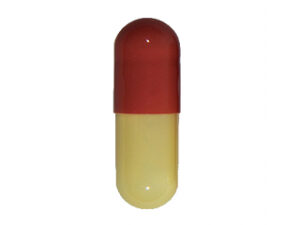
- Forms: Tablets/capsules (formulations may differ)
- How it’s usually taken: By mouth with water
- Who it suits: Adults and certain age groups depending on local guidance and clinical judgement
In the UK, doxycycline is available through prescription-only channels and may be used in both routine treatment and specific prevention strategies under medical supervision.
How doxycycline works (mechanism of action)
Doxycycline works by stopping bacteria from making the proteins they need to grow and multiply.
- Doxycycline binds to the bacterial 30S ribosomal subunit.
- This interferes with protein synthesis.
- The result is bacteriostatic activity (it prevents bacteria from multiplying), giving the immune system time to clear the infection.
Importantly, doxycycline is effective against certain bacteria and is chosen based on likely causes of infection, local resistance patterns, and the specific condition being treated.
Pharmacokinetics (how the body handles doxycycline)
Understanding how doxycycline is absorbed and cleared can help you take it correctly.
| Topic | What typically happens |
|---|---|
| Absorption | Usually well absorbed after oral use. Absorption can be reduced by certain minerals (e.g., iron, calcium, magnesium) and some foods. |
| Distribution | Distributes into many tissues and fluids. It can penetrate sites of infection where doxycycline is appropriate. |
| Metabolism | Limited metabolism compared with some other antibiotics. |
| Excretion | Excreted through both the kidneys and the bile/intestine. This means clearance is not purely dependent on kidney function. |
| Half-life | Generally supports once or twice-daily regimens depending on the indication and formulation. |
Typical uses (indications)
Doxycycline is used for a variety of bacterial infections and specific conditions. Examples include:
- Acne: Certain cases may be treated with doxycycline as part of acne management.
- Respiratory and ENT infections: Depending on the suspected bacteria and local guidance.
- Skin infections: Including some bacterial skin conditions where doxycycline is suitable.
- Urinary and other infections: For select bacterial causes as advised by a clinician.
- Sexually transmitted infections (STIs): Used in appropriate circumstances, including certain infections transmitted sexually.
- Tick-borne infections: Used in selected cases and, in some settings, for prevention after exposure.
- Chlamydia or other susceptible organisms: In selected circumstances according to guidelines and testing results.
Why this matters: Doxycycline is not effective against viral illnesses such as common colds or flu. Using antibiotics only when they are likely to help reduces side effects and helps prevent antibiotic resistance.
Timing: when to take doxycycline
How you space your doses can affect both effectiveness and side effects.
- Take at regular intervals (for example, morning and evening for a twice-daily regimen).
- Use plenty of water and stay upright for a short time after swallowing (see “Practical use tips”).
- If you miss a dose, take it when you remember unless it is near the time of the next dose. Do not double up.
Consistency helps: Try to take doses at the same times each day.
Food interactions: what to eat and drink
Doxycycline can be taken with food if it upsets your stomach. However, certain substances can reduce absorption.
What is usually okay
- Most meals: Food generally does not significantly interfere, though heavy meals may affect how quickly it starts working.
- Milk or yogurt: These contain calcium; dairy can interfere with absorption in some people. If you notice reduced effect or are advised to avoid interference, separate doses from dairy.
- Simple snacks: If you need to take it with food to reduce nausea, choose light foods.
Be cautious with these (separate dosing)
- Iron supplements
- Calcium supplements
- Magnesium-containing antacids
- Zinc supplements
- Some multivitamins (especially those containing minerals)
Practical spacing: A common approach is to separate doxycycline from mineral-containing products by at least 2 hours before or 4–6 hours after (your product instructions may specify a different interval). Ask a pharmacist if you are unsure.
Alcohol interactions
Alcohol may not have a direct chemical interaction with doxycycline in the way some antibiotics do, but it can increase the likelihood of side effects such as:
- Stomach irritation (nausea, indigestion, abdominal pain)
- Dizziness or feeling unwell
- Diarrhoea in some people
Patient-friendly advice: It’s generally best to keep alcohol to a minimum while you are taking antibiotics, especially if you have a sensitive stomach or experience side effects.
Interactions with other medicines
Doxycycline can interact with some medicines, potentially affecting absorption or increasing side effects.
Medicines that may reduce doxycycline effect
- Antacids and mineral products containing calcium, magnesium, aluminium, iron, or zinc
- Some ulcer treatments may indirectly affect stomach conditions; check specific product instructions
- Enzyme-inducing medicines (some anti-seizure medicines and other drugs) can reduce doxycycline levels
Medicines where increased caution may be needed
- Warfarin (blood thinner): may affect bleeding tendency in some cases—monitoring may be needed
- Retinoids (vitamin A derivatives such as isotretinoin/related medicines): combining can increase risk of severe headaches/raised pressure effects
- Other antibiotics: choosing combination therapy depends on the infection; not all combinations are beneficial
- Oral contraceptives: while the evidence is mixed, severe diarrhoea/vomiting from any cause can reduce absorption—use extra contraception if gastrointestinal side effects occur
Always check: Provide a full list of your medicines (including over-the-counter products and supplements) to your pharmacist, who can help check interactions for your specific regimen.
Dosing: how much is usually taken
Doxycycline dose varies by indication, patient factors, and formulation. A clinician will choose the appropriate regimen.
Common adult dosing patterns include:
- 100 mg once or twice daily, depending on the condition and local guidance
- Some conditions may require a different schedule or duration
Course length: Many antibiotic courses last 5–14 days, but it can be shorter or longer depending on the infection and response. Do not stop early just because you feel better—finishing the intended course helps reduce relapse.
Children: Doxycycline use in children is determined by age and clinical judgement. If you are considering doxycycline for a child, speak with a healthcare professional promptly for guidance.
Kidney and liver considerations: Doxycycline is often preferred when kidney function is reduced because it is not solely cleared by the kidneys. However, dose adjustments and caution may still apply in liver disease or other special situations.
Safety profile: side effects and when to seek help
Most people tolerate doxycycline well, but like all medicines it can cause side effects.
Common side effects
- Nausea
- Indigestion / stomach upset
- Diarrhoea
- Headache
- Vaginal yeast infection (in some people)
- Sensitivity to sunlight (photosensitivity)
Serious but less common warnings
- Severe allergic reaction: swelling of face/lips, difficulty breathing, or widespread rash
- Severe skin reactions: blistering, peeling skin, or sores in the mouth/eyes
- Persistent or severe diarrhoea: especially with blood or fever (possible antibiotic-associated colitis). Seek urgent advice.
- Severe or persistent headache with vision changes: this can rarely relate to increased pressure around the brain
- Difficulty swallowing or chest pain: can indicate oesophageal irritation
- Yellowing of skin/eyes or dark urine: possible liver-related issues
Seek urgent medical help if you have signs of an allergy, severe rash, breathing difficulties, or severe diarrhoea.
Practical use tips (to improve comfort and reduce risks)
- Take with a full glass of water (at least 200 ml).
- Stay upright for at least 30 minutes after taking a tablet/capsule to reduce the risk of irritation to the oesophagus.
- Avoid lying down immediately after swallowing.
- Sun protection: doxycycline can make your skin more sensitive to sunlight. Use SPF, wear protective clothing, and avoid sunbeds.
- Managing nausea: take with food if needed. Avoid very fatty meals if they worsen symptoms.
- Finish the course: even if you feel better, unless you are instructed to stop.
- Hydration: drink water regularly, especially if you experience diarrhoea.
Alternative options
When doxycycline is not suitable—because of allergy, interaction risks, resistance patterns, intolerance, or pregnancy planning—clinicians may consider alternative antibiotics depending on the infection type and local guidance.
Common alternatives (examples only) may include:
- Amoxicillin or co-amoxiclav for certain respiratory/ENT or skin infections
- Clarithromycin or azithromycin for select infections
- Trimethoprim/sulfamethoxazole for specific susceptible infections
- Metronidazole used for anaerobic infections (often as part of combination therapy)
Choosing an alternative depends on the diagnosis: the most appropriate option varies widely, so speak to a clinician or pharmacist about the best match for your specific condition.
Market and legal context in the United Kingdom
In the UK, doxycycline is an antibiotic and is regulated within the medicines framework. Antibiotics are prescription-only medicines for most uses, supporting appropriate selection, correct dosing, and stewardship (to help combat antibiotic resistance).
Online medicine services should operate in line with UK regulations and ensure patients are correctly advised on safe use, appropriate product selection, and interaction checks.
Antibiotic stewardship: UK guidance emphasises using antibiotics appropriately—right drug, right dose, right duration—to improve outcomes and reduce resistant bacteria.
Recent guidance (UK context)
While individual treatments depend on the clinical scenario, UK practice commonly follows:
- NICE and other national guidance where available for particular infections
- Local antimicrobial stewardship programmes that update preferred options based on resistance
- Public Health guidance for infections where prevention is considered (for example, certain tick exposures in relevant areas)
If you have questions about whether doxycycline remains the best choice for your condition, a clinician or pharmacist can explain how your local guidance and test results influence the plan.
Delivery and availability (online pharmacy)
Availability of doxycycline can vary by supplier and strength. When ordering online within the UK, you can usually expect:
- Clear product details (strength, form, and manufacturer)
- Standard delivery options with estimated dispatch and delivery timeframes
- Temperature and storage guidance in line with the product information
- Secure packaging and protection of tablets/capsules
Dispatch times: Some orders may dispatch the same day if stock is available; others may take longer if sourced from a different warehouse. Delivery estimates are typically shown at checkout.
Storage: Keep tablets/capsules in their original packaging, away from excessive heat and moisture, and out of reach of children.
Food and timing checklist (quick reference)
- Take regularly at the times advised.
- Use plenty of water; remain upright for at least 30 minutes.
- Avoid taking at the same time as iron, calcium, magnesium, or zinc supplements.
- If you feel nauseated, take with food.
- Limit alcohol and protect yourself from sunlight.
FAQ – Doxycycline in the UK
1) What is doxycycline used for?
Doxycycline is used to treat certain bacterial infections and other specific conditions where it is appropriate, such as some skin conditions (including acne), respiratory/ENT infections, and selected STIs and tick-borne exposures depending on the situation and guidance.
2) How quickly will I feel better?
Many people start to feel improvement within 24–72 hours, but this varies by infection and severity. If symptoms are not improving after a few days, or they worsen, seek advice promptly.
3) Can I take doxycycline with milk?
Dairy can contain calcium and may reduce absorption in some cases. If your product instructions allow it or you need to take it with food to reduce nausea, you can often manage with careful timing. For best absorption, separate doxycycline from high-calcium products when possible.
4) Should I avoid sun while on doxycycline?
Yes. Doxycycline can cause photosensitivity. Use SPF, cover up in strong sunlight, and avoid sunbeds.
5) What if I miss a dose?
Take it as soon as you remember unless it’s close to the time for the next dose. Do not take a double dose. If you’re unsure, ask a pharmacist.
6) Can doxycycline cause diarrhoea?
Yes, diarrhoea is a relatively common side effect. However, severe, persistent, or bloody diarrhoea (or diarrhoea with fever or severe abdominal cramps) should be assessed urgently.
7) Is it safe to drink alcohol?
It’s best to keep alcohol to a minimum. Alcohol may worsen stomach irritation and other side effects. If you notice increased nausea or diarrhoea, avoid alcohol until you’re well.
8) Can I take doxycycline with painkillers?
In many cases, common painkillers are compatible. Still, check the labels and consider pharmacist advice, especially if you take multiple medicines or have ongoing medical conditions.
9) Does doxycycline affect contraception?
Some guidance suggests that doxycycline itself may not substantially reduce effectiveness of oral contraceptives, but vomiting or severe diarrhoea can reduce absorption of contraceptive pills. If you experience significant gastrointestinal upset, use additional contraception (e.g., condoms) and consult advice.
10) Who should not take doxycycline?
People with known allergy to tetracyclines should avoid it. Use in pregnancy or breastfeeding, and in children, depends on specific clinical circumstances and guidance. If you are pregnant, planning pregnancy, or breastfeeding, seek prompt advice from a healthcare professional.
When to contact a healthcare professional
Contact a clinician or pharmacist if you experience:
- Signs of allergy (rash, swelling, difficulty breathing)
- Severe or persistent diarrhoea
- Severe skin reactions or blistering
- Difficulty swallowing or chest pain
- Severe headache with vision changes
- Yellowing of skin/eyes or dark urine
Remember: Doxycycline works best when taken correctly and for the intended duration. If you are unsure about interactions (such as supplements or antacids) or how to take your specific brand/formulation, ask a pharmacist for advice before starting.