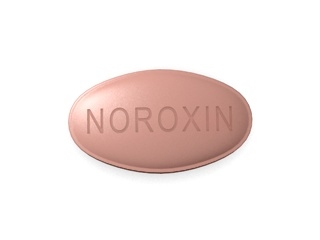
Noroxin (Norfloxacin) – Patient Information (UK)
Noroxin contains norfloxacin, an antibiotic from the quinolone (fluoroquinolone) group. It is used to treat certain bacterial infections. This page explains how Noroxin works, how it is taken, key safety information, and practical tips for use in the United Kingdom.
Important: Antibiotics work against bacteria, not viruses. Do not use Noroxin for viral illnesses such as colds or flu. If you are unsure whether your symptoms are suitable for antibiotic treatment, speak to a healthcare professional.
Basic product information
- Medicine name: Noroxin
- Active ingredient: Norfloxacin
- Medicine class: Antibiotic (quinolone / fluoroquinolone)
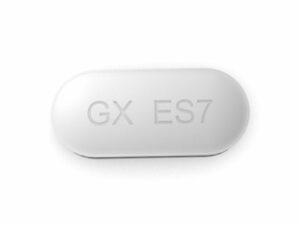
- Common formulations: Tablets (strengths vary by product/market)
- Who it is for: Adults for specific bacterial infections
Where it may be used: In the UK, norfloxacin is mainly associated with certain urinary tract infections and similar conditions, but availability and local prescribing practices can vary.
How Noroxin works (mechanism of action)
Norfloxacin kills bacteria by interfering with essential bacterial enzymes needed for DNA replication:
- DNA gyrase (topoisomerase II) inhibition
- Topoisomerase IV inhibition
This leads to DNA damage and prevents the bacteria from multiplying, allowing your immune system to clear the infection.
Why timing matters: Antibiotics are most effective when taken consistently and at the correct intervals, so the drug concentration remains high enough to inhibit bacterial growth.
Pharmacokinetics (how the body handles norfloxacin)
Pharmacokinetics describes absorption, distribution, metabolism and elimination.
- Absorption: Norfloxacin is absorbed from the gastrointestinal tract. Absorption can be reduced by some minerals (especially iron and zinc), and by products containing certain divalent cations.
- Distribution: It distributes into body fluids, including urinary tract tissues and urine.
- Elimination: Norfloxacin is largely eliminated via the kidneys, contributing to its usefulness for urinary infections.
- Renal clearance: If kidney function is reduced, medicine levels can rise—dose adjustments may be necessary.
Practical takeaway: Because norfloxacin is used in part for urinary tract infections, maintaining the right dosing schedule and avoiding interaction with minerals can help ensure effectiveness.
Typical use and timing
Norfloxacin is used for specific types of bacterial infections, most commonly involving the urinary tract. The exact treatment plan depends on the likely bacteria, local resistance patterns, your medical history and kidney function.
Typical course length: Courses vary by indication and severity. Some urinary infections may be treated for short periods; others require longer treatment. Always follow the schedule given by your healthcare professional.
When to take doses
- Take Noroxin at evenly spaced times as directed (for example, morning and evening, or at a specific interval).
- If you miss a dose, take it when you remember if it is close to the next dose time—do not double up unless advised.
- Complete the full course unless told to stop.
Indications (when Noroxin may be used)
Norfloxacin may be prescribed for infections where it is considered appropriate based on bacterial susceptibility and the infection location. Common indications include:
- Uncomplicated urinary tract infections (UTIs) in certain clinical scenarios
- Some forms of complicated UTIs or prophylaxis in specific circumstances (as determined by clinicians)
- Other susceptible bacterial infections where the organism is known or strongly suspected to be sensitive
Resistance note: Fluoroquinolone antibiotics can be affected by bacterial resistance. Treatment selection in the UK is influenced by local guidance and microbiology results when available.
Dosing overview
Doses must be individualised. Your prescriber will decide the right dose and duration based on factors such as infection type, severity, kidney function and risk factors.
Important: The information below is a general dosing overview and not a substitute for clinician advice.
| Situation | General approach | Key considerations |
|---|---|---|
| Most adult urinary infections | Regular doses spaced across the day (commonly twice daily in practice, depending on regimen) | Maintain spacing; avoid interactions with minerals |
| Kidney impairment | Dose may be reduced or interval adjusted | Extra caution; follow clinician instructions |
| Short-course vs longer-course | Duration varies by infection and severity | Complete the course even if you feel better |
Food interactions and absorption tips
Food can affect how much norfloxacin is absorbed. In many cases, patients are advised to take norfloxacin on a schedule that avoids certain foods or minerals that can bind the medicine.
Common food-related interactions
- Dairy products and calcium-rich foods: may reduce absorption if taken at the same time as the tablet.
- Iron, zinc, magnesium supplements: can bind the antibiotic in the gut and decrease absorption.
- Antacids containing aluminium or magnesium: may interfere.
Practical timing approach
- Take Noroxin at the prescribed times and separate it from supplements/antacids (for example by several hours) unless your healthcare professional advises otherwise.
- Keep a consistent routine day to day to help maintain effectiveness.
If you need to take supplements: Ask a pharmacist how to space them. Examples include iron tablets, zinc preparations, multivitamins and some digestive medicines.
Alcohol and medicine interactions
Alcohol: While norfloxacin is not typically listed as having a direct interaction with alcohol, drinking alcohol can still increase the risk of side effects such as dizziness, nausea or headache. It may also reduce your ability to rest and recover.
Best advice: If you are taking Noroxin, consider avoiding alcohol or limiting it during treatment, especially if you feel unwell or experience side effects.
Other medicines that may interact
Certain medicines may change Noroxin levels in the body or increase side effects. Tell your healthcare professional about all medicines you use, including:
- Warfarin and other blood thinners: quinolones can increase bleeding risk in some people.
- Corticosteroids (e.g., prednisolone): may increase risk of tendon problems in certain patients.
- Anti-arrhythmics and other medicines that can affect heart rhythm: fluoroquinolones may affect the QT interval in some patients.
- Theophylline: may interact and increase risk of side effects.
- Probenecid: may alter norfloxacin elimination.
- Mineral supplements/antacids (iron, zinc, magnesium, aluminium): reduce absorption.
Herbal and over-the-counter products: Always check labels and ask a pharmacist—some preparations can contain minerals or ingredients that influence absorption.
Safety profile: important warnings and side effects
Like all antibiotics, Noroxin can cause side effects. Many are mild and temporary, but some effects require prompt medical attention.
Seek urgent medical help if you develop
- Allergic reaction: swelling of face/lips, difficulty breathing, or widespread rash.
- Tendon pain or inflammation: especially Achilles pain, swelling or difficulty walking. Stop the medicine and seek advice urgently if tendon symptoms occur.
- Severe diarrhoea (especially watery or bloody) or persistent diarrhoea with fever or abdominal cramps.
- Severe or persistent nervous system symptoms: confusion, hallucinations, fainting, severe dizziness.
- Unusual heart symptoms: palpitations, fainting, severe dizziness (rare).
- Signs of liver issues: yellowing of skin/eyes, dark urine, severe fatigue.
Common side effects
- Nausea, stomach upset, abdominal discomfort
- Headache
- Dizziness
- Vaginal irritation or discharge (in some people)
- Temporary changes in bowel habits
Less common but important
- Skin reactions including rash or sensitivity to sunlight (photosensitivity)
- Muscle or joint pain
- Effects on mood or sleep
Who should use extra caution?
- People with a history of tendon disorders or prior fluoroquinolone-related tendon injury
- Those taking corticosteroids
- People with kidney impairment
- Those with a history of heart rhythm problems or other factors increasing QT prolongation risk
- Individuals with conditions that increase risk of seizures
Practical use tips for better outcomes
- Start promptly: Begin the course as directed so treatment can take effect early.
- Take with water: Use a full glass of water unless instructed otherwise.
- Avoid mineral clashes: Separate Noroxin from iron, zinc, magnesium and antacids.
- Keep hydrated: Adequate fluid intake can support urinary comfort.
- Complete the course: Even if symptoms improve, bacteria may remain.
- Do not share medicine: Antibiotics are selected for specific infections and people.
- Monitor symptoms: If symptoms worsen or do not improve within the expected time, seek advice.
- Protect skin from sun: If you get sunburn easily, avoid strong sunlight and sunbeds during treatment.
Alternative options (what may be used instead)
Alternative antibiotics depend on the suspected organism, your medical history, allergies, local resistance patterns and kidney function. For urinary infections, other options may include:
- Nitrofurantoin
- Trimethoprim (where appropriate and sensitive)
- Amoxicillin or co-amoxiclav in selected cases
- Other targeted antibiotics guided by urine culture results
Non-antibiotic supportive care: Pain relief (e.g., paracetamol), hydration and symptom management may help while treatment works. However, urinary symptoms can sometimes indicate conditions requiring prompt evaluation (such as kidney infection).
Allergy considerations: If you have a history of allergic reactions to antibiotics, inform a pharmacist or clinician before starting Noroxin.
UK market and legal context (general)
In the United Kingdom, antibiotics are regulated medicines and access is designed to ensure safe and appropriate use. Treatment decisions are guided by national and local antimicrobial stewardship to help reduce antibiotic resistance. Guidance may evolve based on emerging evidence and resistance patterns.
Antimicrobial stewardship matters: Using the narrowest appropriate antibiotic for the shortest effective duration helps protect future treatment options.
Recent guidance and awareness (high-level)
Fluoroquinolone antibiotics have been subject to ongoing safety updates internationally, focusing on risks such as tendon injury, nerve effects, and effects on heart rhythm in vulnerable patients. UK prescribing practices often consider these risks and reserve specific antibiotics for situations where benefits outweigh risks.
What this means for you: If Noroxin is chosen, it is typically because it is considered suitable for your infection and the likely bacteria. Do not ignore early warning symptoms such as tendon pain, numbness, tingling, severe dizziness, or severe diarrhoea.
Delivery and availability (online pharmacy)
Availability can vary by supplier and product pack size. When ordering online in the UK:
- Stock status: Some products may show “in stock” or “out of stock” depending on demand.
- Packaging: Items are typically dispatched in protective packaging to prevent damage.
- Delivery times: Delivery speed depends on the courier service and your location within the UK.
- Storage: Follow the storage instructions on the pack (commonly store at room temperature away from moisture and excessive heat).
If you require urgent treatment: Contact the pharmacy service to confirm delivery options. Delays in starting antibiotics can affect recovery if treatment is truly needed.
FAQ: Frequently asked questions
1) What is Noroxin used for?
Noroxin (norfloxacin) is an antibiotic used for certain bacterial infections, most commonly urinary tract infections in selected situations where the likely bacteria are susceptible.
2) How soon will I feel better?
Many people begin to feel improvement within 24–48 hours. If symptoms are not improving or are worsening after this time, contact a healthcare professional for review.
3) Can I take Noroxin with food?
Food can affect absorption. Follow the instructions on the pack or from your healthcare professional. If you are advised to take it away from meals or away from specific foods (such as calcium-rich items), it is best to follow that guidance closely.
4) What medicines should I avoid while taking Noroxin?
Be cautious with medicines that can interact with fluoroquinolones or affect absorption. Particularly watch for:
- Iron, zinc, magnesium, aluminium-containing antacids
- Blood thinners such as warfarin
- Some heart rhythm medicines
- Corticosteroids
Always check with a pharmacist if you are unsure.
5) Is it safe to drink alcohol?
It’s best to limit alcohol while you’re on Noroxin, as alcohol can worsen side effects such as nausea or dizziness and can make recovery slower. If you choose to drink, do so cautiously and avoid if you feel unwell.
6) Can I take Noroxin with dairy?
Dairy and calcium-rich products may reduce absorption when taken close together. If possible, separate Noroxin from dairy by a few hours unless your clinician/pharmacist advises otherwise.
7) What should I do if I miss a dose?
Take it as soon as you remember unless it is close to your next dose time. Do not take a double dose. If you are uncertain, ask a pharmacist.
8) Are there long-term risks?
Most people tolerate antibiotics without long-term issues, but fluoroquinolones can have rare, serious side effects. Report any concerning symptoms promptly—especially tendon pain, nerve symptoms (tingling/numbness), severe diarrhoea, or heart-related symptoms.
9) When should I stop and seek advice?
Seek urgent help if you develop signs of allergy, severe diarrhoea, tendon pain, severe nervous system symptoms, fainting, or signs of severe skin or liver reactions.
10) What if my symptoms come back after finishing treatment?
Return of symptoms may indicate incomplete clearance, resistant bacteria, reinfection, or a different diagnosis. Contact a healthcare professional—don’t restart antibiotics without advice.
Summary
Noroxin (norfloxacin) is a quinolone antibiotic used for certain bacterial infections, especially specific urinary tract infections. It works by blocking key bacterial DNA enzymes, and it is eliminated largely through the kidneys. Effectiveness depends on taking it consistently, spacing doses appropriately, and avoiding absorption-interfering products such as iron, zinc, antacids containing aluminium or magnesium, and some mineral-rich foods.
If you experience serious side effects—such as allergic reactions, tendon pain, severe diarrhoea, or nerve symptoms—seek medical attention immediately. If symptoms do not improve within the expected timeframe, request clinical review.