
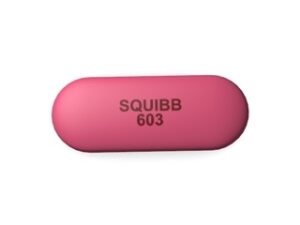
Cephalexin (Cephalexin Monohydrate) — Patient Information for the UK
Cephalexin is a widely used antibiotic in the UK, belonging to the cephalosporin family. It is used to treat certain bacterial infections and is designed to stop bacteria from growing. This page explains how Cephalexin works, how it is typically taken, what to expect, and key safety information.
Always follow the instructions provided with your medicine, including the dose and how often to take it. If you are unsure, speak to a healthcare professional or pharmacist.
Basic Product Information
| Feature | What to expect (general) |
|---|---|
| Medicine name | Cephalexin |
| Medicinal class | Antibiotic (cephalosporin) |
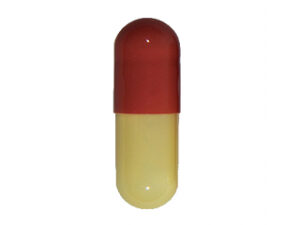
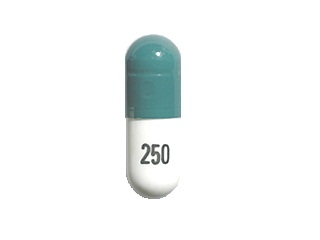
| Common forms | Tablets/capsules and liquid formulations may be available depending on manufacturer |
| How it’s taken | Usually by mouth |
| Typical pattern | Often taken several times a day (frequency varies by indication) |
| Common uses | Skin infections, throat/tonsil infections, urinary tract infections (UTIs), and others caused by susceptible bacteria |
How Cephalexin Works (Mechanism of Action)
Cephalexin works by interfering with bacterial cell wall formation. Bacteria need a strong cell wall to survive and multiply. Cephalexin binds to penicillin-binding proteins (PBPs), which are involved in building and strengthening the cell wall.
By disrupting this process, cephalexin causes bacterial cells to weaken and eventually die. The medicine is most effective against bacteria that are susceptible to its action.
Important: Antibiotics such as cephalexin do not treat viral infections (for example, colds or flu).
Pharmacokinetics (What the Body Does to the Medicine)
Pharmacokinetics describes how the body absorbs, distributes, metabolises, and eliminates a medicine. While specific values vary by formulation and individual patient factors, cephalexin generally shows the following pattern:
- Absorption: Cephalexin is absorbed from the stomach and intestines after oral dosing.
- Distribution: It distributes into body fluids and tissues to reach sites where susceptible bacteria may be present.
- Metabolism: Cephalexin is not extensively metabolised in the body.
- Elimination: It is largely cleared by the kidneys, so kidney function can affect how quickly it leaves the body.
This is one reason why your dose and frequency may differ if you have kidney problems.
Typical Use in the UK (Indications)
Cephalexin is used for infections where bacteria are known or suspected to be susceptible. In everyday UK practice, it may be prescribed for conditions such as:
- Skin and soft tissue infections (e.g., infected wounds, cellulitis in selected cases)
- Infections of the ear, nose and throat (e.g., certain throat infections, tonsillitis, otitis media)
- Urinary tract infections (UTIs) caused by susceptible bacteria
- Bone and joint infections in certain circumstances, based on specialist advice
- Dental or other localized bacterial infections depending on assessment
The exact choice of antibiotic depends on your symptoms, examination findings, local prescribing guidance, and sometimes allergy history or test results.
When to Take Cephalexin (Timing and Routine)
Cephalexin is typically taken at regular intervals to maintain effective levels in the body. A common approach is several times per day, depending on the prescribed regimen.
- Take it at evenly spaced times across the day.
- Try to be consistent (e.g., morning, afternoon, evening, and/or bedtime as directed).
- Complete the full course even if you feel better, unless a clinician advises you otherwise.
Missing a dose: If you forget a dose, take it as soon as you remember unless it is near your next dose. Do not take a double dose to make up for a missed one.
Food and Cephalexin: Interactions and Absorption
Cephalexin can generally be taken with or without food. Food may reduce stomach upset for some people. If you experience nausea, taking it with meals or a snack can help.
- With food: Often easier on the stomach.
- Without food: Some people tolerate it well, others may experience stomach discomfort.
In most cases, there are no major dietary restrictions specifically required for cephalexin. However, always check the leaflet supplied with your particular brand/formulation.
Alcohol and Cephalexin: Is It Safe to Drink?
Cephalexin is not commonly associated with a classic “disulfiram-like” reaction (as some antibiotics are). However, alcohol can still affect your recovery by:
- Worsening dehydration and slowing the healing process
- Increasing the risk of stomach upset, nausea, dizziness, or fatigue
- Potentially interfering with how well you can take doses on schedule
Practical advice: It’s best to limit alcohol while you are ill and taking antibiotics. If you choose to drink, do so in moderation and avoid binge drinking.
Medicine Interactions (Other Medicines to Consider)
Cephalexin may interact with certain medicines, or may require caution based on kidney function and other factors. Always tell your pharmacist or healthcare professional about all medicines you take, including over-the-counter products and herbal remedies.
Potential interaction examples
- Probenecid (used for gout): may reduce the kidney clearance of some antibiotics.
- Warfarin or other anticoagulants: cephalosporin antibiotics may affect gut flora and could increase the risk of bleeding in some people. Monitoring may be needed.
- Other antibiotics: depending on the specific combination, your clinician may advise against overlap.
- Medicines affecting kidney function: since cephalexin is cleared by the kidneys, kidney-related considerations may alter how it’s used.
Never start or stop medicines without advice if you are taking anticoagulants, have kidney disease, or are managing multiple long-term conditions.
Dosing: How Much and How Often?
Dosing depends on the type and severity of infection, age, kidney function, and local prescribing practice. Your regimen should be the one supplied with your medication.
General dosing principles
- Adults: Common adult dosing regimens may involve multiple doses per day (for example, four times daily in some indications), but exact dosing varies.
- Children: Doses are usually calculated by weight and adjusted by age and severity.
- Renal impairment: Your clinician may reduce the dose or adjust the schedule if kidney function is reduced.
- Duration: Courses can vary (often around 5–14 days depending on infection type and response).
Do not self-adjust the dose. If you believe the dose is incorrect or you’re experiencing side effects, contact a clinician or pharmacist.
Safety Profile: Side Effects and When to Get Help
Like all medicines, cephalexin can cause side effects. Many people experience none or only mild effects. If you have concerns, speak to your pharmacist or healthcare professional.
Common side effects
- Diarrhoea or loose stools
- Nausea, abdominal discomfort, indigestion
- Headache
- Rash (sometimes mild)
Less common but important
- Vaginal thrush or other fungal overgrowth
- Allergic reactions (from mild to severe)
Seek urgent medical advice if you develop
- Signs of severe allergy: swelling of the face/lips, difficulty breathing, wheezing, or collapse
- Severe or persistent diarrhoea, especially if watery or with blood/mucus, or if you have fever or significant abdominal pain (possible antibiotic-associated colitis)
- Severe skin reactions such as blistering, peeling, or widespread rash with fever
If you suspect a serious allergic reaction, call emergency services immediately.
Practical Use Tips (Make Treatment Easier and Safer)
- Set reminders on your phone to match the dosing schedule.
- Use a dosing aid (pill organiser) if you take multiple medications.
- For liquids: shake well if indicated and measure with an appropriate oral syringe/spoon.
- Keep taking it for the full course to reduce the risk of relapse or antibiotic failure.
- Stay hydrated—especially if you have fever, vomiting, or diarrhoea.
- Monitor symptoms: if symptoms worsen or do not improve within a couple of days, seek advice.
Antibiotic stewardship: Using antibiotics only when needed helps protect future effectiveness for you and others.
What to Expect: Response Time and Recovery
Many bacterial infections start to improve within 48–72 hours after starting an antibiotic, although this varies by condition. Contact a clinician promptly if:
- Symptoms worsen despite starting treatment
- You develop new severe symptoms
- You have persistent high fever
- You have recurrent symptoms after finishing a course
Alternative Options (Depending on the Infection and Your History)
The “best” alternative depends on the infection site, severity, likely bacteria, and antibiotic allergy history. In the UK, clinicians may consider other antibiotic classes where appropriate, such as:
- Other cephalosporins (if suitable for the organism and your allergy history)
- Penicillin-based antibiotics (where appropriate)
- Macrolides (e.g., for certain allergies or infection patterns)
- Different options for complicated infections or resistant organisms
Some infections may require further testing or specialist care. Don’t switch antibiotics on your own—seek advice to ensure the right treatment.
Market and Legal Context in the UK
Cephalexin is a regulated prescription-only antibiotic in the UK and is supplied under strict medicines regulations. Use is guided by UK antimicrobial stewardship principles to reduce resistance and improve patient outcomes.
UK prescribing is influenced by:
- Local and national antibiotic guidance (including stewardship programmes)
- Susceptibility patterns and resistance trends
- Individual patient factors (allergies, kidney function, severity)
If you are prescribed cephalexin, it is because a healthcare professional has judged it to be appropriate for your specific situation.
Recent Guidance and Antibiotic Stewardship Notes
In the UK, recent public health and clinical messaging continues to emphasise:
- Not using antibiotics for viral infections (e.g., most coughs and colds)
- Using the narrowest effective antibiotic and the shortest effective duration
- Improving diagnostics when needed to target treatment appropriately
- Completing prescribed courses unless advised otherwise
If you are concerned that an antibiotic is not working, it is important to seek advice rather than stopping early or changing dose without guidance.
Delivery and Availability in the UK
Cephalexin availability can vary by manufacturer and formulation. When ordering from an online pharmacy in the UK, delivery timelines may depend on stock levels and shipping method.
- Check availability: some strengths or liquid forms may have limited stock at times.
- Delivery options: typically standard and sometimes next-day or named delivery services may be offered where available.
- Temperature considerations: cephalexin products generally do not require refrigeration, but follow product label instructions.
If you need the medicine urgently, check the estimated delivery date at checkout or contact the pharmacy’s support team.
FAQ — Common Questions About Cephalexin
1) What infections does cephalexin treat?
Cephalexin is used for bacterial infections that are susceptible to it, such as certain skin infections, throat/ear/nose infections, and urinary tract infections, depending on local guidance and your clinical assessment.
2) How quickly should I feel better?
Many people begin to feel some improvement within 48–72 hours. If symptoms are worsening or not improving after this period, contact a healthcare professional for advice.
3) Can I take cephalexin with food?
Yes. It can usually be taken with or without food. Taking it with food may help if you get stomach upset. Follow the leaflet for your specific brand and formulation.
4) Is it okay to drink alcohol while taking cephalexin?
Cephalexin is not usually associated with a direct alcohol “reaction,” but alcohol may worsen side effects and slow recovery. It’s best to limit alcohol while you are ill and on treatment.
5) What should I do if I miss a dose?
Take it when you remember unless it’s close to your next dose. Do not take a double dose to catch up. If you’re unsure, ask a pharmacist.
6) Can I stop early if I feel well?
You should normally complete the course exactly as advised. Stopping early can increase the risk of symptoms returning and may contribute to antibiotic resistance.
7) What if I’m allergic to penicillin?
Allergy history matters. People with a past penicillin allergy may still tolerate some cephalosporins, but this depends on the type of allergy reaction and severity. Always discuss your allergy history with a healthcare professional before taking antibiotics.
8) What side effects are normal?
Mild gastrointestinal effects (such as nausea or diarrhoea) and mild rash can occur. Seek medical advice if diarrhoea is severe, persistent, or accompanied by fever or blood/mucus.
9) Does cephalexin affect contraception?
Antibiotics can rarely affect contraceptive effectiveness via effects on the gut, particularly if you have vomiting or severe diarrhoea. If you are unwell (vomiting/diarrhoea), consider using extra precautions and ask a pharmacist for tailored guidance.
10) Who should be extra cautious with cephalexin?
People with kidney impairment, a history of severe allergic reactions to antibiotics, or those taking medicines such as warfarin should be monitored carefully. Always inform your clinician or pharmacist about your full medicine list.
Further Help
If you have questions about cephalexin, side effects, or how to take it safely, your pharmacist is the best first point of contact. For urgent concerns—such as breathing difficulties, facial swelling, or severe diarrhoea—seek emergency medical help immediately.