Ciprofloxacin + Dexamethasone (Ciprofloxacin/Dexamethasone) — Patient Information (UK)
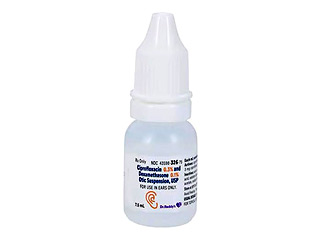
Ciprofloxacin/Dexamethasone is a combination medicine used in the treatment of certain eye and ear infections where both an antibacterial medicine and an anti-inflammatory steroid are needed. It contains:
- Ciprofloxacin — an antibiotic in the fluoroquinolone group
- Dexamethasone — a corticosteroid that helps reduce inflammation and swelling
This page explains how the medicine works, what it is used for, how to use it safely, and what to know about interactions and side effects—tailored for customers in the United Kingdom.
Basic Product Information
| Item | Details |
|---|---|
| Active ingredients | Ciprofloxacin + Dexamethasone |
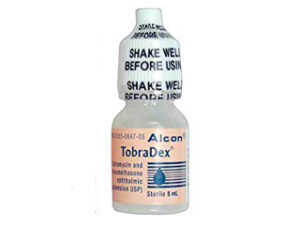
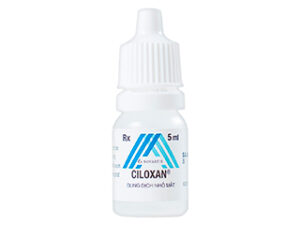
| Medicine type | Antibiotic + corticosteroid combination (formulation may be eye drops or ear drops depending on product) |
| Common uses | Inflammatory infections of the eye or ear that are susceptible to ciprofloxacin |
| How it works | Ciprofloxacin kills susceptible bacteria; dexamethasone reduces inflammation |
| Where it’s used | Ocular (eye) and/or otic (ear) conditions depending on the specific product |
| Availability | Availability and legal classification vary by formulation and strength in the UK |
Note: Different strengths and presentations exist. Always check the label for whether your product is for the eye or the ear.
How It Works (Mechanism of Action)
Ciprofloxacin is an antibiotic that works by interfering with bacterial DNA replication.
- It inhibits key bacterial enzymes involved in DNA copying (including DNA gyrase and topoisomerase).
- This prevents bacteria from multiplying, leading to bacterial cell death.
- It is active against many common bacteria that can cause eye/ear infections.
Dexamethasone is a corticosteroid.
- It reduces inflammatory chemicals and helps calm redness, swelling, itching, and discomfort.
- By lowering inflammation, it can also improve symptoms such as pain and irritation.
Why the combination? Some infections cause significant inflammation. Using both an antibiotic and an anti-inflammatory steroid can be helpful in selected conditions, but steroid use also requires careful consideration (see “Safety profile” below).
Pharmacokinetics (How the Body Handles It)
Pharmacokinetics describes how a medicine is absorbed, distributed, metabolised, and eliminated. For ciprofloxacin/dexamethasone combination products used in the eye or ear:
- Local action: The treatment primarily targets the site of infection/inflammation (eye or ear canal).
- Absorption: Some of the active substances may enter the body systemically, but systemic exposure is typically lower than with tablets.
- Elimination: Any absorbed drug is eventually metabolised and cleared by the body (largely through normal metabolic and elimination pathways).
The extent of systemic absorption can be influenced by factors such as:
- the formulation (eye vs ear drops)
- the condition of the tissues
- how often and how long it is used
- whether the eye/ear is intact or inflamed
For individual product-specific details, refer to the patient information leaflet (PIL) supplied with your medicine.
Typical Use in the UK
Ciprofloxacin/dexamethasone is used for inflammatory infections of the eye or ear where:
- bacterial infection is suspected or confirmed, and
- significant inflammation is also present.
In practice, it is often considered in conditions such as:
- Eye: selected bacterial conjunctival/ocular infections with inflammation (depending on product licensing and local clinical assessment)
- Ear: infections of the ear canal where inflammation is part of the picture (depending on product licensing)
Because corticosteroids can worsen certain infections if used inappropriately, clinicians usually confirm that steroid use is appropriate for the suspected cause.
Indications (What It’s For)
The specific licensed indications depend on the product’s formulation and strength. In the UK, packaging and the leaflet will state the approved uses.
In general, ciprofloxacin/dexamethasone is indicated for eye/ear infections that are both infectious (bacterial) and inflammatory.
If you have symptoms that could be caused by viruses (for example, certain herpes eye infections), steroid-containing medicines may not be suitable—so medical advice is important when symptoms are severe, recurrent, or not improving quickly.
When and How to Take It (Timing and Practical Use)
Instructions can vary by product and by the condition being treated. Always follow the directions provided with your specific medicine.
General timing
- Many regimens involve several doses per day initially, then reducing frequency as symptoms improve.
- Start early if symptoms suggest infection and continue for the full course advised.
How to use eye drops (if your product is for the eye)
- Wash and dry your hands.
- Avoid touching the tip of the bottle to the eye or surrounding skin.
- Gently pull down the lower eyelid to form a small pocket.
- Place the prescribed number of drops into the pocket.
- Close the eye gently and press lightly on the inner corner (near the nose) for about 1 minute if recommended in your leaflet. This may reduce drainage into the tear duct.
- Replace the cap and wash your hands again.
How to use ear drops (if your product is for the ear)
- Wash and dry your hands.
- If the ear is being treated, gently warm the bottle in your hands (cold drops can feel uncomfortable).
- Follow the leaflet for positioning (for adults, the ear canal is often straightened by gently pulling the ear up and back; for children, it may be different—use leaflet guidance).
- Instil the prescribed number of drops into the ear canal.
- Keep the head tilted for a short time (commonly a few minutes) so drops can reach deeper into the canal.
Contact lenses and eye products
- If you wear contact lenses, you may be advised to remove them while using eye drops.
- Use the leaflet instructions. Some products require waiting before lenses can be reinserted.
Dose Information (General Guidance)
Dosing depends on the indication, severity, and the product label. It is essential to follow your specific leaflet instructions.
Common approaches for eye/ear drop treatments include:
- more frequent dosing at the start (to control infection/inflammation), then
- gradual reduction as symptoms settle.
Do not change the dose or stop early without advice, even if symptoms improve. Antibiotic treatments generally need enough time to clear bacterial infection.
If you miss a dose, follow the leaflet. In many cases, you take it when you remember unless it is close to the next dose—then skip the missed dose. Do not double up.
Food Interactions
Because ciprofloxacin/dexamethasone is typically used as eye or ear drops, it usually has no direct interaction with food.
Still, general health matters:
- Maintain hydration.
- If you’re unwell or eating poorly, ensure you can still take other medicines safely.
Alcohol Interactions
For topical eye/ear use, alcohol interactions are not commonly a concern. However, avoid heavy alcohol intake if you feel unwell or are taking additional medicines that may interact.
If you are using other medications (for example, for pain, anxiety, or immune-related issues), check their interaction information as well.
Medicine Interactions (Including Common Medicines)
Systemic interactions are less likely with eye/ear drops than with oral antibiotics, but interactions can still occur—especially if significant systemic absorption occurs or if the product is used over long periods.
Possible interaction considerations
- Other eye/ear medicines: If you use more than one topical product, there should usually be a time gap between them (often around 5–10 minutes). Check your leaflet.
- Glaucoma risk medicines: Steroids can affect eye pressure in some people. If you use treatments for glaucoma or have a history of raised intraocular pressure, you should be monitored.
- Immune-modulating medicines: If you are on immunosuppressants, ask a clinician if steroid-containing drops are appropriate.
Tell your healthcare professional or pharmacist about all medicines you use, including:
- prescription medicines
- over-the-counter products
- herbal remedies
- eye/ear drops and ointments
Safety Profile: Side Effects and Warnings
Most people tolerate ciprofloxacin/dexamethasone drops well, but like all medicines they can cause side effects. Side effects may relate to:
- the antibiotic (ciprofloxacin)
- the steroid (dexamethasone)
- the infection itself and inflammation
Common or expected effects
- Mild stinging/burning shortly after instillation (eye/ear drops)
- Temporary irritation or mild redness
- Discomfort or a feeling of grittiness (eye)
Important potential risks (steroid-related)
- Increased eye pressure (intraocular pressure) in some people, especially with longer use.
- Delayed healing if infection is not controlled.
- Masking or worsening of certain infections, particularly viral infections.
- Cataract risk with prolonged steroid exposure (more relevant to long-term use).
Allergic reactions
Stop using the medicine and seek urgent medical advice if you develop signs of allergy such as:
- swelling of the face/eyelids
- rash or hives
- wheezing or difficulty breathing
Seek urgent help if you have
- severe eye pain
- significant light sensitivity
- vision changes
- symptoms that rapidly worsen
- no improvement after a short period (as advised by your clinician/leaflet)
If you suspect injury or chemical exposure to the eye/ear, seek urgent care rather than relying on steroid-containing drops.
Practical Use Tips for Better Results
- Use good hygiene: Wash hands before and after use.
- Avoid contamination: Don’t touch the bottle tip to the eye/ear or fingertips.
- Keep the course: Complete the duration recommended on your leaflet.
- Don’t share drops: Use only for the intended person and condition.
- Monitor response: If symptoms don’t improve or they worsen, contact a healthcare professional.
- Watch for steroid concerns: If you have a history of glaucoma or eye pressure problems, follow monitoring advice.
If you wear contact lenses, you may be advised to avoid them during treatment. Follow the leaflet guidance carefully.
Alternative Options (Discuss With a Clinician or Pharmacist)
Alternatives depend on the site (eye vs ear) and the likely cause of symptoms. Possible options your healthcare professional may consider include:
- Non-steroid antibiotic drops if inflammation is mild or steroid use is not appropriate.
- Antiviral treatment if a viral cause is suspected (steroids can be unsuitable in some viral eye conditions).
- Different antibiotic classes if bacteria are resistant or if the patient cannot tolerate fluoroquinolones.
- Supportive measures (for example, pain relief and hygiene) alongside infection treatment.
For recurrent or persistent infections, a clinician may recommend a review of diagnosis and, in some cases, bacteriological testing.
Market and Legal Context for the UK
Medicines in the UK are regulated by the Medicines and Healthcare products Regulatory Agency (MHRA). The sale of ciprofloxacin/dexamethasone products—along with the required patient information—depends on the product’s classification, licensing, and strength.
In general:
- Products must be supplied in line with UK medicines regulations.
- Labelling and patient information leaflets must reflect the approved UK indication and dosing.
- Pharmacists may ask screening questions to ensure the product is appropriate and safe.
You may also see guidance encouraging careful use of antibiotics to support antimicrobial stewardship—meaning antibiotics should be used appropriately and for the shortest effective period.
Recent Guidance and Stewardship Considerations
In the UK, clinical guidance and antimicrobial stewardship initiatives emphasise:
- Using antibiotics only when bacterial infection is likely.
- Avoiding unnecessary steroid use unless the inflammatory component is appropriate to treat (since steroids can worsen certain infections).
- Reassessing treatment if symptoms do not improve within a reasonable timeframe.
If you are treating recurrent symptoms, it’s especially important to review the underlying cause with a healthcare professional, rather than repeatedly using steroid-containing drops.
Delivery and Availability (UK)
Availability varies by product format (eye drops vs ear drops), strength, and whether the product is supplied via community pharmacies or other routes. When ordering online in the UK, you can generally expect:
- Prescription requirement or pharmacist screening depending on legal classification (check product details on the site)
- Controlled storage: Follow storage instructions on the packaging (commonly room temperature, away from heat/light; avoid freezing)
- Delivery times: Typical delivery depends on the courier service selected and stock availability
Many eye/ear drops are supplied in small bottles and should be kept sealed until use. Once opened, there may be an expiry period after first opening listed on the leaflet or label—do not use beyond that time.
FAQ (Frequently Asked Questions)
1) What is ciprofloxacin/dexamethasone used for?
It’s used for selected bacterial eye or ear infections where there is also significant inflammation. The exact approved uses depend on the specific product.
2) How fast should I feel better?
Some improvement may be noticed within 1–2 days, but this varies. If there is no improvement or symptoms worsen, contact a healthcare professional promptly.
3) Can I use it if I have viral symptoms (like cold sores)?
Steroids can be unsuitable in some viral infections of the eye. If you have a history of herpes eye disease or cold sore outbreaks, speak to a healthcare professional before using steroid-containing drops.
4) Can I drink alcohol while using it?
With eye/ear drops, alcohol interactions are usually not a major issue. However, avoid excessive alcohol if you feel unwell and check interactions with any other medicines you take.
5) Is it safe with other eye or ear drops?
Often yes, but you should generally allow a gap between products (frequently 5–10 minutes). Check your leaflet and ask a pharmacist if unsure.
6) What if I wear contact lenses?
Many eye infections require avoiding contact lenses during treatment. Follow the leaflet instructions for your specific product and consult a pharmacist if you are unsure.
7) What should I do if I miss a dose?
Follow the leaflet. Typically, take it when you remember unless it’s close to the next dose—then skip the missed dose. Do not double up.
8) Are there long-term risks with steroid-containing drops?
Prolonged steroid exposure can increase the risk of raised eye pressure, cataract, and may slow healing. That is why steroid drops should generally be used for the shortest appropriate time under medical guidance.
9) When should I seek urgent medical help?
Seek urgent advice if you have severe pain, significant light sensitivity, vision changes, swelling spreading around the eye, or rapid worsening. For ear problems, urgent help is needed if there is severe pain, hearing loss, discharge with fever, or if you’re immunocompromised.
10) Can the infection come back?
It can, especially if the underlying cause is not fully addressed or if the course was too short. If symptoms return, get a review rather than repeating steroid-containing drops on your own.
Summary
Ciprofloxacin/dexamethasone combines an antibiotic to target susceptible bacteria with a steroid to reduce inflammation. It is used for selected eye or ear infections with an inflammatory component. Because steroids can carry important risks and may be unsuitable for certain causes, it’s important to use the correct product, follow dosing instructions carefully, and seek medical help if symptoms are severe, worsening, or not improving.
For personalised advice, consult a pharmacist or healthcare professional—especially if you have glaucoma, a history of steroid response, recurrent infections, or symptoms suggest a non-bacterial cause.