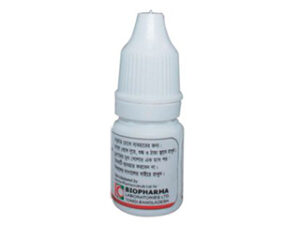


Tinidazole (Antibiotic/Antiprotozoal) – Patient Guide (UK)
Tinidazole is an antimicrobial medicine used to treat certain infections caused by anaerobic bacteria and specific parasites (protozoa). It belongs to the nitroimidazole group of medicines. This guide explains what tinidazole is, how it works, how it is used, possible side effects, and important interactions—so you can use it safely and effectively.
| Category | Details |
|---|---|
| Medicine type | Nitroimidazole antibiotic/antiprotozoal |
| Common uses | Selected anaerobic bacterial infections and protozoal infections (e.g., trichomoniasis) |
| How it is taken | Usually tablets or oral doses taken by mouth |
| Typical schedule | Often once daily for several days, or single-dose regimens depending on indication |
| Key precautions | Avoid alcohol during treatment and for a period after. Tell your clinician about other medicines and medical conditions. |
Basic product information
Tinidazole is used to treat infections where the causative organisms are susceptible to nitroimidazoles. It is often chosen when a course with good tissue penetration is needed, or when shorter regimens are suitable for the infection being treated.
In the United Kingdom, tinidazole is available as a prescription medicine in many strengths and brand formats, depending on local supply. Availability can vary by manufacturer and pharmacy stock. Your pharmacy can advise on the exact product strength and pack size they can supply.
How tinidazole works (mechanism of action)
Tinidazole works by targeting the infectious organisms’ ability to thrive in low-oxygen environments and by damaging their genetic material.
- Activation inside susceptible organisms: Tinidazole is reduced (activated) within anaerobic bacteria and certain protozoa.
- DNA damage: The activated form interacts with DNA, causing breaks and preventing normal replication.
- Anti-anaerobic effect: This makes it useful against anaerobes that can cause infections such as certain pelvic, abdominal, dental, or other anaerobic infections—when appropriate.
Pharmacokinetics (how the body handles tinidazole)
Understanding pharmacokinetics can help explain why dosing schedules may be convenient.
- Absorption: Tinidazole is absorbed after oral administration. Food can influence the extent of absorption for some individuals, so follow your advice and product instructions.
- Distribution: It distributes throughout the body, reaching therapeutic levels in tissues where susceptible infections may occur.
- Metabolism: Tinidazole is metabolised in the liver.
- Elimination: It is eliminated mainly via the kidneys (and partly via other pathways). The elimination half-life supports dosing regimens where fewer doses may be required.
People with significant liver impairment should use tinidazole with extra caution. Your clinician may adjust the approach or monitoring.
Typical uses and indications
Tinidazole is used to treat infections caused by susceptible anaerobic bacteria and particular parasites. Common indications (which may vary by local clinical guidance) include:
- Trichomoniasis (caused by Trichomonas vaginalis)
- Bacterial vaginosis (a condition involving an imbalance of vaginal flora; tinidazole may be considered in some cases)
- Anaerobic infections where appropriate, such as infections involving the abdomen or pelvis, and certain dental or other sites where anaerobes are implicated
- Giardiasis and other protozoal infections (tinidazole may be used depending on local prescribing practices and susceptibility)
Your clinician will choose tinidazole based on the suspected/confirmed organism, site of infection, severity, and your personal medical history. If symptoms do not improve, further assessment may be needed.
When to take tinidazole (timing and schedule)
The exact timing depends on the specific condition being treated. Common regimens include single-dose or short-course schedules. Use the schedule you were instructed to follow and check the label for your prescribed directions.
- Take at the same times each day if you are using a multi-day regimen.
- Complete the full course even if you start to feel better.
- If you miss a dose: take it as soon as you remember unless it is close to the next dose. Do not double up unless advised.
Food interactions (with meals)
Many people can take tinidazole with or without food. However, food may affect absorption and stomach comfort. If you experience nausea or stomach upset, taking the dose with food may help.
- Gentle approach: If your stomach is sensitive, try taking tinidazole with a meal or immediately after food.
- Follow instructions: If the packaging or your clinician recommends a specific way (with food, after food, or on an empty stomach), follow that guidance.
If you have a condition that requires dietary restriction (for example, severe liver impairment may influence overall management), ask a healthcare professional for personalised advice.
Alcohol interactions (very important)
A key safety issue with tinidazole is its interaction with alcohol. Alcohol can increase the risk of unpleasant side effects, sometimes severe, due to a reaction affecting how your body processes certain chemicals.
- Avoid alcohol during treatment.
- Avoid alcohol for a period after the last dose (commonly advised up to 48 hours, though follow your specific product advice or clinician guidance).
- Avoid alcohol-containing medicines too (for example, some cough syrups or liquid preparations may contain alcohol).
If you accidentally drink alcohol while taking tinidazole, stop further alcohol and seek medical advice if you feel unwell.
Interactions with other medicines
Interactions can change how medicines work or increase side effects. Tell a clinician or pharmacist about everything you take, including over-the-counter products and herbal remedies.
Common interaction considerations
- Warfarin and similar blood thinners: Tinidazole can increase bleeding risk by affecting clotting. If you use a vitamin K antagonist (e.g., warfarin), you may need closer monitoring and possible dose adjustment.
- Other anticoagulants/antiplatelets: Depending on your regimen, additional monitoring may be needed.
- Disulfiram (and similar treatments): Using tinidazole alongside disulfiram can increase the risk of confusion and other nervous system effects. Avoid this combination unless a specialist advises otherwise.
- Lithium: Nitroimidazoles may increase lithium levels, which could lead to toxicity. Monitoring may be required.
- Phenobarbital or phenytoin: These can affect drug metabolism and may change tinidazole levels.
This is not an exhaustive list. If you are unsure whether a medicine contains alcohol or may interact, ask your pharmacist.
Dosing information (general guidance)
Tinidazole dosing depends on the infection being treated, the organism, severity, and patient factors. Always use the dose and schedule from your label or clinician instructions.
Examples of dosing regimens (for general understanding; your exact plan may differ):
- Trichomoniasis: often treated with short-course regimens, sometimes a single dose or a course over multiple days (treatment of sexual partners is typically advised to reduce reinfection risk).
- Giardiasis: may be treated with a multi-day course.
- Anaerobic bacterial infections: may involve specific dosing schedules for several days, sometimes guided by clinical severity and response.
Important: Do not adjust your dose or stop early without medical advice. Completing the prescribed course helps reduce the chance of relapse and antibiotic resistance.
Safety profile (what to expect and when to seek help)
Common side effects
Many people tolerate tinidazole well, but side effects can occur. Common effects include:
- Nausea
- Stomach upset or abdominal discomfort
- Headache
- Dizziness
- Taste changes (sometimes a metallic taste)
- Dry mouth or fatigue
Less common but important risks
- Allergic reactions: rash, itching, swelling of the face/lips, or breathing difficulties. Seek urgent help if you develop trouble breathing or severe swelling.
- Neurological effects: tingling, numbness, severe dizziness, confusion, or unusual coordination problems. Contact a clinician promptly if these occur.
- Severe skin reactions: widespread rash, blistering, or peeling skin require urgent assessment.
- Severe diarrhoea: particularly if it is watery and persistent, or contains blood/mucus. This may need urgent medical review.
When to seek urgent medical advice
- Signs of an allergic reaction (swelling, rash with breathing difficulty)
- Severe or persistent vomiting preventing you from keeping the medicine down
- Unusual neurological symptoms (confusion, severe dizziness, severe tingling/numbness)
- Severe diarrhoea or dehydration
- Yellowing of the skin/eyes (jaundice) or dark urine with feeling unwell
This information is designed to help you recognise warning signs. If you are worried about side effects, contact your healthcare professional or local NHS service for advice.
Practical use tips for best results
- Finish the course: Even if symptoms improve, completing tinidazole helps ensure the infection is fully treated.
- Hydrate: Drinking fluids may reduce the chance of feeling light-headed or unwell.
- Manage nausea: Taking doses with food can help. If nausea is bothersome, speak to a pharmacist.
- Avoid alcohol entirely: This is one of the most important safety steps.
- Partner treatment (for sexually transmitted infections): For conditions such as trichomoniasis, partners may also need treatment to prevent reinfection.
- Do not share medication: Tinidazole should only be used for the condition and person it was intended for.
- Keep notes: If you have symptoms, jot down when you started the medicine and any side effects—this can help clinicians.
Alternative options
Depending on the infection, alternative treatments may be used. Your clinician will consider organism susceptibility, allergy history, severity, pregnancy status, and previous treatments.
Possible alternatives (examples; not all are suitable for every indication):
- Metronidazole: another nitroimidazole often used for similar anaerobic and protozoal conditions.
- Clindamycin or other antibiotics: may be considered for specific anaerobic bacterial infections based on local guidelines.
- Other antiprotozoals: treatment choice depends on the parasite (e.g., options for giardiasis may differ between regions and circumstances).
If tinidazole is not suitable—because of side effects, allergy, or drug interactions—ask your healthcare professional about appropriate alternatives.
Market and legal context in the United Kingdom
Medicines containing tinidazole are regulated in the UK under medicines legislation and are typically supplied according to their classification and licensing status. In the UK, tinidazole is generally considered a prescription-only medicine for most uses and is supplied via authorised channels.
The NHS and UK clinical guidance inform prescribing decisions, including the selection of antimicrobial agents, duration of therapy, and stewardship principles to minimise resistance. Clinicians also consider patient safety and appropriate testing where needed.
Availability can vary due to manufacturing schedules and supply changes. Pharmacy teams can often advise on equivalent strengths or alternative product formats if a specific brand is temporarily unavailable.
Recent guidance and antimicrobial stewardship (UK context)
Antimicrobial stewardship aims to ensure the right antibiotic is used for the right infection, for the right duration, at the right dose. In the UK, this approach is promoted through NHS antimicrobial prescribing principles and related professional guidance.
- Use for susceptible infections only: Tinidazole should be used when indicated for susceptible organisms (anaerobes or specific protozoa).
- Complete course length: Finishing the prescribed duration supports effectiveness.
- Review if not improving: If symptoms worsen or do not improve, reassessment is important rather than repeatedly changing doses.
If you have questions about whether your tinidazole course is appropriate for your specific symptoms, speak with a pharmacist or clinician.
Delivery, availability, and packaging
Online pharmacies in the UK typically supply tinidazole subject to legal and safety checks. Availability may vary by:
- Strength and formulation: Different strengths and tablet counts may be stocked at different times.
- Supply chain: Manufacturer batches can affect stock levels.
- Local regulations: Some orders may require additional verification steps.
Delivery options vary by retailer and location. Commonly, you can expect tracked delivery, with estimated delivery times shown at checkout. If your order is delayed due to stock issues, you should receive notification and resolution options where available.
FAQ – Tinidazole (UK)
1) What is tinidazole used for?
Tinidazole is used to treat certain infections caused by anaerobic bacteria and specific parasites (protozoa), such as trichomoniasis and some gut or genital infections where tinidazole is an appropriate choice.
2) How long does tinidazole take to work?
Many people begin to notice improvement within a few days. However, symptom relief can vary depending on the infection site and severity. If you do not improve after the expected timeframe, contact a healthcare professional.
3) Can I take tinidazole with food?
Often yes. If it upsets your stomach, taking it with a meal may help. Always follow your specific instructions on the label or from your healthcare professional.
4) Why must I avoid alcohol?
Alcohol can interact with tinidazole and lead to unpleasant reactions (such as flushing, nausea, vomiting, or headache). To reduce risk, avoid alcohol during treatment and for a period after finishing—follow product guidance.
5) What if I drink alcohol by mistake?
Stop alcohol right away. If you feel unwell—especially with severe vomiting, dizziness, or allergic-type symptoms—seek medical advice promptly.
6) Are side effects serious?
Many side effects are mild (like nausea or headache). However, seek urgent advice if you develop signs of allergy, severe skin reactions, significant neurological symptoms, or severe diarrhoea.
7) Can tinidazole interact with warfarin?
Tinidazole may increase the effect of warfarin, raising bleeding risk. If you take warfarin, you should have medical monitoring and follow advice from your clinician.
8) Is it safe to drive or operate machinery?
Tinidazole can cause dizziness or headache in some people. If you feel affected, avoid driving or using machinery until you feel steady again.
9) Can my partner need treatment?
For infections such as trichomoniasis, treating sexual partners is often important to prevent reinfection. Ask your clinician or pharmacist about partner management based on your diagnosis.
10) What should I do if I miss a dose?
Take it as soon as you remember unless it is near your next dose. Do not double doses unless specifically advised. If you are unsure, ask your pharmacist for guidance.
11) Who should use extra caution with tinidazole?
Extra caution may be needed if you have liver disease, a history of blood disorders, neurological conditions, or you take interacting medicines such as blood thinners or lithium. Always discuss your situation with a healthcare professional.
12) Can I take other medicines at the same time?
You may be able to, but check potential interactions—especially with anticoagulants, disulfiram, and some anticonvulsants. Tell your pharmacist everything you take, including non-prescription medicines.
Key takeaways
- Tinidazole treats selected anaerobic bacterial and protozoal infections.
- It works by damaging DNA in susceptible organisms.
- Avoid alcohol during treatment and for the recommended time after.
- Complete the full course and seek advice if symptoms do not improve.
- Be aware of interactions (notably with warfarin and certain other medicines).
For personalised advice about your symptoms, dosing schedule, or concerns about interactions, contact your pharmacist or a healthcare professional.