
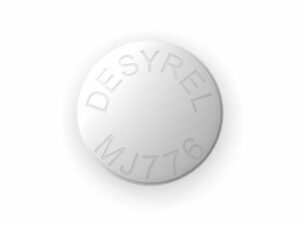
Cefdinir (Cefdinir) – Patient Guide for the UK
Cefdinir is a prescription antibiotic medicine used to treat certain bacterial infections. This page is written in patient-friendly language to help you understand what cefdinir is, how it works, how it’s taken, and what to expect while using it. It also covers safety information, interactions, and practical tips for getting the best results from treatment.
Important: Antibiotics such as cefdinir only work against bacteria. They do not treat viral infections like common colds or flu. Always use this medicine exactly as directed by your healthcare professional or as stated on the dispensing label.
1) Basic product information
| Category | Details |
|---|---|
| Medicine | Cefdinir |
| Class | Cephalosporin antibiotic (3rd generation) |
| What it treats | Specific bacterial infections as advised by a clinician |
| Common forms | Oral capsules or oral suspension (strength varies by product) |
| Typical dosing frequency | Often taken once or twice daily depending on the infection and strength |
2) How cefdinir works (mechanism of action)
Cefdinir is a beta-lactam antibiotic. It works by interfering with the formation of bacterial cell walls. Bacteria require a strong cell wall to survive and multiply. Cefdinir binds to proteins (penicillin-binding proteins) involved in cell-wall construction, weakening the wall and leading to bacterial death.
By targeting bacterial cell-wall synthesis, cefdinir helps your immune system clear the infection. Over time, symptoms often improve, but it’s important to complete the full course if one has been recommended.
3) Pharmacokinetics: how your body handles cefdinir
Pharmacokinetics describes how the body absorbs, distributes, metabolises, and eliminates a medicine. While individual results vary, cefdinir generally follows these patterns:
- Absorption: Cefdinir is absorbed from the gut after oral dosing. Absorption can be affected by certain foods and supplements, especially those containing iron (see “Food interactions”).
- Distribution: It distributes through body tissues and fluids where infections may be present. The degree of distribution depends on the infection site and patient factors.
- Elimination: Cefdinir is mainly eliminated via the kidneys. People with reduced kidney function may require dose adjustments.
- Half-life: The time it takes for the drug level to reduce by half is influenced by kidney function. Your prescriber will select the most suitable dosing schedule.
If you miss a dose, take it as soon as you remember unless it’s close to the next dose. Do not take double the amount to make up for a missed dose. If you’re unsure, ask your pharmacist for advice.
4) Typical uses and indications in the UK
Cefdinir is used to treat infections caused by bacteria susceptible to cefdinir. In the UK, the exact choice of antibiotic and route depends on local guidelines, resistance patterns, allergy history, and the suspected source of infection.
Typical indications may include (as advised by clinicians):
- Ear, nose and throat infections (e.g., certain bacterial infections of the middle ear or throat)
- Lower respiratory tract infections (e.g., some bacterial chest infections)
- Skin and soft tissue infections caused by susceptible bacteria
- Urinary tract infections where cefdinir is considered appropriate based on assessment
Note: The presence of fever, severity of symptoms, and local antibiotic resistance can influence whether cefdinir is the best option. Sometimes a different antibiotic may be preferred.
5) When to start and timing of doses
Start cefdinir at the recommended time. If you’ve been prescribed a schedule such as every 12 hours, try to keep the timing consistent to maintain steady antibiotic levels.
Practical timing tips
- Choose a routine: For example, if twice daily, consider breakfast and evening meal times.
- Use reminders: Phone alarms can help you avoid missed doses.
- Track improvement: Many infections begin to improve within 48–72 hours, but this varies.
- If symptoms worsen: Contact your healthcare professional promptly, especially if you develop severe shortness of breath, rapidly spreading rash, or high fever.
6) Dosing guidance (adults and children)
Dosing depends on factors such as age, weight (especially in children), infection severity, kidney function, and the specific product strength (mg per capsule or per 5 mL of suspension). For that reason, the safest and most accurate dose is the one stated on your dispensing instructions.
Below is general information about common dosing patterns for cefdinir. Your clinician may adjust the dose or duration based on your circumstances:
Common dosing patterns (general)
- Adults: Often taken once or twice daily depending on the infection and prescribed schedule.
- Children: Typically dosed by weight, with the frequency determined by the infection and formulation.
- Renal (kidney) impairment: If kidney function is reduced, dosing may need adjustment to avoid excessive levels.
Always check: Use the strength on the label and measure liquid doses using an appropriate measuring device (e.g., an oral syringe) rather than kitchen teaspoons.
Duration of treatment
Antibiotic courses usually last a set number of days. Even if you feel better, you should not stop early unless you’ve been advised to do so. Stopping early can allow remaining bacteria to recover and may increase the risk of recurrence or resistance.
7) Food interactions
Cefdinir can be taken with or without food for many people, but some foods and supplements can reduce absorption. The most clinically relevant interaction involves iron.
Iron-related interactions
Cefdinir may form complexes with iron, reducing absorption and effectiveness. This is particularly relevant if you take iron supplements or eat high-iron foods or use iron-containing medications.
- If you take iron supplements (for example, ferrous sulphate) or multivitamins containing iron, spacing doses is usually recommended.
- Practical approach: Many clinicians advise separating cefdinir and oral iron by a few hours. If you’re taking iron, ask your pharmacist for the best timing for your specific product and schedule.
Other food considerations
- Take with water: Drinking a glass of water with each dose can help ensure the capsule or liquid reaches the stomach properly.
- Consistent routine: If you prefer taking it with food to reduce stomach upset, try to keep that routine consistent.
8) Alcohol interactions
Cefdinir is not commonly associated with a severe “disulfiram-like” reaction with alcohol. However, it’s still best to treat alcohol cautiously during infection and antibiotic treatment.
- Infection effect: When you’re unwell, alcohol can worsen dehydration, sleep, and recovery.
- Stomach upset: Both alcohol and antibiotics can irritate the stomach in some people.
- Practical advice: If you choose to drink, keep it minimal and monitor how you feel. Stop drinking and seek advice if you develop worsening nausea, vomiting, flushing, or severe dizziness.
9) Medicine interactions (other antibiotics and common medicines)
Cefdinir may interact with other medicines, supplements, and certain antacids. Not all interactions apply to every patient. Always tell your healthcare professional about all medicines you take, including over-the-counter products.
Key interactions to consider
- Iron-containing products: Reduce absorption—separate dosing as advised.
- Antacids and gastric acid modifiers: Some products can affect how cefdinir is absorbed. If you regularly use antacids, ask your pharmacist for spacing guidance.
- Other antibiotics: Combining antibiotics is sometimes done for specific situations, but it’s not always beneficial. Your clinician will decide what’s appropriate.
- Warfarin (and similar anticoagulants): Antibiotics can influence bleeding risk in some people. If you take warfarin, you may require monitoring (e.g., INR) and more frequent checks.
If you want, you can share your current medicine list (including doses) with your pharmacist for a targeted interaction check.
10) Safety profile: who should be careful
Like all medicines, cefdinir can cause side effects. Many are mild and temporary, but some may require medical attention. If you have a history of allergies to cephalosporins or penicillins, tell a healthcare professional before using cefdinir.
Common side effects
- Diarrhoea
- Nausea or stomach upset
- Headache
- Rash (mild skin reactions can occur)
Less common but serious risks (seek urgent advice)
- Severe allergic reaction: Symptoms may include swelling of the face/lips, difficulty breathing, wheezing, or severe skin rash. Seek emergency care if these occur.
- Severe or persistent diarrhoea: If diarrhoea is watery, severe, or lasts beyond the usual mild side effect window, especially with fever or blood/mucus, contact a clinician promptly. This could indicate a more serious gut condition.
- Skin reactions: Blistering, peeling skin, or widespread rash needs prompt medical assessment.
- Liver or blood abnormalities: Unusual tiredness, yellowing of the skin/eyes, dark urine, or easy bruising should be discussed.
Special populations
- Pregnancy: Discuss with a healthcare professional. The decision depends on the infection and your risk profile.
- Breastfeeding: Ask for advice; many antibiotics can be used during breastfeeding when needed, but guidance is individual.
- Kidney impairment: Dose adjustment may be required.
- Children: Dosing is weight-based. Use the correct measuring device for liquid formulations.
11) Practical use tips (to get the best outcome)
- Complete the course: Finish the prescribed number of days unless advised otherwise.
- Don’t double up: If you miss a dose, follow label instructions or ask your pharmacist.
- Stay hydrated: Especially if you have diarrhoea or nausea.
- Monitor symptoms: Note changes in fever, pain, breathing, urinary symptoms, or swallowing.
- Diarrhoea management: If diarrhoea occurs, focus on fluid intake. Seek advice if it becomes severe or persistent.
- Inform healthcare professionals: If you need further care during treatment, tell the clinician you’re taking cefdinir.
If you notice any unexpected side effects, don’t wait for your next appointment—contact a healthcare professional for guidance.
12) Alternative options to consider
The best alternative antibiotic depends on the type of infection, local resistance patterns, your allergy history, and previous antibiotic use. In some situations, clinicians may choose:
- Amoxicillin or amoxicillin-clavulanate for certain ENT/respiratory infections
- Other cephalosporins depending on susceptibility and tolerance
- Macrolides (e.g., for people with penicillin allergy or specific bacterial patterns)
- Different antibiotics guided by local guidelines and, where available, culture results
Sometimes non-antibiotic supportive care (e.g., pain relief, hydration, rest) is appropriate for viral illness or mild bacterial infections. A clinician can help confirm whether antibiotics are needed.
13) UK market and legal context (what this means for patients)
In the United Kingdom, antibiotics are regulated medicines. Supply is subject to medicines legislation and professional oversight to support safe use and to help limit antibiotic resistance.
- Responsible antibiotic use: UK antimicrobial stewardship aims to ensure antibiotics are used only when needed.
- Guidelines and local policies: Treatment choices are informed by national and local guidance, including infection-specific recommendations and antibiotic resistance data.
- Allergy and safety checks: Pharmacies and prescribers assess allergy history and risk factors before supplying antibiotics.
On UK websites selling medicines online, availability and information can depend on the medicine’s classification and the requirements for legal supply.
14) Recent guidance and antimicrobial resistance considerations
Across the UK and internationally, there is strong emphasis on antimicrobial stewardship. Key messages include:
- Use antibiotics only for bacterial infections: Misuse contributes to resistance.
- Use the narrowest effective antibiotic: Cefdinir may or may not be appropriate depending on the infection type.
- Follow the full course: Incomplete courses can promote resistant bacteria.
- Review therapy if not improving: If symptoms do not improve within the expected timeframe, clinicians may review diagnosis and antibiotic choice.
If you are concerned about whether your infection is improving, speak to a healthcare professional rather than stopping or changing treatment on your own.
15) Delivery and availability in the UK
Online pharmacies in the UK typically arrange delivery within standard courier timeframes. Availability depends on:
- Formulation: capsules versus oral suspension, and the strength of each
- Stock levels at the fulfilment location
- Dispensing and verification process required for supply of prescription medicines
Delivery times can vary by address and day-of-order cut-off times. Your chosen online pharmacy will usually show an estimated delivery window at checkout.
Storage: Follow storage instructions on the label (often “store below 25°C” for many oral preparations, but always check your specific product). Keep out of sight and reach of children.
16) FAQ – Cefdinir (United Kingdom)
How long does it take for cefdinir to work?
Many people start to feel better within 48–72 hours. If there is no improvement, symptoms worsen, or fever persists, contact a healthcare professional for reassessment.
Can I take cefdinir with food?
Often yes. If food helps reduce stomach upset, taking it with a meal is commonly fine. However, avoid taking it at the same time as iron-containing supplements unless your pharmacist has advised otherwise.
What should I do if I miss a dose?
Take it when you remember unless it’s close to your next dose. Do not take two doses together. If unsure, ask your pharmacist.
Can I drink alcohol while taking cefdinir?
There is typically no strict alcohol ban, but it’s wise to keep alcohol minimal because you’re already unwell and antibiotics can cause stomach upset. If you notice adverse effects, stop drinking and seek advice.
Is cefdinir safe if I have a penicillin allergy?
Many people with penicillin allergy may still tolerate some cephalosporins, but not all. Tell your healthcare professional about any allergic reactions you’ve had (including what happened and when). They will assess the risk and whether cefdinir is appropriate.
Why should I avoid taking cefdinir with iron?
Iron can reduce cefdinir absorption, which may reduce effectiveness. Space the doses out as advised by your pharmacist or the medicine label.
Will cefdinir cause diarrhoea?
Diarrhoea is a known side effect of many antibiotics. Mild diarrhoea may settle as your body adjusts. However, contact a healthcare professional if diarrhoea becomes severe, persistent, or contains blood/mucus, or if you have fever or significant abdominal pain.
What if I’m taking warfarin or other anticoagulants?
Antibiotics can potentially affect bleeding risk in some patients. If you take warfarin, you may need closer monitoring. Speak to your pharmacist or clinician.
Can cefdinir be used for viral infections?
No. Cefdinir treats bacterial infections only. For viral illnesses such as colds or flu, supportive care is usually recommended.
What are the signs of a serious allergic reaction?
Seek urgent help if you develop swelling of the face/lips, difficulty breathing, wheezing, severe dizziness, or widespread hives/rash.
17) Summary
Cefdinir is a cephalosporin antibiotic used to treat certain bacterial infections in the UK. It works by disrupting bacterial cell-wall formation. Absorption can be affected by iron, so taking cefdinir at the right time relative to iron supplements is important. Most side effects are mild, but you should seek medical advice if you develop severe allergy symptoms or persistent/severe diarrhoea. Follow your dosing instructions carefully, keep an eye on symptom progress, and contact a healthcare professional if you have concerns.