
Indocin (Indomethacin) – Patient-Friendly Guide (UK)
Indocin contains indomethacin, a medicine from the group known as non-steroidal anti-inflammatory drugs (NSAIDs). Indomethacin helps to reduce pain, inflammation (swelling) and stiffness. It is used for a range of conditions where inflammation and pain are major symptoms.
This guide explains how Indocin works, how it is used, important safety information, interactions, and practical tips. It is written for patients in the United Kingdom.
Basic product information
| Item | Details |
|---|---|
| Medicine name | Indocin (indomethacin) |
| Drug class | NSAID (non-steroidal anti-inflammatory drug) |
| What it’s used for | Pain and inflammation related to specific conditions (see “Indications”) |
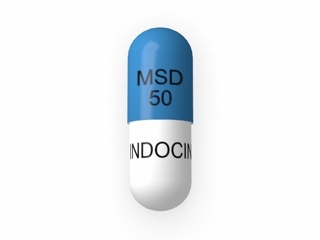
| How it may be taken | Tablets/capsules or other licensed formulations depending on availability |
| Common side effects | Indigestion, stomach pain, nausea; dizziness in some people |
| Key risks to know | Stomach irritation/ulcers, kidney effects, increased cardiovascular risk with some use |
How Indocin works (mechanism of action)
Indomethacin works by blocking the action of enzymes called cyclo-oxygenase (COX). COX enzymes help your body make prostaglandins, chemical messengers that contribute to: pain, inflammation, and fever. By reducing prostaglandin production, Indocin can lower pain and inflammation.
In addition to reducing inflammatory signals, indomethacin may also affect other pathways involved in joint pain and swelling. Because it is a strong NSAID, it may be particularly effective for certain conditions, but it also requires careful use to reduce risk of side effects.
Pharmacokinetics (how the body handles indomethacin)
“Pharmacokinetics” describes what happens after you take Indocin, including absorption, distribution, metabolism and elimination.
Absorption
Indomethacin is absorbed through the stomach and intestines. Taking it with food may reduce stomach irritation, but it can also slightly slow the time to peak levels in the bloodstream.
Peak effect (onset)
Many people notice symptom relief within a few hours. The exact onset depends on your dose, the formulation, and whether you take it with food.
Distribution
Indomethacin binds to plasma proteins and distributes into tissues, including areas involved in inflammation.
Metabolism and elimination
Indomethacin is metabolised mainly in the liver and eliminated via the kidneys and bile. This is why kidney and liver function can be important when considering safety.
Typical use in the UK: what Indocin is used for
Indocin is an NSAID used for specific conditions where reduction of inflammation and pain is needed. Depending on the licensed indication and your individual circumstances, your clinician may consider indomethacin where it is suitable.
Common indications (licensed uses may vary by product)
- Acute gout attacks in adults (in some cases) to relieve pain and inflammation
- Some rheumatological conditions characterised by inflammation and pain
- Other specialist inflammatory pain conditions where an NSAID is appropriate
Availability and exact indications can depend on the formulation and local prescribing practice. Always follow the instructions provided with your specific product and seek medical advice if unsure.
Dosing: important principles and how it’s commonly managed
Dosing for indomethacin depends on the condition being treated, your age, kidney and liver function, other medicines you use, and how you respond to treatment. Your healthcare professional will select the lowest effective dose for the shortest duration where possible.
Do not increase the dose or take it more often than instructed. Indomethacin can cause serious side effects, especially with higher doses or longer use.
General dosing principles (patient-friendly)
- Use the lowest effective dose to control symptoms.
- Limit the duration as advised, particularly for long-term inflammatory conditions.
- Take regularly if directed (rather than “as needed”) for inflammatory flare control.
- Reassess if symptoms persist: if pain does not improve or worsens, speak to a clinician.
Typical timing within the day
Indomethacin is often taken in divided doses (for example, more than once daily) depending on the regimen provided for your condition and formulation. If you miss a dose, do not take a double dose—take the next dose at the usual time unless otherwise advised.
Timing: when to take Indocin
Many NSAIDs are easier on the stomach when taken with food. Taking Indocin with a meal or after food can reduce the risk of indigestion and stomach irritation.
- Take with food if you have a sensitive stomach.
- Stay consistent with the timing if your regimen requires multiple daily doses.
- Avoid late-night dosing if you find it causes heartburn or reflux.
Food interactions and stomach protection
Food itself does not usually “cancel out” indomethacin, but it can influence stomach tolerability and absorption rate. The key food-related issues are:
What food may do
- Taking with meals may reduce stomach side effects.
- Empty stomach use may increase risk of indigestion, nausea, or gastritis.
Foods that may worsen reflux/ulcers
If you are prone to reflux or stomach ulcers, consider limiting foods that commonly aggravate these symptoms, such as very spicy foods, high acidity foods (e.g., citrus), and alcohol-containing products.
If you have a history of peptic ulcer or gastrointestinal bleeding, clinicians may recommend stomach-protecting treatment (for example, a proton pump inhibitor) alongside NSAIDs.
Alcohol interactions
Alcohol can increase the risk of stomach irritation and bleeding when combined with NSAIDs. For this reason, it is generally advised to avoid alcohol or keep it to an absolute minimum while taking Indocin.
- Higher bleeding risk: alcohol + NSAIDs can raise the likelihood of stomach bleeding.
- Worsened side effects: alcohol may worsen dizziness, heartburn, and nausea.
Medicine interactions: what to watch for
Indomethacin can interact with a number of medicines. The most important interactions relate to kidney function, bleeding risk, blood pressure, and effects on other drugs. Always tell a healthcare professional (or pharmacist) about all medicines you take, including over-the-counter products.
Common interaction categories
- Other NSAIDs (e.g., ibuprofen, naproxen, diclofenac, aspirin for pain): Avoid using multiple NSAIDs together unless specifically instructed.
- Blood thinners (e.g., warfarin) and antiplatelet medicines (e.g., clopidogrel): Combination can increase bleeding risk.
- Selective serotonin reuptake inhibitors (SSRIs) and other antidepressants that affect bleeding: May increase gastrointestinal bleeding risk.
- Corticosteroids (e.g., prednisolone): May increase stomach ulcer/bleeding risk when combined.
- Diuretics (“water tablets”) and ACE inhibitors/ARBs (for blood pressure): NSAIDs can reduce kidney blood flow and may affect kidney function; monitor as advised.
- Lithium: NSAIDs may increase lithium levels—monitoring may be needed.
- Methotrexate: NSAIDs may increase methotrexate levels; combination can be risky and may require close monitoring.
- Digoxin: NSAIDs may increase digoxin levels in some situations.
- Diabetes medicines (e.g., insulin, sulfonylureas): Rarely, NSAIDs can influence glucose control.
Herbal and “natural” products
Some herbal products (for example, those affecting blood clotting) may increase bleeding risk. Check with a pharmacist before combining Indocin with supplements.
Safety profile: key risks and when to get help
Like all medicines, Indocin can cause side effects. Many are mild, but some can be serious. The sections below highlight common risks associated with NSAIDs and how to respond.
Common side effects
- Indigestion, heartburn, stomach pain
- Nausea
- Headache or dizziness
- Feeling unusually tired
Serious side effects (seek urgent medical advice)
Contact urgent medical services or seek prompt medical attention if you experience:
- Signs of stomach bleeding (vomiting blood, black/tarry stools, or blood in stools)
- Severe allergic reactions (facial swelling, wheeze, difficulty breathing, or widespread rash)
- Chest pain, sudden shortness of breath, or weakness (possible cardiovascular events)
- Severe skin reactions (blistering rash or peeling skin)
- Reduced urination or swelling (possible kidney problems)
Who should take extra care
- People with a history of stomach ulcers or gastrointestinal bleeding
- People with kidney disease or reduced kidney function
- People with heart disease, stroke history, or high cardiovascular risk
- People with uncontrolled high blood pressure
- People with asthma that worsens with NSAIDs (sometimes called NSAID-exacerbated respiratory disease)
- Older adults, who may be more sensitive to side effects
Driving and operating machinery
Indomethacin may cause dizziness or tiredness in some people. If you feel affected, avoid driving or operating machinery until you know how it affects you.
Practical use tips for patients
Following a few practical steps can improve comfort and reduce risk.
- Take with food if recommended or if you have a sensitive stomach.
- Stay hydrated, especially if you are also on diuretics or have a higher risk of dehydration.
- Avoid “stacking” painkillers: don’t combine multiple NSAIDs together.
- Check the label of other products (cold/flu remedies often contain NSAIDs or aspirin).
- Use for the planned time: if you’re taking it short-term for a flare, don’t continue longer than advised.
- Monitor symptoms: stomach pain, black stools, or unusual bruising should be taken seriously.
Alternative options (if Indocin isn’t suitable)
Pain and inflammation can sometimes be managed with other medicines or non-drug approaches. The most suitable option depends on your diagnosis, medical history, and risk factors.
Medication alternatives
- Other NSAIDs (for example, ibuprofen, naproxen or diclofenac) may be considered, but they also carry similar risks.
- Paracetamol (acetaminophen) for pain relief may be an alternative for some people, though it does not reduce inflammation as effectively.
- For gout flares, other treatments may be used depending on the situation (for example, specific anti-inflammatory or gout-focused therapies).
- Topical anti-inflammatories may help with certain joint or muscle problems and can reduce stomach exposure.
Non-medicine options
- Rest and gentle movement
- Cold or heat therapy depending on the type of pain and inflammation
- Physiotherapy and targeted exercise programs
- Weight management and lifestyle measures for long-term inflammatory conditions
Your pharmacist or clinician can help you compare options, particularly if you have stomach, kidney, or heart-related risk factors.
Market and legal context in the United Kingdom
In the UK, medicines are regulated by the Medicines and Healthcare products Regulatory Agency (MHRA). The sale of medicines online is required to comply with UK medicines legislation and safety standards. Pharmacy websites should provide clear product information, safety guidance, and a reliable route to obtain the medicine from authorised supply chains.
The regulatory status (for example, whether a product is prescription-only or not) depends on formulation and local availability. Patients should always follow the instructions supplied with the product and use medicines responsibly.
Recent guidance and safety updates (high-level UK context)
NSAIDs have long been associated with risks such as gastrointestinal bleeding and cardiovascular events. In recent years, healthcare guidance across the UK has continued to emphasise:
- Lowest effective dose for the shortest duration
- Extra caution in people with heart disease, stroke history, ulcer history, or kidney impairment
- Reviewing ongoing NSAID use and considering stomach protection where appropriate
- Being alert to drug interactions (especially with blood thinners, steroids, and certain blood pressure medicines)
If you have any risk factors, it’s sensible to discuss NSAID choice and duration with a healthcare professional.
Delivery and availability
Availability of Indocin (indomethacin) can vary based on supplier stock and the specific formulation. When ordered through an authorised UK pharmacy website, delivery typically follows standard UK dispatch arrangements.
What to expect
- Stock checks: orders may be delayed if the item is temporarily unavailable.
- Packaging: the medicine is supplied in manufacturer or pharmacy packaging with patient information.
- Delivery tracking: many online pharmacies provide dispatch confirmation and tracking.
- Storage: store tablets/capsules according to the instructions on the pack (usually at room temperature, away from moisture and heat).
If you need the medicine urgently, check the estimated delivery times shown at checkout or contact customer support.
Indocin FAQ (Frequently Asked Questions)
1) What is Indocin used for?
Indocin (indomethacin) is an NSAID used to reduce pain and inflammation in specific conditions, such as certain inflammatory and gout-related flare-ups, depending on the licensed indication and your clinical situation.
2) How quickly does Indocin work?
Many people feel improvement within a few hours. The exact timing can vary depending on dose, formulation, and whether it’s taken with food.
3) Should I take Indocin with food?
Often, yes—taking it with meals can help reduce stomach irritation. If your product instructions advise a particular approach, follow those directions.
4) Can I drink alcohol while taking Indocin?
It’s generally best to avoid alcohol or keep it to a minimum. Alcohol combined with NSAIDs can raise the risk of stomach bleeding and worsen side effects like dizziness and heartburn.
5) What medicines should not be taken with Indocin?
Avoid combining with other NSAIDs unless advised. Extra caution is needed with blood thinners, antiplatelet medicines, corticosteroids, certain antidepressants, ACE inhibitors/ARBs, diuretics, and lithium or methotrexate. Always check with a pharmacist.
6) Who should be extra careful with indomethacin?
People with a history of ulcers or GI bleeding, kidney problems, significant heart disease, high cardiovascular risk, uncontrolled high blood pressure, or NSAID-sensitive asthma should use indomethacin with extra care and seek appropriate medical advice.
7) What are the warning signs of stomach bleeding?
Seek urgent medical help if you vomit blood, notice black/tarry stools, see blood in stools, or develop severe unexplained stomach pain—these can be signs of GI bleeding.
8) What should I do if I miss a dose?
Take the next dose at the usual time. Do not take a double dose to make up for a missed one. If you’re unsure, ask a pharmacist for advice based on your dosing schedule.
9) Can Indocin affect kidneys?
Yes. NSAIDs can affect kidney function, particularly in people who are dehydrated, have existing kidney disease, or take medicines that affect kidney blood flow. Staying hydrated and monitoring symptoms can help, but medical advice is important for higher-risk patients.
10) Are there alternatives if I can’t tolerate Indocin?
Depending on the condition, alternatives may include other pain relief options, topical treatments, or different anti-inflammatory approaches. Discuss with a healthcare professional or pharmacist to find a safe option for you.
Further help
If you have questions about Indocin, side effects, or interactions with other medicines, speak to a pharmacist. If you develop symptoms that worry you—especially bleeding, breathing problems, or severe reactions—seek medical help promptly.