
Tizanidine: Uses, How It Works, Safety and Practical Information (UK)
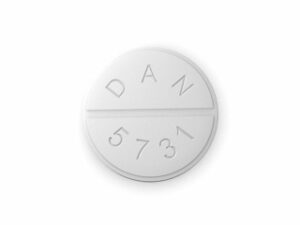
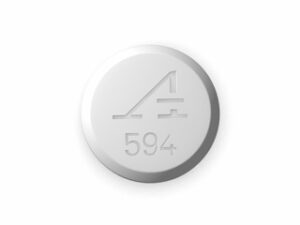
Tizanidine is a medicine used to help relieve muscle spasm and tight, painful muscle stiffness. It belongs to a group of medicines known as centrally acting muscle relaxants. This guide is designed to be patient-friendly and provides practical information to help you understand how tizanidine is used, how it works, and what to watch for.
| Category | Details |
|---|---|
| Medicine type | Centrally acting muscle relaxant (spasmolytic) |
| Active ingredient | Tizanidine (often as tizanidine hydrochloride) |
| Common form | Tablets (strengths may vary by brand/product) |
| How it’s used | Typically short-term and/or as part of a broader treatment plan for spasm |
| Key effects | Reduces muscle tone and spasm; may relieve pain linked to spasm |
Basic product information
Tizanidine is used for conditions where muscles become excessively tight or spasmodic, often causing pain, restricted movement, or discomfort. People commonly use it when muscle spasm affects everyday activities such as walking, bending, or sleeping.
In the UK, tizanidine products are supplied through regulated pharmacy channels. Availability may vary by strength and brand.
How tizanidine works (mechanism of action)
Tizanidine works in the central nervous system (the brain and spinal cord). It primarily reduces signals that increase muscle tone. In simple terms, it helps “calm down” the nerve pathways that cause muscles to become tight and spasm.
More specifically, tizanidine is an alpha-2 adrenergic receptor agonist. By stimulating these receptors in the spinal cord and related areas, it can reduce excitatory activity and help decrease spasticity and muscle spasm.
What tizanidine is typically used for (indications)
Tizanidine is commonly used for muscle spasm and spasticity. Typical indications include:
- Spasticity associated with neurological conditions (for example, multiple sclerosis).
- Muscle spasm caused by disorders affecting the spinal cord or the nervous system.
- Painful muscle stiffness linked to spasm (often as part of a broader management plan).
- Short-term relief for spasms that significantly affect function and comfort.
Your prescriber may consider tizanidine when other measures—such as physiotherapy, stretching, hydration, and pain management strategies—are not sufficient on their own.
How to take tizanidine: dosing basics and timing
Dosing is individual. The right dose for you depends on your condition, response, age, kidney function, and whether you take interacting medicines. Always follow the instructions given with your product.
Many patients start at a lower dose to assess tolerance, then the dose may be adjusted gradually. Tizanidine can be taken multiple times a day depending on your schedule and symptom control.
Typical timing approach
- Consistent spacing: Many dosing schedules use evenly spaced doses to maintain steady effect.
- Symptom-focused: Some people find taking a dose at times of greatest symptom impact (e.g., daytime activity or evening stiffness) helpful.
- Adjusting for sleep: If it makes you drowsy, evening dosing may be considered (but follow your clinician’s instructions).
Example “routine” considerations (general)
- Try to take each dose at similar times each day.
- Do not exceed the prescribed maximum daily amount.
- If you miss a dose, take it when you remember unless it’s close to the next dose—then skip. Do not double up.
Pharmacokinetics: how the body processes tizanidine
Pharmacokinetics describes how the body absorbs, distributes, metabolises, and eliminates a medicine. For tizanidine, these points are especially relevant for interactions and safety.
- Absorption: Tizanidine is absorbed after oral administration. Peak levels occur fairly soon after dosing.
- Metabolism: The main metabolism is through the liver enzyme system, particularly CYP1A2.
- Elimination: Metabolites are excreted mainly by the kidneys.
- Half-life: Tizanidine has a relatively short elimination half-life, which supports multiple daily dosing for symptom control.
Because metabolism relies heavily on CYP1A2, medicines that inhibit or strongly influence this enzyme can increase tizanidine levels—raising the risk of side effects such as drowsiness or low blood pressure.
Food interactions: what to know
Food can affect how quickly tizanidine is absorbed. In particular, certain eating patterns may change the timing and intensity of effects. The most important practical advice is:
- Be consistent: If you find tizanidine feels stronger or weaker depending on meals, try to keep your routine consistent.
- Follow product guidance: Some formulations may have specific instructions about taking with or without food.
If you experience unexpected dizziness, sleepiness, or changes in blood pressure after meals, speak to a healthcare professional for tailored advice.
Alcohol and medicine interactions
Alcohol
Alcohol may increase the risk of side effects from tizanidine, such as:
- Drowsiness and reduced alertness
- Dizziness and impaired coordination
- Falling risk, particularly in older adults
- Lower blood pressure symptoms (light-headedness)
If you choose to drink alcohol, use caution and consider avoiding it—especially when you are starting treatment or adjusting dose.
Other medicines that can interact (important)
Because tizanidine is metabolised by CYP1A2, interactions can significantly affect tizanidine blood levels. The following are commonly highlighted categories of interaction risk in UK clinical practice:
- Strong CYP1A2 inhibitors: can increase tizanidine levels and raise risk of serious side effects (e.g., marked drowsiness, fainting, low blood pressure).
- Some antibiotics and other prescription medicines may inhibit CYP1A2.
- Smoking can reduce tizanidine levels (because it can affect enzyme activity), potentially requiring dose adjustment.
- Other blood pressure-lowering medicines: may add to the effect and increase dizziness/low blood pressure.
- Medicines that cause sedation (e.g., some antihistamines, antidepressants, anti-anxiety medicines, opioid pain medicines): may increase drowsiness.
- Medicines that affect heart rhythm: caution may be needed if there are any concerns about blood pressure, fainting, or rhythm issues.
Before starting tizanidine, it is important to tell a healthcare professional or pharmacist about:
- All prescription medicines
- Over-the-counter products (including cold/flu remedies and sedating antihistamines)
- Herbal products (e.g., St John’s wort)
- Any use of nicotine replacement or changes in smoking habits
If you are unsure whether a medicine interacts with tizanidine, ask a pharmacist.
Safety profile: common side effects, serious warnings, and who should be extra cautious
Common side effects
Many people tolerate tizanidine well, but side effects can occur, especially at the start or after dose increases. Commonly reported side effects include:
- Drowsiness or tiredness
- Dizziness, especially when standing up quickly
- Dry mouth
- Low blood pressure (may feel like light-headedness)
- Fatigue
Less common but important effects
- Changes in liver function: tizanidine can affect liver enzymes in some people. This may be more likely with longer use or higher doses.
- Bradycardia (slow heart rate) or fainting in some cases, particularly if combined with other interacting medicines.
- Muscle weakness beyond what you normally experience from your underlying condition.
Serious symptoms—seek urgent medical advice
Contact urgent care or emergency services immediately if you experience:
- Fainting or severe dizziness
- Chest pain, severe breathlessness, or collapse
- Symptoms of significant liver problems such as yellowing of the skin/eyes (jaundice), dark urine, or severe fatigue with other liver-related symptoms
- Allergic reactions such as swelling of the face/lips, difficulty breathing, or widespread rash
Who needs extra caution
- People with liver disease: may have a higher risk of liver enzyme changes.
- People with kidney impairment: may be more sensitive because elimination relies strongly on kidney function.
- Older adults: higher sensitivity to drowsiness and falls, especially when starting or increasing doses.
- People taking interacting medicines: especially those affecting CYP1A2 or blood pressure.
Practical use tips (to get the best results and reduce problems)
- Start low and go slow: If you are adjusting dose, allow time for your body to adapt. Side effects often lessen as the body adjusts.
- Stand up carefully: Dizziness can occur. Stand up slowly from sitting or lying positions.
- Driving and operating machinery: Because tizanidine can cause drowsiness, avoid driving or hazardous activities until you know how it affects you.
- Hydration and routine: Staying hydrated and maintaining consistent meal timing may help reduce variability in side effects.
- Track symptoms: Note improvements in spasm/stiffness and any side effects (sleepiness, dizziness). This helps clinicians adjust treatment effectively.
- Don’t stop suddenly without advice: Abrupt stopping can sometimes lead to return of symptoms. If treatment needs to stop, it should typically be discussed with a healthcare professional.
Monitoring and precautions
Depending on your health status and duration of treatment, your clinician may consider monitoring:
- Blood pressure (especially if you get dizzy)
- Heart rate if there are relevant symptoms
- Liver function tests in line with local guidance and your risk profile
Indications revisited: when tizanidine may fit your needs
Tizanidine may be suitable when you have muscle spasm or spasticity that interferes with comfort, movement, sleep, or day-to-day function. It is also commonly used as part of a broader approach, which may include:
- Physiotherapy and stretching exercises
- Posture and activity advice
- Pain management strategies
- Rehabilitation approaches (where relevant)
Dosing considerations: general principles
Exact dosing must be individualised. However, the following principles can help you understand typical clinical decision-making:
- Condition severity: Worse spasm may require higher dose, balanced against side effects.
- Kidney and liver function: Dose adjustments may be needed.
- Concomitant medicines: Interactions may require dose changes or avoidance.
- Response monitoring: If symptoms improve but side effects are problematic, clinicians may reduce dose.
Do not take extra doses to “catch up” if a dose is missed.
Alternatives to tizanidine
Depending on the cause and pattern of your symptoms, healthcare professionals may consider other treatments. Alternatives may include:
- Other muscle relaxants: different medicines with similar goals but different side-effect profiles.
- Physiotherapy-led strategies: stretching, strengthening, and movement retraining.
- Targeted pain relief: for example, medicines for nerve pain or inflammatory pain (as appropriate).
- Adjunct spasm treatments: in some cases, clinicians may use combination approaches.
The best alternative depends on whether your main issue is spasticity, acute painful spasm, sleep disruption, or functional limitations. Discuss options with a healthcare professional or pharmacist.
UK market and legal context (patient overview)
Medicines in the UK are regulated to ensure safety, quality, and appropriate supply. The rules for who can supply a medicine and under what circumstances depend on its legal classification.
- Regulated medicines are supplied under UK medicine regulations through appropriate healthcare channels.
- Online pharmacy services operate within UK legal and safety requirements, including identity and eligibility checks and safe use information.
- Medicines guidance is updated when new safety information becomes available.
If you are purchasing from an online pharmacy, ensure you use a reputable UK-licensed provider and check that the product details (strength, form, and instructions) match what you need.
Recent guidance and safety updates (how to stay informed)
Clinical recommendations can evolve, particularly regarding drug interactions, liver monitoring, and safe prescribing for people with kidney or liver impairment. To stay up to date in the UK, it is helpful to:
- Use the patient information leaflet supplied with your medicine.
- Check for updates from trusted sources such as the MHRA (Medicines and Healthcare products Regulatory Agency) or NHS guidance.
- Ask your pharmacist if anything has changed regarding interactions or monitoring for your specific situation.
Delivery and availability in the United Kingdom
Availability of tizanidine products may depend on the formulation strength and supplier stock levels. When ordering online in the UK, typical points to consider include:
- Stock status: Some strengths or brands may be intermittently unavailable.
- Delivery times: Delivery times depend on location and courier arrangements.
- Cold-chain: Tizanidine tablets generally do not require refrigeration unless specifically stated by the product.
- Packaging: Medicines are usually dispatched in protective packaging with patient information included where required.
If you have a time-sensitive need (for example, if you are running low), choose delivery options that suit your schedule, and allow additional time for processing.
FAQ about tizanidine (United Kingdom)
1) How long does tizanidine take to work?
Many people notice effects within hours of a dose. The exact timing varies by the individual and by formulation, dose, and whether it’s taken with food. If you are not sure, review the patient leaflet provided with your product and speak to a pharmacist for advice.
2) Can I take tizanidine with food?
Food may influence absorption and the timing of effects. The safest approach is to follow the instructions in the leaflet. If you notice differences when eating, keep your routine consistent and discuss issues with a healthcare professional.
3) Does tizanidine make you sleepy?
Drowsiness is a common side effect. Avoid driving, cycling on busy roads, or operating machinery until you know how it affects you. If you feel very sleepy, speak to a healthcare professional—dose adjustment may help.
4) What should I do if I feel dizzy?
Sit or lie down and avoid sudden movements. Dizziness can be related to lowered blood pressure, especially at the start of treatment or when doses change. If dizziness is severe, persistent, or you faint, seek urgent medical help.
5) Are there foods or drinks to avoid?
Alcohol should be avoided or kept to a minimum because it can increase drowsiness and dizziness. Food timing can matter for some people, so consistency is helpful. There are no universal “forbidden” foods, but always follow product instructions.
6) Which medicines commonly interact with tizanidine?
Because tizanidine is metabolised via CYP1A2, medicines that inhibit CYP1A2 can raise tizanidine levels. Sedating medicines and other drugs that lower blood pressure can also increase side effects. Always tell a pharmacist about all medicines and supplements you take.
7) Can I stop tizanidine suddenly?
Do not stop without advice if you have been taking it regularly. Stopping may lead to return of spasm symptoms. If you want to stop, discuss a suitable plan with a healthcare professional.
8) Is tizanidine safe for people with liver problems?
Extra caution is required. Tizanidine can affect liver enzymes in some people. If you have a history of liver disease, discuss this with a clinician before starting and follow monitoring advice.
9) Can I take it if I have kidney problems?
Kidney impairment can increase exposure to tizanidine. Dose adjustment and closer monitoring may be needed. Speak with a healthcare professional for personalised guidance.
10) Is tizanidine addictive?
Tizanidine is not generally considered an addictive medicine, but it should still be used exactly as directed. If you have concerns about dependence, discuss them with a pharmacist or clinician.
Summary
Tizanidine is a centrally acting muscle relaxant used for muscle spasm and spasticity-related discomfort. It works by reducing nerve signals that increase muscle tone. As with many medicines affecting the nervous system, it can cause drowsiness and dizziness, and it may affect blood pressure. Because tizanidine is metabolised by CYP1A2, important interactions can occur—particularly with certain medicines and with alcohol.
For safe and effective use in the UK, follow the product instructions, be mindful of alcohol and sedating medicines, and seek advice if you experience severe dizziness, fainting, or symptoms suggestive of liver problems.