Etoricoxib (UK): Patient-Friendly Guide
Etoricoxib is a prescription medicine used to help relieve pain and inflammation, most commonly in conditions such as osteoarthritis and gout. It belongs to a group of medicines known as selective COX-2 inhibitors, which work by reducing the production of certain chemicals involved in pain and inflammation.
This guide explains how etoricoxib works, how the body processes it, typical uses, dosing considerations, common safety issues, and practical tips for using it safely in the United Kingdom.
Basic product information
| Feature | Details |
|---|---|
| Medicine name | Etoricoxib |
| Medicinal class | COX-2 selective non-steroidal anti-inflammatory drug (NSAID) |
| How it’s taken | By mouth (tablets) |
| Typical dosing frequency | Usually once daily for many indications; some conditions require shorter courses |
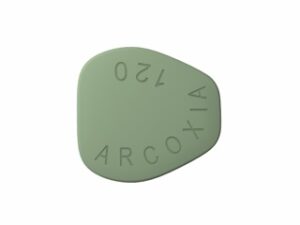
| Common dose strengths | Often 30 mg, 60 mg, 90 mg, and 120 mg tablets (strengths vary by indication) |
| Onset of action | Some pain relief may be noticed within hours |
| Key cautions | Heart/blood pressure risk, kidney risk, stomach/ulcer risk (generally lower with COX-2 selectivity than some NSAIDs, but not zero) |
Note: Product strengths and exact dosing may vary by condition, patient factors, and local guidance. Always follow the dosing plan provided by your clinician and the instructions on your medicine label.
How etoricoxib works (mechanism of action)
Inflammation and pain are partly driven by prostaglandins—substances produced by enzymes called cyclo-oxygenases (COX).
Etoricoxib selectively inhibits COX-2. This reduces the formation of prostaglandins that contribute to:
- Pain associated with inflamed tissues
- Inflammation and swelling
- Joint discomfort in arthritic conditions
Because it is relatively selective for COX-2, it tends to cause fewer stomach problems than some non-selective NSAIDs, although gastrointestinal irritation and ulceration can still occur in some people—especially at higher doses or with additional risk factors.
Pharmacokinetics (how the body processes it)
Understanding how etoricoxib behaves in the body can help you use it more effectively and know what to expect.
- Absorption: Etoricoxib is well absorbed after oral dosing. Peak (maximum) levels in the blood typically occur about 1 hour after taking the tablet.
- Food effects: Food has little effect on overall exposure, though taking with food can delay the time to reach peak levels slightly. In most cases, this does not change symptom relief in a practical way.
- Distribution: It distributes throughout the body, including tissues involved in pain and inflammation.
- Metabolism: Mainly metabolised by the liver (hepatic metabolism).
- Elimination: Excreted mainly as metabolites via the kidneys and to a smaller extent via the faeces.
- Half-life: The drug remains in the body for long enough to support once-daily dosing for many indications.
Typical uses in the UK
Etoricoxib is used to treat pain and inflammation in several musculoskeletal conditions. Your clinician will decide the most appropriate dose and duration based on the condition and your risk factors.
Common indications include:
- Osteoarthritis (degenerative joint disease)
- Rheumatoid arthritis (inflammatory joint disease)
- Acute gout (sudden, severe attacks of joint pain and swelling)
- Ankylosing spondylitis (inflammatory disease affecting the spine and sacroiliac joints)
- Short-term treatment of acute pain in certain situations, depending on local product licensing and guidance
For long-term conditions such as osteoarthritis or rheumatoid arthritis, clinicians aim for the lowest effective dose for the shortest time necessary.
Timing: when to take it and how it fits into your day
Many people take etoricoxib once daily. To get consistent relief:
- Choose a fixed time each day (e.g., morning or evening).
- Take the tablet as directed with a glass of water.
- If you miss a dose, take it when you remember unless it is close to the next dose. Do not take a double dose to make up for a missed tablet.
Relief may begin within hours, but the full benefit—especially for chronic joint conditions—may take days to become more noticeable.
Food interactions
Etoricoxib can generally be taken with or without food. Food may slightly delay the time to peak blood levels, but it does not typically reduce the overall effect.
Practical considerations:
- If you experience stomach discomfort, taking it with food may feel more comfortable.
- Avoid large amounts of alcohol on the same day (see alcohol interactions below), as alcohol can increase risk of stomach irritation and harm to the liver.
Alcohol and medicine interactions
Alcohol
Alcohol can increase the risk of side effects with many pain and anti-inflammatory medicines, including:
- Stomach irritation and bleeding risk
- Liver stress (especially if drinking heavily or regularly)
- Kidney stress in people who are dehydrated
In general, it’s sensible to keep alcohol moderate and avoid heavy drinking while using etoricoxib. If you have a history of ulcers, liver disease, or frequent heartburn, you should be particularly cautious.
Medicine interactions (important)
Tell your clinician and pharmacist about all medicines you take, including over-the-counter products, herbal remedies, and vitamins. Some combinations may increase risk.
Key interaction examples include:
- Other NSAIDs (e.g., ibuprofen, naproxen, diclofenac): using multiple NSAIDs together can increase risk of stomach, kidney, and cardiovascular side effects.
- Anticoagulants (e.g., warfarin) and antiplatelet medicines (e.g., aspirin, clopidogrel): combined use may increase bleeding risk.
- Diuretics (“water tablets”) and ACE inhibitors/ARBs (blood pressure medicines): this combination with NSAIDs can affect kidney function in some people.
- Lithium: NSAIDs can raise lithium levels, increasing risk of toxicity.
- Methotrexate: NSAIDs may affect methotrexate levels and increase side effects.
- Corticosteroids (e.g., prednisolone): combined use can increase gastrointestinal risk.
- Selective serotonin reuptake inhibitors (SSRIs) or other antidepressants that increase bleeding risk: may increase risk of gastrointestinal bleeding when combined with NSAIDs.
- Digoxin and certain other medicines: some interactions may occur; dose monitoring may be needed.
These are common categories; your pharmacist can help check your specific medicines for compatibility with etoricoxib.
Dosing: typical regimens and important principles
Dosing is individualised. Your clinician will choose the lowest effective dose for your condition and adjust for age, kidney function, liver function, cardiovascular risk, and other medicines.
General dosing principles:
- Use the lowest effective dose.
- Use for the shortest possible time, especially for acute pain.
- Do not exceed the maximum recommended daily dose.
- People with liver impairment may need dose reductions and extra monitoring.
Common dosing ranges (examples)
Product licensing can vary by indication and country-specific marketing. Typical dose ranges seen in practice include:
- Osteoarthritis: commonly 30–60 mg once daily depending on severity
- Rheumatoid arthritis: commonly 60–90 mg once daily depending on severity
- Acute gout: often higher doses for a short course, chosen based on symptom severity and risk factors
- Ankylosing spondylitis: commonly 60–90 mg once daily depending on severity
Your exact starting dose and duration should be based on your medical history and the instructions on your medicine label.
Safety profile: who needs extra caution
Like other NSAIDs, etoricoxib can cause side effects. Some risks are related to dose and duration, and some depend on your personal risk factors.
Seek urgent medical advice if you get
- Chest pain, sudden shortness of breath, weakness on one side, or trouble speaking (possible serious cardiovascular event)
- Black, tarry stools or vomiting blood (possible gastrointestinal bleeding)
- Severe allergic reaction such as swelling of the face/lips, wheezing, or widespread rash
- Yellowing of the skin/eyes (jaundice) or severe fatigue (possible liver problems)
- Marked decrease in urination or sudden weight gain with swelling (possible kidney issues)
Common side effects
- Headache
- Dizziness
- High blood pressure or feeling “off” if blood pressure rises
- Stomach discomfort, heartburn, or nausea
Serious risks to consider
- Cardiovascular risk: COX-2 inhibitors (including etoricoxib) have been associated with an increased risk of serious heart and blood vessel events, especially at higher doses and longer use in people with existing risk factors.
- Kidney effects: NSAIDs can reduce kidney blood flow. Risk is higher if you are elderly, dehydrated, have kidney disease, or take medicines that affect the kidneys (e.g., diuretics, ACE inhibitors, ARBs).
- Fluid retention and swelling: Some people develop ankle swelling or weight gain due to fluid retention.
- Gastrointestinal complications: While COX-2 selectivity may reduce some stomach toxicity compared with non-selective NSAIDs, ulcers and bleeding can still occur.
- Liver effects: Rarely, NSAIDs can affect the liver; extra caution is needed in people with pre-existing liver conditions.
Who should be particularly cautious
Discuss suitability carefully if you have any of the following:
- History of heart disease, stroke, or significant cardiovascular risk factors
- Uncontrolled high blood pressure
- Heart failure or fluid retention
- Kidney disease or episodes of dehydration
- History of stomach ulcer or gastrointestinal bleeding
- Liver impairment
- Use of medicines that increase bleeding risk (e.g., anticoagulants) or affect kidneys
Practical use tips (making it safer and more effective)
- Stay on the lowest dose that works: If symptoms improve, ask your clinician whether the dose can be reduced.
- Limit NSAID overlap: Avoid taking ibuprofen, naproxen, diclofenac, or aspirin for pain unless your clinician recommends it.
- Maintain hydration: Drinking enough fluids supports kidney function, especially during hot weather or if you’re unwell.
- Monitor blood pressure: If you have hypertension, consider checking regularly while using etoricoxib.
- Watch for warning signs: If you develop new stomach pain, black stools, unusual bruising, reduced urine, swelling, or chest symptoms, stop and seek advice promptly.
- Use for the intended duration: Long continuous use can increase risk; ensure you’re using it for the plan set out for your condition.
- Be careful with “double coverage”: Some cold/flu remedies contain NSAIDs. Check labels to avoid accidental duplication.
Alternative options
Depending on your diagnosis and personal risk profile, there may be alternatives to etoricoxib. These options may include other pain-relieving medicines, non-drug approaches, or different anti-inflammatory strategies.
Non-medicine approaches
- Physiotherapy, stretching, and strengthening exercises
- Weight management (where appropriate)
- Heat/cold therapy for symptom control
- Walking aids or joint support
Medicine alternatives (examples)
- Paracetamol (acetaminophen): often used for pain, though it may not address inflammation as effectively.
- Other NSAIDs: such as ibuprofen or naproxen (may differ in stomach/cardiovascular risk).
- Topical NSAIDs: e.g., gels for localised osteoarthritis (may reduce systemic exposure).
- For gout flares: clinicians may use other strategies (for example, corticosteroids or different anti-inflammatory approaches) depending on individual risks.
Your pharmacist or clinician can help decide what’s safest for you, especially if you have cardiovascular, kidney, stomach, or liver concerns.
UK market/legal context and prescribing practice
In the United Kingdom, etoricoxib is a regulated medicine and is used in line with national clinical guidance and prescribing principles. Like other NSAIDs, it is subject to pharmacovigilance and safety communications when relevant.
When clinicians consider NSAID use, they typically weigh:
- Benefits for pain and function
- Risks for cardiovascular events
- Risks for gastrointestinal bleeding
- Risks for kidney and liver effects
- Patient-specific factors such as age, comorbidities, and concurrent medicines
Recent guidance and safety updates: Over time, safety communications and guideline updates have emphasised:
- Using the lowest effective dose
- Using NSAIDs for the shortest duration
- Reviewing cardiovascular and gastrointestinal risks regularly
- Extra caution in high-risk groups
Guidance may evolve, and local formularies (such as those used by NHS services) may influence which medicines are preferred in different circumstances.
Delivery and availability (online pharmacy)
Etoricoxib availability can vary depending on the manufacturer and tablet strength. In the UK, online pharmacies typically offer delivery options that meet local service standards and regulatory requirements.
- Stock status: Common strengths may be more readily available, while higher doses or less common strengths may occasionally require additional time.
- Dispatch: Orders are normally dispatched after verification steps are completed.
- Delivery times: Delivery speed depends on the service level selected (e.g., standard vs. express) and the destination area.
- Packaging: Medicines are usually delivered in secure packaging to protect tablets and maintain product integrity.
If you need a specific strength, it’s a good idea to check availability with the pharmacy before placing an order.
FAQ
1. Is etoricoxib the same as ibuprofen?
No. Etoricoxib and ibuprofen are both anti-inflammatory pain medicines, but etoricoxib is a COX-2 selective NSAID, while ibuprofen is non-selective. Their risk profiles and dosing recommendations differ.
2. Can I take etoricoxib with food?
Yes. Etoricoxib can generally be taken with or without food. Taking it with food may help if you experience stomach discomfort.
3. How quickly does it work?
Some pain relief may start within hours. For chronic inflammatory conditions, noticeable improvement can take several days depending on the condition and dose.
4. Should I drink alcohol while taking it?
It’s best to limit alcohol. Alcohol can increase the chance of stomach problems, kidney strain, and liver-related side effects. If you drink regularly or have liver or ulcer history, discuss with a clinician or pharmacist.
5. What should I do if I miss a dose?
Take it when you remember unless it is nearly time for your next dose. Do not take a double dose.
6. Can I use other painkillers at the same time?
Avoid using other NSAIDs (such as ibuprofen, naproxen, or diclofenac) unless your clinician advises it. Paracetamol is sometimes used for additional pain control, but ask your pharmacist if it’s appropriate for your situation.
7. What are the main warning signs that I should stop and get help?
Seek urgent advice if you develop chest pain, severe shortness of breath, signs of stroke, black stools or vomiting blood, severe rash or swelling, jaundice, or signs of kidney problems (such as reduced urination or marked swelling).
8. Who should not take etoricoxib or should be extra cautious?
Extra caution is needed for people with a history of heart disease or stroke, uncontrolled high blood pressure, heart failure, kidney disease, prior ulcers or gastrointestinal bleeding, liver impairment, or those on medicines that increase bleeding risk or affect kidney function.
9. Does etoricoxib affect blood pressure?
It can. People may experience increases in blood pressure or fluid retention. If you have hypertension, monitoring is recommended.
10. Are there alternatives if etoricoxib isn’t suitable?
Yes. Alternatives may include paracetamol, topical anti-inflammatory treatments, other NSAIDs with different risk profiles, non-drug strategies, and different treatments depending on the underlying condition (for example, for gout flares).
Important: This information is for general guidance. If you have questions about suitability, interactions, or side effects, speak to a qualified healthcare professional or a pharmacist.