
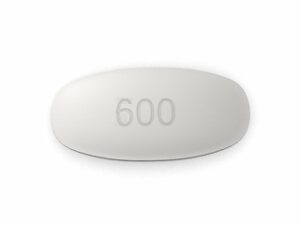
Zyloprim (Allopurinol) — Patient-Friendly Guide (UK)
Zyloprim is the brand name of allopurinol, a medicine used to reduce the level of uric acid in the body. Lowering uric acid helps prevent and treat conditions such as gout and uric acid kidney stones, and it can also be used in certain situations where uric acid levels are expected to rise.
This guide explains how Zyloprim works, when it’s used, how to take it, key safety considerations, and practical tips—written for people in the United Kingdom.
Basic product information
| Feature | Details (typical) |
|---|---|
| Active ingredient | Allopurinol |
| Common brand | Zyloprim |
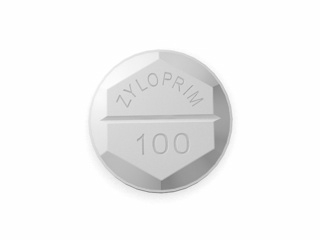
| Medicinal form | Tablets (strengths may vary) |
| What it does | Reduces uric acid production |
| How it’s used | Long-term urate-lowering therapy (in many cases) |
How Zyloprim works (mechanism of action)
Uric acid is produced when the body breaks down purines—substances found naturally in the body and also present in some foods. When uric acid levels become too high, it can form crystals in joints and tissues, triggering gout attacks. It can also contribute to kidney stones.
Zyloprim (allopurinol) reduces uric acid by blocking an enzyme called xanthine oxidase. This enzyme helps convert substances in the purine pathway into uric acid. By inhibiting xanthine oxidase, allopurinol:
- reduces uric acid production
- helps lower blood urate levels over time
- can prevent future gout flares and reduce tophi (lumps made of urate deposits) in long-term disease
Pharmacokinetics (how the body handles it)
Understanding how the medicine moves through the body can help you know what to expect.
- Absorption: Allopurinol is absorbed after oral dosing.
- Metabolism: It is converted to an active metabolite called oxipurinol, which contributes to the uric-acid-lowering effect.
- Half-life & duration: The metabolite oxipurinol has a relatively long duration of action, allowing for once-daily or divided dosing in many people.
- Excretion: Both allopurinol and oxipurinol are eliminated mainly via the kidneys.
Practical meaning: Because the effect depends on lowering urate stores and maintaining levels, improvements may not be immediate. Many people feel benefit after weeks, and optimal control may take longer.
Typical uses in the UK
Zyloprim is used to treat conditions where reducing uric acid is beneficial. Common indications include:
- Gout (hyperuricaemia with gout), including prevention of flares in people with recurring gout
- Uric acid kidney stones
- Urate lowering in certain situations where uric acid levels are expected to rise (for example, in some cancer-related treatments where tumour breakdown occurs—this is specialist-led)
Clinicians may use Zyloprim as ongoing therapy to keep urate levels low and prevent further crystal formation.
When should you take Zyloprim? (timing and routine)
Once daily is common, though some people require split dosing. The “best time” is often the time you can take it consistently.
- Take with water.
- Try to take it at the same time each day.
- If you forget a dose: take it when you remember unless it’s close to the time for the next dose. Do not double up.
- Hydration matters: drink adequate fluids unless your doctor has advised fluid restriction (e.g., in some heart or kidney conditions).
Important: If you are starting Zyloprim while you currently have gout symptoms, flare-ups can sometimes happen early in treatment. Your clinician may recommend protective measures to reduce initial flare risk.
Food interactions
Unlike some medicines that require strict food restrictions, Zyloprim does not generally have major interactions with most foods. However, diet can influence gout and uric acid levels.
Diet and urate:
- Limit high-purine foods (for example, certain organ meats and some types of seafood) if you have gout.
- Reduce alcohol (especially beer and spirits) and sweetened drinks, as these can increase uric acid and trigger flares.
- Maintain hydration—this helps reduce the risk of kidney stones.
General food advice: You can usually take Zyloprim with or without food. If it upsets your stomach, taking it with a meal may help.
Alcohol interactions
While Zyloprim doesn’t usually have a direct “chemical” interaction with alcohol, alcohol can significantly affect gout by raising uric acid levels and increasing the likelihood of flare-ups.
- Beer and spirits are more likely to trigger gout than some other alcoholic drinks.
- Large amounts of alcohol are particularly associated with flares.
- If you have gout, consider limiting or avoiding alcohol—especially during periods when your urate levels are being adjusted.
Tip: If you drink alcohol, do so in moderation and discuss your personal risk with a healthcare professional.
Interactions with other medicines (including important examples)
It’s important to check other medicines you take, including over-the-counter products and supplements.
Medicines that can increase side effects or risks
- Azathioprine and mercaptopurine: Allopurinol can increase the effect of these medicines. Doses often need adjusting.
- Warfarin (and other coumarin anticoagulants): Monitoring may be needed, as effects on blood clotting could change.
- Didanosine (for HIV): Combination can increase risks; this depends on the clinical regimen.
Medicines that affect uric acid levels
- Uricosurics (agents that increase uric acid excretion) may be used in selected circumstances, but combinations should be planned by a clinician.
- Thiazide and loop diuretics can increase uric acid in some people, potentially influencing gout control.
Key caution: kidney function and dose adjustment
Because allopurinol and oxipurinol are removed by the kidneys, kidney impairment can increase the chance of side effects if the dose is too high. Dose selection and monitoring should consider your kidney function.
Always tell your pharmacist or prescriber about:
- all prescription medicines
- over-the-counter pain relief and cold/flu remedies
- herbal products (e.g., if you use them regularly)
- vitamin/mineral supplements
Dosing (how Zyloprim is typically started and adjusted)
Dose depends on your condition, current urate levels, and kidney function. Many people require dose adjustment over time to reach a target urate level.
General principles:
- Start low to reduce the risk of early flare-ups and adverse reactions.
- Adjust gradually based on blood test results (serum urate) and tolerability.
- Use lower doses if you have impaired kidney function.
- Follow your local plan for monitoring and targets.
Typical dose patterns (illustrative):
- Starting doses are often low and increased stepwise.
- Maintenance doses vary widely between individuals.
Monitoring: Blood tests may include serum urate and kidney/liver function checks, particularly early in treatment and after dose changes.
Do not change dose or stop Zyloprim without speaking to a healthcare professional. Stopping can allow urate levels to rise again, increasing flare risk.
Indications and expected outcomes
Zyloprim is commonly used for:
- Chronic gout: to maintain urate levels low enough to dissolve existing crystals gradually and prevent new ones.
- Recurrent gout attacks: to reduce the frequency and severity of future flares.
- Urate stone prevention: to reduce the risk of uric acid stones.
- Other specialist indications: where urate reduction is clinically necessary (e.g., certain high-risk situations).
What you can expect:
- Early phase: Some people experience gout flares as crystals begin to shift. Preventive measures may be recommended.
- Longer term: With consistent dosing, urate levels can stabilise and flares often reduce over time.
- To study response: Regular blood tests help confirm your urate is at target.
Safety profile and side effects
Like all medicines, Zyloprim can cause side effects. Many people tolerate it well, but it’s important to know the symptoms that require urgent advice.
Common or mild side effects
- Nausea, stomach discomfort
- Diarrhoea
- Rash (can occur—see serious reactions below)
- Changes in liver function tests (usually detected by blood testing)
Serious side effects — seek urgent medical help
Stop taking Zyloprim and seek urgent medical advice if you develop signs of a serious allergic reaction or severe skin reaction. Examples include:
- severe or widespread rash, blistering or peeling skin
- mouth ulcers or sores in the eyes
- fever with rash
- swelling of the face, lips, tongue, or throat
- difficulty breathing
Severe reactions can be rare, but they are important to recognise early.
Risk factors
The risk of some adverse skin reactions can be higher in certain groups. Your healthcare team may consider:
- Existing kidney impairment
- certain drug combinations
- rapid dose escalation
Follow titration instructions carefully—starting low and increasing slowly helps reduce risk.
Practical use tips for everyday life
- Keep up with blood tests: they help ensure you are reaching the right urate level.
- Don’t stop during a flare: many people should continue long-term therapy; flare management may be adjusted instead. Seek advice for your plan.
- Stay hydrated: aim for regular fluid intake unless you’ve been told otherwise.
- Track triggers: alcohol, dehydration, large rich meals, and some illness/dehydration events can trigger gout.
- Medication review: ask your GP/pharmacist to review other medicines that may raise urate levels.
- Use a pill organiser: helpful for consistent daily dosing.
Alternative options to consider
If Zyloprim isn’t suitable, doesn’t work well enough, or causes side effects, there are other urate-lowering options. Your healthcare professional can advise which is appropriate for you.
Common alternative urate-lowering therapies
- Febuxostat: another xanthine oxidase inhibitor. It may be used when allopurinol isn’t tolerated. Suitability depends on individual risk factors.
- Uricosuric medicines (e.g., probenecid): increase urinary uric acid excretion in selected people (availability and suitability depend on UK prescribing practices).
- Urate management strategies alongside diet and lifestyle: may be recommended depending on the cause and severity.
Non-medicine options that can help reduce gout triggers include weight management, improved hydration, and limiting high-purine foods and alcohol.
Do not switch without medical advice; urate-lowering regimens need careful planning and monitoring.
UK market & legal context (what this means for you)
In the UK, Zyloprim (allopurinol) is an established medicine with ongoing clinical use for gout and related conditions. Healthcare professionals typically base treatment on national and local guidance, balancing benefits with safety—especially regarding kidney function and the risk of severe skin reactions.
Access is usually through routine NHS pathways or private prescribing services, depending on individual circumstances. Medicines in this category are generally provided with patient information and monitoring recommendations.
Recent UK guidance and practice trends:
- Ongoing emphasis on treat-to-target urate management, rather than “one-size-fits-all” dosing.
- Increased focus on preventing early gout flares when starting urate-lowering therapy.
- Continued attention to safe initiation and gradual dose titration, particularly in people with reduced kidney function.
Your clinician may also consider additional risk factors and may follow locally recommended monitoring schedules.
Delivery and availability (UK)
Availability of Zyloprim can vary by pharmacy, but as an established treatment it is often stocked. Delivery times depend on the courier service and your location within the UK.
- Standard delivery: commonly available in the UK with typical processing/dispatch times.
- Packaging: medicines are usually dispatched in appropriate pharmacy packaging with labeling.
- Storage: follow the storage instructions on the pack (typically store at room temperature, protect from moisture, and keep out of reach of children).
- Keep tablets in original packaging to ensure correct strength identification.
If you have urgent needs, check delivery options at checkout or contact the pharmacy team.
FAQ — Frequently asked questions
1) How long does it take for Zyloprim to work?
Zyloprim lowers uric acid levels, but symptom improvement often takes time. Some people notice changes within weeks, while more significant gout control can take several months—especially if crystals have built up over years. Regular blood tests help guide dose adjustment.
2) Will I still have gout attacks when I start Zyloprim?
It’s possible. When urate levels start to fall, existing crystals can become unstable, causing flares early in treatment. Many clinicians use preventive anti-inflammatory strategies during initiation. Don’t stop Zyloprim unless you’re advised to.
3) Can I take Zyloprim with painkillers for gout?
Often, yes. Common options for short-term flare relief may include anti-inflammatory pain medicines, but suitability depends on your medical history (e.g., stomach ulcer risk, kidney function, blood pressure, or blood thinning medicines). Ask your pharmacist if you’re unsure.
4) Should I change my diet while taking Zyloprim?
Diet changes can support treatment. Reducing alcohol (especially beer/spirits), limiting high-purine foods, and staying well hydrated can reduce flare frequency. Zyloprim and lifestyle measures work best together.
5) Is Zyloprim safe for people with kidney problems?
It can be used, but dosing must be adjusted carefully and monitoring may be more frequent. Tell your healthcare professional about kidney function and any history of kidney disease or reduced urine output.
6) What should I do if I miss a dose?
Take it when you remember unless it’s close to the next dose. Do not take a double dose to catch up. If you often forget doses, consider a reminder or pill organiser.
7) Are there any foods or drinks I should avoid?
Zyloprim isn’t known for major food interactions, but gout triggers may include alcohol and dehydration. Keeping hydrated and limiting alcohol can help.
8) Can I drink alcohol while taking Zyloprim?
You can usually drink, but alcohol can trigger gout flares and raise uric acid. For best results, limit alcohol—especially beer and spirits—and avoid binge drinking.
9) What symptoms mean I should stop and get urgent help?
Seek urgent medical advice for severe rash, blistering or peeling skin, mouth sores, fever with rash, or signs of breathing/swelling problems. Severe skin reactions are rare but require prompt attention.
10) What if Zyloprim doesn’t lower my urate enough?
Your clinician may adjust the dose and check whether you’re taking it consistently. If your urate still can’t reach target or side effects occur, they may consider alternative urate-lowering options.
Disclaimer: This page is for general information. Individual suitability, dosing, and monitoring vary. If you have concerns about side effects, interactions, or starting/stopping treatment, speak to a pharmacist or healthcare professional.