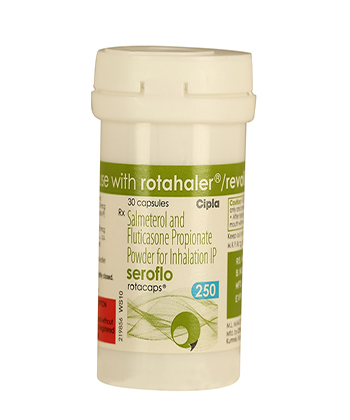
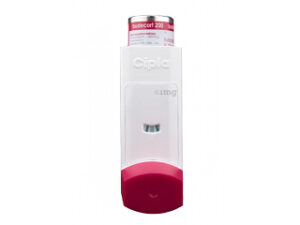
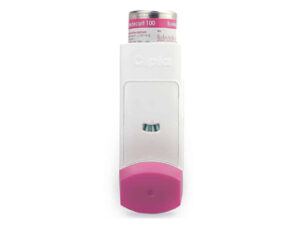
Advair Rotahaler (Fluticasone propionate) – Patient Information (UK)
Advair Rotahaler is an inhaler that delivers fluticasone propionate to the lungs. It is used to help control long-term breathing problems, especially asthma and related inflammatory conditions. This page explains how it works, how it is used in everyday life, and what to expect regarding safety and interactions.
1) Basic product information
| Feature | Details |
|---|---|
| Medicinal ingredient | Fluticasone propionate |
| Medicine type | Inhaled corticosteroid (ICS) |
| Administration | Inhalation using the Rotahaler device (breath-actuated) |
| Common purpose | Long-term control of airway inflammation |
| Typical use frequency | Usually 1–2 times daily depending on product strength and condition |
| Onset of benefit | Some improvement may be felt within days; full benefit can take weeks |
Advair Rotahaler is designed to release fluticasone into the lungs during inhalation. It reduces airway inflammation, which helps prevent symptoms such as wheeze, chest tightness and breathlessness.
2) How Advair Rotahaler works (mechanism of action)
Fluticasone propionate is a corticosteroid that works locally in the airways. When inhaled, it targets inflammatory processes that contribute to asthma symptoms.
- Reduces airway inflammation: calms swelling and irritation in the bronchial tubes.
- Decreases immune activity in the airways: helps reduce the release of inflammatory mediators.
- Improves airway responsiveness: makes the airways less reactive to triggers (such as dust, smoke or allergens).
- Helps prevent symptom flare-ups: regular use lowers the likelihood of exacerbations.
Important: Advair Rotahaler is a controller medicine. It is not the same as a quick-relief inhaler. For sudden symptoms, most people will also use a fast-acting reliever (often a short-acting bronchodilator) as advised.
3) Pharmacokinetics: what happens in the body
Inhaled fluticasone is absorbed through the lungs and, to a smaller extent, the gut if some dose is swallowed. Because it acts mainly in the lungs, systemic absorption is generally lower than with oral steroids.
Absorption
- Lung deposition occurs during inhalation; some medication may deposit in the mouth or throat.
- Swallowed fraction may be absorbed from the gastrointestinal tract, but is largely inactivated.
- Oral rinsing after inhalation can help reduce side effects like throat irritation or oral thrush.
Distribution and metabolism
- Fluticasone is metabolised mainly by CYP3A4 (an enzyme in the liver and gut).
- This is relevant to drug interactions: some medicines can increase fluticasone levels.
Elimination
- Fluticasone and its metabolites are cleared primarily through the body’s normal metabolic and excretory pathways.
- Because systemic exposure is usually limited with inhaled use, many patients have low risk of widespread steroid effects when used correctly.
4) What Advair Rotahaler is used for (indications)
Advair Rotahaler is used to prevent and control inflammatory airway disease. The most common conditions include:
- Asthma (including people needing regular anti-inflammatory treatment)
- Chronic obstructive pulmonary disease (COPD) in certain circumstances (only when it is clinically indicated by a clinician)
- Other inflammatory conditions affecting the airways where an inhaled steroid is appropriate
Use may differ depending on age, severity, symptom pattern and whether additional medicines (such as long-acting bronchodilators) are needed. Always follow the treatment plan provided by your healthcare professional.
5) How to take it (typical dosing & timing)
The exact dose depends on the product strength and your individual asthma/COPD plan. The sections below are general patient guidance. If your inhaler instructions differ, follow the leaflet supplied with your medicine and your clinician’s advice.
Typical timing
- Usually taken regularly (e.g., once or twice daily), even when symptoms are mild or absent.
- Try to take it at the same times each day to help maintain consistent control.
- If you are also using another inhaler, the order may matter—your pharmacist or clinician can confirm the correct sequence.
Using the Rotahaler device (general approach)
Rotahaler inhalers are designed to deliver the medicine when you inhale through the device. Steps can vary slightly by model, but the key principles are:
- Prepare: hold the inhaler correctly and load/prep the dose according to the device instructions.
- Exhale away from the mouthpiece (so you do not blow into the device).
- Inhale firmly and deeply through the mouthpiece.
- Hold your breath briefly (about 5–10 seconds if comfortable) to let the medicine settle in the lungs.
- Close and rinse (if the product guidance recommends): rinse your mouth and spit out the water. Avoid swallowing the rinse.
What to expect
- Quick relief is not the main effect of fluticasone. Symptom improvement may develop over days to weeks.
- If your breathing suddenly worsens, use your fast-acting reliever as directed in your asthma/COPD action plan.
- If symptoms are not improving or you need reliever more often, contact your clinician.
Missed dose
If you miss a dose, take it as soon as you remember unless it is close to your next scheduled dose. Do not take a double dose to make up for a missed one. If you are unsure, ask your pharmacist for advice.
6) Food, alcohol and medicine interactions
Food interactions
There are typically no specific dietary restrictions for inhaled fluticasone. However, it may be helpful to avoid taking medicines that cause nausea immediately before inhalation. Rinsing your mouth after use helps reduce local side effects.
Alcohol
Moderate alcohol intake is not usually a direct interaction with inhaled fluticasone. Still, alcohol can worsen reflux, affect sleep and trigger asthma symptoms in some people. If alcohol makes your breathing worse, consider reducing intake and discuss your triggers with a clinician.
Key medicine interactions (important)
Fluticasone is metabolised by CYP3A4. Medicines that strongly inhibit CYP3A4 may increase fluticasone levels, raising the risk of steroid-related side effects.
- Strong CYP3A4 inhibitors (examples include some antiviral medicines and certain antifungals) may significantly increase exposure.
- Some cobicistat-containing regimens and certain azole antifungals can increase fluticasone concentrations.
- Systemic corticosteroids: taking oral steroids alongside inhaled fluticasone may increase overall steroid exposure.
- Other inhalers (e.g., relievers or bronchodilators): these do not usually interact directly, but timing and technique matter.
- Medicines for asthma/COPD control: your clinician may adjust your plan if you are starting or stopping other respiratory medicines.
Always tell a pharmacist or clinician about all medicines you take, including over-the-counter products and herbal preparations. If you are uncertain, check with a healthcare professional before combining treatments.
7) Safety profile and important precautions
Inhaled corticosteroids are generally well tolerated when used correctly. Side effects are usually local (in the mouth and throat) and may be reduced by rinsing after each dose.
Common side effects
- Throat irritation or hoarseness
- Oral thrush (candidiasis): white patches in the mouth, sore tongue or persistent bad taste
- Mild cough shortly after inhalation
- Dry mouth or discomfort in the mouth
Less common but important effects
- Systemic steroid effects are uncommon at inhaled doses, but risk increases with higher doses or prolonged use.
- Adrenal suppression: more likely if high doses are used or if switching from oral steroids.
- Bone effects: long-term high-dose inhaled steroid use may contribute, especially in people with additional risk factors.
- Eye problems: prolonged steroid exposure is associated with cataracts or glaucoma (discuss long-term risks).
- Growth effects in children: clinicians monitor growth routinely when inhaled steroids are used in paediatric care.
When to seek urgent medical advice
Get urgent help if you experience signs of a severe allergic reaction or sudden worsening breathing, such as:
- Swelling of the face, lips, tongue or throat
- Difficulty breathing or wheezing that rapidly worsens
- Severe rash or hives
- Uncontrolled breathlessness despite using your reliever as advised
Special precautions
- Active or past infections (especially fungal or tuberculosis): your clinician may want extra monitoring.
- Recent mouth/throat infection: thrush risk is higher; speak to your pharmacist about preventive measures.
- Switching from steroid tablets: never stop oral steroids suddenly without clinical guidance.
- Children and adolescents: ensure correct technique and monitoring (especially growth).
- Pregnancy and breastfeeding: many people can use inhaled steroids safely, but it should be discussed with a clinician to balance benefits and risks.
Overuse and misuse concerns
Using more than the prescribed dose increases the likelihood of side effects without improving control. Use only the number of inhalations/doses recommended.
8) Practical use tips for the best results
Technique matters
A large proportion of inhaler “failure” is due to incorrect technique rather than the medicine itself. If symptoms remain uncontrolled, check your technique with a pharmacist, nurse or GP practice team.
- Inhale strongly and steadily through the mouthpiece.
- Don’t inhale through the nose if the device is mouth-activated.
- Keep your mouth sealed around the mouthpiece during inhalation.
- Rinse and spit after use to reduce thrush and hoarseness.
Keep track of symptoms
Consider using a simple diary to note symptoms, reliever use and any triggers. If you need reliever more often than usual or wake at night with symptoms, it may indicate poor control. Speak to your clinician promptly.
Device care
- Store at a suitable temperature and protect from moisture.
- Do not use if the device is damaged or parts are missing.
- Check the expiry date and replace when advised.
Common patient questions about side effects
- “My voice is hoarse.” This can happen with inhaled steroids; rinsing after use often helps. Discuss persistence.
- “I think I have thrush.” Contact your pharmacist or clinician. Do not stop your inhaled steroid without advice.
- “It doesn’t work immediately.” Fluticasone is for long-term control; the effect builds over time.
9) Alternative options
Depending on your symptoms and risk factors, your clinician may consider other treatments. Alternatives can include:
Within inhaled corticosteroids
- Other inhaled corticosteroids (ICS) with similar anti-inflammatory effects
- Different inhaler devices (e.g., breath-actuated or metered-dose) to improve technique and adherence
Combination therapies
For many people with asthma, control may require adding a long-acting bronchodilator alongside the inhaled steroid. Combination inhalers are designed to support both inflammation control and airway opening.
Non-inhaler and adjunct options
- Leukotriene receptor antagonists (for selected patients)
- Biologic therapies for severe asthma with specific biomarkers (specialist-led)
- Smoking cessation support if relevant, and trigger management
If Advair Rotahaler is not suitable or not controlling symptoms well, consult your healthcare professional about the most appropriate alternative for you.
10) UK market & legal context for Advair Rotahaler
In the United Kingdom, inhaled medicines containing active ingredients such as fluticasone are regulated under medicines legislation. Product availability may differ between pharmacies and online dispensaries based on supply arrangements and local stock.
- Brand names and device availability can vary over time.
- Different strengths may be available; choose the correct strength as part of your treatment plan.
- Patient information should always be aligned with the specific product and strength supplied.
If you have questions about suitability for your condition, it is best to speak to your pharmacist or clinician, especially if you have other long-term conditions.
11) Recent UK guidance (high-level overview)
UK asthma and COPD management emphasises inhaler technique, regular anti-inflammatory treatment where indicated, and personalised action plans. Clinicians also consider:
- Assessing control and adherence (including correct inhaler use)
- Using validated tools (such as symptom review and reliever use patterns)
- Stepping treatment up or down according to symptom control
- Reducing risk of side effects through correct dosing and mouth rinsing
- Trigger identification and minimisation (e.g., smoke exposure, allergens, respiratory infections)
While this page offers general patient information, your individual plan should follow guidance from UK healthcare professionals and your own diagnosis.
12) Delivery and availability (online pharmacy)
Availability of Advair Rotahaler may depend on the specific strength and current supply. When ordering online in the UK, you may see:
- Standard delivery options for in-stock items
- Dispatch times that can vary depending on stock levels
- Packaging designed to protect inhaler devices during transport
Delivery timeframes are normally provided at checkout. If your order is time-sensitive, select an appropriate delivery option and check the estimated dispatch and delivery dates shown.
If you require help matching the correct strength or device, consult the product listing details or contact a pharmacist.
13) FAQ
Is Advair Rotahaler the same as a reliever inhaler?
No. Advair Rotahaler (fluticasone) is an anti-inflammatory controller. Reliever inhalers act faster to ease sudden symptoms. Use your reliever as directed in your action plan for flare-ups.
How long does it take to work?
Some people notice improvement within a few days, but the full benefit of inhaled steroids usually develops over several weeks. Keep using it regularly unless your clinician advises otherwise.
Should I rinse my mouth after using it?
Yes, rinsing (and spitting out) after inhalation can help reduce the risk of thrush and hoarseness. Follow the instructions supplied with your specific product.
What if I miss a dose?
Take it when you remember unless it is nearly time for your next dose. Do not take extra doses to compensate. If unsure, ask your pharmacist for advice.
Can I take it with other medicines?
Many people take inhaled fluticasone alongside bronchodilators. However, interactions can occur—especially with medicines that inhibit CYP3A4 (such as certain antifungals or antiviral medicines). Tell your pharmacist about all medicines you are taking.
Does alcohol affect Advair Rotahaler?
There is usually no direct interaction with alcohol for inhaled fluticasone, but alcohol may worsen symptoms in some people by affecting sleep or reflux. If alcohol triggers breathing problems, reduce intake and discuss your triggers.
What side effects should I watch for?
Common effects include hoarseness, throat irritation and oral thrush. Contact a healthcare professional if symptoms persist or you notice signs of thrush. Seek urgent care for severe allergic reactions or sudden severe breathing worsening.
Is it safe to use in children?
Inhaled fluticasone can be used in children when clinically indicated. Technique, dose correctness and monitoring (including growth considerations) are important. Ask your clinician about the appropriate plan and follow-up.
What should I do if my breathing gets worse?
Follow your action plan. Use your reliever as directed for acute symptoms. If symptoms are not responding or you need reliever more frequently, contact urgent medical services or your clinician as appropriate.
Can I use Advair Rotahaler during pregnancy or breastfeeding?
Many patients can use inhaled corticosteroids during pregnancy and breastfeeding, but it should be discussed with your clinician to ensure the benefits for asthma control outweigh any potential risks.