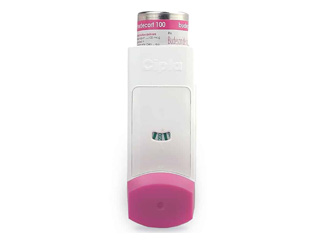
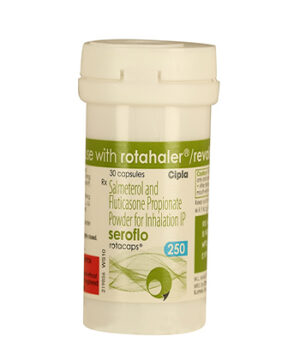
Budecort (Budesonide) – Patient-Friendly Guide (UK)
Budecort is a medicine containing budesonide, a corticosteroid used to reduce inflammation in the airways. In the UK it is commonly prescribed and supplied in different forms (most often inhaled for asthma and inhaled nose sprays for nasal symptoms, depending on the product strength and device). This guide explains what budesonide does, how it works in the body, how it is typically used, what to expect, and how to use it safely.
Always follow the instructions provided with your specific Budecort product and device. If you are unsure which version you have (e.g., inhaler vs nasal preparation), check the pack or ask your pharmacist.
Key facts at a glance
- Active ingredient: Budesonide
- Class: Inhaled/nasal corticosteroid (anti-inflammatory)
- What it helps: Reducing airway or nasal inflammation, helping control symptoms over time
- How it works: Targets inflammation at the site, with less whole-body steroid exposure than some alternatives
- When it works: Best effect builds over days; some improvement may be felt sooner
- Common side effects: Hoarseness, throat irritation (inhaled forms), nasal dryness or nosebleeds (nasal forms), oral thrush
Basic product information
| Feature | Typical information |
|---|---|
| Brand | Budecort |
| Generic name | Budesonide |
| Medicinal type | Corticosteroid (anti-inflammatory) |
| Common forms in practice (UK) | Inhaled preparations (for asthma) and intranasal preparations (for allergic rhinitis/nasal inflammation), depending on the specific product |
| Where it acts | Airways (inhaled) or nasal passages (intranasal) |
| Goal of treatment | Long-term control by reducing inflammation and preventing flare-ups |
How Budecort works (mechanism of action)
Budesonide is a corticosteroid that reduces inflammation. After you use it, it helps lower the activity of inflammatory pathways in the lining of the airways or nose. This can:
- reduce swelling and mucus production
- decrease sensitivity of the airway/nasal lining
- reduce the likelihood of symptoms worsening over time
By controlling the underlying inflammation, budesonide helps improve breathing or reduces nasal symptoms. It is not designed to stop a sudden attack immediately (especially relevant for asthma), but it is important for day-to-day control.
Pharmacokinetics (what happens in the body)
“Pharmacokinetics” describes how the body absorbs, distributes, metabolises, and eliminates a medicine. For budesonide, several features are important:
- Local effect: With inhaled or intranasal use, a key part of the effect occurs where the medicine is delivered—within the airways or nose.
- Absorption: A portion may be swallowed (particularly with inhaled devices) and absorbed through the gut, though the swallowed fraction generally contributes less to the intended local effect.
- Metabolism: Budesonide is extensively metabolised, mainly in the liver, into metabolites with significantly less corticosteroid activity than the parent drug.
- Excretion: Metabolites are eliminated, largely through urine.
- Onset and duration: Clinical benefit typically develops over days, reflecting its anti-inflammatory action.
What Budecort is typically used for (indications)
Budesonide preparations are used to treat inflammatory conditions. The exact indications depend on the specific Budecort product (inhaler vs nasal spray) and strength.
Common uses in the UK
- Asthma (inhaled budesonide): For long-term control to reduce symptoms such as wheeze, breathlessness, and coughing.
- Allergic rhinitis / nasal inflammation (intranasal budesonide): To reduce nasal congestion, sneezing, and runny nose associated with allergies.
- Chronic nasal symptoms: Sometimes used for ongoing inflammation of the nose as advised by a clinician.
Budesonide is commonly used alongside other asthma medicines (for example, bronchodilators) as part of a personalised plan.
Timing and how to use Budecort
Correct timing and technique help you get the intended benefit and reduce side effects. The sections below apply generally; always follow the instructions for your exact Budecort device and strength.
For inhaled budesonide (asthma) – practical timing
- Use regularly: It works best when taken consistently, even when you feel well.
- Daily schedule: Many regimens are once or twice daily depending on dose and product.
- Expect gradual improvement: Some people notice improvement earlier, but full benefit may take several days (and sometimes longer) of consistent use.
- Rinse after use: If your inhaled product delivers medicine that can settle in the mouth/throat, rinsing and spitting (or brushing teeth) can reduce risk of oral thrush.
For intranasal budesonide (nasal symptoms) – practical timing
- Use daily during flares: Many people are advised to use it regularly for best results.
- May take a few days: Nasal inflammation often improves over days rather than instantly.
- Gentle technique matters: Aim away from the septum (the middle part of the nose) to reduce irritation and nosebleeds.
Food interactions
For inhaled and intranasal budesonide, the main intended effect is local, and clinically important food interactions are generally not a major issue. However, practical points still matter:
- If swallowed: Some swallowed drug may occur. Food is not usually a problem, but if you find it upsets your stomach, use it at a time that suits you.
- Oral hygiene: For inhalers, avoid eating or drinking immediately after use if your clinician advises you to wait—especially if your device instructions suggest rinsing first.
If you have liver problems or take multiple interacting medicines, ask your pharmacist for individual advice.
Alcohol and medicine interactions
Alcohol
There is no universally required “absolute” avoidance of alcohol with budesonide. However:
- Moderation is sensible: Alcohol may worsen reflux, sleep quality, or respiratory symptoms in some people, which can indirectly affect asthma control.
- Infections: If you are fighting an infection, heavy alcohol intake can weaken overall resilience—seek advice if symptoms worsen.
If you are on other medications (e.g., for infections) or have liver disease, it’s best to ask a pharmacist about your specific situation.
Medicine interactions (important)
Budesonide is metabolised primarily via enzymes in the liver. Medicines that strongly affect these pathways can change budesonide levels in the body.
Tell your pharmacist or clinician if you take:
- Strong CYP3A4 inhibitors (examples often include some antifungals and certain antibiotics): these can increase budesonide exposure, potentially raising the risk of steroid side effects.
- Other corticosteroids (oral, injections, or high-dose topical steroids): combining may increase overall steroid exposure.
- HIV/HCV medicines and other complex therapies: interactions can vary; a professional check is recommended.
- Medicines that suppress immunity: if you develop signs of infection, seek medical advice.
Most interaction decisions depend on the exact product and your dose. Your pharmacist can check your medicines against budesonide.
Dosing – typical approach in the UK
Dosing depends on the specific Budecort formulation (inhaler vs nasal spray), strength, your age, symptom severity, and overall asthma/nasal control plan. Below is a general guide; always use your pack instructions or the advice provided with your product.
Inhaled budesonide (asthma) – general principles
- Start dose: Usually chosen based on current control and severity.
- Adjustments: Clinicians often review control periodically and may increase or decrease the dose (“step up/step down”) to maintain good control with the lowest effective dose.
- Do not stop suddenly: If budesonide has been controlling your symptoms, stopping abruptly may increase inflammation and trigger worsening.
Intranasal budesonide (nasal symptoms) – general principles
- Once or twice daily: Some people use it once daily; others may need twice daily depending on symptoms and product strength.
- Seasonal vs ongoing use: For seasonal allergy, it may be used during relevant periods. For chronic symptoms, it may be continued longer as advised.
Missed dose: If you miss a dose, take it when you remember unless it is close to the next dose. Do not double up. If you are unsure, ask your pharmacist.
Safety profile – what to watch for
Budesonide is generally well tolerated when used correctly. Because it is a corticosteroid, the key risks are related to local side effects (mouth/nose irritation) and—less commonly—effects that occur when systemic exposure is higher (for example, high doses or interacting medicines).
Common side effects
- Inhaled forms: hoarseness/voice changes, throat irritation, cough after inhalation, and oral thrush (a fungal infection in the mouth).
- Nasal forms: nasal dryness, mild burning/stinging, nosebleeds (particularly when technique is rough or when the nasal lining is already irritated).
Less common but important risks
- Systemic corticosteroid effects: Uncommon with typical inhaled/nasal doses, but risk can increase with high dose, frequent use, or strong interacting medicines. These may include effects on bones, growth in children, cataracts, or adrenal suppression.
- Infections: Corticosteroids can slightly affect immune responses. Seek advice if you develop symptoms of serious infection.
- Worsening asthma symptoms: If your asthma control is deteriorating, reassess your plan rather than simply increasing dose without guidance.
Seek urgent advice if
- Your breathing suddenly worsens, or you are struggling to speak in full sentences.
- You experience severe allergic reaction symptoms (e.g., swelling of face/lips, severe rash, difficulty breathing).
- You develop signs of significant infection (high fever, severe sore throat with worsening ulcers, or breathlessness beyond usual pattern).
Who should take extra care?
- Children: Clinicians monitor growth and control; use the lowest effective dose.
- People with existing eye conditions: Long-term steroid exposure can affect eyes in some cases.
- People with liver impairment: Because metabolism involves the liver, a dose review or added caution may be needed.
- Those using interacting medicines: Particularly medicines that inhibit liver enzymes.
Practical use tips (to get the best results and reduce side effects)
Inhaler technique (if using inhaled Budecort)
- Check your technique: Many treatment failures are due to incorrect inhaler technique.
- Use a spacer if advised: For some devices, a spacer can improve delivery to the lungs and reduce throat deposition.
- Rinse your mouth after: Helps prevent thrush.
- Store correctly: Keep away from moisture and heat as instructed on the pack.
Using a nasal spray (if using intranasal Budecort)
- Gently blow your nose first: Clears mucus for better absorption.
- Angle the nozzle: Aim slightly outward (away from the septum) to reduce nose irritation.
- Use consistently: If symptoms are inflammatory, skipping doses can reduce effectiveness.
- Clean the applicator: Follow pack instructions to prevent blockages.
Managing hoarseness or mouth problems
- If you notice voice changes, check rinsing and technique.
- Ask a pharmacist if you should review your device, spacing, or frequency.
- If you suspect thrush (white patches, sore mouth), seek advice promptly.
Alternative options to Budecort (UK)
Depending on whether you are treating asthma or nasal inflammation, alternatives may include:
Asthma (inhaled anti-inflammatory options)
- Other inhaled corticosteroids (different active ingredients, similar anti-inflammatory purpose)
- Combination inhalers that include an inhaled corticosteroid plus a bronchodilator (long-acting reliever/controller combinations)
- Non-steroid preventers (e.g., leukotriene receptor antagonists) in selected cases as advised
Allergic rhinitis / nasal inflammation
- Other intranasal corticosteroids (alternative brands/ingredients)
- Intranasal antihistamines or oral antihistamines for symptom relief
- Saline rinses or sprays to reduce irritation and improve comfort
Your best option depends on your symptoms, previous response, and device preference. A pharmacist can help you compare options available in the UK and advise on safe switching.
UK market and legal context (what this means for patients)
Budesonide-containing products are widely used in the UK and are part of standard treatment pathways for asthma and rhinitis. Medicines availability, brand choice, and whether a product is supplied via certain routes can vary. Your local pharmacy can confirm the appropriate product for your needs.
In the UK, asthma and allergy care commonly follow guidance from professional bodies such as NICE and the British Thoracic Society/Scottish Intercollegiate Guidelines Network (BTS/SIGN) for asthma, plus relevant allergy guidance. Clinical decisions generally aim for control with the lowest effective steroid dose.
Recent guidance and evidence themes (overview)
While individual recommendations depend on the guideline year and your personal clinical context, current UK practice commonly emphasises:
- Regular anti-inflammatory control for asthma rather than relying solely on reliever inhalers.
- Correct inhaler technique and ensuring patients use devices properly.
- Stepping treatment up or down based on symptom control, exacerbations, and risk factors.
- Minimising side effects by using the lowest effective corticosteroid dose.
- Preventing thrush and irritation through mouth rinsing and device/spacer optimisation for inhaled steroids.
For rhinitis, intranasal steroids are commonly recommended as effective first-line options for inflammatory nasal symptoms, especially when symptoms persist or are moderate to severe.
Delivery and availability in the UK
Budecort (budesonide) is typically available through UK pharmacy channels, subject to stock levels and the specific formulation you require (for example, strength and delivery device for inhaled products, or spray format for nasal products).
- Availability: Availability may vary by location and product strength.
- Delivery: Online pharmacies usually deliver within agreed timeframes; delivery options can depend on postcode and stock status.
- Packaging: Medicines are provided in sealed manufacturer packaging where possible to maintain quality.
If your preferred strength is temporarily unavailable, your pharmacy may offer an equivalent alternative or advise when it can be restocked.
FAQ – Frequently asked questions
1) Is Budecort a “reliever” medicine?
Usually no. Budecort (budesonide) is an anti-inflammatory “controller” medicine designed for ongoing symptom control. For quick relief during an asthma flare, a separate reliever (often a bronchodilator) is typically used as part of your action plan.
2) How long does it take to work?
Many people notice improvement over several days. For nasal symptoms, it may also take a few days to reach full effect. Consistent use is important.
3) Can I use Budecort if I have a cold?
Often yes—unless you are advised otherwise. A cold can worsen asthma or nasal symptoms. If you develop more severe breathing problems, high fever, or symptoms suggesting infection, seek advice promptly.
4) What should I do if I miss a dose?
Take it when you remember unless it’s nearly time for your next dose. Don’t take a double dose. If you’re unsure, ask your pharmacist.
5) Will Budecort cause thrush?
It can, especially with inhaled corticosteroids. The risk is reduced by rinsing your mouth and spitting after use and by ensuring good inhaler technique. If you notice white patches, persistent sore mouth, or burning, seek advice.
6) Can I drive or operate machinery?
Budesonide itself usually does not affect driving ability. However, breathing difficulties from uncontrolled symptoms may make driving unsafe. If you’re unwell, use caution and seek appropriate help.
7) Are there foods I should avoid?
Food interactions are generally not a major concern with inhaled or intranasal budesonide. Focus on good oral care after inhaled use. Follow your product instructions.
8) Can I drink alcohol while using Budecort?
Moderate alcohol is typically acceptable, but it may worsen reflux or respiratory symptoms for some people. Avoid heavy drinking, and ask a pharmacist if you take other medicines or have liver disease.
9) What medicines are most likely to interact with budesonide?
Medicines that affect liver enzyme pathways (particularly strong inhibitors of CYP3A4) can increase budesonide levels. Always tell your pharmacist about all medicines and supplements you take.
10) How can I reduce the chance of nosebleeds (nasal spray)?
Use gentle technique, aim the nozzle slightly away from the septum, and don’t spray forcefully into the middle of the nose. Keeping the nasal passages comfortable (sometimes with saline) may help. If nosebleeds are frequent or heavy, seek advice.
11) Is Budecort safe for children?
Inhaled/nasal corticosteroids are commonly used in children for appropriate conditions, and careful dosing and monitoring are routine. Use the prescribed dose and ask about monitoring if you have concerns.
12) What if my asthma symptoms worsen?
If symptoms worsen despite controller use, you may need a review of your asthma plan, inhaler technique, and overall treatment. Do not rely on increasing budesonide without advice—seek urgent help if breathing is significantly affected.
Important reminders
- Use the exact device correctly—technique can make a big difference.
- Do not stop suddenly unless advised.
- Report persistent side effects such as recurrent thrush, frequent nosebleeds, or signs of infection.
- Ask for medication reviews if symptoms persist or worsen.
If you have specific questions about Budecort and your medical history, your pharmacist can help you check suitability, interactions, and correct use for your particular Budecort product and strength available in the UK.