
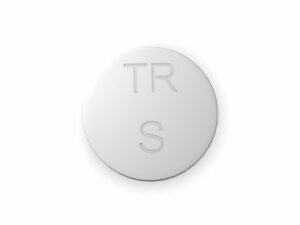

Drospirenone & Ethinyl Estradiol (Combined Oral Contraceptive)
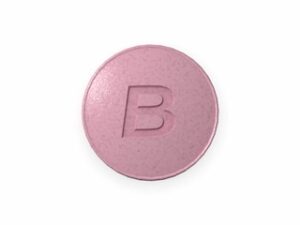
Drospirenone and ethinyl estradiol is a combined oral contraceptive (COC) used by many people in the UK to help prevent pregnancy and to treat certain hormone-related conditions. This medicine contains two female hormones: drospirenone (a progestogen) and ethinyl estradiol (an oestrogen).
This page provides patient-friendly, practical information about how the medicine works, how it’s taken, and what to consider for safety. If you have any personal medical concerns, speak with a pharmacist or prescriber.
Basic product information
- Medicine name: Drospirenone + Ethinyl estradiol
- Type: Combined oral contraceptive (COC)
- How it works: Oestrogen + progestogen to prevent ovulation and affect cervical mucus
- Typical formulation: Tablets taken daily
- Common uses in the UK: Contraception; in some cases treatment of acne or other hormone-related symptoms (depends on the exact product and licence)
Mechanism of action (how it works)
Drospirenone and ethinyl estradiol work together to reduce the chance of pregnancy by using several mechanisms:
- Prevents ovulation: The hormones suppress the natural hormonal cycle in the ovaries.
- Thickens cervical mucus: This makes it harder for sperm to pass through the cervix.
- Alters the uterine lining: The hormone combination helps make the environment less suitable for implantation.
In addition to contraception, some people benefit from more regular bleeding patterns and improvements in hormone-related skin changes, depending on the product and your individual situation.
Pharmacokinetics (what the body does with the medicine)
Pharmacokinetics describes absorption, distribution, metabolism, and elimination—how your body processes the medicine.
Absorption
When taken by mouth, the tablets are absorbed through the gastrointestinal tract. Peak hormone levels occur within a few hours after dosing (timing varies by individual and formulation).
Distribution
After absorption, hormones bind to transport proteins in the blood. This binding influences how much active drug remains available in circulation.
Metabolism
Both components are metabolised mainly in the liver. Metabolism produces inactive or less active metabolites that are then cleared from the body.
Elimination
Metabolites are eliminated largely via urine and faeces. The overall elimination pattern contributes to the need for consistent daily dosing to maintain hormonal levels.
Typical use and when it’s taken
Most products are taken as a daily tablet at the same time each day. Some packs are 21 days on / 7 days off, while others use different schedules (including continuous or extended regimens). Always follow the instructions for your specific pack.
How to start (timing overview)
The best starting approach depends on whether you are switching from another method, not using hormones previously, or restarting after a break. General guidance is outlined below:
- First day of bleeding: Often provides immediate contraceptive protection.
- Any day of the cycle: May require additional contraception for the first 7 days (unless advised otherwise for your specific product).
- Switching from another combined pill or ring: Protection is often maintained if started correctly, but timing matters.
- After pregnancy: Starting timing depends on breastfeeding status and individual clinical factors; discuss with a healthcare professional.
- After miscarriage/termination: Starting may be possible soon after, but personal circumstances apply.
If you are unsure about when to start or what to do if you miss tablets, read the pack leaflet and consult a pharmacist.
Food interactions
Food is generally not considered a major issue for combined oral contraceptives. Taking with or without food is usually acceptable. However:
- Vomiting or severe diarrhoea: If you vomit soon after taking a tablet, it may not have been fully absorbed—follow missed-tablet advice.
- Grapefruit products: These can affect certain drug-metabolising enzymes for some medicines; check with a pharmacist if you consume large amounts.
For best results, take the tablet at a time that fits your routine to reduce missed doses.
Alcohol interactions
Moderate alcohol intake is not typically expected to directly reduce contraceptive effectiveness. However, alcohol can indirectly increase risk of missed doses and can worsen side effects such as nausea or dizziness.
- Avoid missing tablets: Use phone alarms or routine hooks (e.g., “after breakfast”).
- Consider vomiting: Heavy drinking may lead to vomiting; this can affect absorption.
Medicine interactions (important safety information)
Some medicines can reduce the effectiveness of combined oral contraceptives by increasing hormone metabolism or affecting enterohepatic cycling. Others may increase side effects or alter electrolyte balance.
Medicines that may reduce effectiveness
Examples include certain enzyme-inducing medicines. Common categories include:
- Antiepileptics (some seizure medicines)
- Rifampicin or rifabutin (for certain infections)
- Some medicines for HIV (depending on regimen)
- Some herbal products, especially St John’s wort
If you start or stop any interacting medicine, you may need extra contraception (commonly condoms) for a period—this depends on the interaction and timing. Always ask a pharmacist for guidance.
Medicines that may increase potassium-related concerns
Drospirenone has antimineralocorticoid properties, which means it may affect potassium handling. Caution is advised if you take medicines that also raise potassium levels.
- Potassium-sparing diuretics (e.g., spironolactone, amiloride)
- ACE inhibitors or ARBs (for blood pressure/heart conditions)
- Potassium supplements
Not everyone requires extra monitoring, but people with kidney problems or those on these medicines may need specific advice.
Use of new medicines
If you are prescribed a new medicine, it is helpful to tell the clinician/pharmacist that you take a combined oral contraceptive. This helps check interaction risk.
Indications (what it is used for)
Depending on the specific product’s licence in the UK, drospirenone and ethinyl estradiol tablets may be indicated for:
- Contraception (prevention of pregnancy)
- Hormonal-related conditions such as moderate acne in some patients, where the medicine is specifically licensed for that purpose
- Other cycle regulation benefits (varies by product)
If you’re using the medicine for symptoms other than contraception, check the pack leaflet for the exact indications and eligibility criteria.
Dosing (how to take it)
Typical dosing is one tablet by mouth each day. The precise schedule depends on the product:
- 21 tablets then a break (commonly 7 tablet-free days)
- Different active/placebo arrangements in some packs
- Continuous regimens (fewer or no tablet-free intervals)
Choose a time you can keep every day. Many people find taking it in the evening helps if nausea occurs.
What to do if you miss a tablet
Missed tablets can reduce protection. The correct action depends on:
- How many tablets are missed
- Where you are in the pack
- The timing of missed doses compared with when you take other tablets
Because schedules vary, follow the missed-dose instructions in the pack leaflet. If you are unsure, seek advice from a pharmacist. In many cases, extra contraception (such as condoms) may be needed for several days.
Safety profile (who should be careful)
Combined oral contraceptives can be safe for many people, but they are not suitable for everyone. Important risks relate to blood clot formation and certain medical conditions.
Common side effects
Side effects can vary by individual. Frequently reported effects include:
- Nausea or mild stomach upset
- Breast tenderness
- Headache
- Changes in bleeding pattern (spotting, irregular bleeding) especially in the first months
- Mood changes in some people
- Changes in libido
Serious warning signs—seek urgent help
Combined pills are associated with an increased risk of venous thromboembolism (VTE) compared with not using them, particularly in people with additional risk factors. Seek urgent medical advice if you experience symptoms suggestive of:
- Blood clot in the leg (DVT): pain, swelling, warmth, or redness in one leg
- Blood clot in the lung (PE): sudden shortness of breath, chest pain, coughing blood, fainting
- Stroke or heart attack: sudden weakness, trouble speaking, face drooping, severe chest pain
- Severe migraine with aura or sudden severe headache
- Eye symptoms such as sudden vision changes
Conditions where COCs may be unsuitable
Your healthcare professional will assess eligibility. Examples of situations where combined pills may be avoided include:
- History of blood clots (VTE) or certain clotting disorders
- Some types of migraine (especially migraine with aura)
- Uncontrolled high blood pressure
- Serious liver disease
- Known or suspected hormone-sensitive cancers
- Smokers aged 35 or over (higher cardiovascular risk)
If any of these apply to you, speak with a pharmacist for alternatives.
Monitoring considerations
For some people—especially those with kidney problems or who take interacting medicines—clinicians may consider monitoring. Always report relevant medical history and current medicines.
Practical use tips (to maximise effectiveness and comfort)
- Take it at the same time daily: set a daily reminder on your phone.
- Use a pill organiser: helpful if you travel or manage multiple medicines.
- Be consistent with your routine: taking after a meal can reduce nausea.
- Plan for travel: keep tablets in carry-on where possible and account for time zone changes.
- If you’re ill: persistent vomiting/diarrhoea can affect absorption—follow missed-tablet guidance.
- Don’t double doses unless advised: missed-tablet instructions vary; follow the leaflet.
Alternative options
If drospirenone and ethinyl estradiol is not suitable or you prefer another approach, there are several alternatives. Options include:
Other hormonal contraception
- Different combined pills (varying types of progestogen and oestrogen)
- Progestogen-only pill (POP)
- Long-acting reversible contraception (LARC)
- Hormonal intrauterine system (IUS)
- Contraceptive implant
- Injection (where available and appropriate)
Non-hormonal options
- Barrier methods (condoms, for example)
- Intrauterine device (IUD) (non-hormonal copper option)
Choosing the right option depends on medical history, preferences, side effects, and potential interactions. A pharmacist can help explain general differences and point you towards suitable alternatives.
Market and legal context in the United Kingdom
In the UK, combined oral contraceptives are regulated medicines. Availability may differ depending on product brand and formulation. Many people obtain contraception through pharmacies, GP services, sexual health clinics, or online pharmacy services where legally permitted.
Clinical guidance emphasises that contraception choice should be individualised, and that health professionals should screen for contraindications and interacting medicines. If you have risk factors (such as clotting history, migraine pattern, or kidney concerns), a suitable alternative may be recommended.
Recent guidance (general themes)
In recent years, UK and European clinical practice has continued to focus on:
- Risk assessment for cardiovascular and clot risks prior to starting COCs
- Appropriate counselling about missed pills, illness-related absorption issues, and interactions
- Clear advice on emergency warning signs for thrombosis-related symptoms
- Awareness of drug–drug interactions, particularly with enzyme-inducing medicines
For the most accurate and up-to-date advice relevant to you, always refer to the pack leaflet and consult a healthcare professional if anything is unclear.
Delivery and availability (UK)
Delivery availability can vary by supplier and the specific product brand. Many online pharmacies in the UK offer:
- Standard and express delivery options (subject to location and stock)
- Tracked parcel delivery for many orders
- Discreet packaging
- Clear delivery estimates shown at checkout
If you need contraception urgently, check the delivery window before confirming your order, and consider a backup barrier method during any transition period.
Frequently asked questions (FAQ)
How quickly does drospirenone and ethinyl estradiol start working?
If you start during the appropriate phase of your cycle (often day 1 of bleeding), protection can begin immediately. Starting at other times may require an additional period of backup contraception—commonly 7 days—depending on the product instructions. Check the pack leaflet for your exact regimen.
What should I do if I have breakthrough bleeding or spotting?
Light bleeding or spotting can be common during the first few months as your body adjusts. If bleeding is persistent, heavy, or unusual for you, seek advice. Also check whether tablets were missed or interactions occurred.
Can I skip the break days to avoid a period?
Some regimens allow adjustments, but it depends on the exact product schedule. If you’re considering skipping or changing your pattern, consult a pharmacist and refer to your pack instructions.
What if I miss tablets?
Missed-dose instructions depend on how many tablets were missed and where you are in the pack. Read the missed-tablet section of the leaflet. In many cases, additional contraception is needed for several days. If you’re unsure, a pharmacist can advise you based on your situation.
Does diarrhoea or vomiting affect effectiveness?
Yes. If vomiting happens shortly after taking a tablet (or if severe diarrhoea occurs), the tablet may not be absorbed fully. Follow the missed-tablet guidance in the leaflet and consider using backup contraception until you’re sure you’ve taken the medicine effectively.
Can I take it with other medicines?
Some medicines can interfere with contraceptive effectiveness or safety. Always review your current medicines (including herbal products such as St John’s wort) with a pharmacist, especially if you are starting antibiotics, anti-seizure medicines, or HIV treatments.
Does alcohol interact with this contraceptive?
Alcohol does not usually have a direct interaction, but it can lead to missed tablets or vomiting, which can affect absorption. Keep your dosing routine consistent.
What are the warning signs of blood clots?
Seek urgent medical attention if you develop symptoms such as one-sided leg swelling/pain, sudden breathlessness, chest pain, coughing blood, sudden weakness or difficulty speaking, or severe migraine-like symptoms with aura.
Is it safe for everyone?
Not everyone can use combined oral contraceptives. Suitability depends on medical history, risk factors (including clot risk), migraine type, smoking status, liver health, and kidney considerations. A pharmacist can help with general information, and the pack leaflet provides contraindication details.
Are there alternatives if I get side effects?
Yes. Side effects can sometimes improve after a few cycles, but if they persist or are troublesome, you may be able to switch to a different contraceptive method such as another COC, a progestogen-only option, or a long-acting reversible method. Discuss the best option for you.
Quick reference table
| Topic | Key points |
|---|---|
| Medicine type | Combined oral contraceptive (oestrogen + progestogen) |
| Main purpose | Prevents pregnancy; may help hormone-related symptoms depending on product licence |
| How it works | Stops ovulation, thickens cervical mucus, changes uterine environment |
| How to take | Typically 1 tablet daily at the same time; follow your pack schedule |
| Food effects | Usually minimal; vomiting/diarrhoea may reduce absorption |
| Alcohol effects | No typical direct interaction; avoid missing tablets and watch for vomiting |
| Interactions to watch | Enzyme-inducing medicines and certain herbals (e.g., St John’s wort); medicines affecting potassium balance |
| Serious risks | Blood clot risk (VTE) and cardiovascular risks in higher-risk individuals |
| When to seek help | Unilateral leg pain/swelling, sudden breathlessness/chest pain, stroke-like symptoms, severe sudden headache |
Remember: This medicine must be used as directed in your specific product leaflet. If you experience concerning symptoms, or if you have questions about suitability or interactions, contact a pharmacist for advice.