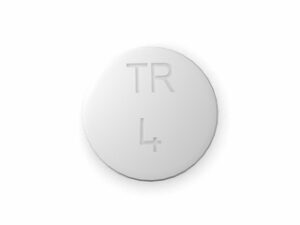
Desogestrel / Ethinyl estradiol: Patient-Friendly Guide
Desogestrel and Ethinyl estradiol is a combined oral contraceptive (often shortened to “COC”). It contains:
- Desogestrel (a progestogen)
- Ethinyl estradiol (an oestrogen)
This guide explains how the medicine works, how it is typically used in the UK, important safety information, interactions, and practical tips to help you use it effectively.
Basic product information
| Feature | What to know |
|---|---|
| Medicine name | Desogestrel / Ethinyl estradiol |
| Type | Combined oral contraceptive (combined pill) |
| How it works | Stops ovulation and thickens cervical mucus to help prevent pregnancy |
| Common schedules | Typically 21 active tablets followed by 7 tablet-free days (or a hormone-free break), depending on the brand |
| Who it’s for | People who want pregnancy prevention and are suitable for combined hormonal contraception |
| Availability | Available in the UK via pharmacy supply under the relevant healthcare pathway for contraception |
Note: Different brands may have slightly different tablet strengths and pack schedules. Always follow the instructions included with your specific product.
How desogestrel / ethinyl estradiol works (mechanism of action)
Combined oral contraceptives prevent pregnancy mainly through three actions:
- Preventing ovulation: The oestrogen and progestogen help suppress the hormones that would normally trigger ovulation.
- Thickening cervical mucus: This makes it harder for sperm to move through the cervix.
- Changing the uterine lining: The endometrium may become less suitable for implantation.
As a result, when taken correctly, combined pills are highly effective at preventing pregnancy.
Pharmacokinetics (how the body absorbs and processes it)
Pharmacokinetics describes how the body absorbs, distributes, metabolises, and eliminates the medicine.
Absorption
- Ethinyl estradiol is absorbed after taking the tablet by mouth and undergoes first-pass metabolism in the liver.
- Desogestrel is also absorbed and converted in the body to its active form (etonogestrel), which then produces the contraceptive effect.
Distribution
- Both hormones are carried in the blood, largely bound to proteins (for example, sex hormone binding globulin).
Metabolism
- They are metabolised primarily in the liver. Certain medicines that affect liver enzymes can reduce or increase hormone levels.
Elimination
- Metabolites are cleared from the body largely via urine and bile/faeces.
Because hormone levels take time to build up, correct daily use—especially in the first cycle—is important.
Typical use in the UK (indications)
The main indication is:
- Contraception (prevention of pregnancy)
Some people also find that the pill can help with cycle regularity and may reduce menstrual bleeding and cramps. However, the primary reason for use remains contraception, and suitability should be assessed for each individual.
When to start and timing (important)
Starting properly affects how quickly you are protected. Timing can also depend on whether you are switching from another method.
Quick starting overview
- First day start: If you start on the first day of your period, pregnancy protection usually begins immediately (depending on local guidance and product instructions).
- Any other day start: If you start later in your cycle, you may need additional contraception (e.g., condoms) for a short time (often about the first 7 days), depending on product instructions.
- Switching from another contraception: Follow the specific instructions for the method you are stopping, as the required “back-up” period can differ.
Take it at the same time each day
To maximise effectiveness, take your tablet at about the same time every day. Small daily variations are usually acceptable, but consistent timing helps you remember.
If you miss tablets
If you miss tablets, protection can drop. The exact advice depends on how many tablets you miss and where they occur in the pack. As guidance can vary, follow the patient information leaflet for your specific brand or seek advice from a healthcare professional.
Practical approach: If you have missed tablets, you may need emergency contraception and/or back-up contraception—especially if you’ve had unprotected sex in the previous days.
Dosing (how to take it)
Dosing depends on your pack:
- Most combined pills containing ethinyl estradiol and a progestogen are taken as one tablet daily.
- Many packs follow a cycle such as 21 active tablets followed by a 7-day break (or placebo tablets), during which bleeding may occur.
Always check your specific pack because the number of active tablets and the break period can vary between brands.
What if you vomit or have severe diarrhoea?
- If you vomit soon after taking a tablet, absorption may be reduced. You may need to take another tablet (timing matters) and use back-up contraception.
- Severe diarrhoea can also reduce absorption. Follow the leaflet guidance for your brand and consider using condoms until you are sure you are protected again.
If you are unsure, contact a pharmacist for advice based on your situation.
Food interactions
In general, food does not significantly affect the way these hormones work.
- You can usually take the tablet with or without food.
- However, if you experience vomiting, tablet absorption may be affected, as noted above.
Alcohol and medicine interactions
Alcohol
Moderate alcohol intake usually does not directly interfere with the contraceptive’s effectiveness. The main risks are indirect:
- Missing tablets due to drinking or changes in routine
- Vomiting, particularly after heavy drinking
Medicine interactions (important)
Some medicines can reduce contraceptive effectiveness by increasing hormone metabolism in the liver. Examples include:
- Anti-epileptics (certain enzyme-inducing drugs)
- Some antibiotics (most notably rifampicin/rifabutin-type medicines)
- Antiretrovirals used for HIV (depending on regimen)
- St John’s wort (Hypericum perforatum)
Other medicines may also interact in ways that affect side effects or blood clot risk. Because interaction risk varies, it’s safest to check with a pharmacist if you start, stop, or change any medicine.
Safety profile and who should be careful
Like all combined hormonal contraceptives, desogestrel / ethinyl estradiol carries certain risks. The most important is an increased risk of blood clots compared with not using hormonal contraception. While serious events are uncommon, it is essential to recognise warning signs and understand risk factors.
Blood clot risk (VTE) – key points
Combined pills that contain oestrogen increase the risk of:
- Venous thromboembolism (VTE) (such as deep vein thrombosis or pulmonary embolism)
- Less commonly, arterial events (such as stroke or heart attack), especially in people with additional risk factors
Risk is influenced by factors such as:
- Age (risk increases with age)
- Smoking (especially age 35 and over)
- High blood pressure
- Migraine with aura
- Obesity
- Recent surgery or prolonged immobility
- A personal or family history of blood clots
Warning signs (seek urgent medical help)
Stop the pill and get urgent advice if you experience symptoms that may indicate a blood clot or other serious problem:
- Leg pain or swelling (often one-sided), warmth, or redness
- Sudden shortness of breath, coughing blood, or chest pain
- Severe headache, especially if sudden or different from usual
- Weakness or numbness on one side of the body
- Vision changes (e.g., partial loss of vision)
- Severe abdominal pain
- Yellowing of the eyes/skin (jaundice)
These symptoms are not specific to the pill, but they are important warning signs.
Other possible side effects
Common or expected side effects can include:
- Nausea or mild stomach upset
- Breast tenderness
- Headache
- Changes in bleeding pattern (spotting, breakthrough bleeding) especially in the first months
- Mood changes in some people
Many side effects improve after the first 2–3 months as your body adjusts.
Seek medical review if side effects are severe, persist, or you suspect a serious complication.
Practical use tips for better effectiveness
- Use reminders: phone alarms, calendar prompts, or a medication reminder app.
- Check your pack schedule: confirm whether your pack has a hormone-free break or placebo tablets.
- Travel planning: carry enough tablets and keep them in your hand luggage when flying.
- Be consistent with timing: taking around the same time helps you avoid missed doses.
- Don’t ignore missed tablet rules: follow the leaflet instructions for your specific brand.
- After vomiting/diarrhoea: follow advice on whether to take another tablet and whether you need back-up contraception.
Alternative options
If desogestrel / ethinyl estradiol is not suitable, alternatives may include:
- Other combined pills (different progestogens and oestrogen doses)
- Progestogen-only contraception such as:
- Progestogen-only pill (POP)
- Contraceptive injection
- Contraceptive implant
- Hormonal coil (intrauterine system)
- Non-hormonal options such as the copper coil
- Barrier methods (condoms), which also help protect against sexually transmitted infections
Choosing the best method depends on your health history, preferences, tolerance, and lifestyle. A pharmacist can help you compare options and understand suitability.
UK market and legal context (overview)
In the United Kingdom, oral contraceptives including combined pills are regulated medicines. Access routes may vary, but they are widely available through the NHS and private services. Pharmacies provide information on correct use, suitability, and how to manage missed tablets.
Important: Suitability assessments consider individual risk factors for combined hormonal contraception (for example, blood clot risk). National guidance supports careful selection and ongoing review where needed.
Patient information leaflets and product characteristics are updated periodically, and clinics/pharmacies follow current evidence-based contraceptive practice.
Recent guidance and considerations (what to know)
Key themes in recent UK and international guidance for combined oral contraceptives include:
- Careful screening for risk factors for blood clots, stroke, and other cardiovascular risk.
- Recognising warning signs early and acting promptly.
- Managing interactions with enzyme-inducing medicines and herbal supplements such as St John’s wort.
- Supporting adherence with clear instructions on missed tablets and “back-up contraception” periods.
Guidance can vary by clinical scenario, so always use the patient information leaflet and ask a pharmacist if you have questions.
Delivery and availability (UK online pharmacy)
Desogestrel / Ethinyl estradiol may be available through online pharmacy services in the UK. Availability can depend on stock levels and the specific brand/presentation (tablet strength and pack size).
Typical delivery considerations:
- Delivery times vary by provider and postcode.
- Dispatched orders are usually tracked.
- Keep tablets in their original packaging to maintain correct identification.
If a specific brand is out of stock, the pharmacy may offer an equivalent alternative (subject to regulations and suitability) or suggest waiting for restock.
FAQ
1) How quickly does the pill start working?
It depends on when you start relative to your menstrual cycle and whether you are switching from another method. Some start protocols provide immediate protection, while others require a back-up method for about the first 7 days. Check the leaflet for your specific brand or ask a pharmacist for advice.
2) Can I take desogestrel / ethinyl estradiol if I’m breastfeeding?
Combined pills are generally not recommended during early breastfeeding for many people due to oestrogen effects. A clinician or pharmacist can advise on the safest option based on how long since delivery and your individual health factors.
3) What if I miss a tablet?
Missed-pill advice depends on how many tablets were missed and how late you are compared with the usual time. Follow the patient information leaflet for your brand. In many cases, you may need additional contraception and/or emergency contraception if you had unprotected sex.
4) Will the pill stop my period?
Some people have lighter bleeding or occasional missed bleeds while on the pill. Others may get irregular spotting in the first months. If you miss bleeding on the hormone-free break or you’re concerned, consider taking a pregnancy test and seek advice, especially if you missed tablets or had vomiting/diarrhoea.
5) Does alcohol make the pill less effective?
Moderate alcohol does not usually reduce effectiveness directly. However, heavy drinking can increase the chance you forget tablets or vomit—both of which may affect protection.
6) Are there medicines I should avoid?
Some medicines can reduce contraceptive effectiveness—particularly certain enzyme-inducing drugs (for example, some anti-epileptics) and rifampicin/rifabutin-type antibiotics. St John’s wort can also interfere. Always check with a pharmacist when starting or stopping medicines, including herbal products.
7) What side effects are common?
Common side effects include nausea, breast tenderness, headaches, and changes in bleeding. These often improve after a few months. Contact a pharmacist or clinician if you experience severe symptoms or symptoms of a blood clot (such as leg swelling, chest pain, or sudden breathlessness).
8) Is it safe for everyone?
Combined pills are not suitable for everyone. Suitability depends on individual risk factors such as smoking status, blood pressure, migraines with aura, clot history, and other medical conditions.
9) Can I use tampons or have sex while on the pill?
Yes. The pill does not affect the use of tampons, menstrual cups, or having sex. Condoms can still be used to reduce the risk of sexually transmitted infections.
10) What should I do if I have severe abdominal pain or yellowing of the skin?
These can be signs of serious problems. Seek urgent medical advice promptly and inform healthcare professionals that you are taking desogestrel / ethinyl estradiol.
Key takeaways
- Desogestrel / ethinyl estradiol is a combined oral contraceptive used for pregnancy prevention.
- It prevents ovulation and thickens cervical mucus to reduce the chance of pregnancy.
- Daily consistency matters—use reminders and follow missed-tablet instructions.
- Some medicines (and herbal supplements like St John’s wort) can interfere with effectiveness.
- Combined pills may increase clot risk; know warning signs and seek urgent help if they occur.
Reminder: This information is designed to be patient-friendly and general. For advice tailored to you—especially if you have health conditions, take other medicines, or are unsure about starting timing—speak to a pharmacist or other qualified healthcare professional.