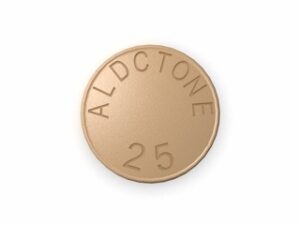
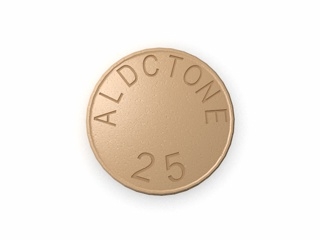
Aldactone (Spironolactone) — Patient-Friendly Guide (UK)
Aldactone is the brand name for spironolactone, a medicine from the group known as potassium-sparing diuretics. It helps the body remove excess fluid while protecting potassium levels. In the UK, Aldactone is used for specific medical conditions, including some types of fluid retention and certain hormone-related problems.
This guide explains what Aldactone does, how it works, how it’s usually taken, common safety considerations, and practical tips to help you use the medicine confidently. Always follow the advice of your healthcare professional.
Basic product information
- Medicine: Aldactone
- Active ingredient: Spironolactone
- Type: Potassium-sparing diuretic (and anti-androgen hormone effect)
- Available strengths (commonly): tablets in different strengths depending on formulation
- How it’s taken: by mouth (tablets)
- Typical setting of use: hospital and community prescribing in the UK
How Aldactone works (mechanism of action)
Aldactone works mainly in the kidneys by blocking the effects of a hormone called aldosterone. Aldosterone normally helps the body retain sodium and water and excrete potassium. By blocking aldosterone, spironolactone:
- Increases sodium and water excretion (so you may urinate more and reduce fluid build-up)
- Reduces potassium loss (so potassium levels usually rise rather than fall)
- Has a mild blood-pressure–lowering effect in many people by reducing fluid volume and improving vascular function
Spironolactone also has anti-androgen effects. This can reduce the activity of androgens (male-type hormones) in the body, which is one reason it may help certain hormone-related conditions (such as some forms of acne or hirsutism).
Pharmacokinetics (how the body handles it)
While individual responses vary, the general pharmacokinetic picture is as follows:
- Absorption: Spironolactone is absorbed after oral dosing. Taking it with food can help reduce stomach discomfort for some people.
- Metabolism: It is processed in the liver to active metabolites, notably canrenone (which contributes to the medicine’s effects).
- Onset of action: Diuretic effects may begin within about a day, but the full effect can take several days. Hormone-related improvements can take longer.
- Duration: Effects typically last across the day; dosing schedules may be once daily or split.
- Elimination: Metabolites are eliminated primarily via the kidneys and, to a lesser degree, through bile/faecal routes.
Because spironolactone affects potassium and fluid balance, your prescriber may arrange blood tests to monitor electrolytes and kidney function, especially after dose changes or in people with kidney impairment.
Typical use in the UK (what Aldactone is prescribed for)
In the UK, Aldactone is used in a range of clinical situations where an aldosterone-blocking, potassium-sparing, or anti-androgen effect is beneficial. Common uses include:
- Fluid retention (oedema) associated with certain conditions, where diuresis is needed
- Heart failure in selected patients, often to help manage fluid status and counteract aldosterone-driven imbalance (as part of a wider treatment plan)
- Low potassium (hypokalaemia) or risk of low potassium due to other treatments, especially when potassium loss is expected
- Conditions influenced by aldosterone such as primary hyperaldosteronism (as directed)
- Hormone-related symptoms (anti-androgen use) such as some cases of acne or unwanted hair growth in appropriate individuals
The exact “best” use depends on your medical history, kidney function, potassium level, and other medicines you take.
When to take Aldactone (timing and how to fit it into daily life)
Aldactone is taken by mouth in tablet form. Timing may vary depending on your dose and the reason you’re taking it. Many people find the following practical approach helpful:
- Try to take it at the same time each day to keep levels steadier.
- If prescribed once daily, choose a time that you can manage comfortably regarding urination.
- If prescribed twice daily, spacing the doses (for example, morning and evening) may reduce overnight disruption.
- Expect delayed full benefit, especially for fluid balance and hormonal symptoms. Don’t judge effectiveness too quickly.
If you’re unsure about timing for your particular regimen, check the label or confirm with your pharmacist.
Food interactions and what to eat
Food does not generally “cancel” spironolactone’s effect, but taking Aldactone with food can improve comfort for some people. There are also dietary considerations related to potassium.
- Take with/after food if it upsets your stomach.
- Be cautious with high-potassium foods if you are at risk of high potassium (hyperkalaemia). Examples may include large amounts of bananas, oranges/juice, dried fruit, tomatoes/tomato products, potatoes, and salt substitutes containing potassium.
- Salt substitutes: avoid those containing potassium unless specifically advised by your clinician.
- Hydration: keep your fluid intake consistent unless you’ve been given a fluid restriction.
If you have kidney disease, diabetes, heart failure, or you’re taking other medicines that raise potassium, your clinician may recommend a specific potassium target.
Alcohol interactions
Alcohol does not have a single universal “forbidden” interaction with spironolactone, but there are important safety points:
- Alcohol can worsen dehydration in some people and may affect blood pressure.
- Both alcohol and Aldactone may contribute to lightheadedness or a drop in blood pressure, particularly when you stand up quickly.
- If you have liver disease or heart failure, alcohol may be riskier and may interfere with your overall condition and monitoring.
If you choose to drink alcohol, keep it moderate and pay attention to dizziness, tiredness, or dehydration symptoms. If you’re unsure, ask your pharmacist for tailored advice based on your other medicines and health conditions.
Medicine interactions (important)
Because Aldactone changes potassium handling and affects fluid balance, it may interact with several types of medicines. Tell your pharmacist or prescriber about everything you take, including over-the-counter products and supplements.
Key interaction groups
-
Other medicines that raise potassium (risk of hyperkalaemia), such as:
- ACE inhibitors (e.g. enalapril, lisinopril)
- ARBs (e.g. losartan, candesartan)
- Direct renin inhibitors (e.g. aliskiren)
- Potassium supplements
- Some diuretics that also conserve potassium
- Trimethoprim (an antibiotic)
- Some heparin medicines (depending on type)
- NSAIDs (anti-inflammatory painkillers) such as ibuprofen, diclofenac, or naproxen: can affect kidney function and may counter diuretic effect; together they may increase risk to kidneys and potassium.
- Lithium: spironolactone can alter lithium levels, potentially increasing toxicity risk.
- Digoxin: changes in potassium can increase risk of digoxin-related heart rhythm problems.
- Digoxin-like and other anti-arrhythmics: risk may increase if potassium rises or falls.
- Blood pressure medicines: combined effects may increase the chance of dizziness or low blood pressure.
- Medicines affecting kidney function or causing dehydration (e.g. some diuretics): may change spironolactone safety profile.
Do not start or stop abruptly
If you start a new medicine—especially painkillers, antibiotics, or supplements—check with a pharmacist whether it’s safe with Aldactone. Never use potassium-containing salt substitutes unless you have clinician approval.
Indications and how they guide dosing
“Indication” means the medical reason you are taking Aldactone. Dose and monitoring can differ widely depending on: kidney function, potassium levels, the condition being treated (fluid retention, heart failure, hormone symptoms), and whether you’re taking other medicines that affect potassium.
In general, dosing is personalised. The information below explains typical dosing ranges used in practice, but the final dose should always follow the label and your prescriber’s plan.
Dosing (typical approaches)
Aldactone is commonly used in daily tablet regimens. Doses may be increased gradually based on response and blood tests. Because spironolactone can raise potassium, clinicians often start at a suitable dose and then adjust.
| Typical clinical purpose | How dosing is often managed | Notes |
|---|---|---|
| Fluid retention / oedema | Once daily or divided dosing; may be adjusted gradually | Potassium and kidney function monitoring is commonly needed |
| Heart failure (selected patients) | Low starting dose with careful titration | Monitoring is especially important with other heart medicines |
| Low potassium risk / potassium-sparing strategy | May be added to other treatments | Blood tests help prevent potassium becoming too high |
| Hormone-related symptoms (anti-androgen effect) | Often requires steady daily use; results may take weeks | Improvement may be gradual; follow-up may be needed |
| Primary hyperaldosteronism (as directed) | Regimen set by the treating specialist | Monitoring and plan may include further investigations/treatments |
Do not change your dose without advice. If you miss a dose, take it when you remember unless it’s close to the next dose. If you’re unsure, ask your pharmacist for guidance.
Safety profile (what to watch for)
Like all medicines, Aldactone can cause side effects. Many people tolerate it well, but the safety profile is shaped by its effects on potassium, fluid balance, and hormone pathways.
Common or noticeable side effects
- Increased urination (especially early in treatment)
- Dizziness or lightheadedness (often related to blood pressure changes)
- Raised potassium (may be symptom-free but detected on blood tests)
- Reduced libido or sexual side effects (more likely with anti-androgen effects)
- Breast tenderness or enlargement (can occur)
- Gastrointestinal upset such as nausea or stomach discomfort
- Fatigue in some people
Less common but serious risks
Seek urgent medical advice if you experience symptoms that could indicate a serious electrolyte or heart rhythm issue. Examples include:
- Severe weakness, muscle paralysis, or inability to move normally
- Fainting or severe dizziness
- Palpitations or an irregular heartbeat
- Severe shortness of breath or chest pain
Hyperkalaemia (high potassium) — why monitoring matters
Aldactone is potassium-sparing, which means it can increase potassium levels. High potassium can be dangerous, particularly if you have kidney impairment or take interacting medicines.
- Your clinician may arrange blood tests to check potassium and kidney function.
- Do not take additional potassium supplements unless prescribed.
- Be cautious with salt substitutes and supplements.
Kidney function considerations
If you have reduced kidney function, monitoring is critical. In some cases, dosing may need adjustment. If your kidneys are impaired, avoid dehydration and be cautious with NSAIDs.
Practical use tips (to get the best from your treatment)
- Attend blood tests: these are one of the most important parts of safely using Aldactone.
- Track symptoms: note dizziness, changes in urination, weakness, or unusual palpitations.
- Medication list ready: keep an up-to-date list of all medicines and supplements you take.
- Avoid potassium-containing products: check labels for potassium chloride and potassium-rich salt substitutes.
- Use pain relief wisely: for aches and pains, ask a pharmacist which options are safest with Aldactone.
- Be careful when standing: if you feel lightheaded, rise slowly from sitting or lying positions.
- Give it time: fluid and hormonal benefits may take days to weeks depending on the condition.
Alternative options (other ways treatment may be approached)
Alternatives depend on your diagnosis, severity, kidney function, and whether the goal is fluid removal, potassium support, blood-pressure control, or anti-androgen benefit. Common alternatives may include:
- Other diuretics (e.g. loop or thiazide-type diuretics) — these may not be potassium-sparing and can affect potassium differently.
- ACE inhibitors / ARBs / beta blockers for heart-related conditions — may be used as part of a broader regimen.
- Eplerenone (a related medicine) — also a mineralocorticoid receptor antagonist and may have fewer anti-androgen effects for some people.
- For hormone-related symptoms: other anti-androgen strategies or topical/systemic treatments may be used, depending on the specific condition.
Your pharmacist or prescriber can help you understand whether an alternative is appropriate and what monitoring would be needed.
UK market and legal context (general information)
In the UK, medicines like Aldactone are provided under medicines regulation and safe supply frameworks. Availability in community pharmacies may depend on local policies and whether the medicine is supplied via standard pharmacy routes.
Patient safety, identity checks (where required), and appropriate clinical information-sharing are key parts of UK medicine supply. Your pharmacy may ask questions to confirm suitability and to reduce the risk of harmful interactions.
If you have a repeat supply or need ongoing treatment, a clinician’s review and periodic monitoring (such as blood tests for potassium and kidney function) are generally important.
Recent guidance and monitoring principles (what to expect)
While individual guidance varies by condition and clinical setting, general UK practice emphasises:
- Electrolyte and kidney monitoring for medicines that can alter potassium levels.
- Risk assessment before and after starting therapy, including checking for interacting medicines.
- Prompt review after dose changes, illness, or medication additions (especially antibiotics, NSAIDs, or blood pressure medicines).
- Awareness of hyperkalaemia symptoms and ensuring patients know when to seek urgent help.
If you are unwell with vomiting, diarrhoea, or poor fluid intake, contact a healthcare professional for advice, as dehydration and kidney changes may alter safety.
Delivery and availability (UK online pharmacy)
Aldactone availability may vary based on stock and strength. When ordering online in the UK, delivery times are typically shown at checkout or in your order confirmation.
- Stock status: availability depends on the supplier and tablet strength
- Dispatch: many pharmacies dispatch on working days
- Packaging: medicines are supplied in manufacturer packaging when possible
- Tracking: delivery tracking may be available depending on the courier
For the most accurate timing, check the delivery estimate displayed during your order. If an item is temporarily unavailable, the pharmacy may offer alternatives or contact you.
FAQ — Frequently asked questions
1) What is Aldactone used for?
Aldactone (spironolactone) is used to treat conditions involving fluid retention and to help manage potassium balance. It may also be used for selected hormone-related symptoms due to its anti-androgen effects.
2) How quickly does Aldactone work?
Some increase in urination may occur within a day, but the full effect—especially for fluid status—can take several days. Hormone-related improvements (where used) may take weeks.
3) Does Aldactone make me pee more?
Many people notice increased urination, particularly soon after starting. However, the effect varies by dose and your underlying condition.
4) Can I take Aldactone with food?
Yes. Taking it with or after food can help reduce stomach discomfort. Follow the instructions on the packaging for your specific product.
5) Is it safe to drink alcohol?
Moderate alcohol may be acceptable for some people, but alcohol can worsen dizziness or affect blood pressure and hydration. If you have heart or liver conditions, alcohol may be riskier—ask your pharmacist for advice.
6) Why do I need blood tests?
Aldactone can raise potassium and may affect kidney function. Blood tests help your clinician keep electrolytes and kidney markers within safe limits, especially after starting or increasing the dose.
7) What happens if my potassium becomes too high?
High potassium may not cause symptoms at first, which is why monitoring is important. If potassium rises significantly, it can affect heart rhythm. Seek urgent help if you develop severe weakness, palpitations, or fainting.
8) What foods should I avoid?
If you are at risk of high potassium, avoid potassium-containing salt substitutes and be cautious with large amounts of high-potassium foods. Your clinician or pharmacist can advise based on your blood test results.
9) Can I take ibuprofen or other painkillers?
NSAIDs such as ibuprofen can increase risks to kidney function and may affect potassium balance when taken with medicines like spironolactone. Ask your pharmacist which pain relief is safest for you.
10) What should I do if I miss a dose?
Take the missed dose when you remember unless it’s close to the next dose. If you’re unsure, contact your pharmacist for advice. Don’t double up without guidance.
11) Are there alternatives if Aldactone doesn’t suit me?
Yes. Depending on your condition, there may be alternative diuretics or other hormone-related treatments. Another related medicine, eplerenone, is sometimes considered for fewer anti-androgen effects in suitable people.
Important safety note
This information is designed to support patient understanding. It does not replace personalised medical advice. If you experience severe or concerning symptoms (such as fainting, chest pain, or significant palpitations), seek urgent medical help. Always use Aldactone according to the instructions provided and confirm any questions about interactions with your pharmacist.