
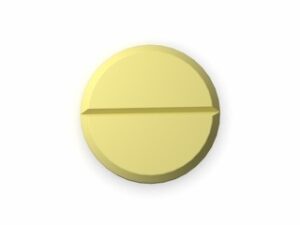

Arpamyl (Amlodipine) — Patient-Friendly Guide
Arpamyl is a medicine commonly used to treat high blood pressure and certain heart-related conditions. This guide explains what Arpamyl is, how it works, how it’s usually taken, and important safety information to help you use it confidently.
Note: This information is intended to help you understand your medicine. Always follow the instructions provided by your healthcare professional and the patient leaflet supplied with your product.
Basic product information
| Feature | Details |
|---|---|
| Medicine name | Arpamyl |
| Active ingredient | Amlodipine |
| Medicinal class | Calcium channel blocker (dihydropyridine) |
| Main uses | High blood pressure; angina (stable/chronic) in some patients |
| Typical form | Tablets (strengths may vary) |
| How it’s taken | Usually once daily by mouth |
How Arpamyl works (mechanism of action)
Amlodipine, the active ingredient in Arpamyl, works by relaxing and widening blood vessels.
- It blocks calcium entry into the muscle cells in artery walls.
- With less calcium available, blood vessels remain more relaxed (vasodilation).
- This helps to:
- Lower blood pressure
- Reduce the workload on the heart
- For some people, help prevent angina symptoms by improving blood flow
Because it acts on arteries, it tends to have a gradual, steady effect—making it suitable for long-term control.
Pharmacokinetics (how the body processes it)
Understanding how medicines move through the body can help explain when they start working and what to expect.
- Absorption: Amlodipine is absorbed after being taken by mouth, with peak blood levels typically reached after a number of hours.
- Onset: Blood pressure benefits may be seen within days, while full stabilisation can take longer.
- Distribution: It distributes widely through the body.
- Metabolism: Amlodipine is mainly broken down by the liver.
- Elimination: It is excreted primarily via urine and bile.
- Half-life: Amlodipine has a long half-life, which supports once-daily dosing and steady therapeutic levels.
If you have liver problems, your clinician may choose a different starting dose or monitor you more closely.
Typical use in the UK
In the United Kingdom, Arpamyl is used for conditions where lowering vascular resistance and improving circulation can protect the heart and reduce symptoms.
Common indications include:
- Hypertension (high blood pressure): Helps reduce the risk of stroke, heart failure, and other cardiovascular complications.
- Angina (chest pain): Used to help control symptoms in some patients (for example, stable or chronic angina) and may be used in combination with other medicines.
Whether Arpamyl is suitable for you depends on your medical history, current medicines, and your blood pressure or angina pattern.
When to take Arpamyl (timing and routine)
Arpamyl is usually taken once daily. Choose a time you can stick to every day.
- Same time each day: Helps maintain steady blood levels.
- Morning or evening: Either can work. Many people prefer morning dosing, but some find evening dosing helpful—follow your clinician’s advice.
- If you miss a dose: Take it as soon as you remember on the same day. If it is close to the next dose, skip the missed dose and continue as normal. Do not take a double dose.
If you ever feel unwell after starting Arpamyl or after a dose change, contact your healthcare professional for advice.
Food interactions
Arpamyl can usually be taken with or without food.
- Food is not expected to significantly reduce its effectiveness.
- Try to maintain consistent routines (for example, taking it with a meal if that helps you remember).
Alcohol and medicine interactions
Alcohol: Drinking alcohol may increase the risk of lightheadedness or dizziness in some people, particularly when starting treatment or increasing the dose.
- It’s generally best to keep alcohol moderate and avoid binge drinking.
- If you notice dizziness, flushing, or feeling faint, reduce alcohol intake and speak to your clinician.
Other medicines: Several medicines can interact with blood-pressure medicines. It’s especially important to tell your healthcare professional about:
- Other antihypertensives (for example ACE inhibitors, ARBs, beta-blockers, diuretics) — may further lower blood pressure.
- Some antibiotics or antifungals and other drugs that affect liver enzymes (can alter blood levels in some cases).
- Simvastatin: Amlodipine can increase simvastatin exposure; clinicians may limit the simvastatin dose in some patients.
- Grapefruit or grapefruit juice: Large amounts may increase exposure in some cases; it’s often safer to limit grapefruit consumption unless your clinician says otherwise.
Always check with a pharmacist before combining Arpamyl with new medicines, including over-the-counter products.
Indications and who may benefit
Arpamyl is used to treat cardiovascular conditions where blood vessel relaxation helps reduce symptoms or long-term risk.
- Hypertension: Suitable for many adults and sometimes older adults. It may be used alone or with other blood pressure medicines.
- Angina: May reduce frequency or severity of chest pain attacks by improving blood flow and reducing cardiac workload.
Important: Not all chest pain is angina. If you experience chest pain, especially if it is new, severe, or accompanied by breathlessness, sweating, nausea, or fainting, seek urgent medical help.
Dosing (typical adult dosing guidance)
Doses can vary depending on your condition, age, kidney function, and especially liver function. Always follow your own prescription instructions.
Typical starting and maintenance patterns may include:
- Hypertension: Commonly started at a lower dose and adjusted based on response and tolerance.
- Angina: Dosing is often similar to that for blood pressure, with adjustments guided by symptom control and side effects.
For people with liver impairment: Your clinician may start at a lower dose and monitor you more closely.
For kidney disease: Since amlodipine is largely handled by the liver, moderate kidney impairment usually does not require an automatic dose change, but individual assessment is still essential.
Safety profile: side effects and when to get help
Like all medicines, Arpamyl can cause side effects. Many are mild and improve over time, but some require urgent attention.
Common or likely side effects
- Swelling of the ankles/feet (peripheral oedema): One of the most common effects due to vasodilation.
- Headache
- Flushing
- Feeling tired
- Dizziness
- Palpitations (awareness of heartbeat)
- Stomach discomfort (less commonly)
If ankle swelling becomes bothersome, it doesn’t always mean the medicine must be stopped—your prescriber may adjust your dose or consider combinations that reduce swelling.
Less common but important side effects
- Excessive drop in blood pressure (especially soon after starting or after a dose increase), leading to faintness.
- Gum overgrowth (gingival hyperplasia): occurs in some people; good oral hygiene and regular dental checks are recommended.
- Abnormal heart rhythm symptoms (rare) — report any concerning palpitations or symptoms promptly.
Seek urgent medical help if you have
- Signs of a serious allergic reaction: swelling of the face/lips, difficulty breathing, severe rash.
- Severe dizziness or fainting, especially if it does not settle.
- Chest pain that is worsening or different from usual, or symptoms suggesting a heart attack or stroke.
Driving and operating machinery
Some people experience dizziness or lightheadedness, particularly at the beginning of therapy. If you feel affected, avoid driving or operating machinery until you feel steady again.
Practical use tips for long-term treatment
- Keep your routine: Set a daily reminder on your phone or use a pill organiser.
- Monitor blood pressure: Home blood pressure readings can help your clinician adjust treatment. Record readings with dates and times.
- Track swelling: Note when ankle swelling starts or worsens (time of day, severity).
- Stay active as advised: Light exercise can improve cardiovascular health, but follow personalised advice if you have angina.
- Oral health matters: Brush and floss regularly and attend dental check-ups to reduce the risk of gum problems.
- Don’t stop suddenly: If you’re considering stopping Arpamyl, talk to your clinician first—stopping blood pressure control may be risky.
- Tell healthcare professionals: Inform dentists, pharmacists, and other clinicians that you take amlodipine.
Alternative options
If Arpamyl isn’t suitable (for example due to side effects such as ankle swelling), there may be alternative treatments. Options depend on your specific condition and individual risk factors.
For high blood pressure, alternatives may include:
- ACE inhibitors (e.g., lisinopril, enalapril)
- ARBs (e.g., losartan, candesartan)
- Thiazide-like diuretics (e.g., indapamide)
- Beta-blockers (e.g., bisoprolol) in selected patients
- Other calcium channel blockers (e.g., lercanidipine, nifedipine—your prescriber decides)
For angina, alternatives may include:
- Nitrates (short-acting for relief; long-acting for prevention)
- Beta-blockers
- Other anti-anginal medicines such as ivabradine or ranolazine in selected cases
- Some patients benefit from combination therapy
Only change or swap medicines under medical guidance.
UK market and legal context (high-level)
In the United Kingdom, medicines are regulated by the Medicines and Healthcare products Regulatory Agency (MHRA) and must comply with applicable medicines legislation. Patient information leaflets and product characteristics are provided to ensure safe use.
- Regulatory oversight: Arpamyl’s supply is governed by UK medicines legislation and pharmacy standards.
- Pharmacy dispensing standards: UK-registered pharmacies follow governance procedures for safe supply, storage, and patient counselling.
- Safety communications: If regulatory safety updates are issued (for example, changes to warnings or usage), reputable pharmacies and healthcare professionals implement them.
Availability can vary by formulation strength. Your pharmacy may stock common strengths more readily than uncommon ones.
Recent guidance and clinical considerations
Clinical approaches in the UK are based on evidence and national guidance (for example, recommendations from bodies such as the National Institute for Health and Care Excellence (NICE) and updates from cardiovascular medicine groups).
Common practical themes include:
- Individualised targets: Blood pressure goals may differ based on age, risk factors, and comorbidities.
- Side-effect management: If ankle swelling occurs, clinicians may adjust dose, switch medicines, or add a medicine that helps counterbalance fluid retention.
- Adherence is key: Consistent daily use is critical for long-term protection.
- Review and monitoring: Regular reviews (including blood pressure readings and symptom checks) help optimise therapy.
Your prescriber may also consider lifestyle measures alongside medication, such as reducing salt intake, maintaining a healthy weight, stopping smoking, and engaging in regular physical activity where appropriate.
Delivery and availability in the UK
Availability depends on the strength and formulation you require. Most online pharmacies aim to dispatch promptly and keep customers informed about delivery times.
- Dispatch times: Many orders are dispatched quickly if the item is in stock.
- Delivery options: Standard and expedited delivery may be offered depending on your location.
- Packaging: Medicines are typically supplied in appropriate, secure packaging to protect tablets and support safe transit.
- Stock updates: If your specific strength is temporarily unavailable, you may see alternative packaging/strength options or a backorder notification.
If you have questions about lead times or availability for your specific Arpamyl strength, check the product page on your chosen pharmacy website.
FAQ about Arpamyl
1) What is Arpamyl used for?
Arpamyl is used to treat high blood pressure and may also be used for angina (chest pain) in certain patients, often as part of a longer-term treatment plan.
2) How long does it take to work?
Some blood pressure improvement may be noticed within days, but stabilising effects can take longer. For long-term prevention of symptoms, consistent daily dosing is important.
3) Will Arpamyl make me feel dizzy?
It can, especially when starting or after a dose increase. If you feel lightheaded, sit or lie down and avoid driving until you feel steady. Contact your healthcare professional if dizziness persists or worsens.
4) Can I take Arpamyl with food?
Yes. Arpamyl can usually be taken with or without food. Choose what helps you maintain your routine.
5) What if I miss a dose?
Take it when you remember on the same day. If it’s near the time for your next dose, skip the missed dose and continue as normal. Do not take a double dose.
6) What side effect should I watch for most?
Ankle/foot swelling is a common effect. If swelling becomes significant, mention it to your prescriber—treatment can often be adjusted.
7) Is it safe to drink alcohol?
Moderate alcohol may be tolerated, but alcohol can increase the chance of dizziness or lightheadedness. If alcohol affects you, reduce intake and seek advice.
8) Can I take Arpamyl with other medicines?
Many medicines can be taken alongside Arpamyl, but some may affect blood pressure, heart rhythm, or blood levels of medicines. Tell your pharmacist about all medicines you take, including over-the-counter products.
9) Does Arpamyl affect driving?
It may in some people due to dizziness or tiredness. If you feel unwell, do not drive or use machinery until symptoms settle.
10) What should I do if I get ankle swelling?
Don’t stop the medicine suddenly. Contact your prescriber to discuss your symptoms. In the meantime, monitor swelling (timing and severity) and report changes.
Summary
Arpamyl (amlodipine) is a long-acting calcium channel blocker used in the UK to manage high blood pressure and, in some patients, angina. It works by relaxing blood vessels, supporting steadier circulation and reducing cardiovascular strain. Most people take it once daily and can usually take it with or without food. As with all medicines, be aware of possible side effects—particularly ankle swelling and dizziness—and seek urgent help for serious symptoms.
If you have questions about availability, strengths, or how to take Arpamyl safely, you can also speak to a qualified healthcare professional or pharmacist.