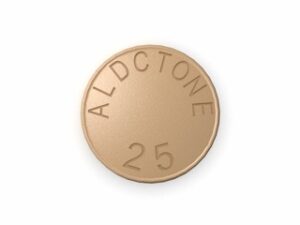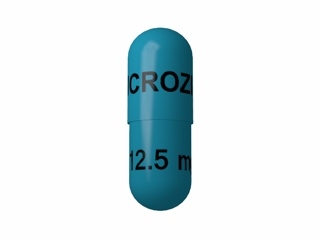
Microzide (Hydrochlorothiazide) – Patient Information (UK)
Microzide is a well-known medicine containing hydrochlorothiazide, a “thiazide” type diuretic (also called a water tablet). It is used to help control high blood pressure and, in some circumstances, fluid retention (swelling) due to certain conditions.
This page explains how Microzide works, when and how it is typically taken, key safety information, interactions (including with alcohol and other medicines), and practical tips to get the most benefit from treatment. It is written for people in the United Kingdom (UK).
Quick overview
- Active ingredient: Hydrochlorothiazide
- Medicinal type: Thiazide diuretic (“water tablet”)
- Common uses: High blood pressure; fluid retention in selected conditions
- Typical dosing frequency: Often once daily (sometimes split depending on clinician guidance)
- Key effects: Helps the kidneys remove extra water and salts; lowers blood pressure
- Common considerations: May affect potassium, sodium, magnesium, and uric acid; can increase sensitivity to sunlight
What is Microzide?
Microzide is a brand name for hydrochlorothiazide. Hydrochlorothiazide works by influencing how the kidneys handle salt (sodium) and water. By increasing urine output, it reduces fluid volume and helps lower blood pressure over time.
In many people, blood pressure benefits develop gradually. While you may notice increased urination shortly after taking it, the overall cardiovascular protection is tied to sustained blood pressure control.
How does Microzide work? (Mechanism of action)
Hydrochlorothiazide acts mainly in the kidney on a portion of the tubule called the distal convoluted tubule. It blocks the sodium-chloride (NaCl) transport mechanism, which leads to:
- More sodium and water being excreted in the urine
- Lower circulating fluid volume, contributing to reduced blood pressure
- Over time, additional blood vessel effects that help improve blood pressure control
Diuretics can also influence the body’s balance of electrolytes (such as potassium), which is why monitoring and lifestyle precautions may be important.
Pharmacokinetics (Absorption, distribution, metabolism, excretion)
Pharmacokinetics describe what the body does to a medicine. While individual responses vary, the general pattern for hydrochlorothiazide is:
- Absorption: Hydrochlorothiazide is absorbed from the gastrointestinal tract after taking a tablet by mouth.
- Onset of diuretic effect: You may urinate more after the first dose; the exact timing differs by person and dose.
- Distribution: It circulates in the bloodstream and is distributed to body tissues.
- Metabolism: Hydrochlorothiazide is not significantly broken down (metabolised) in the body.
- Excretion: It is mainly eliminated by the kidneys in the urine.
- Duration of action: Effects can last beyond the period of active urination, supporting once-daily regimens in many cases.
Important: Kidney function matters. People with reduced kidney function may require different monitoring or dose adjustments, and some individuals may not be suitable for thiazides depending on the degree of impairment.
What is Microzide used for? (Indications)
In the UK, hydrochlorothiazide may be used for:
- High blood pressure (hypertension), either alone or as part of a combination treatment strategy.
- Fluid retention (oedema) associated with certain medical conditions, as determined by a clinician.
Your exact reason for taking Microzide depends on your personal health history and the overall treatment plan.
When and how to take Microzide (Timing and daily routine)
Typical timing: Many people take Microzide once daily. Because it can increase urination, it is often best taken in the morning to reduce disruption during the night.
How to take it:
- Take the tablet with water.
- Try to take it around the same time each day.
- Do not change the dose or stop suddenly unless you have been advised to do so.
Missed dose: If you miss a dose, take it when you remember unless it is close to the time of your next dose. Avoid taking a double dose to make up for a missed tablet.
If you are unsure, check the leaflet that comes with your medicine or seek advice from a healthcare professional or pharmacist.
Dosing (general information)
Dose varies depending on the condition, other medicines, age, kidney function, and individual response. Your prescriber or healthcare team will determine the correct dose for you.
Common adult regimens for hydrochlorothiazide are typically in the range of:
- 12.5 mg to 50 mg once daily (or sometimes divided depending on clinical needs)
Special considerations:
- Older adults: May be more sensitive to electrolyte changes and dehydration; monitoring is often important.
- Kidney impairment: May require caution; some people need alternative therapy if kidney function is significantly reduced.
- Electrolyte disorders: People with low potassium or sodium, or those prone to dehydration, may need closer monitoring.
Never adjust your dose based on how you feel alone; blood pressure and electrolyte safety require appropriate monitoring.
Food interactions
Microzide can generally be taken with or without food. However, a few practical dietary points are important:
- Salt (sodium) intake: High salt intake can make blood pressure harder to control. Reducing excess dietary salt often improves effectiveness.
- Potassium balance: Hydrochlorothiazide can lower potassium in some people. Foods naturally high in potassium (such as bananas, oranges, potatoes, and certain leafy greens) may be helpful for some, but you should not make major diet changes without advice—especially if you take medicines that raise potassium or you have kidney problems.
Grapefruit or specific foods: There are no widely established, major food restrictions for hydrochlorothiazide. Still, if your pharmacist has advised dietary changes for your specific situation, follow that guidance.
Alcohol and medicine interactions
Alcohol can affect blood pressure and hydration:
- Drinking alcohol may increase the risk of dizziness, light-headedness, or falls, especially when standing up.
- Alcohol can contribute to dehydration, which may worsen electrolyte imbalance.
- If you start to feel unwell, stop alcohol and seek advice.
General medicine interaction considerations: Many medicines can interact with diuretics by affecting blood pressure, kidney function, and electrolytes. Below are common interaction themes rather than an exhaustive list.
Common medicine interactions
Tell a healthcare professional or pharmacist about all medicines you use, including over-the-counter products and herbal remedies. Especially important are the following categories:
| Interaction area | Examples / what to watch for | Why it matters |
|---|---|---|
| Potassium levels | Other diuretics, corticosteroids, laxatives, some asthma medicines; also medicines that can affect potassium | Hydrochlorothiazide may lower potassium, while other medicines may lower or raise it further, risking irregular heart rhythms or weakness |
| Blood pressure effects | ACE inhibitors, angiotensin receptor blockers (ARBs), beta-blockers, other antihypertensives | May increase the risk of low blood pressure—dose adjustments and monitoring may be needed |
| NSAIDs (painkillers) | Ibuprofen, naproxen, diclofenac (and other NSAIDs) | NSAIDs can reduce the blood-pressure benefit of diuretics and may affect kidney function, especially in dehydrated people |
| Lithium | Lithium | Diuretics can increase lithium levels, increasing the risk of toxicity |
| Diabetes medicines | Insulin, metformin and other diabetes treatments | Hydrochlorothiazide may affect blood glucose in some people; monitoring may be required |
| Gout medicines | Medicines for gout (and gout history) | Thiazides may raise uric acid, potentially worsening gout |
| Heart rhythm medicines | Digoxin; some antiarrhythmics | Electrolyte changes (especially low potassium) can increase arrhythmia risk |
Tip: Keep an up-to-date list of your medicines and show it to your pharmacist at each review.
Safety profile: who should take extra care?
Microzide is commonly used, but it requires appropriate monitoring because hydrochlorothiazide can influence body salt and water levels. In some people, it may lead to:
- Dehydration, especially if you do not drink enough water
- Dizziness or low blood pressure (particularly when standing)
- Electrolyte disturbances, such as low potassium (hypokalaemia), low sodium, or low magnesium
- Increased uric acid, which can trigger or worsen gout
- Changes in blood sugar (in some people with diabetes or pre-diabetes)
- Increased sensitivity to sunlight (photosensitivity)
Seek urgent medical advice if you experience
- Severe dizziness or fainting
- Confusion, severe weakness, or muscle cramps with rapid onset
- Signs of an allergic reaction (swelling of face/lips, rash, difficulty breathing)
- Signs of very low potassium (significant muscle weakness, palpitations)
- Severe or persistent vomiting or diarrhoea (risk of dehydration and electrolyte imbalance)
Special monitoring that may be recommended
Your clinician may check:
- Blood pressure (to confirm the medicine is working)
- Kidney function (creatinine/eGFR)
- Electrolytes (sodium, potassium, magnesium)
- Uric acid (if you have gout history or symptoms)
- Glucose levels (especially if you have diabetes)
Practical use tips (make treatment easier and safer)
- Take it in the morning: This can reduce night-time bathroom trips.
- Stay hydrated appropriately: Don’t overdrink, but ensure you’re not chronically dehydrated—especially in hot weather or if you are ill.
- Be cautious with heat and exercise: Thiazides can contribute to volume depletion, so take breaks and drink water.
- Know your symptoms: Dizziness, cramps, palpitations, or unusual tiredness may indicate electrolyte changes or low blood pressure.
- Sun protection: Use sunscreen and protective clothing if you notice you burn more easily than before.
- Keep up with blood tests: They help confirm electrolytes and kidney function remain safe.
- If you’re getting infections or vomiting: Dehydration can become a problem quickly—contact your healthcare team for advice.
Alternative options for high blood pressure or fluid retention
Hydrochlorothiazide is one option. Depending on your needs, alternatives may include:
- Other diuretics: e.g., bendroflumethiazide or other thiazide-like diuretics (your pharmacist can advise which are appropriate).
- ACE inhibitors, ARBs and other antihypertensives: often used alone or in combination with diuretics.
- Calcium channel blockers and beta-blockers: common choices depending on age, comorbidities, and overall cardiovascular risk.
Why alternatives matter: The best treatment depends on your kidney function, electrolyte history, other medicines (including diabetes or gout medicines), and blood pressure targets.
UK market and legal / guidance context
In the UK, medicines such as Microzide (hydrochlorothiazide) are regulated medicines and may have rules governing supply and use. Guidance in the UK is informed by national bodies and clinical standards for cardiovascular risk and hypertension management.
In general clinical practice:
- Hypertension care focuses on long-term blood pressure control and reducing cardiovascular risk.
- Diuretics are widely used as first-line or add-on therapies in appropriate patients.
- Monitoring of electrolytes and kidney function is emphasised, especially when risk factors are present.
Recent guidance and updates: UK hypertension and heart failure management approaches may evolve over time, including emphasis on medication safety, monitoring frequency, and cardiovascular risk reduction. For the latest advice, you can consult NHS resources or speak to a healthcare professional.
Delivery and availability (UK)
Availability can vary by strength and tablet presentation. If Microzide (hydrochlorothiazide) is not currently in stock, some online pharmacies may offer:
- Alternative brand options containing the same active ingredient
- Different strengths if clinically suitable
- Restock notifications
Delivery: Online pharmacies in the UK typically offer standard and express options. Delivery times depend on your location, stock status, and courier performance. If you need the medicine urgently, check the delivery estimate shown at checkout or contact customer support.
Possible side effects (what you may notice)
Side effects can vary by dose and individual susceptibility. Some are mild and temporary; others require medical attention.
Common or known effects
- Increased urination, especially after starting or after a dose change
- Dizziness or light-headedness
- Muscle cramps (may be related to electrolyte changes)
- Headache or tiredness
- Sun sensitivity
Less common but important
- Electrolyte disturbances (low potassium, low sodium, low magnesium)
- Gout flare-ups (if you have a history of gout)
- Changes in blood sugar control
- Changes in kidney function, particularly if dehydrated or during illness
If you experience side effects, contact a pharmacist or clinician. If symptoms are severe, worsening, or associated with fainting, breathing difficulty, or significant weakness, seek urgent medical advice.
FAQ – Microzide (Hydrochlorothiazide)
1) What is Microzide used for?
Microzide (hydrochlorothiazide) is used to treat high blood pressure. It may also be used for fluid retention in selected conditions, based on clinical assessment.
2) How quickly does Microzide work?
It usually increases urine output soon after taking a dose. Blood pressure benefits typically develop over time, not overnight. If you do not notice any change, you should still continue as advised—blood pressure control is the key goal.
3) Should I take it in the morning?
Often, yes. Because it can make you urinate more, taking it in the morning can help prevent night-time interruptions.
4) Can I take Microzide with food?
Yes, hydrochlorothiazide can usually be taken with or without food. If your stomach feels sensitive, taking it with food may help.
5) What foods should I avoid?
You don’t typically need a strict food avoidance list. However, a high-salt diet can make blood pressure control harder. If you are at risk of low potassium, discuss appropriate dietary choices with your healthcare professional.
6) Does Microzide affect potassium?
It can. Hydrochlorothiazide may lower potassium in some people. Your clinician may monitor electrolytes and may recommend dietary adjustments or additional medicines if needed.
7) Can I drink alcohol while taking Microzide?
Alcohol may increase the risk of dizziness and dehydration. If you choose to drink, do so carefully and monitor how you feel. If you become light-headed, stop drinking and seek advice.
8) What painkillers are safe to take with Microzide?
NSAIDs such as ibuprofen and naproxen can sometimes interact with diuretics by affecting kidney function and reducing blood pressure benefit. If you need regular pain relief, ask a pharmacist for safer options and guidance.
9) What if I forget a dose?
Take it as soon as you remember unless it’s nearly time for your next dose. Do not take a double dose. If you’re unsure, ask a pharmacist.
10) When should I seek medical help urgently?
Seek urgent medical advice for severe dizziness/fainting, signs of allergy (swelling, rash, breathing difficulty), severe weakness or palpitations, or if you become significantly unwell (especially with vomiting or diarrhoea).
Final notes
Microzide (hydrochlorothiazide) can be an effective treatment for blood pressure and certain types of fluid retention. For best results, take it consistently (often in the morning), keep up with monitoring of electrolytes and kidney function when advised, and be mindful of dehydration, alcohol, and potential medicine interactions.
If you have questions about whether Microzide is suitable for you or how to manage side effects, speak with a pharmacist or healthcare professional.