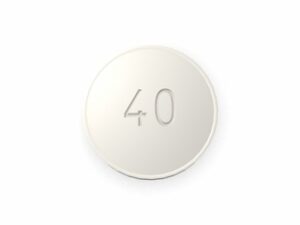
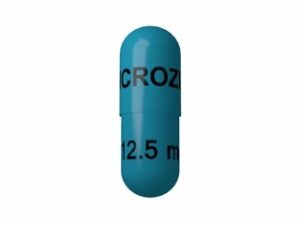
Lozol (Indapamide) — Patient-Friendly Guide
Lozol contains indapamide, a medicine used mainly to help control high blood pressure (hypertension). It belongs to a group of medicines called thiazide-like diuretics. Indapamide can also be used in certain people with fluid retention (oedema) and related cardiovascular conditions, depending on individual circumstances.
This guide explains how Lozol works, how it is typically taken, what to expect, and how to use it safely. It is written for patients in the United Kingdom and is intended to help you understand your medicine more clearly.
Basic product information
| Feature | Details |
|---|---|
| Medicine | Lozol |
| Active ingredient | Indapamide |
| Type | Thiazide-like diuretic (water tablet) |
| Main use | High blood pressure; sometimes fluid-related conditions as advised |
| How it works | Helps the body remove excess salt and water, and relaxes blood vessels |
| Typical administration | Usually once daily (formulation-dependent) |
How Lozol works (mechanism of action)
Indapamide works primarily in the kidneys. It helps the body reduce how much sodium (salt) it reabsorbs into the bloodstream. As a result, your kidneys remove more salt and water in the urine. This contributes to:
- Lower blood volume, which reduces pressure in the blood vessels.
- Vasodilation (blood vessel relaxation), which also helps lower blood pressure.
- Long-term blood pressure control when taken regularly as directed.
Indapamide can also affect electrolyte levels (such as potassium) and may increase urine output. Some effects are most noticeable in the first hours after a dose, but blood-pressure benefits build with consistent use.
Pharmacokinetics (how the body handles indapamide)
Pharmacokinetics describes what happens to a medicine after you take it—how it is absorbed, distributed, metabolised, and excreted. While exact numbers can vary by formulation and individual factors, the general pattern for indapamide is:
- Absorption: Indapamide is absorbed from the gastrointestinal tract.
- Onset: Diuretic effects may start within a few hours of taking a dose.
- Duration: Many people take it once daily because the effect lasts long enough to support daily dosing.
- Protein binding: It is highly bound to blood proteins.
- Metabolism: Indapamide is metabolised mainly by the liver.
- Excretion: It and its metabolites are eliminated mostly via the urine and also via the faeces.
If you have liver or kidney problems, your prescriber may advise closer monitoring and may adjust your plan.
Typical use in the UK
Lozol is most commonly used for hypertension. It may also be considered for fluid-related problems in some patients, particularly where diuretic treatment is appropriate.
Your treatment plan depends on your personal medical history, other medicines you take, and your blood tests (for example, kidney function and electrolytes). It’s important to follow the dosing instructions provided for your specific situation.
Indications (when Lozol may be used)
Common indications include:
- Essential hypertension (high blood pressure without a single identifiable cause)
- Oedema/fluid retention in certain clinical scenarios (as advised by a healthcare professional)
- Cardiovascular risk management as part of a wider plan to control blood pressure and reduce overall risk (individual decisions vary)
How and when to take Lozol (timing and routine)
Many people take indapamide . The exact timing may depend on the formulation and how your body responds. A practical approach is:
- Take it at the same time each day to help you remember.
- If it makes you pass urine more frequently, many people prefer taking it in the morning to avoid disrupting sleep.
- Try to take your tablet consistently in relation to meals if the product information for your formulation indicates this is helpful.
If you miss a dose, take it when you remember unless it is close to the time for your next dose. Do not take double doses to make up for a missed tablet.
Dosing (typical approach and what to expect)
The dose can differ based on the specific product strength and whether it is immediate-release or modified-release (where applicable). In the UK, indapamide is commonly prescribed as a once-daily regimen.
Important: Always use the dose that your healthcare professional has advised for you.
Typical dosing considerations include:
- Starting dose: often the lowest effective dose is used initially.
- Monitoring: blood tests may be performed to check kidney function and electrolytes (especially potassium and sodium).
- Adjustments: changes may be made if blood pressure targets are not met or if side effects occur.
- Combination therapy: it may be used alongside other blood pressure medicines.
Food interactions (what to know about meals)
Indapamide can be taken with or without food for many people. However, individual product instructions may vary. In general, the most important dietary considerations involve salt (sodium) and hydration.
- Salt intake: since indapamide increases sodium and water loss, a very high-salt diet may make blood pressure harder to control. Reducing excess salt can support treatment.
- Hydration: drink regularly, especially in hot weather or if you have diarrhoea/vomiting. Dehydration can increase the risk of low blood pressure and kidney stress.
- Consistency: try to maintain consistent eating and drinking patterns. Sudden changes can affect how you respond.
If you are following a kidney-friendly diet, diabetes plan, or fluid restriction, ask your healthcare team how indapamide fits into your plan.
Alcohol and Lozol: possible interactions and precautions
Alcohol can affect blood pressure and hydration. When combined with a diuretic such as indapamide, alcohol may increase the likelihood of:
- Feeling dizzy or light-headed (especially when standing up)
- Dehydration (particularly with heavy or binge drinking)
- Falls risk in older adults
A small amount of alcohol may be acceptable for some people, but it’s safest to discuss your individual situation with a healthcare professional. If you notice dizziness after drinking, avoid alcohol until you speak to your prescriber.
Medicine interactions (including common risk groups)
Lozol can interact with other medicines, mainly by affecting kidney function, electrolyte balance, and blood pressure. Always tell your pharmacist or prescriber about all medicines you take, including over-the-counter products and herbal supplements.
Common interaction themes
- Potassium effects: indapamide may lower potassium levels. Medicines that also affect potassium may increase the risk of abnormal potassium.
- Kidney stress: certain combinations can increase the risk of reduced kidney function, particularly if you become dehydrated.
- Blood pressure lowering: combining with other blood pressure medicines can increase dizziness/low blood pressure.
Examples of medicines that may interact
Examples include:
- Other diuretics (water tablets), particularly where electrolyte effects may add up
- Blood pressure medicines such as ACE inhibitors or angiotensin-II receptor blockers (ARBs) (may be used together, but monitoring may be needed)
- Antiarrhythmic medicines (used for heart rhythm problems)
- Digoxin (low potassium can increase risk of digoxin toxicity)
- Non-steroidal anti-inflammatory drugs (NSAIDs) such as ibuprofen or naproxen (can reduce diuretic effect and stress kidneys, especially with dehydration)
- Lithium (interaction risk—may require close monitoring)
- Medicines affecting potassium such as corticosteroids or laxatives (depending on circumstances)
- Diabetes medicines (indapamide may affect blood glucose control in some people)
This list is not exhaustive. If you have a medication list, share it with a healthcare professional before starting Lozol or making changes.
Safety profile: side effects and when to seek help
Like all medicines, Lozol can cause side effects. Many people tolerate indapamide well, especially with appropriate monitoring. Some side effects relate to electrolyte changes or reduced blood pressure.
Common or notable side effects
- Increased urination (often soon after taking the dose)
- Dizziness, light-headedness, or feeling faint—especially when standing up
- Headache
- Muscle cramps or weakness (possible sign of electrolyte changes)
- Fatigue
Electrolyte-related risks (important)
Indapamide can alter blood levels of minerals, including:
- Potassium: may become low (hypokalaemia)
- Sodium: may become low (hyponatraemia)
- Dehydration can occur if fluid intake is inadequate
Low sodium or potassium can sometimes cause symptoms such as severe weakness, confusion, palpitations, or cramps. Blood tests help detect changes early.
Seek urgent medical advice if
- You faint, collapse, or have severe dizziness
- You develop signs of an allergic reaction (e.g., swelling of the face/lips, trouble breathing, rash)
- You experience chest pain, severe palpitations, or an irregular heartbeat
- You become severely unwell with vomiting/diarrhoea and cannot keep fluids down
- You have symptoms suggesting very low sodium (e.g., confusion, persistent severe headache)
Who needs extra monitoring?
Extra caution may be needed if you have any of the following:
- Kidney disease or reduced kidney function
- Liver disease
- Heart rhythm problems
- History of electrolyte disturbances
- Gout or high uric acid (diuretics can sometimes worsen symptoms)
- Diabetes (blood glucose may require review)
- Older age, frailty, or risk of falls
Practical use tips (getting the best and safest results)
- Keep up with blood tests: your prescriber may monitor kidney function and electrolytes, especially after starting or increasing the dose.
- Check your blood pressure regularly: home monitoring can help you understand response and identify low blood pressure symptoms.
- Stand up slowly: to reduce dizziness, rise gradually from sitting or lying positions.
- Be mindful of illness days: if you develop vomiting or diarrhoea, dehydration can occur quickly. Ask your healthcare team for “sick day” guidance.
- Don’t stop suddenly: blood pressure can rise again. If you feel unwell, seek advice rather than stopping on your own.
- Report new symptoms: palpitations, severe weakness, or persistent cramps should be discussed promptly.
Alternative options to consider
If indapamide is not suitable or causes side effects, there are several other classes of medicines used to treat high blood pressure. The right option depends on your health conditions, age, and overall cardiovascular risk.
Potential alternatives may include:
- Other diuretics (for example, thiazide-type diuretics or loop diuretics, depending on kidney function)
- ACE inhibitors
- ARBs (angiotensin receptor blockers)
- Calcium channel blockers
- Beta-blockers (where appropriate)
- Other antihypertensives as part of a tailored regimen
Your prescriber may also recommend lifestyle changes such as reducing salt, maintaining a healthy weight, regular activity, and limiting alcohol.
UK market and legal context (availability and regulatory notes)
In the United Kingdom, medicines containing indapamide are regulated and supplied according to UK pharmacy and medicines legislation. Availability can vary by brand and strength, and many products are subject to pharmacy supply arrangements.
When buying medicines online, use a service that operates legally in the UK and provides:
- Clear product information including strength and form
- Reliable sourcing and compliant packaging
- Proper storage instructions and batch/expiry information where relevant
- Contact details for customer support
Always check that the product listing matches the medicine you expect (active ingredient: indapamide, brand: Lozol).
Recent guidance and monitoring themes
Ongoing UK clinical practice places emphasis on:
- Safer prescribing and monitoring for diuretics, including electrolytes (sodium, potassium) and kidney function
- Individualised blood pressure targets based on age, comorbidities, and overall risk
- Reviewing medicines regularly to ensure benefit continues and side effects are identified early
- Managing dehydration risk during intercurrent illness (for example, diarrhoea or vomiting)
Guidance and recommendations can be updated over time; your prescriber/pharmacist can advise what is currently recommended for your situation.
Delivery and availability (what to expect when ordering online)
Availability of Lozol may vary depending on the market and stock levels. Reputable online pharmacies typically offer:
- Clear dispatch times (for example, orders processed on business days)
- Tracking information where available
- Delivery options (standard or express, depending on location)
- Proper packaging to protect tablets from damage
Store your medicine according to the instructions on the pack (commonly at room temperature, away from moisture and direct sunlight). Keep it out of sight and reach of children.
FAQ: Lozol (Indapamide)
1) What is Lozol used for?
Lozol is mainly used to treat high blood pressure. It helps lower blood pressure by acting on the kidneys and blood vessels. In some cases, it may be used for fluid-related conditions as part of a broader treatment plan.
2) How quickly will it work?
You may notice increased urination within hours of taking a dose. Blood pressure lowering occurs over time and is best assessed using regular measurements (home or clinic) after consistent use.
3) Should I take it in the morning or evening?
Many people take indapamide in the morning to avoid waking during the night to urinate. Follow the timing instructions for your specific product and what suits your routine.
4) Can I take Lozol with food?
Many people can take it with or without food. If you notice stomach upset, try taking it with a meal. Always follow the product instructions on the pack for best guidance.
5) What food should I avoid?
There’s no single “forbidden” food for everyone, but it can help to limit excess salt and stay adequately hydrated. If you have kidney disease, fluid or salt restrictions may apply—ask your healthcare team.
6) Does Lozol affect potassium?
Yes. Indapamide can lower potassium levels in some people. Your prescriber may monitor your blood tests and advise dietary or supplement measures if needed.
7) What are the symptoms of low sodium or low potassium?
Possible symptoms include unusual weakness, muscle cramps, palpitations, severe fatigue, or confusion. Seek medical advice promptly if symptoms are significant or worsening.
8) Can I drink alcohol while taking Lozol?
Alcohol may increase dizziness and dehydration risk. If you choose to drink, do so in moderation and stop if you feel light-headed. Discuss safe amounts with a healthcare professional if you’re unsure.
9) What medicines should I tell my pharmacist about?
Tell them about all medicines you take, including: painkillers (especially NSAIDs), heart rhythm medicines, diabetes medicines, lithium, and any supplements. This helps avoid interactions and ensures appropriate monitoring.
10) What should I do if I miss a dose?
Take it as soon as you remember unless it’s near the time for your next dose. Do not take a double dose to compensate.
11) Are there any warning signs that mean I should stop and get help?
Seek urgent advice if you faint, develop signs of an allergic reaction, have severe palpitations, chest pain, or feel very unwell with dehydration (especially vomiting or diarrhoea).
12) Is Lozol suitable for everyone?
Not always. People with certain medical conditions (for example, significant kidney or liver impairment, certain electrolyte problems, or particular medication regimens) may require extra monitoring or alternative treatment. Your healthcare professional can assess suitability.
Summary
Lozol (indapamide) is a thiazide-like diuretic used primarily to help control high blood pressure. It works by helping the kidneys remove salt and water while supporting blood vessel relaxation. Because it can influence electrolytes (like potassium and sodium) and affect hydration status, regular monitoring and practical precautions (such as taking it at an appropriate time and staying hydrated) are important.
If you have questions about side effects, interactions, or your personal dosing plan, speak to your pharmacist or healthcare professional for tailored advice.