
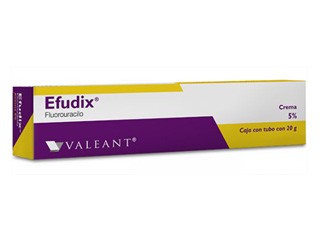


Fluorouracil (5-FU) – Patient Information (UK)
Fluorouracil (often shortened to 5-FU) is a well-known anti-cancer medicine used to treat certain cancers. It works by interfering with how fast-growing cancer cells make and repair their DNA. In the UK, Fluorouracil is used in specialist oncology services, and it may be given by injection or used on the skin in specific strengths and formulations (depending on the product type).
This guide is written to be patient-friendly and focuses on practical understanding: what it does, how it behaves in the body, typical uses, common timing considerations, interactions, safety, and what to expect. Always follow the instructions given by your healthcare team.
Key product information
| Topic | Details |
|---|---|
| Medicine name | Fluorouracil (5-FU) |
| How it is used | Injection for some cancers; topical forms exist for certain skin conditions (product-dependent) |
| Medicinal class | Antimetabolite / cytotoxic chemotherapy (and, for topical use, topical antimetabolite) |
| Common brand names | Brand names vary by manufacturer and presentation |
| Typical setting | Hospital oncology/day unit for injection; specialist prescribing and instructions for any topical treatment |
How Fluorouracil works (mechanism of action)
Fluorouracil is a type of medicine that targets rapidly dividing cells. Many cancers grow quickly, so they are more affected than normal tissues. 5-FU works mainly by interfering with DNA and RNA formation.
- It is converted inside cells into active metabolites that disrupt normal nucleotide production.
- It can also interfere with how DNA is built and repaired, leading to cancer cell death.
- Because it affects cells involved in “building blocks” for DNA/RNA, it can also affect some healthy fast-growing tissues (for example, bone marrow, the lining of the mouth and gut, and hair follicles), which is why side effects can occur.
Pharmacokinetics: how it moves through the body
Pharmacokinetics describes how a medicine is absorbed, distributed, metabolised, and eliminated. Fluorouracil is typically administered in controlled medical settings (particularly injection), with monitoring as needed.
Absorption
Injection routes deliver Fluorouracil directly into the body. Topical products are absorbed through skin to a limited extent, with absorption influenced by skin integrity and the specific formulation.
Distribution
Once in the bloodstream, 5-FU distributes to tissues and can reach sites involved in the cancer process. The degree of distribution depends on patient factors and the treatment regimen.
Metabolism
Fluorouracil is largely broken down in the body by enzymatic pathways, including the pathway involving dihydropyrimidine dehydrogenase (DPD). Reduced DPD activity can lead to higher drug levels and increased risk of toxicity.
For patients receiving systemic therapy, clinicians may consider DPD-related risk factors and monitor carefully.
Elimination
The medicine and its metabolites are eliminated mainly through the body’s normal waste pathways (predominantly via the kidneys). Clearance rates vary between individuals.
Typical uses in the UK
Fluorouracil is used for several cancers, frequently as part of combination chemotherapy plans. It may be selected due to evidence from clinical use and guideline-based treatment strategies.
Systemic (injection) use
- Colorectal cancer (often with other medicines such as leucovorin and other combination regimens)
- Gastrointestinal cancers in selected settings
- Head and neck cancers in specific treatment protocols
- Other solid tumours where oncologists choose 5-FU based on regimen and tumour characteristics
Topical (skin) use
Some forms of Fluorouracil are used on the skin for conditions such as:
- Actinic keratoses (sun-damaged skin spots that can be precancerous)
- Superficial skin lesions where a topical approach is appropriate
The suitability depends on the size, location, and appearance of the lesions, as assessed by a clinician.
Timing and how to use it
Timing depends heavily on the specific product (injection versus topical) and the treatment plan. Below are general principles. Always use the exact schedule given by your healthcare team.
If you are receiving Fluorouracil by injection
- Treatment may be given in cycles (for example, every few weeks) with rest days.
- Sessions are usually scheduled at an oncology unit with trained staff.
- Blood tests are commonly repeated regularly to check blood counts and organ function.
If you are using Fluorouracil on the skin
- You will usually be instructed to apply a measured amount to the affected area at set times.
- Many topical regimens run for a defined number of days/weeks, then stop to allow healing.
- Reaction is common: the treated area may become red, sore, crusted, or inflamed before improving.
Food interactions
Food interactions depend on how Fluorouracil is administered. For systemic (injection) therapy, food does not usually have the same direct effect as it can for oral medicines. For topical therapy, food is not typically relevant to absorption.
Practical dietary points for chemotherapy in general:
- If nausea occurs, smaller meals and bland foods may help.
- Staying hydrated can reduce discomfort and support overall treatment tolerance.
- Ask your clinical team about dietary advice if you have mouth ulcers or diarrhoea.
Alcohol and medicine interactions
Alcohol is not a direct “switch” interaction with Fluorouracil for everyone, but it can worsen certain side effects and may affect your general health. Many people undergoing cancer treatment are advised to limit or avoid alcohol.
Why alcohol may be an issue
- It can increase dehydration risk, which is important if you experience diarrhoea.
- It can worsen fatigue and sleep quality.
- It may worsen mouth irritation for some patients.
Medicine interactions to discuss with your clinician/pharmacist
Fluorouracil has potential interactions with other medicines used in cancer treatment and beyond. Always tell your healthcare team about all medicines, including over-the-counter products and herbal remedies.
- Other chemotherapy or radiotherapy: combination regimens may increase risk of side effects, but they can be planned safely in specialist care.
- Warfarin and other anticoagulants: chemotherapy can affect bleeding risk; close monitoring is often required.
- Medicines affecting liver or kidney function: may change how safely treatment can be delivered.
- Medicines that may affect DPD-related pathways: could influence toxicity risk. Your team will consider patient-specific factors.
- Folates and related supplements: some regimens use folate-related drugs (for example, leucovorin); supplements should only be taken if your team advises.
Indications: when Fluorouracil is used
“Indication” means the condition the medicine is intended to treat. Fluorouracil is used for:
- Certain cancers, usually as part of an oncology regimen tailored to tumour type and patient factors.
- Pre-cancerous or superficial skin lesions such as actinic keratoses, using topical formulations when appropriate.
The exact indication depends on the formulation and the clinical protocol.
Dosing: what you need to know
Dosing is individualised and depends on: the cancer type, the regimen, kidney/liver function, body size (for systemic therapy), and blood counts. For topical treatment, dosing depends on lesion location and the product strength.
Systemic dosing (general)
- Doses are typically calculated based on body surface area and scheduled into cycles.
- Your oncology team will adjust doses if side effects occur or blood counts drop.
- Blood tests and clinical review guide whether treatment continues, pauses, or is modified.
Topical dosing (general)
- Apply only to the affected area as instructed.
- Use the correct amount (often measured by fingertip guidance in clinical practice) and avoid excessive application.
- Wash hands after application and keep the medicine away from eyes and mucous membranes.
Important: Do not change dose schedules on your own. If you miss a dose, contact your pharmacist or prescriber for advice specific to your regimen and formulation.
Safety profile: common and serious side effects
Fluorouracil can cause side effects because it affects rapidly dividing cells, not only cancer cells. Many side effects are manageable, and your healthcare team will usually provide preventive and supportive care.
Common side effects (systemic therapy)
- Low blood counts (infections, anaemia, bruising/bleeding) due to bone marrow effects
- Diarrhoea or abdominal discomfort
- Mouth ulcers, sore mouth, or inflammation of the lining of the mouth
- Nausea and sometimes vomiting
- Fatigue and weakness
- Hair changes may occur (varies by regimen)
- Skin changes, including rash or sensitivity
Common side effects (topical therapy)
- Redness, swelling, burning or tenderness at the treated site
- Crusting, scabbing, peeling, or weeping skin
- Temporary skin discoloration after treatment
Serious side effects: seek urgent medical help
Contact your healthcare team promptly (or use urgent services as instructed) if you develop any of the following:
- Signs of infection: fever, chills, or feeling very unwell
- Severe diarrhoea (especially watery stools) or signs of dehydration
- Severe mouth sores preventing drinking or eating
- Severe allergic-type reaction (swelling of face/lips, difficulty breathing, widespread rash)
- Uncontrolled bleeding or unusual bruising
- Chest pain, breathlessness, or severe weakness
These are not all possible symptoms. Your clinician can advise what to watch for based on your regimen.
Practical use tips (safe, day-to-day guidance)
General wellbeing during treatment
- Attend scheduled blood tests and clinic visits to adjust treatment safely.
- Keep a symptom diary (diarrhoea frequency, mouth pain, temperature, appetite) to help your team respond quickly.
- Maintain hydration—especially if you experience diarrhoea.
- Oral care: use gentle toothpaste, consider alcohol-free mouth rinses, and seek advice early for mouth ulcers.
Skin care if using topical Fluorouracil
- Use non-irritating moisturisers on unaffected skin (not over the treated area unless advised).
- Avoid sun exposure and use protective clothing; treated skin can become very sensitive.
- Do not apply to broken skin unless instructed by your clinician.
- Wash hands after application; avoid contact with others until the area is dry, particularly children and pregnant individuals.
Handling and disposal
- Follow pharmacy instructions for storing and disposing of used materials.
- Keep medicines out of reach of children.
- Return unused product to a pharmacy if you are advised to do so.
Alternative options
Treatment depends on the condition and stage of disease, and multiple medicines may be used. Alternatives can include other chemotherapy agents, targeted therapies, immunotherapies, radiotherapy, or supportive care measures.
If you are considering alternatives, it is best to discuss them with your oncology team. They can tailor options based on:
- the cancer type and genetic/tumour characteristics
- your overall health and previous treatments
- how well the treatment is being tolerated
- the specific indication for topical therapy
Examples of “different but related” oncology approaches
- Other fluoropyrimidines (depending on regimen and tumour type)
- Other chemotherapies used in combination (choice varies widely)
- Local treatments for skin lesions (such as other topical or procedural approaches), depending on lesion size and location
Your specialist can explain why Fluorouracil is chosen and what other options exist if it’s not suitable for you.
Market and legal context in the United Kingdom
Fluorouracil is regulated in the UK and is used under established clinical pathways for appropriate indications. Availability and specific product presentations may vary by supplier.
UK medicines are typically authorised and monitored through regulatory processes, and healthcare professionals use national and specialist guidance when selecting treatment. For cancer medicines, prescribing and administration are usually carried out under specialist supervision with safety monitoring.
Recent guidance and developments (high-level)
Guidance around chemotherapy safety continues to evolve, with particular emphasis on preventing severe toxicity and improving patient risk assessment. One area of ongoing attention internationally and within clinical practice is the role of enzymes affecting Fluorouracil metabolism, especially the DPD pathway, and the importance of prompt monitoring for side effects.
In routine care, oncology services also emphasise supportive care strategies (anti-sickness medicines, mouth care, diarrhoea management advice) to maintain safety and quality of life during treatment cycles.
Your clinic may follow local policies based on national recommendations, cancer type, and treatment regimen.
Delivery and availability
Availability in the UK depends on the formulation (injection vs topical) and the product size/strength. For patient supply, pharmacies follow relevant regulations and stock management practices.
- Availability: may vary by strength and formulation.
- Dispatch: timing depends on stock status and processing requirements.
- Storage: follow the labelled instructions on the pack.
- Packaging: you may receive patient information leaflets and guidance documents with your order.
If you need confirmation of lead times for a specific presentation, contact the pharmacy’s customer service. For safety reasons, some products require specialist handling and may be supplied only when clinically appropriate.
FAQ about Fluorouracil
1. Is Fluorouracil the same as 5-FU?
Yes. Fluorouracil is commonly referred to as 5-FU. It is the same active substance.
2. How soon will side effects start?
Side effects can begin at different times depending on the regimen and whether treatment is systemic or topical. Some effects (like skin irritation with topical treatment) can develop quickly, while blood count changes may occur after one or more treatment cycles. Your healthcare team can tell you what to expect with your specific plan.
3. What should I do if I get diarrhoea?
Contact your healthcare team for advice promptly, especially if diarrhoea is frequent, watery, or you feel unwell. Early management is important to prevent dehydration and complications. Follow any “rescue” instructions you have been given.
4. Can I drive while taking Fluorouracil?
Driving depends on how you feel. Treatment-related fatigue, dizziness, or other side effects may affect your ability to drive. If you feel unwell or drowsy, avoid driving and seek advice.
5. Does Fluorouracil cause hair loss?
Hair loss risk varies by the specific regimen. Some patients experience thinning or changes, while others have minimal hair effects. Ask your oncology team what is typical for your particular combination.
6. Can I use moisturiser with topical Fluorouracil?
Often, it’s recommended to use non-irritating moisturisers on surrounding unaffected skin. Whether you can apply moisturiser directly over treated areas depends on your instructions. Follow the product guidance provided by your clinician or pharmacist.
7. Will the treated skin look worse before it improves?
Frequently, yes. With topical treatment for lesions such as actinic keratoses, the area may become red, sore, and crusted as the lesion responds. This reaction is often expected, but severe symptoms or spreading beyond the intended area should be discussed promptly.
8. What medicines and supplements should I avoid?
Avoid starting new medicines or supplements without asking your clinician or pharmacist, particularly: anticoagulants, supplements containing folate (unless advised), and any new treatments that could affect liver/kidney function.
9. Is alcohol completely prohibited?
Not necessarily for everyone, but it’s commonly recommended to limit or avoid alcohol during treatment because it can worsen dehydration, fatigue, and irritation. Ask your team for personal advice based on your health and regimen.
10. What if I miss a dose?
The correct action depends on whether your Fluorouracil is topical or systemic and on the schedule you were given. Contact your pharmacist or healthcare team for advice rather than trying to catch up yourself.
Where to get help
Your healthcare team is the best source of advice for symptoms, dosing schedules, and safety concerns. If you feel very unwell, have severe symptoms, or suspect an emergency, seek urgent medical help immediately according to UK emergency guidance.