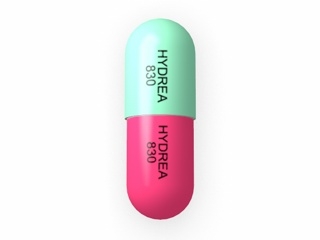


Hydrea (Hydroxyurea) — Patient-Friendly Guide (UK)
Hydrea contains hydroxyurea, a medicine used to treat certain cancers and blood disorders. This guide explains how it works, how it is usually taken, common safety considerations, and what to expect while using it. Always follow the instructions provided with your medicine and discuss any questions with your healthcare team.
Note: Information below is for general education. Your individual dose and monitoring plan may differ depending on your condition and blood test results.
1. Basic product information
| Item | Details |
|---|---|
| Medicine name | Hydrea (hydroxyurea) |
| Active ingredient | Hydroxyurea |
| Common form | Capsules (available in multiple strengths depending on local supply) |
| Medicine class | Antimetabolite / cytotoxic agent; also used in some non-malignant blood disorders |
| How it is used | Usually taken by mouth on a regular schedule; dose adjusted by blood counts and response |
2. What is Hydrea used for?
Hydrea is used in two broad areas:
- Haematological (blood) conditions, such as certain myeloproliferative neoplasms (MPNs).
- Cancers, where it works as an antineoplastic agent (and can also support some radiation-based approaches in specific settings).
Indications may include:
- Chronic myeloid disorders / myeloproliferative neoplasms (for example, polycythaemia vera or essential thrombocythaemia in appropriate patients, particularly when reducing risk from high blood counts).
- Some forms of cancer, as determined by specialist treatment plans (for example, in certain head-and-neck or other locally advanced malignancies, sometimes in combination with radiotherapy).
Because indications and treatment goals can vary, the exact reason you are taking Hydrea should be discussed with your clinician.
3. Mechanism of action (how it works)
Hydroxyurea interferes with processes needed for cells to divide.
- Blocks DNA synthesis: Hydroxyurea helps inhibit an enzyme involved in making DNA building blocks, reducing the ability of rapidly dividing cells to replicate.
- Affects tumour and blood cell production: By slowing cell division, it can help reduce overproduction of abnormal blood cells and/or help shrink or control certain cancers.
- May reduce abnormal blood cell counts: In blood disorders such as MPNs, this can lower risks linked to elevated counts (for example, clotting or bleeding tendencies).
Important: Hydrea’s benefits may take weeks to become clear, while early blood-count changes may occur sooner. Doses are often adjusted based on regular blood tests.
4. Pharmacokinetics (how the body handles hydroxyurea)
Pharmacokinetics describes how the body absorbs, distributes, metabolises, and eliminates a medicine.
- Absorption: Hydroxyurea is taken by mouth and generally absorbs into the bloodstream effectively. Food may affect the timing of absorption for some people (see food section below).
- Distribution: It distributes throughout the body tissues, including reaching sites where it exerts its effects.
- Metabolism: It is processed mainly through hepatic (liver) pathways and partly by other routes.
- Elimination: The medicine and its metabolites are removed primarily through the kidneys.
- Half-life: The duration of effect depends on individual factors and dosing schedule; clinicians use blood monitoring to guide dose adjustments.
If you have kidney or liver impairment, your prescriber may adjust your dose or increase monitoring.
5. Typical timing: when and how to take Hydrea
Hydrea is usually taken regularly, often once daily or on a schedule set by your specialist. Your regimen depends on your condition, blood counts, and tolerance.
- Try to take it at the same time each day.
- Follow your dosing schedule exactly. If you miss a dose, follow the advice from your healthcare team or the medicine leaflet.
- Do not double a dose to make up for a missed capsule unless you have been specifically instructed.
Practical routine tip: Many people find it helpful to link Hydrea to a daily habit (e.g., after breakfast or at bedtime) to reduce missed doses.
6. Food interactions (what to eat and drink)
Food may change how quickly hydroxyurea is absorbed, though it typically does not completely prevent absorption.
- General advice: Take Hydrea consistently with regard to meals—either always with food or always on an empty stomach—unless your clinician advises otherwise.
- If your prescriber gives specific instructions about taking Hydrea with or without food, follow those instructions.
If you experience nausea or stomach upset, taking the dose with food (if permitted for you) may help. Discuss options with your healthcare team.
7. Alcohol and medicine interactions
Alcohol
Hydroxyurea can affect blood and bone marrow function. Alcohol may also affect your overall health, hydration, liver function, and risk of side effects such as fatigue or nausea.
- It’s safest to keep alcohol minimal while taking Hydrea.
- If you drink alcohol, discuss your typical intake with your clinician, especially if you have liver issues or low blood counts.
Medicine interactions
Hydroxyurea may interact with other medicines, particularly those that:
- Also suppress the immune system or affect the bone marrow (increasing infection risk and/or anaemia risk).
- Affect kidney function (changing hydroxyurea clearance).
- Change blood clotting or bleeding risk indirectly through blood count changes.
Examples of medicines that may require extra attention (not exhaustive):
- Other cancer medicines or immunosuppressants.
- Medicines that can alter kidney function (e.g., some anti-inflammatory drugs are notable for renal effects in susceptible patients).
- Warfarin or other anticoagulants: bleeding risk may change as blood counts and overall health change.
Always tell us/your clinician about all medicines you take, including over-the-counter products, vitamins, herbal supplements, and occasional medicines—especially if you are receiving other treatments at the same time (such as radiotherapy).
8. Safety profile: important warnings for patients
Hydrea can be effective, but it also has important safety considerations. Your healthcare team will usually monitor you with regular blood tests (full blood counts) and review side effects.
Commonly monitored issues
- Bone marrow suppression: Hydroxyurea can lower blood cell counts.
- Infection risk: Low white blood cells can increase susceptibility to infections.
- Anaemia: Low red blood cells can cause fatigue, breathlessness, or weakness.
- Low platelets: Can increase bruising or bleeding.
Common side effects
- Fatigue
- Nausea or stomach discomfort
- Loss of appetite
- Mouth sores (stomatitis)
- Skin changes (for example, dryness or rashes)
- Changes to nail/skin pigmentation can occur with some long-term therapies
Serious side effects — seek urgent medical advice if
- Signs of infection such as fever, chills, sore throat, or persistent cough
- Unusual bruising, bleeding gums, black/tarry stools, or blood in urine
- Severe mouth ulcers or inability to drink due to pain
- Breathlessness or chest pain (especially with severe anaemia)
- Severe skin reactions
If you develop symptoms that could suggest low blood counts or infection, contact your healthcare team promptly.
Pregnancy, contraception, and fertility
Hydroxyurea may pose risks to an unborn baby. It is important to discuss pregnancy planning, effective contraception, and fertility concerns with your specialist before and during treatment.
- If you can become pregnant, effective contraception is typically required during treatment and for a period after stopping (the exact period should be confirmed with your clinician).
- If you have a partner who could become pregnant, ask about contraception recommendations during treatment and after.
- If you are male and concerned about fertility, discuss sperm preservation or other options before starting treatment.
Long-term use considerations
In some patients, longer-term hydroxyurea treatment can be associated with skin changes and other risks. Your clinician will weigh benefits and risks and may monitor skin and overall health during treatment.
9. Dosing: how hydroxyurea is typically prescribed
Hydroxyurea dosing must be individualised. It may vary depending on:
- The condition being treated
- Baseline blood counts and response to therapy
- Kidney function
- Whether used alone or with other treatments
- Age and tolerance
General principles of dosing:
- Start dose is set by your prescriber.
- Regular blood tests guide dose adjustments to reach and maintain effective control while reducing side effects.
- Dose may be reduced if blood counts drop too far, or withheld temporarily if severe cytopenias occur.
Do not change your dose on your own. If you experience troublesome side effects or feel unwell, contact your healthcare team; adjustments may be possible.
If you have kidney impairment: clinicians may use a lower dose and closer monitoring because clearance may be reduced.
10. Practical use tips (to get the best from Hydrea)
- Attend all blood test appointments. These tests are essential for safe dosing.
- Use a consistent routine. Taking your medicine at the same time daily helps adherence.
- Stay hydrated. If you experience diarrhoea, vomiting, or poor intake, discuss it promptly.
- Oral care matters. If mouth sores occur, ask about mouth-rinses and supportive treatments.
- Protect your skin. Use sun protection (SPF and protective clothing). Report any new or changing skin lesions to your clinician.
- Watch for infection symptoms. With low white blood cells, early treatment can be important.
- Keep a medication list. Include all prescriptions, OTC medicines, and supplements.
11. Monitoring: what your healthcare team may check
During Hydrea therapy, monitoring commonly includes:
- Full blood counts (FBC) to check white cells, red cells, and platelets
- Kidney function (blood urea/creatinine and estimated glomerular filtration rate)
- Liver function tests in some patients
- Symptoms review (fatigue, infections, mouth ulcers, skin changes)
- Disease response (e.g., blood count control and symptom improvement)
Your prescriber will set the frequency of checks. It may be more frequent at the start or after dose changes.
12. Alternative options (discuss with your clinician)
Alternatives depend strongly on the underlying diagnosis. For blood disorders and cancers, clinicians may consider different medication classes or supportive measures.
Examples of possible alternatives in some settings (not a substitute for medical advice):
- Other medicines used to control blood counts in myeloproliferative neoplasms (e.g., different cytoreductive therapies).
- Interferon-based treatments in selected patients for certain MPNs.
- In cancer contexts, other chemotherapy agents, targeted treatments, or radiotherapy protocols may apply.
- Supportive treatments such as symptom control (anti-nausea medicines, mouth care, transfusion support when needed).
Your clinician can explain which options are suitable for you based on your overall health, disease characteristics, and previous treatments.
13. United Kingdom market & legal context
Hydrea is an established medicine within the UK healthcare system. Medicines like hydroxyurea are typically handled under regulatory frameworks that govern manufacturing standards, pharmacovigilance, and safe supply.
- Quality and safety: UK supply chains must meet medicines regulatory requirements.
- Monitoring and reporting: Healthcare providers and patients can report suspected side effects to support ongoing safety monitoring.
- Clinical oversight: Treatment generally requires specialist follow-up and structured blood monitoring due to potential bone marrow effects.
Recent guidance and clinical updates: In the UK, treatment approaches for myeloproliferative neoplasms and cancer regimens may evolve through national guidance, specialist society recommendations, and safety updates from regulators. Always rely on your treating clinician for the most current advice relevant to your diagnosis.
14. Delivery and availability (online pharmacy information for the UK)
Availability can vary depending on stock levels and strength of capsules. When ordering online, ensure you:
- Check the strength and pack size match what you are prescribed.
- Confirm any required delivery instructions (e.g., safe place, times someone can receive the parcel).
- Allow adequate time for dispatch and delivery to avoid missed doses.
Delivery timing: Delivery estimates depend on your location and the supplier’s processing times. If you need the medicine urgently, contact customer support for the most accurate estimate.
Cold-chain: Hydroxyurea capsules typically do not require refrigerated delivery. Store as directed on the pack (usually at controlled room temperature).
15. Safety checklist before you start (or when continuing)
- Do you know why you’re taking Hydrea and what your treatment goal is?
- Are your blood test appointments scheduled?
- Have you reviewed your current medicines, OTC products, and supplements with your clinician/pharmacist?
- Do you understand what side effects are most important for you to watch for?
- Have you discussed contraception/pregnancy plans if relevant?
16. FAQ
How long does it take for Hydrea to work?
Some blood count changes may be seen within the first few weeks, but the full benefit can take longer. Your response will be assessed using regular blood tests and symptom review, and your dose may be adjusted accordingly.
What happens if I miss a dose?
Missed-dose advice depends on your prescribed schedule. Check the patient information leaflet or follow the guidance from your healthcare team. In general, you should not double the dose unless instructed.
Can I take Hydrea with food?
Food may affect absorption rate. For many patients, taking it consistently with or without food is recommended. Follow your clinician’s instructions and the directions on the pack.
Is it safe to drink alcohol while taking Hydrea?
Moderation is advised. Alcohol can worsen dehydration and may affect tolerance and liver function. Discuss your alcohol intake with your clinician, especially if you have other medical conditions.
Will Hydrea affect my immune system?
Hydroxyurea can lower blood counts, including white blood cells in some people. This may increase infection risk. Contact your healthcare team promptly if you develop fever or signs of infection.
What blood tests are needed?
Typically, full blood counts (FBC) are used to monitor white cells, red cells, and platelets. Kidney function may also be monitored, particularly because hydroxyurea is cleared partly by the kidneys.
What should I do if I get mouth ulcers or a sore mouth?
Mouth sores can occur. Contact your healthcare team for advice. They may recommend mouth care products, supportive treatments, and may adjust treatment depending on severity.
Can Hydrea be used together with radiotherapy or other cancer medicines?
In some cancer settings, hydroxyurea is used alongside other treatment modalities as part of a specialist plan. Your team will monitor side effects closely because combined treatments can increase risks.
How should Hydrea be stored?
Store your capsules according to the instructions on the pack. Keep them in their original packaging and out of the sight and reach of children. Do not use beyond the expiry date.
What if I have kidney problems?
Hydroxyurea dosing and monitoring may need adjustment. Inform your clinician about your kidney function and any recent blood test results.
Are there alternatives if I cannot tolerate Hydrea?
Yes—options depend on your diagnosis. Discuss alternative treatments and supportive strategies with your specialist.
Conclusion
Hydrea (hydroxyurea) is a medicine used to treat selected cancers and blood disorders. Because it can affect bone marrow activity and blood counts, regular monitoring and prompt attention to side effects are key to safe use. If you’re starting Hydrea or continuing treatment, keep to your dosing schedule, attend blood tests, and contact your healthcare team if you experience symptoms that could indicate infection, bleeding, or significant anaemia.