Bicalutamide (UK) — Patient-Friendly Guide
Bicalutamide is a medicine used mainly in the treatment of certain cancers that are driven by the hormone testosterone (and related androgens). This page explains how bicalutamide works, how it is taken, common safety considerations, and practical information relevant to people in the United Kingdom.
Note: This information is for general guidance. Always follow the specific instructions given by your healthcare team and the package leaflet supplied with your medicine.
Basic product information
| Item | Details |
|---|---|
| Medicine name | Bicalutamide |
| How it works | Anti-androgen (blocks androgen receptors) |
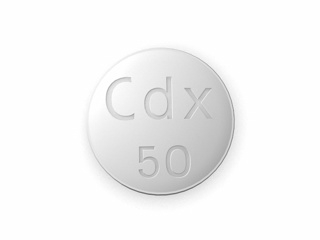
| Common strengths | Often 50 mg or 150 mg tablets (strength depends on the prescribed regimen) |
| How it’s taken | Usually by mouth, once daily |
| Key uses | Prostate cancer (various stages and combinations) |
| Classification (UK) | Medicinal product subject to UK regulation; availability depends on authorised supply arrangements |
What bicalutamide is used for
Bicalutamide is used to treat prostate cancer in men. It works by blocking the effects of androgens (male sex hormones) that can stimulate prostate cancer cells.
It may be used in different clinical situations, including:
- Locally advanced prostate cancer (often in combination with other hormone treatments depending on stage and intended approach).
- Metastatic prostate cancer (sometimes as part of combined androgen blockade).
- Adjuvant or combined therapy approaches as recommended by specialist teams.
The exact regimen (including whether bicalutamide is combined with other medicines) depends on your cancer stage, previous treatments, and your overall health.
Mechanism of action (how it works)
Bicalutamide is an androgen receptor antagonist. Androgens such as testosterone and dihydrotestosterone (DHT) can enter prostate cells and bind to androgen receptors. When that happens, cancer cells may grow and survive.
Bicalutamide blocks the androgen receptor, which helps prevent androgens from activating prostate cancer cell growth. Over time, this can reduce cancer activity and may slow progression.
Pharmacokinetics (how the body handles it)
“Pharmacokinetics” describes what happens to a medicine after you take it—absorption, distribution, metabolism, and elimination. The following points are simplified for patient understanding:
- Absorption: Bicalutamide is absorbed after oral dosing. The presence of food can change absorption slightly, but it is generally not a major issue for most people.
- Protein binding: It is highly bound to plasma proteins, which influences its movement in the body.
- Metabolism: The medicine is metabolised mainly in the liver.
- Elimination: Metabolites are excreted primarily via urine and/or faeces (routes may vary depending on metabolism).
- Half-life: Bicalutamide has a long duration of action, which supports once-daily dosing in many regimens.
Because bicalutamide is processed largely by the liver, liver health matters. If you have liver problems, your clinician may monitor you more closely.
Indications (when it is appropriate)
In the UK context, bicalutamide is indicated for prostate cancer treatment scenarios where blocking androgen receptor signalling is beneficial. Your specialist will decide the most appropriate approach based on:
- Stage of disease (localised, locally advanced, metastatic)
- Whether other androgen deprivation strategies are being used
- Potential benefits versus risks for your specific situation
- Any previous treatments and response
How to take bicalutamide (timing and dosing)
Dosing varies depending on the intended treatment plan. Always use the dose and schedule given to you by your healthcare team and the product packaging.
Typical dosing
- Common schedule: once daily.
- Strength: often 50 mg or 150 mg tablets depending on the regimen.
When to take it
Many people choose a consistent time each day (for example, with breakfast or in the evening) to help remember. If you take other medicines at different times, keep to your personalised schedule.
If you miss a dose
- If you miss a dose, take it as soon as you remember on the same day.
- If it is close to the time for your next dose, skip the missed dose and continue with the regular schedule.
- Do not double up to make up for a missed tablet.
If you have concerns about missed doses, ask your pharmacist or prescriber for advice.
Food interactions
Food may affect absorption of some medicines. For bicalutamide, food interactions are generally not considered a major day-to-day issue for most patients. However, it is still a good habit to:
- Take your tablet consistently (for example, with or without food, depending on what you’ve been told).
- Follow any specific instructions from your clinician or pharmacist.
If your stomach upset worsens after starting bicalutamide, mention this to your healthcare team.
Alcohol and medicine interactions
Alcohol
There is no single “required” alcohol rule for everyone using bicalutamide. However, because bicalutamide is processed in the liver and some treatments for prostate cancer can affect overall wellbeing, it is sensible to use alcohol cautiously.
- If you drink alcohol, consider limiting intake and avoiding binge drinking.
- Report symptoms such as unusual tiredness, nausea, dark urine, or yellowing of the eyes/skin promptly (possible liver-related signs).
Other medicines (possible interactions)
Interactions can happen with medicines that affect liver enzymes or that interact with androgen-related treatment plans. Inform your healthcare team about all medicines you take, including:
- Herbal products (especially those affecting liver enzymes)
- Over-the-counter medicines
- Supplements
- Any medicines for heart rhythm, cholesterol, diabetes, or blood thinning
Your pharmacist can check for interactions based on your exact regimen (including any additional prostate cancer medicines you may be taking).
Important: If bicalutamide is being used alongside other hormone therapies, the overall regimen may influence side effects and monitoring frequency.
Safety profile: side effects and warnings
Like all medicines, bicalutamide can cause side effects. Not everyone will experience them, and the severity varies between individuals. Some effects may be managed with lifestyle changes or other supportive treatments.
Common side effects
- Hot flushes
- Breast tenderness or breast enlargement (sometimes called gynaecomastia)
- Decreased libido (reduced sex drive)
- Erectile dysfunction
- Fatigue
- Nausea or upset stomach
Less common but important side effects
- Liver changes: Bicalutamide can affect liver function in some people. Your clinician may arrange blood tests.
- Shortness of breath or worsening breathing (seek medical advice if severe or sudden).
- Allergic reactions: rash, swelling of the face/lips, or difficulty breathing—seek urgent help.
When to seek urgent medical help
Contact urgent medical services or seek immediate advice if you experience:
- Signs of a serious allergic reaction (swelling, breathing difficulties)
- Symptoms that may indicate liver problems, such as:
- yellowing of the skin or eyes (jaundice)
- dark urine
- severe or persistent upper abdominal pain
- unusual bruising or bleeding
- Chest pain, fainting, or severe breathlessness
Practical use tips (making treatment easier)
- Set a daily reminder: Because dosing is usually once daily, a phone alarm or a weekly pill organiser can help reduce missed doses.
- Track side effects: Keep a simple note of hot flushes, breast tenderness, mood changes, or fatigue so you can discuss patterns with your clinician.
- Support your wellbeing: Gentle exercise (if appropriate for you), balanced nutrition, and adequate hydration can help with fatigue.
- Attend monitoring appointments: If blood tests are planned (particularly for liver function), attend them even if you feel well.
- Skin and temperature comfort: For hot flushes, dressing in layers, using a fan, and avoiding triggers like spicy food or very warm rooms may help.
Alternative options
Treatment for prostate cancer is personalised. Alternative approaches may include other anti-androgens, medicines that reduce androgen production (androgen deprivation therapy), chemotherapy, radiotherapy, surgery, or active surveillance—depending on disease stage and individual factors.
If you are considering options, your oncology team may discuss medicines such as:
- Other anti-androgens (for example, enzalutamide, flutamide, or others depending on suitability)
- Androgen deprivation medicines that lower testosterone levels
- Combination strategies using different mechanisms
Your healthcare team can explain the potential benefits and trade-offs (including side effects and monitoring) for each option.
Market and legal context for the UK (overview)
In the UK, medicines are regulated through the medicines framework overseen by relevant authorities (including licensing, safety monitoring, and distribution standards). The supply of bicalutamide may be restricted depending on its classification and the regimen being used.
For medicines available through UK pharmacies, reputable suppliers typically provide:
- Authorised packaging with identifiable batch information
- Clear patient information leaflet (where applicable)
- Pharmacist support for counselling on safe use
- Transparent delivery and handling information
Always ensure you receive medicine from a legitimate, regulated supply channel. If you have doubts about authenticity, do not use the product and speak to a pharmacist.
Recent guidance (what to expect in 2024–2026)
Guidance for prostate cancer care and hormone-based treatments is updated periodically based on clinical evidence and safety updates. In recent years, common themes in UK oncology practice have included:
- Personalised benefit-risk assessment for different disease stages and treatment combinations.
- Monitoring and prompt review of side effects, especially liver-related symptoms and overall tolerability.
- Patient education on what to watch for and when to contact their healthcare team.
- Coordination of care between GP, oncology teams, and pharmacies to ensure safe ongoing treatment.
Your clinic’s monitoring plan (including blood tests) may vary depending on your regimen and individual medical history.
Delivery, availability, and storage
Availability can vary by pharmacy and by the specific tablet strength and pack size. When ordering online through a UK pharmacy, you should typically expect:
- Clear product strength information and pack size on the listing.
- Secure dispatch and trackable delivery (where available).
- Instructions for storage on the packaging or leaflet.
Storage (general guidance)
- Store tablets according to the instructions on the pack.
- Keep out of the sight and reach of children.
- Do not use after the expiry date printed on the packaging.
If you notice tablets look unusual (e.g., broken, discoloured, or damaged packaging), consult a pharmacist.
FAQ about bicalutamide
1) How long does bicalutamide take to start working?
Many people begin to feel changes within weeks, but cancer response timelines vary widely. Your specialist will monitor progress using clinical review and relevant tests.
2) Is bicalutamide chemotherapy?
No. Bicalutamide is a hormone-related medicine that blocks androgen receptors. It works differently from chemotherapy.
3) Can women or children take bicalutamide?
Bicalutamide is used for prostate cancer and is not generally intended for use in women or children. If you need medicine information for someone else, consult a healthcare professional.
4) What should I do if I get breast tenderness?
Breast tenderness can occur. Inform your healthcare team—options may include supportive measures or treatment adjustments depending on your overall regimen.
5) Can I drive or operate machinery?
Bicalutamide may cause fatigue in some people. If you feel tired, dizzy, or generally unwell, avoid driving or operating machinery and speak to your clinician.
6) Will I still be able to have sex?
Changes in libido and erectile function can occur with anti-androgen therapy. Sexual function varies; discuss concerns with your healthcare team so they can advise on coping strategies and possible options.
7) What monitoring might I need?
Your clinician may arrange blood tests, especially for liver function, and may monitor symptoms such as hot flushes, breast changes, and general wellbeing.
8) Is it safe to drink alcohol while taking bicalutamide?
Use alcohol cautiously. If you have liver concerns, drink heavily, or notice symptoms such as jaundice or severe nausea, seek medical advice promptly.
9) What if I’m taking other medicines too?
Tell your pharmacist and healthcare team about all medicines and supplements you use. This helps prevent interactions and ensures your dosing schedule is safe.
10) What should I do if my side effects are severe?
Contact your healthcare team. Don’t stop treatment without advice, as changes may need to be coordinated for your specific cancer plan.
Summary
Bicalutamide is an anti-androgen medicine used for prostate cancer by blocking androgen receptor activity. It is typically taken once daily, and because it is metabolised in the liver, liver-related monitoring and awareness of symptoms are important. If you experience troublesome side effects, it’s often possible to manage them—so speak to your healthcare team.
For the safest use, follow your regimen precisely, attend monitoring appointments, and consult a pharmacist if you have questions about interactions, missed doses, or unusual symptoms.