

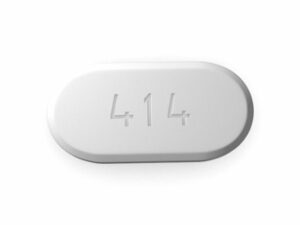

Fenofibrate (for blood fats) — Patient-Friendly Guide (UK)
Fenofibrate is a medicine used to improve abnormal levels of fats (lipids) in the blood, particularly when triglycerides are high and/or when cholesterol patterns need support. It belongs to a group of medicines called fibrates.
This guide explains what fenofibrate does, how it works, how it is taken, key safety information, interactions (including alcohol), and practical tips to help you get the most from treatment. It is written for people in the United Kingdom.
Basic product information
| Category | Details |
|---|---|
| Medicine name | Fenofibrate |
| Medicinal class | Fibrate (lipid-regulating medicine) |
| Common uses | High triglycerides and selected mixed dyslipidaemias |
| How it works | Improves lipid metabolism; increases breakdown of triglycerides and can improve HDL |
| Typical forms | Tablets or capsules (strength varies by product) |
| Typical dosing pattern | Once daily or as instructed (depends on formulation) |
| Who should be careful | People with kidney/liver impairment, certain muscle-risk factors, pregnancy/breastfeeding (seek advice) |
How fenofibrate works (mechanism of action)
Fenofibrate helps regulate blood fats mainly by activating a receptor called PPAR-α (peroxisome proliferator-activated receptor alpha). This activation influences genes involved in lipid metabolism.
- Reduces triglycerides: it increases the activity of enzymes that break down triglycerides in the blood.
- Improves cholesterol profile: it can lower VLDL and may increase HDL (good cholesterol).
- Can lower LDL in some people: effects vary by baseline lipid pattern and other treatments.
Overall, fenofibrate is most helpful when triglycerides are high, and it may also improve mixed lipid abnormalities when clinically appropriate.
Pharmacokinetics (how the body handles fenofibrate)
Understanding pharmacokinetics can help you know why timing and food can matter. Individual absorption and metabolism can vary depending on formulation.
Absorption and activation
- Fenofibrate is absorbed through the gut and is metabolised in the body (the active form contributes to its lipid effects).
- Some formulations are designed for once-daily dosing and may rely on modified release mechanisms.
Distribution
- Fenofibrate and its active metabolites distribute into body tissues, with effects on lipid-regulating pathways.
Metabolism and elimination
- The drug is processed mainly through hepatic pathways and excreted predominantly via the kidneys.
- Kidney function is important for safe use—dose adjustments may be required in reduced renal function.
Half-life (general idea)
Fenofibrate and/or its active metabolite have a measurable duration of action; different formulations may show different time courses. Your specific product leaflet contains the most accurate details for that formulation.
What fenofibrate is used for (indications in practice)
In the UK, fenofibrate is used to treat certain lipid disorders. Common scenarios include:
- High triglycerides (hypertriglyceridaemia), especially when levels are high enough to increase the risk of pancreatitis.
- Mixed dyslipidaemia in selected patients where triglyceride levels remain problematic despite other measures.
- Cardiometabolic risk management in appropriate clinical contexts (your clinician may consider overall risk factors).
Fenofibrate is usually used alongside dietary changes, exercise, and management of other risk factors (such as diabetes, thyroid problems, and smoking cessation).
Typical dosing and timing
Dosing depends on the strength and formulation of the product you are taking, as well as kidney function and other medicines you may be on. Always follow the specific instructions for your pack.
General timing tips
- Many fenofibrate regimens are once daily.
- Try to take it at the same time each day to help maintain consistent blood levels.
- If you miss a dose, do not double it. Take the next dose as directed in your product information.
How long until it works?
Lipid improvements can often be seen after a few weeks, with fuller assessment at follow-up blood tests. Your clinician may schedule periodic blood tests to measure lipids and check safety markers.
Food interactions: taking fenofibrate with meals
Food can affect the absorption of fenofibrate depending on the formulation. As a practical guide:
- Many people are advised to take fenofibrate with food to improve absorption.
- If your product leaflet instructs “take with meals”, try to follow this closely.
- If you are unsure about whether your specific product should be taken with food, check the patient information leaflet or speak to your pharmacist.
Keeping the same relationship to meals each day (for example, always with breakfast or always with your evening meal) can help.
Alcohol interactions and guidance
Alcohol can affect triglycerides and may increase stress on the liver. While occasional low intake may not cause problems for everyone, it can be especially important to limit alcohol if you have high triglycerides or liver concerns.
- High triglycerides: frequent or heavy alcohol intake can worsen triglyceride levels.
- Liver safety: alcohol may add to liver strain, which is relevant because monitoring is sometimes needed with fibrates.
- Pancreatitis risk: very high triglycerides combined with heavy alcohol use may raise risk.
If you drink alcohol, consider discussing with a healthcare professional what “safe” means for your situation and current lab results.
Medicine interactions (important)
Interactions can affect either fenofibrate levels or the risk of side effects (particularly muscle- and liver-related problems). Below are common interaction categories seen in routine UK practice.
Statins (cholesterol medicines)
Some people are prescribed a statin alongside fenofibrate. This can be effective in certain lipid patterns but may increase the risk of muscle-related side effects.
- Use combination therapy only when appropriate and with careful monitoring.
- Report muscle pain, weakness, cramps, or dark urine promptly.
Other fibrates or lipid-lowering agents
- Avoid taking another fibrate at the same time unless specifically advised.
- Some combinations may require dose adjustments and closer monitoring.
Blood thinners (anticoagulants)
Fenofibrate may influence the effect of certain anticoagulants (for example, warfarin). This can change bleeding risk.
- If you take an anticoagulant, you may need closer INR/bleeding monitoring when starting or changing fenofibrate.
Bile acid sequestrants
Some medicines that bind bile acids can reduce absorption of other drugs. If you are prescribed one of these, your pharmacist may suggest spacing doses.
Diabetes medicines
In people with diabetes, improvements in metabolism may affect glucose control. Monitoring may be needed when adjusting therapy.
Immunosuppressants and certain other medicines
Some medicines can increase the risk of side effects or change drug handling in the body. Always provide a complete list of your medicines to a pharmacist.
Safety profile: key side effects and when to seek help
Like all medicines, fenofibrate can cause side effects. Many people tolerate it well, but it is important to recognise warning signs early.
Common side effects
- Stomach upset, nausea, abdominal discomfort
- Mild digestive changes
- Headache or dizziness in some people
Serious side effects (seek urgent medical advice)
- Muscle injury (myopathy/rhabdomyolysis): symptoms can include severe or persistent muscle pain, weakness, fever, and dark urine.
- Liver problems: symptoms may include yellowing of the eyes/skin (jaundice), unusual tiredness, dark urine, or persistent upper abdominal pain.
- Allergic reactions: swelling of the face/lips, breathing difficulties, severe rash, or hives.
- Pancreatitis (especially with very high triglycerides): severe upper abdominal pain that may spread to the back, with vomiting.
Why monitoring matters
Clinicians often monitor blood tests such as lipid levels and sometimes liver function and kidney function. This helps maintain safety, especially if you are older, have comorbidities, or take interacting medicines.
Practical use tips (getting the best results)
- Take consistently: aim for the same time each day and follow “with food” instructions for your product.
- Keep your lifestyle measures going: diet, exercise, weight management, and control of diabetes can significantly enhance benefits.
- Attend blood tests: follow-up tests help confirm that triglycerides and cholesterol are responding.
- Hydrate and report symptoms early: muscle pain/weakness or unusual fatigue should be discussed promptly.
- Check labels for overlaps: some combination cholesterol or “heart health” products may contain ingredients that overlap with your medicine plan.
Who should be cautious or ask for advice first
Fenofibrate may not be suitable for everyone. You should seek tailored advice if any of the following apply:
- Kidney impairment: dose adjustments and extra monitoring may be required.
- Liver disease or a history of abnormal liver tests.
- History of muscle-related problems with fibrates or statins.
- Untreated hypothyroidism (low thyroid) can increase muscle risk and affect lipids—treatment may be needed first.
- Pregnancy and breastfeeding: discuss risks and alternatives with a healthcare professional.
- Older age or frailty: increases sensitivity to side effects for some medicines.
- Regular heavy alcohol intake or a history of pancreatitis linked to high triglycerides.
Dosing considerations (general guidance)
The correct dose is determined by your clinician based on lipid levels, kidney function, and overall risk. Below is general information, not a personal dosing instruction.
- Renal function: lower doses may be considered in reduced kidney function.
- Combination therapy: if taken with a statin or other lipid-lowering medicines, the plan may be adjusted to reduce risk.
- Formulation differences: some strengths are intended for once-daily use; others may differ.
Always follow the dosing instructions on your pack and the patient information leaflet. If you are unsure, ask a pharmacist to confirm your specific product regimen.
Alternative options to fenofibrate
Alternatives depend on your lipid profile, overall cardiovascular risk, and tolerance. Options often include:
Lifestyle measures (foundational for triglycerides)
- Reducing added sugars and refined carbohydrates
- Limiting alcohol (especially with high triglycerides)
- Achieving a healthy weight where appropriate
- Regular physical activity
Medicines
- Statins (for higher LDL cholesterol and broader cardiovascular risk reduction).
- Omega-3 fatty acids (some formulations can lower triglycerides; suitability varies).
- Other lipid-lowering agents may be used depending on your pattern (as determined by a clinician).
Do not switch medicines without medical advice—especially if you have high triglycerides or are on combination therapy.
UK market and legal context (overview)
In the United Kingdom, fenofibrate is a regulated prescription-only medicine or otherwise supplied under the NHS/private system rules applicable to each product and patient circumstance. Availability and supply methods can depend on the specific brand, strength, and local pharmacy protocols.
Pharmacies work within UK regulatory frameworks to ensure safe supply, including checking suitability, interactions, and medicine histories. This may involve additional questions at the point of purchase and medication review.
For NHS recommendations and lipid management, national guidance and local clinical pathways may influence which treatments are preferred for specific patient groups.
Recent guidance and clinical updates (high-level)
Lipid management in the UK is informed by evidence and evolving recommendations. In recent years, emphasis has often included:
- Individualised risk assessment for cardiovascular disease.
- Addressing triglycerides and secondary causes (for example: diabetes, hypothyroidism, kidney disease, alcohol intake, certain medications).
- Careful selection of combination therapy to balance benefits and side-effect risk.
- Ongoing monitoring for safety when using fibrates, particularly alongside statins.
Your pharmacist or clinician can help interpret how general guidance applies to your personal situation.
Delivery and availability (UK online pharmacy)
Fenofibrate availability can vary by supplier and product strength. When ordering online, you may be shown available sizes, strengths, and estimated delivery times.
What to expect
- Packaging: sealed boxes or blister packs in line with UK distribution standards.
- Delivery times: typically depend on postcode and stock status.
- Stock updates: if a particular strength is out of stock, a substitute option may not always be appropriate—check with the pharmacy.
Storage
- Store at room temperature as stated on the pack.
- Keep away from moisture and direct sunlight.
- Keep out of reach of children.
FAQ: Frequently asked questions about fenofibrate
1) What is fenofibrate used for?
Fenofibrate is used to treat abnormal blood lipids, especially high triglycerides, and in some people with mixed lipid problems. It is used alongside diet and lifestyle changes.
2) How quickly will my triglycerides improve?
Some improvement may be seen after a few weeks, but the full effect is usually assessed with follow-up blood tests scheduled by your clinician. Timing varies by baseline levels and whether other treatments are adjusted.
3) Should I take fenofibrate with food?
Many fenofibrate formulations are recommended to be taken with meals to support absorption. Please follow the instructions in your product leaflet.
4) Can I drink alcohol while taking fenofibrate?
Alcohol may worsen triglycerides and can increase stress on the liver. If you drink, keep it limited and seek personalised advice—particularly if you have very high triglycerides or liver concerns.
5) What should I do if I miss a dose?
Follow the missed-dose instructions on your patient information leaflet. In general, if you realise later, take the dose when you remember unless it is close to the next scheduled time. Do not double up.
6) What side effects should I watch for?
Seek medical advice promptly if you develop severe muscle pain or weakness, dark urine, yellowing of the skin/eyes, signs of allergic reaction, or symptoms suggestive of pancreatitis (severe upper abdominal pain with vomiting).
7) Can fenofibrate be taken with statins?
Sometimes it can, but it should be done only when appropriate and with careful monitoring due to increased muscle-related risk. Tell your pharmacist about all medicines you take.
8) Are there alternatives if fenofibrate isn’t suitable?
Yes. Alternatives may include statins, omega-3 fatty acids, or other lipid-lowering treatments depending on your lipid pattern and overall risk. Lifestyle measures are also essential.
9) Who should avoid or be cautious with fenofibrate?
People with significant kidney impairment, liver disease, a history of muscle problems, or certain conditions may need extra caution or alternative treatment. Discuss your medical history and current medicines with a pharmacist or clinician.
10) Will fenofibrate replace diet and exercise?
No. Fenofibrate is most effective when combined with a heart-healthy diet, weight management where relevant, regular physical activity, and good control of other conditions such as diabetes and thyroid problems.
Summary
Fenofibrate is a lipid-regulating medicine used to improve high triglycerides and selected cholesterol patterns. It works by influencing lipid metabolism through PPAR-α. Safe use depends on correct dosing, attention to “take with food” instructions where relevant, and awareness of interactions—especially with statins and anticoagulants. Regular monitoring and prompt reporting of symptoms such as muscle pain or signs of liver problems can help keep treatment safe and effective.