
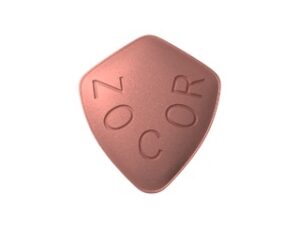
Simvastatin (Statin Medicine) – Patient Guide (UK)
Simvastatin is a widely used cholesterol-lowering medicine from the statin group. It helps reduce the risk of heart disease and stroke in people who are at higher risk, and it can also lower cholesterol levels. This guide explains how simvastatin works, how it’s used, what to watch for, and practical tips for safe and effective treatment in the United Kingdom.
Basic product information
- Active ingredient: Simvastatin
- Medicine type: Statin (HMG-CoA reductase inhibitor)
- Common strengths: 5 mg, 10 mg, 20 mg, 40 mg, 80 mg (strengths may vary by brand)
- How it’s usually taken: Once daily by mouth
- Where it’s used: For people with raised cholesterol and/or increased cardiovascular risk
Brand names: Simvastatin is available under various brand names in the UK. Your pharmacy label will show the exact brand/strength you have been supplied.
How simvastatin works (mechanism of action)
Simvastatin lowers cholesterol by reducing the liver’s production of cholesterol.
- It inhibits HMG-CoA reductase, an enzyme needed to make cholesterol in the liver.
- As cholesterol production falls, the liver increases LDL receptor activity, pulling more LDL (“bad”) cholesterol out of the blood.
- Over time, this leads to reductions in:
- Total cholesterol
- LDL cholesterol
- Triglycerides (in many people)
- Statins may also help stabilise plaque in blood vessels, which can reduce the risk of cardiovascular events.
Pharmacokinetics (what the body does to the medicine)
Understanding how simvastatin is processed can help you take it correctly.
- Absorption: Simvastatin is absorbed from the gut after swallowing.
- Prodrug: Simvastatin is an inactive form that is converted in the body (mainly in the liver) to its active metabolite.
- Metabolism: It is primarily metabolised by the liver enzyme CYP3A4.
- Half-life: The relevant active inhibitory effects last longer than the parent drug’s presence in the bloodstream.
- Elimination: Metabolites are eliminated mainly through the bile and faeces.
Why this matters: Medicines that strongly affect CYP3A4 can change simvastatin levels and increase the risk of side effects, particularly muscle-related problems.
Typical uses in the UK
Simvastatin is used to improve cholesterol levels and to reduce the risk of certain cardiovascular events.
Cholesterol and cardiovascular risk
- To lower LDL cholesterol and total cholesterol
- To reduce triglycerides in selected patients
- To help reduce the risk of heart attack, stroke and other cardiovascular events in people at increased risk
Who may be considered
- Adults with high cholesterol where lifestyle measures alone are insufficient
- People with known coronary heart disease or previous cardiovascular events
- People with familial hypercholesterolaemia (often in specialist-led care)
Note: Specific eligibility and monitoring depend on your individual risk factors and cholesterol results.
Indications (when doctors use simvastatin)
In the UK, simvastatin is generally indicated for:
- Primary hypercholesterolaemia (high LDL cholesterol) when diet and other non-medicinal measures are insufficient
- Mixed dyslipidaemia (raised LDL and triglycerides)
- Homozygous familial hypercholesterolaemia in selected cases under specialist supervision
- Prevention of cardiovascular events in people at risk, including those with established coronary heart disease or at increased risk due to other factors
How to take simvastatin (timing and routine)
Many people take simvastatin in the evening because cholesterol synthesis in the body is higher at night.
Timing
- Once daily: Usually taken in the evening.
- If your prescriber or pharmacist has told you a different routine, follow that instruction.
- Try to take it at the same time each day to help you remember.
With or without food
- Simvastatin can be taken with or without food.
- Taking it consistently (with the same meal pattern, if you prefer) can help build a routine.
If you forget a dose: Take it as soon as you remember on the same day. If it’s nearly time for the next dose, skip the missed dose. Do not take a double dose to make up for a missed tablet.
Dosing (typical approach)
Doses vary based on cholesterol levels, cardiovascular risk, and potential drug interactions. Your pharmacy label will state your prescribed dose.
Common dosing pattern
- Typical starting doses: Often 10 mg or 20 mg once daily, but may differ.
- Adjustments: Your clinician may adjust dose based on response and tolerability.
- Maximum dose: Historically, some people have been prescribed higher doses. Because of safety concerns (especially muscle-related effects), the maximum dose can be more restricted depending on your risk factors and interacting medicines.
Important: Do not increase or change your dose without clinical advice. Higher doses increase the likelihood of side effects, particularly when interacting medicines are also taken.
Food interactions
For simvastatin, the most significant dietary interaction is with grapefruit.
- Grapefruit / grapefruit juice: Avoid or limit, because it can increase simvastatin levels via CYP3A4 inhibition.
- Alcohol: See the alcohol section below (alcohol can increase risk to the liver and affect safety when combined with statins).
- General diet: Continue with recommended heart-healthy dietary changes (for example, reducing saturated fats and improving fibre intake).
Alcohol and medicine interactions
Alcohol
Moderate alcohol may be acceptable for some people, but it is safest to be cautious.
- Heavy or regular alcohol consumption can increase the risk of liver problems.
- If you have a history of liver disease or raised liver enzymes, discuss alcohol limits with your healthcare professional.
- If you experience symptoms such as unusual tiredness, yellowing of the eyes/skin, dark urine, or persistent nausea, seek medical advice promptly.
Medication interactions
Because simvastatin is metabolised by CYP3A4, certain medicines can raise simvastatin levels and increase the risk of side effects, including myopathy (muscle pain/weakness) and rarely rhabdomyolysis.
Examples of medicine classes that may interact strongly:
- Antifungal medicines (some types, e.g., ketoconazole, itraconazole)
- Macrolide antibiotics (e.g., clarithromycin; other antibiotics may also interact)
- HIV protease inhibitors
- Hepatitis C antivirals (some regimens)
- Some immunosuppressants (e.g., ciclosporin)
- Danazol (for some hormonal conditions)
Other interactions that may require monitoring or dose limits:
- Other lipid-lowering medicines (certain combinations can increase muscle risk—your clinician will consider this carefully)
- Warfarin or other anticoagulants: statins can sometimes affect clotting control; INR monitoring may be needed.
- Amiodarone and some calcium channel blockers (e.g., verapamil, diltiazem): may increase statin exposure in some circumstances.
- Niacin (nicotinic acid) in lipid doses: may increase risk of side effects in combination.
Always tell your pharmacist and clinician about all medicines you take, including over-the-counter products and herbal remedies (especially St John’s wort, which can affect drug metabolism).
Safety profile (side effects and when to seek help)
Most people tolerate simvastatin well. However, like all medicines, it can cause side effects in some individuals.
Common side effects
- Mild digestive symptoms (e.g., stomach discomfort, nausea)
- Headache
- Sometimes mild increases in liver enzymes detected on blood tests
Serious but uncommon side effects
-
Muscle problems:
- Muscle pain, tenderness, weakness, or cramps—especially if accompanied by feeling unwell or fever
- Rhabdomyolysis (rare): severe muscle breakdown can lead to kidney problems. This is a medical emergency.
- Liver problems: unusual tiredness, yellow skin/eyes, dark urine, or persistent nausea/vomiting require urgent medical advice.
- Allergic reactions (rare): swelling of face/lips, breathing difficulty, rash or severe itching—seek urgent help.
Seek medical advice urgently if you develop severe muscle pain/weakness, brown/cola-coloured urine, or symptoms of liver problems.
Practical use tips for getting the best results
- Keep taking it: Statins work over time. Even if you feel well, continue as advised.
- Don’t stop abruptly: Stopping can allow cholesterol to rise again; discuss changes with your clinician.
- Use lifestyle measures alongside the medicine: A heart-healthy diet, regular physical activity, maintaining a healthy weight, and stopping smoking all improve outcomes.
- Know what to report: Report new muscle symptoms, unusual fatigue, or signs of liver problems promptly.
- Stay consistent with timing: Taking it at the recommended time improves routine and adherence.
- Check before adding new medicines: If you’re prescribed antibiotics/antifungals or you start new long-term medicines, confirm with your pharmacist that there’s no significant interaction.
Monitoring and follow-up (what UK patients may expect)
Monitoring helps ensure safe use and effectiveness.
- Blood lipid tests: Often repeated after starting or changing dose to check cholesterol response.
- Liver blood tests: Your clinician may test liver enzymes before starting and/or if clinically indicated (for example, if symptoms suggest liver issues).
- Muscle symptom assessment: Routine checks aren’t always required, but you should speak to a clinician if you notice muscle symptoms.
Tip: Keep copies of your latest blood test results and ask your clinician when you should have the next check.
Alternative options (if simvastatin isn’t suitable)
If you experience side effects, have interactions, or need different cholesterol control, your clinician may consider alternatives within statins or other lipid-lowering medicines.
Other statins
- Atorvastatin
- Rosuvastatin
- Pravastatin (often considered when interactions are a concern)
Non-statin cholesterol-lowering medicines
- Ezetimibe (reduces cholesterol absorption)
- Bile acid sequestrants
- PCSK9 inhibitors (for selected higher-risk patients, often through specialist care)
- Other triglyceride-focused options may be considered depending on your lipid profile
Important: Alternatives also have their own interaction profiles and suitability depends on your medical history, current medicines, and test results.
UK market and legal context (overview)
In the UK, statins such as simvastatin are used widely for both cholesterol management and cardiovascular risk reduction. Medicines are regulated by the Medicines and Healthcare products Regulatory Agency (MHRA) and are supplied via licensed routes.
- Medicines regulation: Product information (including prescribing details, safety warnings, and interaction information) is aligned with UK regulatory requirements.
- Pharmacy support: Pharmacists help check for interactions, support adherence, and advise on side effects and monitoring.
- Clinical guidance: Treatment decisions are typically guided by UK clinical pathways and national guidance on lipid management and cardiovascular prevention.
Note: Availability and exact labelling may vary by manufacturer and pharmacy stock.
Recent guidance (what patients should know)
UK guidance on cholesterol management focuses on:
- Using statins where the benefit outweighs risks based on cardiovascular risk.
- Choosing a starting dose and titrating based on cholesterol response and tolerance.
- Being cautious with higher doses and combination therapy due to muscle side effect risk.
- Reviewing medicine interactions, especially with strong CYP3A4 inhibitors.
What this means for you: If you’re on simvastatin, it’s especially important to avoid grapefruit and to check interactions before starting any new medicine.
Delivery and availability (online pharmacy information)
Simvastatin is commonly stocked by UK pharmacies because it is an established treatment option. Delivery availability can vary by supplier and location within the UK.
- Availability: Frequently available in standard tablet strengths; some strengths or brands may have short delays.
- Packaging: Medicines should arrive in manufacturer packaging with clear labelling.
- Storage: Store tablets at room temperature, protected from moisture and heat. Keep out of reach of children.
- Delivery timeframe: Typical delivery options depend on the pharmacy service level and your postcode area.
If you need simvastatin urgently for continued treatment, contact the pharmacy to confirm stock and delivery options before placing an order.
FAQ – Frequently asked questions about simvastatin
1) Can I take simvastatin if I have high cholesterol but no heart disease?
Yes, simvastatin may be used to lower cholesterol and reduce long-term cardiovascular risk depending on your individual risk factors and cholesterol levels. Your clinician will advise based on your blood test results and overall risk profile.
2) What should I do if I miss a dose?
Take it when you remember on the same day. If it’s close to your next dose, skip the missed dose. Don’t take a double dose to catch up.
3) Is it safe to drink alcohol while taking simvastatin?
Light to moderate alcohol may be acceptable for some people, but heavy or frequent drinking can raise liver-related risks. If you have liver problems or high liver enzyme levels, ask a clinician for personalised advice.
4) Why should I avoid grapefruit?
Grapefruit can increase simvastatin levels in the body, which may raise the risk of side effects—especially muscle problems. Avoiding grapefruit juice is a key safety step.
5) What are signs of muscle side effects?
Look out for new muscle pain, tenderness, weakness, or cramps—especially if severe, persistent, or accompanied by fever or feeling unwell. Seek medical advice urgently if symptoms are severe or you notice dark urine.
6) Do I need regular blood tests?
Many patients have periodic cholesterol checks, and liver blood tests may be done before starting and/or when clinically indicated. Your clinician will set the schedule based on your situation.
7) Can simvastatin be taken with other medicines?
Some combinations are unsafe or require dose adjustments, particularly medicines that interact with CYP3A4. Always check with a pharmacist before starting new medicines, including antibiotics and antifungals.
8) What if simvastatin doesn’t lower my cholesterol enough?
Your clinician may adjust the dose, improve lifestyle measures, or add another cholesterol-lowering medicine such as ezetimibe. Response varies between individuals.
9) How long does it take to work?
Cholesterol levels can start to improve within a few weeks, with more complete effects seen over about 4–12 weeks. Follow-up blood tests help confirm the response.
10) Can I stop taking simvastatin once my cholesterol is normal?
Statins help control cholesterol and cardiovascular risk; stopping can allow levels to rise again. Discuss any changes with your clinician before stopping.
Quick reference: key safety reminders
- Take simvastatin once daily in the evening unless advised otherwise.
- Avoid grapefruit and grapefruit juice.
- Check interactions with antifungals, macrolide antibiotics, HIV medicines, and other interacting products.
- Seek urgent medical advice for severe muscle symptoms or signs of liver problems.
- Continue lifestyle measures (diet, exercise, stopping smoking) for maximum benefit.
| Topic | Patient-friendly takeaway |
|---|---|
| What it’s for | Lowers cholesterol and can reduce cardiovascular risk in appropriate patients. |
| When to take it | Usually once daily in the evening for better effectiveness and routine. |
| Food/drinks | Avoid grapefruit/grapefruit juice. Take with or without food. |
| Alcohol | Be cautious; heavy drinking can increase liver-related risks. |
| Drug interactions | Check medicines that affect CYP3A4; some combinations increase muscle risk. |
| When to get help | Unexplained severe muscle pain/weakness, dark urine, or symptoms of liver problems. |
Disclaimer: This information is intended for general patient education. Individual treatment decisions depend on your medical history, current medicines, and laboratory results. If you have questions about your specific situation, speak to a qualified healthcare professional or your pharmacist.