Gemfibrozil (Fibrate) — Patient Information for the UK
Gemfibrozil is a medicine used to improve certain blood fat levels, particularly triglycerides. It belongs to the group of medicines called fibrates. This page explains how gemfibrozil works, how it is used, important safety considerations, and practical advice for everyday use in the United Kingdom.
Basic product information
| Feature | Details |
|---|---|
| Generic name | Gemfibrozil |
| Medicine type | Fibrate (lipid-modifying medicine) |
| Common purpose | Lowers triglycerides; may raise HDL (“good” cholesterol) |
| How it is usually taken | Oral tablets, typically split dose depending on formulation |
| Typical pairing | Diet and lifestyle changes; sometimes alongside other lipid-lowering approaches under medical guidance |
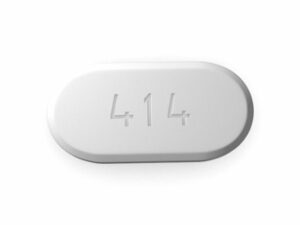
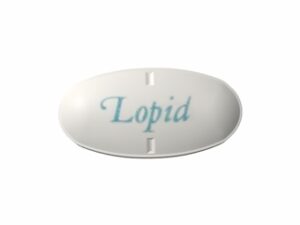
Your pharmacy may supply different brand names depending on availability. The active ingredient is gemfibrozil. Always check the pack for the strength and dosing instructions.
How gemfibrozil works (mechanism of action)
Gemfibrozil helps control blood fats by influencing how the body makes and clears triglycerides. The key effects include:
- Reduces triglyceride production in the liver.
- Increases breakdown of fats by enhancing activity of enzymes involved in lipid metabolism.
- Improves clearance of triglyceride-rich particles from the bloodstream.
- May raise HDL (high-density lipoprotein), often referred to as “good cholesterol.”
- May modestly lower LDL (low-density lipoprotein), though its main strength is lowering triglycerides.
Think of gemfibrozil as a targeted medicine for high triglycerides, especially where levels are significantly raised and lifestyle measures alone have not been enough.
What is gemfibrozil used for in the UK?
In clinical practice in the United Kingdom, gemfibrozil is used to treat specific lipid problems, particularly:
- High triglycerides (hypertriglyceridaemia), especially where there is a risk of pancreatitis at very high levels.
- Dyslipidaemia where triglyceride lowering is a priority as part of a broader cardiovascular risk plan.
Your prescriber will consider your overall risk factors (such as diabetes, blood pressure, smoking status, kidney function, and history of heart disease) and may also review other cholesterol-lowering options. Gemfibrozil is not the only fibrate, and treatment choice depends on individual circumstances.
Pharmacokinetics — how the body handles gemfibrozil
Pharmacokinetics describes absorption, distribution, metabolism, and elimination. While individual variation exists, the following points help you understand what to expect.
- Absorption: Gemfibrozil is absorbed after oral dosing. Food can affect the way it is tolerated.
- Distribution: It circulates in the bloodstream and acts on lipid metabolism pathways.
- Metabolism: It is metabolised by the liver.
- Elimination: Metabolites are eliminated primarily via the kidneys (urine) and partly via bile routes.
- Duration: Because dosing often involves more than once daily, the medicine’s effect is maintained over the day rather than relying on a single dose.
Practical implication: because gemfibrozil is processed by the liver and cleared by the body, your healthcare team may monitor blood tests and kidney function, particularly if you are older, have liver disease, kidney impairment, or take other interacting medicines.
Typical dosing and timing
Dosing must be tailored to the person, the reason for treatment, kidney/liver function, and any interacting medicines. Always follow the instructions on your medicine label.
General timing guidance
- Take gemfibrozil with meals unless your prescriber or pharmacist has advised otherwise. Taking it with food can help reduce stomach upset and improve adherence.
- Try to take doses at similar times each day to maintain consistent levels.
- If you miss a dose, take it when you remember if it is not close to the next dose. If it is close, skip the missed dose and continue as normal. Do not double up.
Example schedule (illustrative)
Many people take gemfibrozil as a split daily dose. Your actual schedule may differ depending on the strength and formulation. For example, some regimens use morning and evening doses.
Food interactions and what to eat
Food can influence how well gemfibrozil is tolerated. In general:
- Take with meals: This is often recommended to support tolerability.
- Keep a consistent eating pattern: Large changes in diet may alter triglyceride levels and how well the medicine fits into your routine.
Beyond direct interaction, diet and alcohol are important for triglycerides. Even if you take gemfibrozil, high intake of sugary foods, refined carbohydrates, and alcohol can worsen triglyceride levels.
Alcohol interactions — important considerations
Alcohol can raise triglycerides in many people. Because gemfibrozil is used mainly to treat high triglycerides, alcohol is best discussed carefully.
- Avoid heavy drinking (and ideally keep alcohol intake low or abstain if you have high triglycerides).
- Be cautious if you have liver concerns, as both alcohol and gemfibrozil can affect the liver.
- Watch for symptoms such as abdominal pain, unusual fatigue, yellowing of the skin/eyes, or dark urine; seek advice promptly if these occur.
If you want guidance on a safe alcohol limit for your situation, ask your pharmacist or other healthcare professional.
Medicine interactions (including key risks)
Gemfibrozil can interact with certain medicines because of how it affects drug metabolism and transport systems. Some combinations can significantly increase risk of side effects.
Medicines that commonly require extra caution
- Statins (for example simvastatin, atorvastatin, rosuvastatin): Combining gemfibrozil with statins may increase the risk of muscle injury (myopathy/rhabdomyolysis). This combination is generally avoided unless there is a specialist plan with close monitoring.
- Repaglinide (used for diabetes): may have increased effects, leading to low blood sugar.
- Warfarin and other vitamin K antagonists: may increase bleeding tendency.
- Other lipid-lowering medicines: additional benefit might be considered for certain patients, but side effects are more likely, so monitoring is important.
- Immunosuppressants: interactions may occur depending on the specific agent.
- Some antibiotics and antifungals: interactions may influence gemfibrozil levels.
Herbal and over-the-counter items
Even non-prescription products can affect bleeding risk, liver function, or metabolism. Tell your pharmacist about:
- St John’s wort
- Red yeast rice (a cholesterol-lowering product)
- High-dose omega-3 supplements
- Over-the-counter painkillers used regularly (especially if you take warfarin)
Practical tip: Before starting gemfibrozil, keep an up-to-date list of all medicines and supplements. Bring it to appointments and check with your pharmacist whenever you start something new.
Indications in more detail: when it may be chosen
In the UK, gemfibrozil is considered when:
- Triglycerides are significantly elevated and need reduction to lower the risk of complications.
- Lifestyle interventions (dietary changes, weight management, increased physical activity, smoking cessation where relevant) have not lowered triglycerides sufficiently.
- A healthcare professional assesses that the benefits outweigh potential risks such as liver or muscle side effects.
Treatment decisions also depend on the overall lipid profile and cardiovascular risk. In some patients, alternative fibrates or other lipid-lowering medicines may be more suitable, particularly if there are concerns about interactions (for example with certain statins).
Safety profile — what to know before and during use
Like all medicines, gemfibrozil can cause side effects. Many people tolerate it well, but it is important to know which symptoms should trigger prompt medical advice.
Common or expected side effects
- Stomach upset (nausea, indigestion, abdominal discomfort)
- Changes in appetite
- Mild headaches or dizziness
- Gastrointestinal effects including diarrhoea
Serious side effects (seek advice promptly)
- Muscle pain, weakness, or tenderness, especially if you also feel unwell or have dark urine. This can indicate severe muscle injury.
- Yellowing of the skin/eyes (jaundice), dark urine, severe fatigue, or persistent upper abdominal pain (possible liver-related issues).
- Unusual bleeding or bruising (especially if you take warfarin or similar medicines).
- Signs of gallstones (severe right-sided upper abdominal pain, fever, or pain that may spread to the back). Fibrates can increase the risk of gallstones in some people.
- Allergic reaction such as swelling of the face/lips, rash, or difficulty breathing.
Who needs extra monitoring?
- People with kidney impairment or reduced kidney function.
- People with liver disease or raised liver enzymes.
- Older adults, due to higher likelihood of side effects and multiple medicine interactions.
- People taking medicines with known interaction risks (notably certain diabetes and anticoagulant medicines).
- People with a history of gallstones or pancreatitis.
Practical use tips for everyday life
- Keep taking it: Lipid medicines work best when taken regularly as advised. If you stop, triglyceride levels may rise again.
- Follow a triglyceride-friendly diet: reduce sugary drinks, sweets, and refined carbohydrates; consider limiting alcohol; include fibre and healthy fats as advised.
- Stay hydrated and active: activity can improve triglycerides and overall cardiovascular health.
- Attend blood tests: healthcare professionals often monitor lipid levels and may check liver function.
- Know the warning signs: remember muscle pain/weakness and jaundice symptoms require prompt advice.
- Check interactions when changing medicines: new prescriptions, antibiotics, or antifungals can alter levels.
Missed dose and missed medicine routine
If you miss a dose:
- Take it as soon as you remember unless it is close to your next dose.
- If it is nearly time for the next dose, skip the missed one.
- Do not double to make up for the missed dose.
If missed doses happen regularly, consider setting reminders or speaking to your pharmacist for practical strategies.
Alternative options to consider
If gemfibrozil is not suitable or is not the best option for your situation, there are alternatives used to manage high triglycerides and cholesterol. Your healthcare professional can advise what fits your medical history and current medicines.
Medication alternatives
- Other fibrates (for example fenofibrate in some cases).
- Omega-3 fatty acids (prescription-strength or higher-dose approaches may be used depending on need).
- Statins may be used for cardiovascular risk in appropriate patients; the suitability depends on your lipid pattern and interaction risks.
- Diabetes management optimisation (improving blood sugar can significantly reduce triglycerides in some people).
Lifestyle approaches that often make a major difference
- Weight loss if overweight
- Reducing alcohol
- Lowering sugar and refined carbohydrate intake
- Regular aerobic exercise and resistance training where appropriate
- Reviewing secondary causes (for example hypothyroidism, certain medicines, uncontrolled diabetes)
UK market and legal context (what this means for patients)
In the United Kingdom, gemfibrozil is an established lipid-lowering medicine available through regulated supply channels. Medicines are governed by UK medicines legislation and practice, including requirements around appropriate use, safety monitoring, and pharmacy dispensing standards.
In everyday terms for patients:
- You should receive counselling on how to take the medicine, what side effects to watch for, and which interactions to avoid.
- Blood tests may be requested to confirm effectiveness and safety.
- If your circumstances change (new medicine, illness, pregnancy/breastfeeding considerations, kidney/liver issues), your lipid management plan may be updated.
Recent guidance and clinical considerations (UK context)
Guidance on lipid management in the UK has increasingly emphasised:
- Individualised cardiovascular risk assessment rather than one-size-fits-all treatment.
- Triglyceride-focused management, particularly to reduce pancreatitis risk when levels are very high.
- Careful medicine interaction management, especially when fibrates are considered alongside statins.
- Monitoring for safety, including liver-related concerns and muscle toxicity signals.
Because clinical recommendations evolve and depend on your personal history, it’s important to follow the advice given for your specific situation and to review your treatment periodically.
Delivery and availability from an online pharmacy (UK)
Online pharmacies in the UK typically provide:
- Availability checks to confirm stock and strength.
- Careful packaging to protect tablets during transit.
- Delivery options that may vary by supplier and location.
- Product information included with your order (leaflet and instructions where applicable).
Delivery times can vary depending on local dispatch schedules and courier services. If you need the medicine urgently, choose an appropriate delivery option and contact customer support if needed.
FAQ — Frequently asked questions about gemfibrozil
1) What does gemfibrozil do for my cholesterol and triglycerides?
Gemfibrozil mainly lowers triglycerides. It may also improve the overall cholesterol profile by modestly affecting LDL and often raising HDL.
2) When will I notice the effect?
Lipid changes may be seen after starting treatment, but your clinician typically checks blood results at planned follow-up intervals. Continue taking gemfibrozil consistently while monitoring effectiveness.
3) Should I avoid alcohol completely?
If you have high triglycerides, limiting alcohol is usually recommended because alcohol can raise triglycerides. Your safest approach depends on your triglyceride level and liver health—ask your pharmacist or healthcare professional for personalised advice.
4) Can I take gemfibrozil with a statin?
This combination can be risky. Gemfibrozil can increase the chance of muscle-related side effects when used with statins. Whether any statin is appropriate depends on your personal situation and should be decided with close monitoring by a healthcare professional.
5) What should I do if I experience muscle pain or weakness?
Stop exercising and contact a healthcare professional urgently for advice—particularly if pain/weakness is severe, you feel unwell, or you notice dark urine. Muscle injury is a serious potential side effect.
6) Does gemfibrozil interact with warfarin?
Yes, gemfibrozil can increase the effect of warfarin, which may raise bleeding risk. If you take warfarin or another anticoagulant, you will need close monitoring and dose adjustments as appropriate.
7) Are there signs that my liver might be affected?
Seek prompt medical advice if you notice jaundice (yellow skin/eyes), dark urine, persistent nausea with pain in the upper abdomen, or unusual severe tiredness. These symptoms can indicate liver problems.
8) How should I take gemfibrozil with food?
Many people are advised to take it with meals. Follow your label instructions. Maintaining consistent timing and meals can improve tolerability.
9) What if I forget a dose?
Take it when you remember if it is not near the next dose. If it is close, skip the missed dose. Do not take a double dose.
10) Are there alternatives if gemfibrozil doesn’t suit me?
Yes. Options may include other fibrates, omega-3 treatments, or a different lipid plan based on your triglyceride levels and cardiovascular risk. Your healthcare professional can recommend the most suitable approach.
Key takeaways
- Gemfibrozil is a fibrate used mainly to reduce high triglycerides.
- Take it with meals and at consistent times each day.
- Be vigilant about muscle symptoms and liver-related symptoms.
- Check interactions, especially with statins, warfarin, and certain diabetes medicines.
- Diet and alcohol choices strongly influence triglyceride levels—aim for a triglyceride-friendly lifestyle.
If you have questions about your individual treatment plan, side effects, or interactions, speak to your pharmacist.