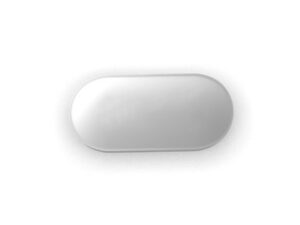
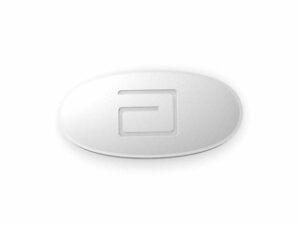
Lopid (Gemfibrozil) – Patient-Friendly Guide (UK)
Lopid is the brand name of gemfibrozil, a medicine used to help improve certain blood fats (lipids), especially when triglycerides are raised. This guide explains how it works, how it’s typically taken, important safety considerations, and what to discuss with a healthcare professional.
This information is for general guidance. Always follow the instructions provided with your medicine and the advice of your clinician or pharmacist.
Quick overview
- Medicine: Lopid (gemfibrozil)
- What it’s used for: Lowering high triglycerides and improving cholesterol-related blood fat patterns
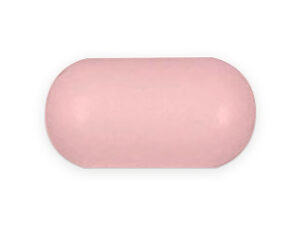
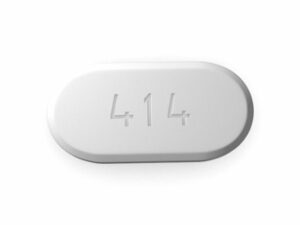
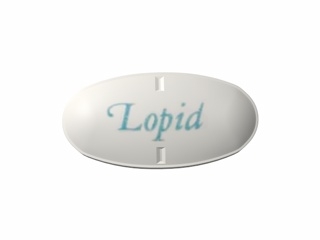
- Common form: Capsules (strength varies by product/manufacturer)
- Typical dosing approach: Usually twice daily before meals
- Key safety themes: Muscle-related side effects risk (particularly with certain interacting medicines), gallbladder issues, blood count/ liver monitoring in some situations
Basic product information
| Category | Details |
|---|---|
| Generic name | Gemfibrozil |
| Brand name | Lopid |
| Type | Fibrate (lipid-modifying medicine) |
| How it works | Helps reduce triglycerides and can improve lipid profiles |
| Administration | Typically by mouth, usually twice daily, taken before meals |
| Important cautions | Drug interactions and liver/gallbladder/muscle risks in certain people |
How Lopid (gemfibrozil) works (mechanism of action)
Gemfibrozil belongs to a group of medicines called fibrates. It works mainly by altering how your body processes fats (lipids) in the liver and bloodstream.
In simplified terms, gemfibrozil:
- Reduces triglycerides: It helps lower the production and release of triglyceride-rich particles.
- Can increase “good” cholesterol (HDL): It often raises HDL levels modestly.
- Improves overall lipid balance: The exact results vary between individuals and depend on baseline lipid values and other risk factors.
Important: Lopid is not designed to rapidly “fix” lipids immediately. Benefits build with consistent use and appropriate lifestyle changes.
Pharmacokinetics – how the body handles gemfibrozil
Pharmacokinetics describes what the body does to a medicine—absorption, distribution, metabolism, and elimination. While individual factors can vary, these are the typical features of gemfibrozil:
- Absorption: Gemfibrozil is absorbed after oral dosing.
- Distribution: It circulates in the bloodstream and can distribute into body tissues.
- Metabolism: The medicine is broken down mainly in the liver.
- Elimination: Metabolites and drug are removed from the body, with elimination largely via bile and urine pathways.
- Half-life and dosing: Its duration of action supports a twice-daily dosing schedule for many patients.
Why this matters: Taking it at the recommended times helps maintain steady blood levels and may reduce side effects related to higher peaks.
Typical use in the UK
In the UK, gemfibrozil is used to treat elevated triglycerides and improve lipid profiles in selected patients—particularly when triglycerides are high and lifestyle measures alone are not enough.
It is usually considered alongside:
- Dietary changes (for example, reducing alcohol and refined sugars, and following advice tailored to your lipid levels)
- Weight management if relevant
- Regular physical activity (where safe for you)
- Management of contributing conditions (such as diabetes or thyroid problems)
Not a substitute: Lopid should be part of an overall cardiovascular risk plan—not used alone.
Indications – when Lopid may be used
Indications can differ based on local clinical practice and your individual medical history. In general, gemfibrozil may be considered for:
- Hypertriglyceridaemia (raised triglycerides), especially when levels are high enough to increase risk of complications such as pancreatitis.
- Mixed dyslipidaemia in selected cases where a fibrate is appropriate.
Clinical decision factors: Your clinician will weigh the benefits against potential risks, including drug interactions and existing liver, kidney, or gallbladder issues.
How to take Lopid – dosing and timing
Always follow the dose prescribed for you. Doses below are typical and may be adjusted by your clinician based on your response and safety checks.
Typical adult dosing
- Often taken: twice daily
- Timing: before meals (commonly before breakfast and before the evening meal)
Why before meals? This helps with tolerability and may improve the way the medicine works. If your clinician or pharmacist provided different instructions, follow those.
If you miss a dose
- If you remember soon after, take it before your next meal (or as advised).
- If it’s close to the next dose, skip the missed dose and continue your normal schedule.
- Do not double up to make up for a missed dose.
Duration
Lipid-lowering medicines are often taken long term. Your lipid levels are usually checked after starting (and periodically thereafter), and the plan is updated based on results and side effects.
Food interactions and practical dietary advice
Gemfibrozil should generally be taken before meals. Beyond timing, diet can strongly influence your triglyceride levels.
Food advice that often helps
- Limit alcohol: Alcohol can significantly raise triglycerides in some people.
- Reduce sugary and refined foods: High sugar intake can worsen triglyceride levels.
- Choose healthier fats: Prefer unsaturated fats (e.g., olive oil, nuts) where appropriate.
- Manage overall calories: If overweight, even modest weight loss can improve lipids.
Consistency matters: Keep your meal patterns fairly steady and take your doses at the same times each day if possible.
Alcohol interactions
Alcohol and high triglycerides: Alcohol may increase triglycerides, particularly when levels are already high. For many people using fibrates, avoiding or limiting alcohol is strongly recommended.
Alcohol and side effects: Drinking alcohol may also increase risk of liver-related problems and may worsen overall metabolic health.
- Best approach: Discuss a personalised alcohol plan with your clinician.
- If you have a history of pancreatitis linked to high triglycerides, alcohol should be avoided unless your clinician advises otherwise.
Medicine interactions – especially important
Gemfibrozil can interact with other medicines, sometimes increasing levels of certain drugs and raising the risk of adverse effects. The interaction risk is a key reason why careful medication review is essential.
High-risk interaction themes
- Statins (cholesterol-lowering medicines): Combining gemfibrozil with statins can significantly increase risk of muscle damage (myopathy) and rhabdomyolysis. This combination often needs extra caution or alternative selection.
- Other lipid medicines: Some combinations may not be recommended or may require close monitoring.
- Blood thinners (anticoagulants): Gemfibrozil can increase the effect of certain anticoagulants, raising bleeding risk. INR monitoring may be required if you take a vitamin K antagonist.
- Some diabetes medicines: Interaction may increase hypoglycaemia risk in certain circumstances, requiring glucose monitoring.
- Immunosuppressants and certain other drugs: Risk can increase if drug levels rise.
Always check before starting or stopping other medicines
Tell your clinician or pharmacist about:
- All prescriptions you use
- Over-the-counter medicines
- Herbal products and supplements
- Any recent antibiotics or antifungals
Seek urgent help if you develop unexplained muscle pain/weakness, dark urine, severe fatigue, or signs of allergic reaction.
Safety profile – what to watch for
Most people tolerate gemfibrozil well when taken correctly. However, like all medicines, it can cause side effects, and some risks need monitoring.
Common or notable side effects
- Stomach and digestive effects: nausea, abdominal discomfort, indigestion
- Headache in some people
- Raised liver enzymes detected on blood tests
Serious side effects (contact a clinician promptly)
- Gallbladder problems: gallstones, gallbladder inflammation or biliary pain (often right upper abdominal pain, nausea, or vomiting)
- Muscle problems: muscle pain, weakness, or cramps—especially if combined with certain other medicines
- Liver injury signs: yellowing of the eyes/skin (jaundice), dark urine, severe tiredness, or persistent abdominal pain
Who needs extra caution
Discuss with your healthcare professional if you have:
- Kidney disease
- Liver disease or abnormal liver tests
- History of gallstones
- Conditions increasing muscle risk (including certain drug combinations)
- Uncontrolled diabetes (blood sugar monitoring may be important)
Practical use tips to get the best results
- Take it consistently: Choose times before breakfast and before your evening meal and stick with them.
- Keep a medication list: Include all prescription and non-prescription items, and review it at appointments.
- Stay hydrated and follow diet advice: Lifestyle changes directly influence triglyceride levels.
- Attend blood tests: Your clinician may monitor liver function and lipid levels.
- Know the warning signs: Muscle pain with weakness, dark urine, or severe abdominal pain should be reported quickly.
- Report new symptoms early: Don’t wait for your next appointment if you notice potentially serious effects.
Alternative options to Lopid (gemfibrozil)
Depending on your lipid levels, overall cardiovascular risk, and other medical conditions, alternative lipid-lowering strategies may include:
- Other fibrates (such as fenofibrate) – choice depends on interaction risks and kidney function.
- Statins – commonly used for cholesterol reduction and cardiovascular risk lowering; selection and combination with fibrates require careful planning.
- Omega-3 fatty acid supplements or prescription omega-3 – may help lower triglycerides in some patients (depending on formulation and suitability).
- Diet and lifestyle interventions – tailored nutrition plans, weight loss, and reducing alcohol and added sugars.
- Managing secondary causes – for example, improving diabetes control, treating hypothyroidism, and reviewing medications that can raise triglycerides.
Your healthcare professional can suggest the most suitable option for your situation, including how to avoid dangerous interactions.
Market and legal context for the UK
In the UK, gemfibrozil is a prescription medicine and is regulated under medicines legislation and safety monitoring frameworks. Availability, prescribing practices, and specific product formulations can vary over time based on supply and clinical guidelines.
Online pharmacies in the UK follow legal requirements for identification, age verification where appropriate, and safe supply processes. Always ensure you obtain medicines through legitimate channels.
Note: If you’re switching suppliers or formulations, confirm the strength and dosing instructions with a pharmacist to avoid dosing errors.
Recent guidance and clinical practice themes
Lipid management in the UK continues to evolve. Clinicians generally focus on:
- Cardiovascular risk assessment (not just treating one lab value)
- Prioritising lifestyle changes alongside medicines
- Monitoring safety, especially drug interactions affecting muscle and liver risk
- Targeting triglycerides when they are significantly raised to reduce risk of complications
- Using treatments that align with current evidence and patient-specific safety considerations
Because your personal risk factors and medication list matter, always follow the plan provided by your clinician rather than relying solely on general guidance.
Delivery and availability (UK online pharmacy)
Availability can vary by strength and supply. When ordering online, reputable UK pharmacies typically:
- Confirm your details and eligibility through required checks
- Source stock from authorised suppliers
- Provide packaging and instructions suitable for safe home use
- Offer tracked delivery options in many cases
Delivery times: Many UK pharmacies use standard delivery and/or tracked services. Exact timings can depend on local courier schedules, stock availability, and whether the medicine is held in local inventory.
Storage: Keep your medicine in a cool, dry place away from direct sunlight. Store out of reach of children. Check the pack for any specific storage instructions.
FAQ – Frequently asked questions
1) What is Lopid used for?
Lopid (gemfibrozil) is used to help improve certain blood fats, particularly high triglycerides, in selected patients. It forms part of a wider cardiovascular risk and lifestyle plan.
2) When should I take my doses?
It’s usually taken twice daily before meals (commonly before breakfast and before the evening meal). If your directions differ, follow your pharmacist’s instructions.
3) Can I take Lopid with food?
The usual recommendation is to take it before meals. If you have stomach upset, speak to your pharmacist about practical ways to manage timing and tolerability—do not change dose timing without advice.
4) Can I drink alcohol while taking gemfibrozil?
Alcohol can raise triglycerides and may increase risk of liver-related problems. Many people are advised to limit or avoid alcohol. Ask your clinician for guidance based on your triglyceride levels and medical history.
5) Are there dangerous interactions?
Yes. Gemfibrozil can interact with several medicines. The combination with certain cholesterol-lowering medicines (especially some statins) may substantially increase the risk of muscle damage. Always review your full medication list with a clinician or pharmacist.
6) What side effects should worry me?
Contact a clinician promptly if you get muscle pain/weakness, dark urine, symptoms suggesting gallbladder problems (e.g., right upper abdominal pain), or signs of liver issues (jaundice, severe persistent abdominal pain, or marked tiredness).
7) Will Lopid cure my high cholesterol or triglycerides?
It doesn’t “cure” the condition, but it can help control levels. Many people need long-term treatment plus ongoing lifestyle measures to keep lipid levels improved.
8) How long does it take to work?
Lipid improvements can be seen after starting, but the exact timeline varies. Your clinician will usually check your blood fats after an appropriate period to assess response and safety.
9) What if I miss a dose?
If you miss a dose, don’t double up. Take the next dose as scheduled (or follow the instructions provided by your pharmacist).
10) Are there alternatives if I can’t take Lopid?
Alternatives may include other fibrates, statins, or triglyceride-targeting therapies such as omega-3 preparations—along with diet and lifestyle changes. The best choice depends on your lipid pattern and risk factors.
Summary
Lopid (gemfibrozil) is a fibrate medicine used in selected patients to help reduce high triglycerides and improve lipid profiles. It is typically taken twice daily before meals. Because gemfibrozil has important drug interaction and safety monitoring considerations—particularly around muscle and liver risks—it’s crucial to review your medicines carefully and seek medical advice for any concerning symptoms.
If you’d like, you can ask your clinician or pharmacist to review your current medication list and lifestyle plan to ensure Lopid is the safest and most appropriate option for you.