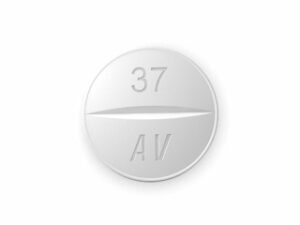

Actoplus Met (Metformin Hydrochloride) — Patient Guide (UK)
Actoplus Met contains metformin hydrochloride, a medicine widely used for improving blood sugar control in people with type 2 diabetes. This patient-friendly guide explains how it works, how to take it, key safety information, and what to consider regarding food, alcohol, and other medicines. It also includes practical tips and frequently asked questions for customers in the United Kingdom.
Quick overview
- Active ingredient: Metformin hydrochloride
- Common use: Helps control blood glucose in type 2 diabetes
- How it works: Reduces glucose production by the liver and improves insulin sensitivity
- Common forms: Tablets (strengths vary—check your pack)
- Typical timing: Usually taken with meals to reduce stomach side effects
- Important safety point: Risk of lactic acidosis is rare but serious—people with certain kidney problems and other high-risk situations need extra caution
Basic product information
Actoplus Met is a medicine containing metformin hydrochloride. Metformin belongs to the group of medicines called biguanides.
In the UK, metformin is one of the most commonly prescribed treatments for type 2 diabetes due to its effectiveness, long track record, and generally favourable weight profile compared with some other diabetes medicines.
Note: Different products and pack strengths exist. Always confirm the strength and dosing instructions on your specific box or label.
How metformin (Actoplus Met) works
Mechanism of action
Metformin helps lower blood sugar mainly by:
- Reducing glucose production in the liver (less glucose released into the bloodstream)
- Improving insulin sensitivity in body tissues
- Decreasing intestinal absorption of glucose (contributes to overall effect)
- Supporting healthy blood sugar patterns over time, rather than causing sudden glucose drops
Because metformin does not directly stimulate insulin release, it is less likely to cause hypoglycaemia (low blood sugar) on its own compared with some other diabetes medicines.
Pharmacokinetics (how the body handles it)
Pharmacokinetics describes how metformin is absorbed, distributed, metabolised, and eliminated.
Absorption
- Metformin is absorbed from the gastrointestinal tract.
- Food can slow and reduce peak absorption, which often helps reduce side effects.
Distribution
- Metformin distributes into body tissues, with the highest concentrations in the liver and kidneys.
Metabolism
- Metformin is not significantly metabolised by the body.
Elimination
- Metformin is mainly cleared through the kidneys.
- This is why kidney function is a key factor in safe use.
Clinical implication: If kidney function declines, metformin can build up in the body. That increases the (rare) risk of lactic acidosis—hence routine monitoring and dose adjustments.
What Actoplus Met is used for (indications)
Actoplus Met (metformin) is indicated for the management of type 2 diabetes, particularly when blood glucose is not controlled by diet and exercise alone.
Depending on the individual, metformin may be used:
- As monotherapy (alone)
- In combination with other glucose-lowering medicines when additional control is needed
- With lifestyle changes including nutrition and physical activity
Timing and how to take it
When to take Actoplus Met
Taking metformin with food is commonly recommended to reduce gastrointestinal side effects such as nausea, diarrhoea, or stomach discomfort.
- With meals: Take your tablets during or right after meals (e.g., breakfast and/or evening meal).
- Spread doses: If your prescribed dose is split into multiple doses per day, distribute them evenly across your meals.
- Consistency: Try to take it at the same times each day.
Typical titration approach
Many people start on a lower dose and increase gradually. This dose titration helps your body adjust and may reduce side effects.
Important: Follow your prescriber’s or pharmacist’s instructions and the directions on the pack label.
Dosing (general guidance)
UK dosing varies by patient factors such as kidney function, previous therapy, and tolerance. The exact regimen must match your medication label.
In general, dosing of metformin is often increased gradually based on blood glucose response and side effects. Dosing decisions are influenced by:
- Kidney function (estimated glomerular filtration rate, eGFR)
- Current diabetes management (new starter vs. switch/upgrade)
- Gastrointestinal tolerance
Practical reminders
- Do not double up if you miss a dose—take the next dose at the usual time unless your clinician advised otherwise.
- If you are unsure, ask your pharmacist for advice tailored to your regimen.
Food interactions (and what to eat)
Food effects
Metformin is generally better tolerated when taken with meals. Food can:
- reduce the likelihood of stomach upset
- slow absorption, which may improve tolerability
What to consider in your diet
While metformin itself does not require a strict special diet, effective diabetes management includes:
- consistent carbohydrate intake
- prioritising whole foods and high-fibre options
- regular physical activity where possible
If you experience persistent diarrhoea or stomach discomfort, speak to a healthcare professional—your dose timing or form may need adjustment.
Alcohol and medicine interactions
Alcohol: key safety advice
Alcohol can increase the risk of lactic acidosis in certain circumstances, especially with:
- heavy or binge drinking
- low food intake (fasting)
- significant liver disease
- kidney impairment
Practical approach: Limit alcohol and avoid binge drinking. If you plan to drink, discuss safe limits with a healthcare professional, particularly if you have kidney problems or other health conditions.
Other medicine interactions
Metformin can interact with medicines that affect kidney function or blood sugar levels. Examples of medicines or situations that require caution include:
- Medicines that affect kidney function (e.g., some diuretics, NSAIDs in certain patients)
- Certain treatments for diabetes (interaction impact on glucose may occur even when hypoglycaemia risk with metformin alone is low)
- Imaging contrast agents used in some scans (iodinated contrast). This may affect kidney function and may require temporary metformin review.
Always tell your pharmacist and healthcare team about all medicines and supplements you use.
Safety profile and side effects
Common side effects
Most side effects are gastrointestinal and often improve as your body adjusts, especially if doses are increased gradually and taken with meals.
- Nausea
- Diarrhoea
- Stomach cramps/abdominal discomfort
- Loss of appetite
- Metallic taste (less commonly)
Less common but important risks
Lactic acidosis is rare but serious. The risk increases when metformin accumulates due to reduced kidney function or when the body is under stress (e.g., severe infection, dehydration).
- Seek urgent medical help if you develop symptoms such as unusual muscle pain, severe weakness, unusual sleepiness, rapid breathing, or severe nausea/vomiting—especially if you feel very unwell.
Vitamin B12 and long-term use
Long-term metformin use can be associated with lower vitamin B12 levels in some people. Your clinician may monitor B12 or assess risk, especially if you develop symptoms like:
- tingling or numbness in hands/feet
- unexplained anaemia or fatigue
Do not stop metformin without medical advice, but do mention symptoms during reviews.
Who needs extra caution
Metformin requires careful use in people with:
- Impaired kidney function
- Severe dehydration (e.g., persistent vomiting or diarrhoea)
- Severe infection or conditions causing low oxygen levels
- Significant liver disease
- Older age with frailty or reduced kidney reserve
Practical use tips (getting the best results)
- Take with food: This is often the simplest way to improve tolerability.
- Start low, go slow: If you are newly starting, gradual dose increases help your gut adapt.
- Stay hydrated: Drinking water helps reduce dehydration-related risk, especially during hot weather or illness.
- Track your glucose: Use your blood glucose monitoring plan or continuous glucose monitoring if advised.
- Know “sick day” guidance: If you are very unwell with vomiting/diarrhoea, fever, or poor intake, contact your healthcare team for advice about continuing medicines.
- Carry information: If you have diabetes, consider carrying a list of medicines (including metformin) for emergencies.
Missed dose advice
If you miss a dose:
- Take it when you remember unless it is close to the time for the next dose.
- Do not take two doses together to make up for a missed tablet.
- If unsure, ask a pharmacist for guidance based on your specific schedule.
Alternative options (if you cannot take metformin or need additional control)
If metformin is not suitable, not tolerated, or insufficient alone, there are other treatments. Which option is best depends on your health profile, kidney function, weight goals, and risk factors.
Possible alternatives include
- Other oral medicines used in type 2 diabetes (choice varies)
- Injectable therapies when appropriate
- Lifestyle interventions (diet, exercise, weight management)
- Combination therapy under clinical review
Important: Do not switch medicines on your own. Talk to a clinician or pharmacist for safe changes and monitoring.
Market and legal context in the United Kingdom
In the UK, metformin is widely available and forms a central part of guideline-based management for type 2 diabetes. Medicines are regulated by the Medicines and Healthcare products Regulatory Agency (MHRA) and information is aligned with national clinical guidance such as:
- NICE (National Institute for Health and Care Excellence) recommendations for diabetes care pathways
- Joint guidance involving diabetes specialist bodies
Following national updates, clinicians consider safety monitoring—particularly around kidney function and the rare risk of lactic acidosis—when selecting doses and deciding whether metformin can continue.
Recent guidance and monitoring themes (UK)
Across recent years, UK and international diabetes guidance has consistently emphasised:
- Regular kidney function review (eGFR) for safe metformin dosing
- Awareness of “sick day” scenarios where medicines may need temporary review
- Monitoring for vitamin B12 deficiency with long-term use
- Care with medicines that can affect hydration or renal clearance
Your pharmacy or clinician may schedule blood tests to support safe use. If you have symptoms or risk factors, ask about the monitoring plan.
Delivery and availability (online pharmacy)
Actoplus Met availability can vary depending on stock levels and pack sizes. When ordering online in the UK, delivery timelines are typically subject to:
- local courier schedules
- stock availability
- dispatch cut-off times
- your delivery postcode
Tip: If you need your medicine to avoid interruption, consider ordering a few days ahead of time and check the estimated dispatch and delivery dates shown at checkout.
Important safety checklist (read before use)
- Confirm your tablet strength and dose instructions on the pack.
- Do not take extra tablets if you miss a dose—follow the missed-dose advice.
- Take with food if you get stomach upset.
- Be cautious with alcohol and avoid binge drinking.
- Seek urgent help for symptoms suggestive of lactic acidosis (rare, but serious).
- Review your kidney health with your clinician and complete any requested blood tests.
Comparison table: key practical points
| Category | What to know about Actoplus Met (metformin) |
|---|---|
| Main use | Improves blood sugar control in type 2 diabetes |
| How it works | Reduces liver glucose output and improves insulin sensitivity |
| When to take | With meals to reduce gastrointestinal side effects |
| Food interactions | Food generally improves tolerability; avoid sudden fasting if unwell |
| Alcohol | Limit alcohol; avoid binge drinking—may increase lactic acidosis risk |
| Key safety monitoring | Kidney function (eGFR) and possible vitamin B12 levels long term |
| Common side effects | Nausea, diarrhoea, abdominal discomfort (often improve over time) |
| Serious warning | Rare lactic acidosis—seek urgent help if you feel very unwell with warning signs |
FAQ — Actoplus Met (Metformin Hydrochloride)
1) What is Actoplus Met used for?
Actoplus Met contains metformin, which is used to manage type 2 diabetes by helping lower blood glucose levels and improving insulin sensitivity.
2) How should I take Actoplus Met?
Most people take metformin with meals to reduce stomach side effects. Your exact dose and number of tablets depends on your prescription and your pack strength—follow the instructions on your label.
3) Will Actoplus Met cause hypoglycaemia?
Metformin alone has a lower risk of causing hypoglycaemia. However, the risk can increase when combined with other glucose-lowering medicines (such as insulin or sulfonylureas). If you’re using combination therapy, ask about hypo symptoms and what to do if they occur.
4) What side effects are common?
Common side effects include nausea, diarrhoea, and abdominal discomfort. These often improve after starting and when doses are taken with meals or increased gradually.
5) What should I do if I miss a dose?
Take the missed dose when you remember unless it is close to the time of your next dose. Do not take two doses together. If unsure, ask your pharmacist.
6) Can I drink alcohol while taking metformin?
It’s best to limit alcohol and avoid binge drinking. Alcohol, especially with dehydration or low food intake, can increase the risk of lactic acidosis. If you want specific advice, discuss it with a clinician or pharmacist.
7) Are there any interactions with other medicines?
Yes. Tell your pharmacist about all medicines you take, including over-the-counter products and supplements. Particular caution may be needed with medicines that affect kidney function or hydration, and with some contrast agents used for imaging.
8) Do I need blood tests?
In the UK, metformin use commonly involves monitoring kidney function (eGFR). Long-term use may also prompt assessment of vitamin B12 levels depending on your risk factors and symptoms.
9) What is lactic acidosis and what should I look out for?
Lactic acidosis is a rare but serious complication. Seek urgent medical help if you feel very unwell and develop symptoms such as severe weakness, unusual sleepiness, rapid or deep breathing, or severe nausea/vomiting—particularly if you have been dehydrated, have a severe infection, or have kidney problems.
10) Is Actoplus Met suitable for everyone with type 2 diabetes?
Not always. Suitability depends on factors such as kidney function, other medical conditions, and possible interactions. Your healthcare professional will decide whether metformin is appropriate and what dose is safest.
Need help choosing the right option?
If you have questions about dosing schedules, side effects, or suitability based on your kidney function or other medicines, your pharmacist can help you understand how to use Actoplus Met safely and effectively.