
Amaryl (Glimepiride) – Patient-Friendly Guide (United Kingdom)
Amaryl is a brand of the medicine glimepiride, used to help manage type 2 diabetes. It belongs to a group of medicines known as secretagogues (sulfonylureas), which work by encouraging the pancreas to release insulin. This page explains what Amaryl is, how it works, how it’s taken, common interactions, key safety points, and what to expect in day-to-day use in the UK.
Important: This information is for general patient guidance. Individual dosing and targets vary. Always follow the instructions provided by your healthcare professional and the medicine label.
At a glance
- Active ingredient: Glimepiride
- Medicinal group: Sulfonylurea (insulin secretagogue)
- Common use: Type 2 diabetes (as part of a treatment plan)
- How it works: Stimulates insulin release and improves glucose control
- Key safety concern: Risk of hypoglycaemia (low blood sugar)
- Typical timing: Usually taken once daily, often with breakfast or the first main meal
Basic product information
| Feature | Information |
|---|---|
| Brand name | Amaryl |
| Generic name | Glimepiride |
| What it is used for | Type 2 diabetes mellitus to lower blood glucose |
| How it’s taken | Oral tablets (usually once daily) |
| Mechanism class | Sulfonylurea |
| Major risk | Hypoglycaemia, especially with missed meals, overexertion, or other glucose-lowering medicines |
Mechanism of action (how Amaryl works)
Glimepiride belongs to the sulfonylurea class. It lowers blood glucose mainly by:
- Stimulating insulin secretion from pancreatic beta cells. It helps these cells respond more strongly to glucose, releasing insulin when your blood sugar is elevated.
- Improving insulin efficiency in some patients by influencing how the body responds to insulin.
Because it can prompt insulin release, glimepiride can cause hypoglycaemia, particularly if meals are delayed, intake is reduced, or if it is combined with other diabetes medicines that also lower blood sugar.
Pharmacokinetics (what the body does with glimepiride)
“Pharmacokinetics” describes absorption, distribution, metabolism, and elimination—how the medicine moves through the body. Key points include:
- Absorption: Glimepiride is absorbed after oral dosing.
- Peak effect: Blood levels rise after taking a dose, with a typical time to peak concentration that allows once-daily dosing in many patients.
- Protein binding: It is significantly bound to plasma proteins.
- Metabolism: It is metabolised in the liver (primarily via CYP-related pathways). Active drug exposure depends on metabolism and individual variability.
- Elimination: Metabolites are excreted mainly via urine and faeces. Reduced kidney or liver function can affect how the drug behaves.
In clinical practice, the most important patient-facing “pharmacokinetic” consideration is that glimepiride’s effects can persist for long enough to contribute to hypoglycaemia—so consistency of meal timing and dosing is important.
What Amaryl is used for in the UK
Amaryl is used for the treatment of type 2 diabetes mellitus when blood glucose needs additional help beyond lifestyle measures (such as healthy eating and physical activity).
Depending on your situation, glimepiride may be used:
- As monotherapy (alone) when suitable
- In combination with other diabetes medicines
Indications (who it may be suitable for)
Amaryl (glimepiride) is indicated for adults with type 2 diabetes. It is typically considered when:
- Blood glucose remains above target despite lifestyle measures
- Other treatments are not suitable or not sufficiently effective
- A sulfonylurea approach is appropriate based on your clinical review
It is generally not used as a treatment for type 1 diabetes. If you’re unsure which type of diabetes you have, speak to your healthcare professional.
How to take Amaryl: timing and dosing
Dosing depends on your age, kidney and liver function, baseline blood sugar, and the treatments you’re already taking. Your prescriber will determine the dose and adjust it over time.
Typical dosing approach
- Starting dose: Often a lower dose is started and increased gradually if needed.
- Maintenance dose: The dose may be adjusted based on your glucose readings and response.
- Maximum dose: There is an upper limit; your clinician will not exceed the recommended maximum.
Timing: once daily, usually with the first main meal
Glimepiride is commonly taken once a day. Many people take it with breakfast or the first main meal. The exact timing depends on the regimen you were given.
Practical rule: Try to take your dose at the same time each day and coordinate it with meals.
If you miss a dose
If you miss a dose, follow the guidance given by your healthcare professional or the patient leaflet. In general, you should avoid taking double to “catch up”. If you’re unsure, consult your pharmacist for advice tailored to your dose and schedule.
Food interactions and meal habits
Food timing matters with sulfonylureas because the medicine can increase insulin release. The key food-related considerations are:
- Take with food: Taking glimepiride with your first main meal helps reduce the risk of low blood sugar.
- Do not skip meals: Skipping meals or eating much less than usual may increase the risk of hypoglycaemia.
- Consistent carbohydrate intake: Large fluctuations in carbohydrate intake can lead to blood sugar swings.
- Illness or reduced appetite: If you are unwell and eating less, you may be at higher risk of hypoglycaemia. Seek advice from your healthcare professional if your appetite drops significantly.
Alcohol and medicine interactions
Alcohol can affect blood glucose in several ways and may also interact with the way the liver handles medicines. For many people with diabetes, alcohol can increase the risk of hypoglycaemia—particularly if drinking reduces food intake.
- Hypoglycaemia risk: Alcohol, especially on an empty stomach, can contribute to low blood sugar.
- Decision-making: Alcohol may make it harder to recognise early symptoms of hypoglycaemia.
- Medication effects: Some alcohol-containing drinks can also contain sugar or carbs, affecting glucose control.
If you choose to drink alcohol, do so carefully and ideally with food. If you use glucose-lowering medicine such as glimepiride, ask your healthcare professional for personalised guidance on safe alcohol limits.
Drug interactions (other medicines that may affect Amaryl)
Glimepiride may interact with other medicines. Some medicines can increase or decrease its blood sugar-lowering effect, altering the risk of hypoglycaemia or loss of control. Always keep an up-to-date list of your medicines for review.
Medicines that may increase hypoglycaemia risk
- Other diabetes medicines (e.g., insulin or other blood glucose lowering agents)
- Some antibiotics and antifungal medicines may affect glucose or drug metabolism
- Certain anti-inflammatory or pain-relief medicines may influence the overall risk profile in individual cases
- Medicines that affect liver enzyme activity can change glimepiride exposure
Medicines that may reduce glucose-lowering effect
- Some steroids (for example, corticosteroids) can raise blood glucose
- Diuretics (“water tablets”) may affect glucose control in some people
- Some asthma medicines and hormone treatments may change glucose levels
- Medicines that speed up metabolism can lower glimepiride levels
Because interaction risks depend on the exact medicine, dose, and your health condition, it’s best to check with a pharmacist if you’re starting, stopping, or changing any medicine.
Safety profile: key risks and side effects
Like all medicines, Amaryl can cause side effects. Not everyone will experience them, and many are manageable with proper monitoring. The most clinically important issue is hypoglycaemia.
1) Hypoglycaemia (low blood sugar)
Symptoms can include:
- Shaking, sweating, feeling anxious
- Hunger
- Fast heartbeat
- Dizziness or headache
- Tiredness or confusion
- In severe cases, fainting or seizures
What to do: If you think your blood sugar is low, check your reading if possible. Take fast-acting carbohydrate (such as glucose tablets or sugary drink) according to your diabetes plan, then recheck and follow professional guidance.
2) Other possible side effects
- Nausea or stomach upset
- Weight gain (can occur with sulfonylureas due to insulin-related effects)
- Allergic reactions (rare). Seek urgent help if you experience swelling of the face/lips, breathing difficulty, or rash with worsening symptoms.
- Changes in blood counts (rare; may require blood tests in some situations)
- Skin reactions (rare)
When to seek urgent medical help
Contact urgent care or emergency services if you have severe symptoms of hypoglycaemia (for example, inability to swallow, loss of consciousness) or signs of a serious allergic reaction.
Practical use tips for day-to-day management
- Stick to meal timing: Take glimepiride with your first main meal as advised.
- Monitor glucose as recommended: Regular monitoring helps confirm that targets are being met safely.
- Know hypoglycaemia symptoms: Teach family or carers the signs and what to do.
- Keep fast sugar available: Carry glucose tablets or a quick-acting snack, especially when going out.
- Plan exercise: Increased physical activity can lower blood sugar. Consider adjusting meals and monitoring more often.
- Illness “sick day” awareness: If you’re unwell and eating less, seek advice promptly—dose changes may be necessary.
- Use a medication routine: Use a daily alarm or pill organiser to reduce missed doses.
Missed meals, exercise, and special situations
With glimepiride, lifestyle changes can significantly affect blood sugar. Take extra care in these situations:
- Skipped breakfast or late meals: Higher hypoglycaemia risk.
- Heavy or prolonged exercise: May require extra carbohydrate intake and closer monitoring.
- Changes in diet: Especially if carbohydrate intake drops suddenly.
- Renal impairment: Your clinician may adjust the dose or choose a different approach.
- Liver impairment: Metabolism can be affected; follow clinician advice closely.
- Older adults: Risk of hypoglycaemia may be higher, so careful titration and monitoring are important.
Alternative options (other medicines for type 2 diabetes)
There are several alternative classes used for type 2 diabetes in the UK. Choice depends on your HbA1c, weight considerations, cardiovascular or kidney risks, side-effect profile, and affordability/availability.
Common alternative medicine classes
- Metformin (often first-line in many treatment plans)
- GLP-1 receptor agonists (may support weight loss; route varies)
- DPP-4 inhibitors (generally lower hypoglycaemia risk than sulfonylureas)
- SGLT2 inhibitors (may offer kidney and heart benefits in suitable patients)
- Insulin in some cases
- Other sulfonylureas (different agents within the same class)
Discuss with your healthcare professional if you want to explore alternatives, especially if you experience frequent low blood sugar, weight gain, or difficulty maintaining stable levels.
Market & legal context in the UK
In the UK, diabetes medicines are supplied through community pharmacies and are regulated under medicines legislation. Availability in pharmacies depends on stock levels, manufacturer supply, and prescribing practices.
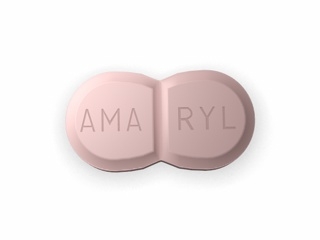
Amaryl (glimepiride) is generally provided as a tablet medicine in standard strengths, and the generic medicine may also be available. UK pharmacy supply chains can include both branded and generic options, subject to availability.
Recent guidance (high-level NHS-style considerations)
UK diabetes management commonly follows evidence-based national guidance and clinical practice, which emphasises:
- Individualised targets for HbA1c depending on age, comorbidities, and hypoglycaemia risk
- Minimising hypoglycaemia where possible, particularly in older adults or those with risk factors
- Regular review of medication effectiveness and side effects
- Cardiovascular and kidney considerations when selecting therapy in appropriate patients (for example, use of agents with proven benefits in suitable clinical scenarios)
- Lifestyle support as a core part of management (diet, activity, and weight management)
If your HbA1c is not at target or you’re experiencing side effects (especially low blood sugar), your healthcare team may adjust treatment.
Delivery and availability
Availability can vary by pharmacy and supplier. When ordering online in the UK, typical considerations include:
- Stock status: The displayed availability may update as supplies change.
- Packaging: Medicines are supplied in manufacturer packaging where possible.
- Delivery times: Delivery dates depend on the courier service and local coverage.
- Address accuracy: Ensure the delivery address is complete to prevent delays.
If a specific strength is temporarily unavailable, your pharmacy may offer an alternative strength or an equivalent generic option where appropriate and allowed by regulations and your treatment plan.
FAQ
1) What is Amaryl used for?
Amaryl (glimepiride) is used to treat type 2 diabetes by improving blood glucose control. It works by stimulating the release of insulin.
2) How should I take it—morning or evening?
Many people take glimepiride once daily with the first main meal (often breakfast). Take it at the time your healthcare professional recommends. If you want to change the timing, ask your pharmacist first to avoid changing hypoglycaemia risk.
3) What happens if I miss a dose?
Follow the advice in your patient leaflet or from your healthcare professional. In general, you should not take a double dose to compensate. If you’re unsure, contact your pharmacist for guidance.
4) Can I take Amaryl with food?
Yes. In many regimens, it is taken with food to reduce the likelihood of low blood sugar. Try to keep meal timing consistent.
5) What are the symptoms of low blood sugar?
Common symptoms include sweating, shaking, hunger, fast heartbeat, dizziness, and confusion. Severe hypoglycaemia can cause fainting or seizures. If severe symptoms occur, seek urgent medical help.
6) Is Amaryl safe with alcohol?
Alcohol can increase the risk of hypoglycaemia and can make symptoms harder to notice. If you drink, do so carefully and usually with food. Ask your healthcare professional for personal advice.
7) What medicines should I be cautious about?
Many medicines can affect blood glucose control or glimepiride levels. Always check with a pharmacist if you are starting new medicines, including over-the-counter products and supplements.
8) Will Amaryl cause weight gain?
Weight gain can occur with sulfonylureas in some people. Diet, activity, and your overall treatment plan matter. If weight gain is a concern, discuss options with your healthcare team.
9) What if I have kidney problems?
Kidney function affects how medicines are handled and may increase hypoglycaemia risk. Dose adjustments or alternative therapies may be needed. Your clinician will consider your kidney function when prescribing.
10) Are there alternatives to glimepiride?
Yes. Alternatives include other diabetes medicines such as metformin, DPP-4 inhibitors, GLP-1 receptor agonists, SGLT2 inhibitors, or insulin, depending on individual factors. Ask your healthcare professional what best fits your needs.
Final checklist before using Amaryl
- Take glimepiride at the same time each day and with your first main meal if advised.
- Keep track of blood glucose readings and report recurring low sugars to your clinician.
- Be cautious with skipped meals, fasting, and increased exercise.
- Tell your pharmacist about all medicines you take, including OTC products.
- Seek urgent help for severe hypoglycaemia or signs of serious allergic reaction.
Disclaimer: This content is a general guide and does not replace medical advice. For personalised advice, consult your healthcare professional or pharmacist.