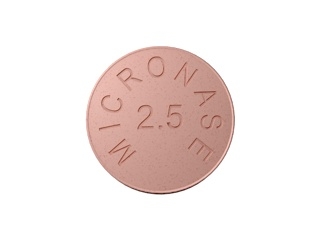
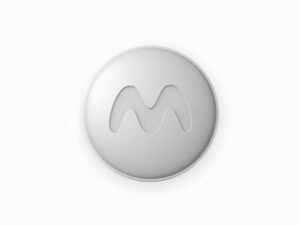
Micronase (Glyburide) – Patient Information (UK)
Micronase is a brand of glyburide, an oral medicine used to help control blood sugar levels in people with type 2 diabetes. It belongs to a group of medicines known as sulfonylureas. Micronase works by increasing the release of insulin from the pancreas and is usually used alongside lifestyle measures such as healthy eating, physical activity, and weight management.
This page is designed to be patient-friendly and explain how Micronase works, how it is typically taken, major precautions, and what to expect. It also includes information relevant to the United Kingdom, including general regulatory and availability considerations.
Basic product information
| Category | Details |
|---|---|
| Medicinal product | Micronase |
| Active substance | Glyburide (also known as glibenclamide in some contexts; always follow the exact product/strength on your pack) |
| Medicine type | Oral antidiabetic medicine (sulfonylurea) |
| Common purpose | Improves blood glucose control in type 2 diabetes |
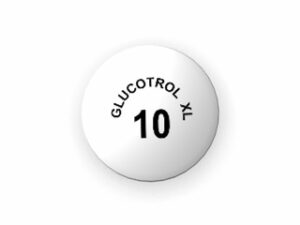
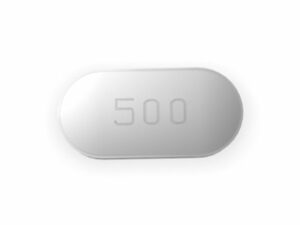
| Form and strengths | Tablets (strength varies by product/pack) |
| Typical monitoring | Blood glucose and/or HbA1c; review of risk of low blood sugar (hypoglycaemia) |
Important: Always check your exact tablet strength and instructions on your medicine label. If anything is unclear, speak to your pharmacist or diabetes care team.
How Micronase works (mechanism of action)
Micronase (glyburide) helps reduce blood sugar by:
- Stimulating insulin release from the beta cells in the pancreas, particularly when blood glucose levels are raised.
- Reducing blood glucose levels in the bloodstream, helping improve overall diabetes control.
Because sulfonylureas increase insulin release, Micronase can sometimes cause hypoglycaemia (low blood sugar), especially if meals are skipped, doses are too high, or medicines/diet/activity patterns change.
Pharmacokinetics (how the body handles glyburide)
Pharmacokinetics describes what happens to a medicine after you take it—absorption, distribution, metabolism, and elimination. While exact figures vary between individuals and formulations, the general pattern for glyburide/sulfonylureas includes:
- Absorption: Glyburide is absorbed from the gastrointestinal tract after oral dosing. Food may affect the speed of absorption, but overall exposure can remain similar.
- Distribution: It distributes into body tissues and binds to plasma proteins to some extent.
- Metabolism: Most metabolism occurs in the liver. This is relevant to safety because liver impairment may increase risk of side effects.
- Elimination: Metabolites are removed mainly through the kidneys and bile pathways. Reduced kidney function may increase risk of adverse effects.
- Duration: Glyburide is typically considered a longer-acting sulfonylurea compared with some other options, which can affect how long hypoglycaemia may last if it occurs.
If you have kidney or liver problems, it is particularly important to discuss your dosing plan and monitoring schedule with your healthcare professional.
Typical use in the UK
Micronase is used for the management of type 2 diabetes mellitus. It may be prescribed when lifestyle measures alone are not enough to control blood glucose, or as part of an ongoing diabetes treatment plan.
In UK practice, diabetes medicines are chosen based on factors such as:
- Your HbA1c level and blood glucose patterns
- Risk of hypoglycaemia
- Kidney function
- Heart and blood vessel risk
- Body weight considerations
- Other medicines you take
- Availability and suitability of alternatives
When and how to take Micronase (timing)
Follow your pack instructions and the schedule given by your diabetes team. Typical guidance for sulfonylureas includes taking them with meals to reduce the chance of low blood sugar.
- Take with breakfast or the main meal(s), depending on your daily dosing schedule.
- If your dose is once daily, many regimens use breakfast as the anchor meal.
- If your dose is split (e.g., morning and evening), take each dose with the corresponding meal.
Do not:
- Skip meals after taking your tablet.
- Take an extra dose if you forget one—unless your clinician/pharmacist advises otherwise.
Missed dose (general advice): If you miss a dose, take it as soon as you remember if it is close to your usual time and you can eat. Otherwise, skip the missed dose and continue with your next scheduled dose. If you are unsure, ask your pharmacist.
Food interactions and practical meal guidance
Food is especially important with Micronase because low blood sugar risk increases when meals are delayed or missed.
- Consistency helps: Try to keep meal timing and carbohydrate intake reasonably consistent day to day.
- Never skip meals: If you have reduced appetite or feel unwell, contact your diabetes team for advice on adjusting your plan.
- Carbohydrate awareness: A sudden reduction in carbohydrate intake may increase risk of hypoglycaemia.
Can I take it with food? Yes—Micronase is commonly taken with meals. Taking it with food can help reduce the chance of blood glucose dropping too low.
Impact of food on absorption: Food can influence the speed at which the medicine is absorbed, so taking it with a meal according to your schedule is generally recommended.
Alcohol and medicine interactions
Alcohol can affect blood sugar levels and may increase the risk of hypoglycaemia. It can also impair the liver’s ability to process medications and increase the chance of side effects.
- Be cautious: If you drink alcohol, keep it moderate and avoid drinking without food.
- Avoid binge drinking: This may significantly increase the risk of low blood sugar later.
- Consider delayed hypoglycaemia: Low blood sugar can occur some hours after alcohol intake, especially if you have eaten less.
Speak to your pharmacist if you drink alcohol regularly or are unsure how much is safe for you.
Medicine interactions (other drugs that may matter)
Micronase can interact with other medicines in ways that may increase or decrease blood glucose control. Some interactions can also raise the risk of hypoglycaemia.
Always check interaction information when starting or stopping any medicine, including over-the-counter products.
Examples of medicines that may be relevant (not an exhaustive list) include:
- Other diabetes medicines: Combining with insulin or other glucose-lowering agents can increase hypoglycaemia risk.
- Some antibiotics and antifungals: Certain medicines can affect metabolism and alter glyburide levels.
- Medicines affecting the liver: Some drugs can increase or decrease the effect of glyburide by changing liver metabolism.
- Non-steroidal anti-inflammatory drugs (NSAIDs): Rarely, may affect glucose regulation or kidney function in ways that influence safety.
- Beta-blockers: Some can mask warning signs of hypoglycaemia (e.g., palpitations), making it harder to notice low blood sugar.
- Angiotensin-converting enzyme (ACE) inhibitors and certain blood pressure medicines: They may change insulin sensitivity and influence glucose control in some people.
- Warfarin and medicines affecting blood clotting: Monitor may be needed because of possible interaction effects.
What to do: Keep an up-to-date list of all medicines and supplements you take (including herbal products) and show it to your pharmacist.
Indications (who Micronase is for)
Micronase is indicated for the management of type 2 diabetes in adults, as part of a treatment programme that includes diet and exercise.
It is used to improve glycaemic control when:
- Diet and exercise alone do not achieve adequate blood glucose control, and/or
- Other therapy options are not suitable or additional control is required.
Not for: Micronase is generally not used for type 1 diabetes or diabetic ketoacidosis. If you are unsure whether it is appropriate for your diagnosis, check with your clinician or pharmacist.
Dosing information (general guidance)
Dosing must be individualised. Your doctor/pharmacist will choose a starting dose and may adjust it based on blood glucose readings and side effects. In general, sulfonylureas are started at lower doses and adjusted gradually to reduce hypoglycaemia risk.
Key dosing principles:
- Start low and adjust: Increasing dose too quickly can raise the risk of hypoglycaemia.
- Monitor response: Your HbA1c and blood glucose readings help guide adjustments.
- Consider kidney function: Impaired kidney function increases risk of accumulation and low blood sugar.
- Consider age and frailty: Older adults may be more sensitive to hypoglycaemia.
- Consider missed meals: Changes in eating patterns often require dose review.
Do not change your dose without advice from your healthcare team.
Safety profile (side effects and when to seek help)
Common and important side effects
The most significant risk with Micronase is hypoglycaemia. Other side effects may occur, but severity can vary between individuals.
Low blood sugar (hypoglycaemia)
Seek prompt advice if you experience symptoms such as:
- Sweating, shaking, or feeling weak
- Hunger, nausea, dizziness
- Headache, blurred vision
- Confusion, irritability, or unusual tiredness
- Fast heartbeat or palpitations
If you feel you are getting low, treat it quickly using fast-acting carbohydrate (for example glucose tablets or a sugary drink) and then have a snack or meal if appropriate. If you lose consciousness, severe confusion, or symptoms do not improve, seek urgent medical help.
Other possible side effects
Depending on your situation, you may experience:
- Weight gain (a common concern with sulfonylureas due to insulin effects)
- Gastrointestinal discomfort (e.g., nausea)
- Skin reactions (less common)
- Changes in liver function tests (rare)
- Allergic reactions (rare—urgent if severe)
Serious but uncommon reactions
Although uncommon, any of the following need urgent attention:
- Severe hypoglycaemia (unable to treat yourself)
- Signs of allergy such as swelling of the face/lips, breathing difficulties, or widespread rash
- Jaundice (yellowing of skin/eyes) or severe persistent abdominal symptoms
If you’re concerned about side effects, speak to a healthcare professional promptly. In the UK, you can also contact 111 for non-emergency medical advice or seek emergency help via 999 if symptoms are severe.
Practical use tips for safer control
- Monitor your blood glucose: Especially when starting, changing dose, or changing diet/activity.
- Be consistent: Keep meal timing and carbohydrate intake steady.
- Know early signs of hypoglycaemia: Keep fast-acting sugar accessible.
- Plan for exercise: Increased activity can lower blood glucose. You may need to eat extra carbohydrate before or after activity—ask your team.
- Stay hydrated and eat when unwell: Being sick can change appetite and glucose patterns.
- Medication review: If you start new medicines, check for interactions.
- Carry identification: Consider carrying a diabetes card/bracelet so others know you’re at risk of hypoglycaemia.
What to expect with treatment (effect on glucose)
Micronase can improve blood sugar within days, but the full evaluation of diabetes control is typically based on ongoing readings and HbA1c over a longer period. Your clinician may review:
- Morning and post-meal glucose readings
- Patterns of low blood sugar
- Weight changes
- Kidney/liver monitoring where appropriate
Do not stop or adjust Micronase suddenly without professional guidance, as glucose control may worsen.
Alternative options in the UK
There are several classes of medicines used to treat type 2 diabetes. Which is most appropriate depends on your health profile, risk of hypoglycaemia, kidney function, and cardiovascular risk. Common alternatives (examples) include:
- Metformin (often first-line if suitable)
- Other sulfonylureas (e.g., gliclazide in some UK pathways)
- DPP-4 inhibitors
- SGLT2 inhibitors
- GLP-1 receptor agonists (injections) and other incretin-based options
- Insulin for certain stages or when needed
Your diabetes team may consider alternatives if you experience:
- Frequent hypoglycaemia
- Significant weight gain
- Changes in kidney function
- Insufficient glucose control despite dose adjustment
In the UK, choice is often influenced by national guidance and individual suitability. If Micronase is not the best fit for you, ask about options that better match your risk profile.
UK market and legal context (high-level)
In the United Kingdom, medicines such as Micronase are regulated and supplied under the medicines and pharmacy framework, including:
- Quality and safety requirements for authorised products
- Professional oversight for safe prescribing and dispensing practices
- Advice and information through the Summary of Product Characteristics (SmPC) and patient-facing leaflets
Availability can vary by pharmacy and supplier. Some brands or strengths may be temporarily limited due to supply chain changes. If Micronase is not available in a particular strength, your pharmacist may be able to advise on the closest available option or an appropriate alternative.
Note: Always ensure you receive the correct active ingredient and strength intended for you.
Recent guidance (what care teams commonly emphasise)
Diabetes care in the UK continues to focus on:
- Individualised targets for HbA1c based on age, comorbidities, and risk of hypoglycaemia
- Minimising hypoglycaemia risk, particularly in older adults and those with kidney impairment
- Reviewing medicine choice as health status changes (e.g., kidney function, cardiovascular risk)
- Supporting self-management through education on diet, activity, and recognising hypo symptoms
Guidance can evolve, and your care team may adjust therapy based on the latest evidence and your personal risk profile.
Delivery and availability (online pharmacy considerations)
Online pharmacies in the UK typically offer:
- Secure, tracked delivery to your address
- Dispatch time estimates during the ordering process
- Packaging designed to protect medicines
- Customer support to clarify product/strength details
Availability tips:
- Check whether your pharmacy lists specific tablet strengths (e.g., 2.5 mg, 5 mg, or other strengths depending on product/pack).
- If the exact brand/strength is unavailable, ask about equivalent options and confirm the active ingredient and dose.
- Keep medicines in their original packaging to maintain clear identification.
FAQ – Micronase (Glyburide)
1) What is Micronase used for?
Micronase is used to help control blood sugar in people with type 2 diabetes, typically alongside healthy eating and exercise.
2) How quickly does Micronase start working?
Some people notice improvement in blood glucose within days. Full assessment of treatment effectiveness is usually based on ongoing monitoring and HbA1c over time.
3) Can I take Micronase without food?
Micronase is commonly taken with meals to reduce the risk of hypoglycaemia. If you’re unsure how to time your dose, follow your label instructions and speak with your pharmacist.
4) What should I do if I miss a dose?
Check your pharmacist/label instructions. In general, if you remember soon and you can eat, take it then; otherwise skip the missed dose and continue with your next scheduled dose. Don’t double up unless you’ve been specifically advised.
5) What are the signs of low blood sugar?
Common symptoms include sweating, shaking, hunger, dizziness, headache, palpitations, weakness, confusion, and blurred vision. If you suspect low blood sugar, treat it promptly with fast-acting sugar and follow up according to your diabetes plan.
6) Can Micronase cause weight gain?
It can. Sulfonylureas may be associated with weight gain in some people, so diet and activity choices are important.
7) Can I drink alcohol while taking Micronase?
Alcohol may increase the risk of low blood sugar. If you choose to drink, do so in moderation and usually with food. If you have concerns, ask your pharmacist or diabetes team.
8) Are there medicines I should avoid?
Many medicines can affect blood glucose control or glyburide metabolism. Always check interactions when starting new medicines, including over-the-counter products and herbal supplements.
9) Who should be extra careful with Micronase?
People at higher risk of hypoglycaemia—including those with kidney impairment, older adults, and those with irregular eating patterns—should be monitored carefully and may need dose adjustments.
10) What are common alternatives to Micronase?
Alternatives may include metformin, DPP-4 inhibitors, SGLT2 inhibitors, GLP-1 receptor agonists, other sulfonylureas, or insulin—depending on individual suitability and risk factors.
Summary
Micronase (glyburide) is an oral sulfonylurea used to improve blood glucose control in type 2 diabetes. It works by increasing insulin release, which is why hypoglycaemia is the most important safety consideration. Taking the medicine with meals, eating regularly, monitoring blood glucose, and staying alert to early signs of low blood sugar are key parts of safe use.
If you have questions about timing, side effects, or potential interactions with other medicines you take, speak to a pharmacist or diabetes care team for personalised advice.