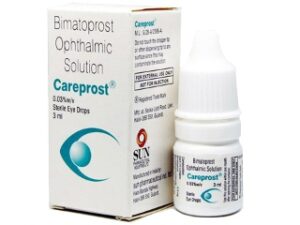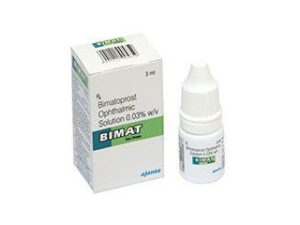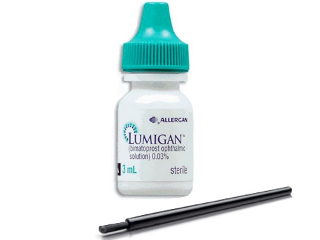
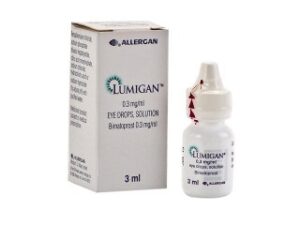
Lumigan + Applicators (Bimatoprost) — Patient Information (UK)
Lumigan + Applicators contains bimatoprost, a medicine used to lower increased pressure inside the eye. It is presented as an eyedrop solution together with specially designed applicators to help make applying the drops easier and more consistent.
This page explains how Lumigan works, how it’s used, what to expect, key safety information, and practical tips. It is written for patients in the United Kingdom.
Basic product information
| Feature | Details |
|---|---|
| Active ingredient | Bimatoprost |
| Medicine type | Ophthalmic (eye) drop/solution |
| Common use | Reduces elevated intraocular pressure (IOP) |
| How it’s supplied | Eyedrop solution with applicators for targeted application |
| Where used | In the affected eye(s) |
| Typical dosing frequency | Usually once daily in the evening (unless your prescriber advises otherwise) |
What is bimatoprost?
Bimatoprost belongs to a group of medicines often referred to as prostaglandin analogues (and related compounds) used in ophthalmology. It helps the eye reduce pressure by improving how fluid leaves the eye.
How Lumigan works (mechanism of action)
Inside the eye, a clear fluid (aqueous humour) is continuously produced and drained. If drainage is reduced, intraocular pressure can become too high. Elevated pressure can contribute to damage to the optic nerve, as seen in conditions such as glaucoma.
Bimatoprost helps increase the outflow of this fluid, thereby lowering the pressure. It primarily enhances the drainage pathways that regulate aqueous humour flow, helping to maintain safer pressure levels over time.
What conditions is Lumigan used for?
In the UK, Lumigan is commonly used to treat:
- Open-angle glaucoma
- Ocular hypertension (raised pressure in the eye without glaucoma damage)
Your eye-care professional will advise which condition you have and whether Lumigan is appropriate for you. The goal is to reduce intraocular pressure and protect your vision.
Typical timing and how to apply it
Many patients are instructed to use Lumigan once daily in the evening. Using it at a consistent time helps you remember and may improve day-to-day effectiveness.
Step-by-step practical use tips
- Wash your hands before applying the drops.
- If you wear contact lenses, remove them before using the medicine (see “Food, alcohol, and medicine interactions” section for general guidance). After applying the drop, wait before reinserting lenses if your clinician has advised a waiting period.
- Use the applicator as directed in the product instructions. The aim is to place the drop correctly into the eye without contamination.
- Instill the recommended dose into the affected eye(s). Avoid touching the tip of the applicator to the eye or eyelids.
- Close your eye gently for about 1 minute.
- Lightly press the inner corner of the eye (near the nose) for about 1 minute if you are able—this can reduce drainage into the rest of the body.
- Do not rub the eye after applying.
If you miss a dose, apply it as soon as you remember unless it is close to the time for your next dose. In most cases, you should not double the dose. If you are unsure, ask your pharmacist or eye-care team.
Dosing (how much to use)
The usual dose is one drop once daily in the affected eye(s), typically in the evening. Always follow the dose and schedule given to you by your eye-care professional or the product instructions supplied with your medicine.
General dosing reminders
- Use consistently: pressure-lowering medicines work best when taken regularly.
- Do not change frequency without advice, even if your vision feels stable.
- Multiple eye medicines: if you use other drops, keep the correct time spacing between them (your pharmacist/eye-care team can advise).
Pharmacokinetics (how the body handles bimatoprost)
Pharmacokinetics describe how the drug is absorbed, distributed, metabolised, and eliminated. After ocular administration, bimatoprost is absorbed through ocular tissues. It is then processed by the body and cleared primarily via metabolism and elimination pathways.
Key points for patients:
- Local eye action: Lumigan acts mainly in the eye to lower intraocular pressure.
- Limited systemic exposure: While some absorption can occur, systemic levels after eye dosing are generally low.
- Ongoing monitoring matters: Your clinician may measure intraocular pressure and examine the eye periodically to ensure the medicine is working safely.
If you have liver or kidney problems, your eye-care professional may want to monitor you more closely and will advise whether any precautions are needed.
Food interactions
There are no known clinically important food interactions for bimatoprost when used as an eye drop, because the medicine is applied to the eye and is not usually influenced by what you eat.
However, general health habits still matter. Keeping stable hydration and following advice for any other conditions (for example, cardiovascular disease) supports overall wellbeing.
Alcohol interactions
No specific alcohol-related interactions are typically expected with bimatoprost eye drops, since systemic absorption is low.
Still, alcohol can worsen dry eyes or irritation in some people. If you notice increased stinging, redness, or discomfort after drinking alcohol, you may want to monitor symptoms and discuss them with your pharmacist or clinician.
Medicine interactions (including other eye drops)
Tell your eye-care professional or pharmacist about all medicines you use, including eye drops, tablets, herbal products, and over-the-counter treatments.
Other eye drops
If you use more than one eye medicine, the order and timing can affect how well each medicine works. A common approach is to separate different eye drops by at least 5 to 10 minutes unless your clinician tells you otherwise.
- Prostaglandin analogues: Using more than one medicine from the same class may increase side effects. Do not combine unless advised.
- Eye gels/ointments: These may reduce absorption of drops if used too close together. Ask your pharmacist for the best sequence.
Systemic medicines
Although systemic interactions are less likely with eye dosing, any significant medical conditions or medicines (for example, those affecting blood pressure or inflammation) should be discussed. Your clinician will weigh benefits and risks for your specific situation.
Safety profile and side effects
Like all medicines, Lumigan + Applicators can cause side effects. Not everyone gets them. Many side effects relate to changes at the surface of the eye or around the eyelids.
Common side effects
- Eye irritation (stinging, burning, or discomfort)
- Redness of the eye
- Dry eyes
- Itching or mild inflammation
- Increased eyelash growth and/or thickening
- Changes in eyelash colour (often darker)
- Darkening around the eye (periorbital skin darkening) in some patients
- Possible change in iris colour (more noticeable in eyes with mixed colour such as brown/green/hazel)
Eye irritation is often mild and may improve with continued use. If symptoms are bothersome or worsen, consult your pharmacist or eye-care team.
Less common but important side effects
- Eye inflammation (uveitis)
- Swelling around the eye
- Blurred vision (often temporary)
- Macular oedema risk may be increased in certain people (for example, those with a history of retinal problems)
Seek urgent medical advice if
- You develop severe eye pain
- Vision becomes significantly worse or you have persistent blurred vision
- You experience marked swelling of the eye/eyelids
- You develop signs of serious infection (for example, heavy discharge with worsening redness)
- You suspect an allergic reaction (such as intense itching, rash, or facial swelling)
Practical use tips for better comfort
- Apply consistently in the evening if that is your schedule.
- If you feel stinging after instillation, try keeping your eyes gently closed for a minute and avoid blinking forcefully right after application.
- Consider using preservative-free artificial tears for dry-eye discomfort if recommended by your clinician; keep spacing between products (often 10 minutes).
- Be aware that iris and eyelid changes can be long-lasting. Discuss cosmetic or colour-change concerns with your eye-care team.
- Do not touch the applicator tip to the eye or eyelids to reduce contamination risk.
- Store the medicine as directed on the pack and check expiry dates.
Special precautions (who should be extra careful)
- Eye conditions: If you have a history of inflammation in the eye, retinal conditions (including macular oedema), or recent eye surgery, speak with your eye-care professional.
- Contact lens users: Follow your clinician’s instructions. Many eye drops contain preservatives or components that can affect lenses.
- Single-eye use: If you use drops in one eye only, wash your hands well after application to avoid accidental dosing in the other eye.
- Pregnancy and breastfeeding: If applicable, discuss your circumstances with a clinician. The safest option depends on your medical history and the risks/benefits for your eye condition.
Alternative options
If Lumigan is not suitable or side effects are troublesome, there are other treatments for elevated eye pressure. Your eye-care professional can advise the best alternative based on your condition and medical history.
Common alternative medicine categories
- Other prostaglandin analogues (often used once daily), such as latanoprost, travoprost, or tafluprost.
- Beta-blocker eye drops (reduce production of aqueous humour), such as timolol.
- Carbonic anhydrase inhibitors (reduce fluid production), such as dorzolamide or brinzolamide.
- Alpha-agonists (reduce production and increase outflow), such as brimonidine.
- Combination drops (two medicines in one bottle) may be considered to simplify regimens.
Non-medicine options may also be discussed, including laser treatment or surgery, depending on the severity of the condition and response to drops.
UK market and legal context
In the United Kingdom, medicines like Lumigan are regulated and supplied according to UK medicine legislation and pharmacy practice. Availability and prescribing pathways may vary by product strength, packaging, and local clinical policy.
Eye medicines are safety-critical: correct dosing and follow-up are important for preventing vision-threatening complications. You should use Lumigan as directed and attend eye-check appointments to monitor intraocular pressure and eye health.
Recent guidance and monitoring
Eye pressure conditions require ongoing monitoring. Professional guidance in the UK emphasises:
- Regular assessment of intraocular pressure and optic nerve health
- Adherence to the drop schedule (missing doses can reduce effectiveness)
- Checking for side effects, including inflammation and eye-surface changes
- Reviewing treatment if pressure targets are not met or if side effects occur
If you experience new symptoms (pain, redness, or vision changes), contact your eye-care team promptly. Routine reviews are essential even when you feel well.
Delivery and availability (UK online pharmacy)
Lumigan + Applicators may be available through licensed UK online pharmacies and authorised suppliers, subject to availability and stock levels. Delivery times can vary depending on your postcode, carrier, and whether the product is currently in stock.
- Packaging: Medicines are typically dispatched in protective packaging to help prevent damage.
- Stock availability: If stock is temporarily unavailable, some suppliers offer alternative options or delivery notifications.
- Cold chain: Eye drops generally do not require refrigeration unless specifically stated on the pack.
When you receive your medicine, check:
- the name and strength match what you expected
- the expiry date is in date
- the seal is intact
How to store Lumigan + Applicators
- Store at the temperature stated on the pack.
- Keep the bottle/applicator container tightly closed.
- Keep out of the sight and reach of children.
- Do not use after the expiry date shown on the packaging.
Frequently asked questions (FAQ)
1) How long does it take to work?
Many patients notice a reduction in intraocular pressure after starting treatment. The full effect can develop over days to weeks. Pressure checks by your eye-care professional confirm whether the target is being met.
2) What if I accidentally miss a dose?
If you miss a dose, use it when you remember unless it’s close to the time for your next dose. Do not use extra drops to make up for a missed dose. If you’re unsure, speak to your pharmacist or eye-care team.
3) Will Lumigan change my eye colour?
Bimatoprost can sometimes cause iris colour changes, often gradually. This is more likely in people with mixed-colour eyes and may be permanent. Discuss concerns with your eye-care professional.
4) Can I wear contact lenses?
Many eye drops require lenses to be removed before use. Reinsert them only when your clinician or the product instructions advise. If you feel discomfort, burning, or worsening dryness, seek advice.
5) Is it safe to use with other eye drops?
Often yes, but timing matters. Keep adequate spacing between different eye medicines (commonly 5–10 minutes, unless your clinician advises otherwise) to reduce interference between drops.
6) What are the most common side effects?
The most common effects include eye redness or irritation, dry eye symptoms, and changes to eyelash growth. Some people experience iris colour change or increased pigmentation around the eye.
7) Is Lumigan only for glaucoma?
It may be used for open-angle glaucoma and also for ocular hypertension. Your clinician will recommend based on your measurements and eye examination.
8) Can I drink alcohol while using Lumigan?
No specific alcohol interaction is expected with bimatoprost eye drops, but alcohol may worsen dryness in some people. If you notice increased irritation, reduce triggers and seek advice if symptoms persist.
9) What should I do if I get severe pain or vision changes?
Stop using the drops and seek urgent medical advice if you have severe pain, significant vision changes, marked swelling, or signs of a serious eye problem.
10) What happens if I stop using Lumigan?
If you stop, intraocular pressure may rise again, potentially increasing the risk of optic nerve damage. Do not stop treatment without discussing it with your eye-care professional.
Summary
Lumigan + Applicators (bimatoprost) is an eye medicine used to lower increased intraocular pressure in conditions such as open-angle glaucoma and ocular hypertension. It works by improving fluid outflow from the eye. Most patients use it once daily in the evening, and regular monitoring by an eye-care professional helps ensure safe and effective treatment.
If you have concerns about side effects, eye irritation, colour changes, or your dosing schedule, speak to your pharmacist or eye-care team.