Whyte & Lumigan (Bimatoprost) — Patient Guide (UK)
Lumigan is a prescription eye medicine containing bimatoprost. It is used to lower intraocular pressure (pressure inside the eye), which is important in conditions such as glaucoma and ocular hypertension. This patient-friendly guide explains how Lumigan works, how to use it safely, and what to expect.
Note: Always follow the instructions given by your eye-care professional and the information in the patient leaflet provided with your medicine.
1) Basic product information
| Item | Details |
|---|---|
| Brand name | Lumigan |
| Active ingredient | Bimatoprost |
| Medicine type | Prostaglandin analogue (ocular hypotensive) |
| Common presentation | Eye drops (solution) — strengths may vary by market and product format |
| Primary use | Reduce eye pressure to help manage glaucoma/ocular hypertension |
| Typical dosing frequency | Once daily in the evening (unless otherwise instructed) |
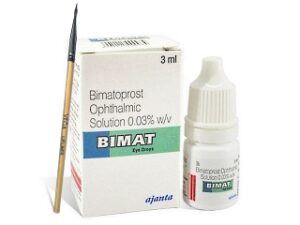
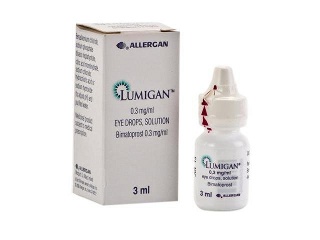
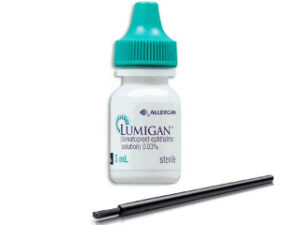
What does it look like? Bimatoprost eye drops are usually a clear, colourless solution in a dropper bottle.
2) How Lumigan works (mechanism of action)
Bimatoprost helps lower intraocular pressure mainly by increasing the eye’s natural outflow of fluid (aqueous humour) and by changing certain pathways within the eye that influence fluid drainage.
- Increased outflow: Helps fluid leave the eye more effectively, reducing pressure.
- Long-term eye pressure control: The effect is sustained with regular daily use.
Lowering eye pressure can help reduce the risk of damage to the optic nerve in people with glaucoma or ocular hypertension.
3) Pharmacokinetics (what happens in the body)
Because Lumigan is an eye drop, most of the medicine acts locally in the eye. The overall systemic (whole-body) absorption is generally low when used as directed.
- Absorption: Small amounts may enter the bloodstream through the eye tissues, the nasolacrimal system (tear drainage pathway), or after blinking.
- Distribution: The medicine mainly remains focused on ocular tissues.
- Metabolism: Bimatoprost is metabolised in the body.
- Elimination: Metabolites are cleared primarily through normal body elimination processes.
Practical takeaway: For most people, systemic exposure is minimal. Your healthcare professional will still consider other medicines and health conditions to ensure overall safety.
4) Typical uses and indications in the UK
In the UK, Lumigan (bimatoprost) is used for:
- Open-angle glaucoma
- Ocular hypertension (raised pressure in the eye), where treatment is intended to lower the risk of progression
It may be used alone or as part of a broader eye-pressure-lowering regimen, depending on your eye assessment (such as visual field testing, optic nerve imaging, and corneal measurements).
5) Dosing: how much and when to use it
Typical dose: One drop once daily in the evening into the affected eye(s), unless your clinician tells you otherwise.
- Same time each evening helps maintain consistent pressure control.
- Do not use more than prescribed. Using extra drops may not improve results and can increase side effects.
- If you miss a dose: Use it when you remember if it is not close to the next dose. If it is nearly time for the next dose, skip the missed dose and continue as normal.
Contact lenses: If you wear contact lenses, remove them before using the drops and wait at least 15 minutes before reinserting (or follow your specific leaflet advice).
6) Timing: why evening dosing matters
Bimatoprost is typically prescribed once daily in the evening because eye pressure can vary over the day, and many prostaglandin-type medicines show best effect when dosed in the evening.
Tip: Choose a routine (for example, after dinner or before bed) so it becomes part of your daily schedule.
7) Step-by-step: practical use tips (to get the best effect)
- Wash your hands before touching the bottle or eye area.
- Check the tip: ensure the dropper tip is not chipped or contaminated.
- How to apply:
- Lean your head back slightly.
- Gently pull down the lower eyelid to form a small pocket.
- Hold the bottle above the eye and squeeze a single drop into the pocket.
- Release the eyelid and close your eye gently.
- Reduce drainage for better local effect: after applying, press lightly at the inner corner of the eye (near the nose) for about 1 minute. This can reduce systemic absorption.
- Do not blink excessively and avoid rubbing the eye.
- If using other eye drops: wait at least 5–10 minutes before the next medicine (your leaflet or clinician may specify exact timing).
Hygiene note: Keep the bottle closed when not in use. Avoid touching the dropper tip to the eye.
8) Food interactions
Because Lumigan is applied to the eye, food interactions are unlikely. No clinically important dietary interactions are expected.
Nevertheless: If you have diabetes, blood pressure conditions, or other health concerns, keep attending reviews and follow your overall medication plan. Any new symptoms (such as persistent eye pain or vision changes) should be discussed promptly with your eye-care team.
9) Alcohol interactions
There are generally no direct alcohol interactions with bimatoprost eye drops, as systemic absorption is low when used correctly.
- However, alcohol may worsen general dry eye symptoms for some people, potentially making irritation feel stronger.
- Alcohol could also interfere with your ability to apply drops consistently (important for eye pressure control).
10) Interactions with other medicines
Tell your eye-care professional or pharmacist about all medicines you use, including eye drops, tablets, and herbal products.
- Other eye-pressure drops: Using multiple eye drops may require spacing to prevent wash-out. Your regimen may be optimised for effect and tolerability.
- Anti-glaucoma combinations: Some patients may take combinations or switch between agents based on response and side effects.
- Be cautious with multiple prostaglandin products: Using two medicines from the same class may increase side effects without added benefit.
Systemic medicine interactions are typically limited for eye drops like Lumigan, but eye preparations and preservatives can sometimes contribute to irritation—so it’s wise to review your full regimen with a professional.
11) Safety profile: common and important side effects
Like all medicines, Lumigan can cause side effects. Many are mild and related to the eye. Most fade with continued use, but some require medical attention.
Common side effects
- Redness of the eye
- Itching or irritation
- Dry eye sensation
- Temporary blurred vision after instilling drops
- Increased tear production in some people
More specific eye changes
- Eyebrow/eyelash changes: eyelashes may appear longer, thicker, and darker; mild eyelash growth is a known class effect for prostaglandin analogues.
- Periorbital effects: changes around the eye (such as increased pigmentation) may occur.
- Possible iris pigmentation change: in some people, the colour of the iris can darken gradually. This is not usually reversible, though the majority of patients do not experience severe changes.
When to seek urgent advice
Contact your eye-care professional promptly or seek urgent help if you experience:
- Significant eye pain
- Sudden or worsening vision changes
- Severe redness or swelling
- Signs of infection (for example, marked discharge, fever with eye symptoms)
- Worsening light sensitivity or persistent severe irritation
Precautions
- Uveitis: prostaglandin analogues can worsen inflammation in certain eye conditions—your clinician will advise appropriately.
- Macular issues: people with risk factors for macular oedema should be monitored.
- After eye surgery: follow specific advice regarding timing and monitoring.
- Allergy: stop and seek advice if you suspect an allergic reaction.
12) Safety considerations for pregnancy, breastfeeding, and children
If you are pregnant, trying to conceive, or breastfeeding, discuss use with your healthcare professional. They will weigh the benefits for eye pressure control against any potential risks.
Children and adolescents: Use in children may depend on age and clinical circumstances. Your clinician will determine suitability.
13) Storage, handling, and shelf-life
- Store at room temperature unless your product leaflet specifies otherwise.
- Keep the bottle tightly closed when not in use.
- Do not use after the expiry date shown on the pack.
- After opening: many eye drops have a recommended time to discard after first opening (often marked with a symbol such as an open jar). Follow your leaflet or pharmacy guidance.
14) Alternative options (if Lumigan isn’t suitable)
Your eye-care team may suggest alternatives if you experience side effects, inadequate pressure control, or you need a different dosing schedule. Options can include:
- Other prostaglandin analogues (different active ingredients within the same class)
- Beta-blocker eye drops (often used once or twice daily)
- Alpha agonists (often used multiple times daily depending on product)
- Carbonic anhydrase inhibitors (eye drops or tablets; frequency varies)
- Rho-kinase inhibitors (where available)
- Combination products that include more than one medicine in a single bottle
Alternative treatments are chosen based on your target pressure, glaucoma type, tolerance, other health conditions, and overall eye health.
15) Market and legal context for the UK
In the United Kingdom, bimatoprost-containing eye drops such as Lumigan are regulated medicines. They are supplied through appropriate pharmacy channels and may require professional assessment, depending on your circumstances and local prescribing requirements.
Information on availability, pack formats, and approved uses is aligned with UK medicine regulation and marketing authorisation processes.
Note on guidance: Clinicians follow evidence-based strategies for glaucoma management, including pressure monitoring, optic nerve assessments, and risk-based adjustments to treatment.
16) Recent guidance and clinical monitoring (what matters most)
While individual local practices may vary, modern glaucoma care in the UK commonly involves:
- Regular reviews to measure eye pressure (tonometry) and assess symptoms and signs.
- Optic nerve and retinal evaluation (for example, OCT imaging) and visual field testing.
- Adherence support—consistent daily drops are essential for pressure control.
- Side effect monitoring—especially changes in eye colour/pigmentation and eyelash growth.
If you experience side effects or your vision changes, you may need review or treatment adjustment. Do not stop your medicine without speaking to your eye-care professional.
17) Delivery and availability in the UK (online pharmacy)
Availability can vary by supplier and region within the UK. When ordering online, you may see:
- Standard delivery (often within a few working days)
- Express options in some cases
- Discreet packaging to protect privacy
- Stock updates if a particular bottle size or strength is temporarily unavailable
Delivery tips:
- Ensure your delivery address is correct.
- Consider delivery time if you’re sensitive to temperature extremes (rare for eye drops, but good practice).
- If you need ongoing treatment, allow time for repeat ordering.
18) FAQ — common questions about Lumigan (bimatoprost)
1. How quickly will Lumigan lower my eye pressure?
Many people see an effect on intraocular pressure within days, but the full benefit is usually assessed over regular clinic follow-up. Pressure targets vary, so your clinician may check your readings after starting or changing treatment.
2. Can I stop Lumigan once my pressure is controlled?
Glaucoma and ocular hypertension are usually long-term conditions. Stopping drops can allow eye pressure to rise again. Only change or stop treatment if your eye-care professional advises it.
3. Will Lumigan change my eye colour permanently?
Gradual darkening of the iris has been reported in some people. It may be permanent. If you notice changes, discuss them promptly with your clinician so they can assess risk and monitor appropriately.
4. Why do my eyelashes look different?
Lash growth and increased pigmentation can occur with prostaglandin analogues. This is commonly mild but can be noticeable. Contact your clinician if you develop discomfort, eyelid irritation, or lashes rubbing the eye.
5. Can I wear contact lenses with Lumigan?
Remove lenses before applying the drops and wait at least 15 minutes before reinserting (or follow leaflet guidance). Some preservatives may irritate the eye or affect lens comfort.
6. What if I get blurred vision after using the drops?
Temporary blurring can happen. Wait until your vision clears before driving or using machinery.
7. What should I do if I accidentally use too many drops?
If you apply extra drops, don’t panic, but contact a pharmacist or your eye-care professional for advice. Monitor for increased irritation or redness. Avoid using extra doses in future.
8. Can Lumigan be used with other eye drops?
Often yes, but spacing is important. Use a gap of around 5–10 minutes between different eye drops unless instructed otherwise.
9. Is there any link between Lumigan and allergy?
Some people may react to ingredients or preservatives. Stop using and seek medical advice if you develop swelling, worsening redness, severe itching, or signs of allergy.
10. What should I expect during follow-up?
Your eye-care team will likely monitor pressure, optic nerve health, and visual function. Bring a list of medicines you use and note any side effects.
Summary
Lumigan (bimatoprost) is an eye drop used in the UK to lower intraocular pressure in open-angle glaucoma and ocular hypertension. It works by supporting better fluid outflow from the eye. Most people experience mild eye-related side effects such as redness or irritation, while some may notice changes in eyelash growth or iris pigmentation.
For best results, use one drop once daily in the evening, apply carefully using good hygiene, and keep follow-up appointments so your eye-care team can confirm the treatment is working and safely tolerated.