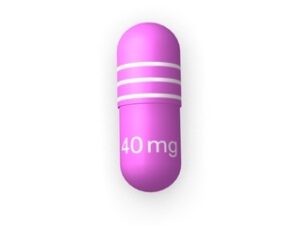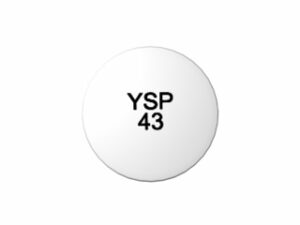



Cytotec (Misoprostol) — Patient Information (UK)
Cytotec is the brand name for misoprostol, a medicine that acts on the lining of the womb (uterus) and helps control uterine activity. In the UK, misoprostol is used for specific medical indications, often in combination with other medicines where appropriate. This page explains what Cytotec/misoprostol is, how it works, how it is used, and important safety information for adults.
Important: Misoprostol may be used in different clinical settings depending on your treatment plan. Always follow the instructions given by your healthcare professional and read any packaging information provided with your medicine.
Quick product overview
| Category | Details |
|---|---|
| Medicine | Cytotec (misoprostol) |
| Active ingredient | Misoprostol |
| How it works | Synthetic prostaglandin E1 analogue that affects uterine and cervical tissue |
| Typical forms | Oral tablets (strength varies by product) |
| Common uses in clinical practice | Indications may include prevention of NSAID-related stomach ulcers and certain obstetric/gynecological uses |
| Key safety considerations | Possible uterine effects, gastrointestinal side effects, and contraindications (especially in pregnancy when used for other indications) |
What is Cytotec (misoprostol)?
Misoprostol is a synthetic prostaglandin E1 analogue. Prostaglandins are naturally occurring chemicals in the body that help regulate smooth muscle activity and affect tissues such as the stomach lining and the cervix/uterus.
Cytotec is used for certain medical reasons where its prostaglandin-like effects are helpful. Because misoprostol can cause uterine contractions and changes in cervical tissue, its use in women’s health settings must be carefully matched to the intended indication and timing.
Mechanism of action
Misoprostol works by binding to prostaglandin receptors, leading to:
- Uterine smooth muscle effects: it may increase uterine contractions.
- Cervical ripening: it can help soften and dilate the cervix in suitable clinical circumstances.
- Gastroprotective effects (stomach): in some indications, it reduces stomach acid secretion and helps protect the stomach lining.
These actions explain why misoprostol can be used for both gastrointestinal protection (in appropriate situations) and certain gynaecological/obstetric pathways under clinician guidance.
Pharmacokinetics (how the body handles it)
Understanding pharmacokinetics can help explain typical onset and side effects.
- Absorption: after oral administration, misoprostol is absorbed and converted in the body to its active form(s).
- Activation: misoprostol is metabolised, and the active metabolites mediate its effects.
- Onset of action: effects may begin within hours, depending on route and the specific indication.
- Duration: uterine and gastrointestinal effects can last several hours; the pattern may vary between individuals.
- Elimination: metabolites are cleared primarily via the kidneys.
Note: Exact timing can vary based on dose, form, and medical context. If you are using misoprostol for a specific regimen, follow the planned schedule provided with your care.
Typical uses and indications (UK)
Misoprostol has recognised medical uses. The exact indication, dose, and timing differ by the clinical scenario.
1) Prevention of NSAID-related stomach ulcers
Misoprostol has been used to help prevent gastric (stomach) and duodenal ulcers in people who take non-steroidal anti-inflammatory drugs (NSAIDs) who are at higher risk of developing ulcers.
2) Selected gynaecological/obstetric indications
In women’s health settings, misoprostol may be used to support treatment plans involving:
- cervical ripening and uterine effects
- management of pregnancy-related conditions where appropriate regimens are used
Because these uses involve pregnancy and uterine changes: they require careful clinical assessment to ensure safety (for example, ruling out ectopic pregnancy when relevant and considering individual risk factors).
This online pharmacy page is intended for general information and does not replace medical assessment.
Dosing (general overview)
Dose depends heavily on the indication. Cytotec/misoprostol dosing regimens can differ substantially between gastrointestinal protection and gynaecological/obstetric use. For safety and effectiveness, it is essential to use the dose and schedule appropriate to your situation.
For prevention of NSAID-related ulcers
Common practice involves dividing daily dosing to maintain protective effects, and taking it with/around meals as advised. Typical regimens are usually set by local prescribing information and clinical guidance.
For gynaecological/obstetric indications
Regimens often involve misoprostol taken at specified intervals and may be used with other medications depending on the care pathway. Timing and dose are critical.
Always follow the specific instructions you were given. If you are unsure, consult a healthcare professional or pharmacist before taking additional doses.
Timing: when and how to take Cytotec
General guidance:
- Follow your dosing schedule exactly. Do not change the timing or number of doses without advice.
- Consider with food for stomach comfort. Misoprostol can cause gastrointestinal side effects; taking it with food can reduce stomach upset for some people.
- Do not lie down immediately after taking. This may help reduce reflux/heartburn symptoms for some patients (general tablet guidance).
If you are using misoprostol for a women’s health regimen: timing is particularly important. Missing doses or taking them too early/late can affect outcomes. Use the exact plan supplied in your care pathway.
Food interactions
Misoprostol’s gastrointestinal side effects (such as diarrhoea, abdominal cramps, nausea) can be influenced by food intake.
- Taking with meals may improve tolerability for stomach-related side effects.
- Avoiding large, heavy meals around the time of dosing may help if you are prone to nausea or diarrhoea.
There are no well-known “hard” food restrictions for misoprostol in the way there are for some medicines, but individual tolerance varies.
Alcohol and medicine interactions
Alcohol
There is no direct “must avoid” alcohol instruction specific to misoprostol for everyone, but alcohol can worsen side effects such as:
- stomach irritation and heartburn
- diarrhoea or dehydration risk
- dizziness or general feeling unwell
Practical advice: If you choose to drink alcohol, do so sparingly and avoid alcohol if you notice your symptoms worsen or you are experiencing significant diarrhoea or dehydration.
Medicine interactions
Misoprostol can interact with other medicines indirectly through effects on the stomach and gastrointestinal function, and through overlapping side effect profiles.
- NSAIDs: misoprostol is commonly used to reduce NSAID-related ulcer risk; however, the overall regimen should be coordinated with your clinician.
- Antacids: antacids may be used for symptom relief, but they can also influence how you feel (e.g., constipation/diarrhoea balance) rather than typically “blocking” misoprostol’s effect.
- Other medicines affecting smooth muscle or prostaglandin pathways: combination use should be checked by a pharmacist/clinician to ensure safe compatibility.
Tell your pharmacist about all medicines you take, including over-the-counter products, herbal supplements, and any recent changes.
Safety profile: side effects and when to seek help
Like all medicines, Cytotec/misoprostol can cause side effects. Many are temporary and improve after the course is completed or after your body adjusts.
Common side effects
- Diarrhoea (often the most common)
- Nausea
- Abdominal cramps
- Flatulence
- Headache
- Dizziness
- Vaginal bleeding or spotting (if used for gynaecological/obstetric indications)
Serious but less common risks
Seek urgent medical advice if you develop:
- Severe or persistent bleeding (for example, soaking through pads rapidly)
- Severe abdominal pain that does not ease
- Fainting, severe weakness, or signs of shock
- Fever that persists or chills/feeling very unwell
- Signs of dehydration (especially with diarrhoea: dry mouth, reduced urination, dizziness)
- Allergic reaction such as swelling of face/lips, rash, or breathing difficulty
In women’s health contexts: persistent or severe symptoms after treatment should always be assessed promptly by a healthcare professional.
Who should be cautious (contraindications and special situations)
Some conditions may make misoprostol unsuitable or require extra monitoring. For example:
- Allergy or previous reaction to misoprostol or related prostaglandin medicines
- Severe gastrointestinal disease may require tailored advice
- Potential pregnancy considerations: depending on why you are taking misoprostol, pregnancy status and timing may be critical for safety
- Risk factors for heavy bleeding or certain medical conditions may require assessment
If you have any relevant medical history, discuss it with a clinician or pharmacist before starting.
Practical use tips
If you are taking Cytotec/misoprostol, these steps can help you stay comfortable and use the medicine safely.
- Stay hydrated: diarrhoea can quickly lead to dehydration. Sip water regularly and consider oral rehydration solutions if needed.
- Plan for bathroom access: if diarrhoea or cramps occur, you may want to be near toilet facilities.
- Use absorbent pads if bleeding is expected (for gynaecological/obstetric indications). Avoid tampons unless your care team advises otherwise.
- Recognise warning signs: severe pain, heavy bleeding, persistent fever, or fainting should be treated as urgent.
- Keep track of timing: note when each dose is taken (particularly for multi-step regimens).
- Do not combine with other “uterine” medicines without guidance: mixing multiple agents can increase side effects or complicate outcomes.
Alternative options
“Best alternative” depends entirely on the indication.
For NSAID-related ulcer prevention
- Proton pump inhibitors (PPIs) (commonly used to reduce stomach acid and protect against ulcers)
- Other gastroprotective strategies depending on risk (dose adjustment of NSAIDs, stomach-protective medicines, and reviewing the need for ongoing NSAID therapy)
For gynaecological/obstetric regimens
- Other medication pathways used in specific clinical circumstances
- Procedural options where appropriate and available
Your clinician can explain which option is most suitable for your situation, including benefits, risks, and expected timing of effects.
United Kingdom market and legal context (general information)
In the UK, medicines are regulated by the Medicines and Healthcare products Regulatory Agency (MHRA). The availability, supply routes, and prescribing/dispensing rules depend on the medicine’s classification and the intended clinical use. Pharmacy supply is governed by UK medicines regulations, including ensuring medicines are used safely and in line with their authorised indications and professional standards.
Recent guidance and practice: Clinical pathways for women’s health and related care are supported by guidance from UK healthcare bodies and professional organisations. Recommendations can evolve over time, including how medicines are used, what monitoring is required, and what follow-up is recommended. For the most up-to-date advice relevant to your situation, check current local guidance through a clinician or trusted NHS resources.
Delivery and availability (UK)
Availability of Cytotec/misoprostol can vary by supplier and stock levels. Online pharmacy orders in the UK typically follow standard compliance requirements, including age/eligibility checks where necessary, secure packaging, and clear product labelling.
Delivery considerations:
- Dispatch times: often depend on order cut-off times and warehouse stock.
- Packaging: products are usually supplied in protective packaging with dosing information and batch details.
- Storage: store tablets as directed on the outer packaging (typically at room temperature away from moisture).
If you have urgent health concerns (for example, severe pain, very heavy bleeding, or fever), seek medical advice promptly rather than waiting for delivery.
FAQ
1) What is Cytotec (misoprostol) used for?
Misoprostol is used for specific medical indications in the UK. These can include preventing NSAID-related stomach ulcers and certain gynaecological/obstetric uses where prostaglandin-like effects are required. The exact use depends on your individual care plan.
2) How quickly does misoprostol start working?
Effects generally begin within hours, but timing varies by indication, dose, and individual factors. If you were given a scheduled regimen, follow the timing exactly.
3) What side effects are most common?
Common side effects include diarrhoea, nausea, abdominal cramps, and headache. If you are using misoprostol for a women’s health indication, vaginal bleeding or spotting may also occur.
4) Can I take Cytotec with food?
Taking misoprostol with food may improve stomach comfort for some people. Follow your specific instructions, especially if you received a structured dosing schedule.
5) Are there foods I must avoid?
There are no universal “must avoid” foods for everyone. However, if you experience nausea or diarrhoea, lighter meals and hydration may help.
6) Should I drink alcohol while taking misoprostol?
Moderate alcohol intake may not be strictly prohibited for all individuals, but alcohol can worsen stomach upset and increase dehydration risk. Avoid alcohol if you notice side effects intensify or if you have diarrhoea.
7) What medicines can interact with misoprostol?
Tell your pharmacist about all medicines you take. Misoprostol may overlap with the gastrointestinal effects of other treatments, and clinical regimens may involve additional medicines. Your pharmacist can check for compatibility.
8) When should I seek urgent help?
Get urgent medical advice if you have severe or worsening pain, heavy bleeding (for example soaking pads quickly), persistent fever, fainting, or signs of dehydration—especially if diarrhoea is significant.
9) Can I stop misoprostol early?
Do not stop or change the dose schedule without medical advice. Stopping early can reduce effectiveness (depending on indication) and may affect outcomes.
10) What should I do if I miss a dose?
If you miss a dose, follow the specific instructions given with your regimen or contact a pharmacist/clinician for guidance. Do not take extra doses to “catch up” unless advised.
Summary
Cytotec (misoprostol) is a prostaglandin E1 analogue used for specific medical indications in the UK. It works by affecting smooth muscle activity and tissue changes, which can be useful in both gastrointestinal protection and selected gynaecological/obstetric settings. While many people experience manageable side effects such as diarrhoea and cramps, serious symptoms—including heavy bleeding, severe pain, or fever—should be treated as urgent.
If you have questions about how Cytotec/misoprostol fits your situation—particularly regarding timing, expected effects, or interactions—speak to a pharmacist or clinician before taking additional doses.