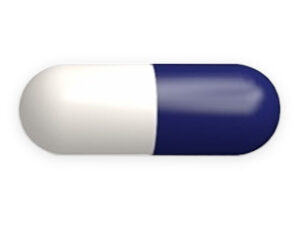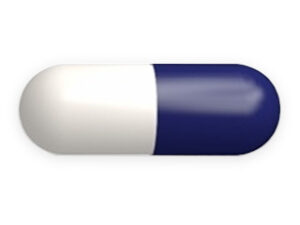


Aciphex (Rabeprazole) – Patient Information (UK)
Aciphex contains rabeprazole, a medicine used to reduce stomach acid. It is commonly prescribed or recommended for conditions such as gastro-oesophageal reflux disease (GORD) and acid-related stomach or duodenal ulcers. This guide explains how Aciphex works, when to take it, what to expect, important safety information, and how it may interact with other medicines. It is written to be patient-friendly and UK-focused.
Quick overview
- Active ingredient: Rabeprazole
- Medicine type: Proton pump inhibitor (PPI)
- Common uses: GORD/heartburn, oesophagitis, stomach/duodenal ulcers, and prevention of ulcer recurrence in certain situations
- How it works: Reduces acid production in the stomach
- Typical dosing frequency: Often once daily (sometimes twice daily depending on the condition)
- Key timing tip: Take before food—commonly before breakfast
What is Aciphex?
Aciphex is a brand of rabeprazole. Rabeprazole belongs to the class of medicines called proton pump inhibitors (PPIs). PPIs block the “proton pump” in the stomach wall, which is responsible for producing acid.
Aciphex is used for both short-term and longer-term management of acid-related conditions, depending on the diagnosis and severity.
How Aciphex works (mechanism of action)
In the stomach, specialised cells make acid using a system known as the proton pump. Rabeprazole works by irreversibly inhibiting this pump.
- As the pump is blocked, the stomach makes less hydrochloric acid.
- With less acid, symptoms such as heartburn and acid reflux may improve.
- Over time, damage from acid (such as inflammation of the oesophagus) can heal.
Important: PPIs work best when taken correctly before meals because acid production rises when food is present.
Pharmacokinetics (how the body handles rabeprazole)
Pharmacokinetics describes how a medicine is absorbed, distributed, metabolised, and eliminated.
| Aspect | What to know (patient-friendly) |
|---|---|
| Absorption | Rabeprazole is absorbed after swallowing. Effects depend on correct timing before food. |
| Onset of action | Many people notice symptom relief within a few days, but healing of inflamed tissue may take longer (often weeks). |
| Peak levels | Blood levels rise after dosing and then gradually decline. |
| Metabolism | Primarily processed by the liver through drug-metabolising pathways. |
| Elimination | Metabolites are removed mainly via urine and bile/faeces. |
Kidney or liver disease may influence dosing for some people; clinicians may adjust treatment based on individual risk and condition.
Typical uses and indications (what Aciphex is for)
Aciphex is used in adults for conditions where reducing stomach acid helps relieve symptoms and promote healing. Depending on the diagnosis, rabeprazole may be used for:
- GORD (gastro-oesophageal reflux disease): including heartburn and reflux-related symptoms
- Reflux oesophagitis: inflammation of the oesophagus due to acid reflux
- Gastric (stomach) and duodenal ulcers
- Prevention of ulcer recurrence in selected patients
- Helicobacter pylori (H. pylori) treatment regimens: rabeprazole may be combined with antibiotics as part of an eradication plan (your healthcare professional will advise the combination and duration)
Note: The exact indication and duration depend on national guidance, local protocols, and the individual’s diagnosis.
When and how to take Aciphex (timing and practical use)
Best timing
For most people, rabeprazole is taken once daily and should be taken before food. A common option is:
- Before breakfast (e.g., 15–30 minutes before eating), unless your clinician or pharmacist advises otherwise.
If you take Aciphex twice daily (for some conditions), the doses are typically taken:
- Before breakfast
- Before the evening meal
How to take it
- Swallow the tablet/capsule whole with water. (Do not crush or chew unless your product guidance specifically allows it.)
- Try to take it at the same time each day.
- If you miss a dose, take it when you remember unless it is close to the next dose. Do not double up.
How long until it works?
- Symptom relief may start within several days.
- Healing of ulcers or inflammation may take weeks.
- If symptoms persist after the recommended course, seek advice for review.
Food interactions
Food does not “block” rabeprazole completely, but timing matters. PPIs are designed to work best when taken before meals, because proton pumps are more active around eating.
- Recommended: take before breakfast (and before evening meals if twice daily).
- Not ideal: taking after meals may reduce effectiveness.
In general, you do not need to avoid specific foods entirely, but lifestyle measures can improve reflux symptoms (see “Practical tips” below).
Alcohol and medicine interactions
Alcohol
Alcohol can worsen reflux and heartburn in many people by relaxing the lower oesophageal sphincter and irritating the stomach lining. Although alcohol does not typically have a direct chemical interaction with rabeprazole, reducing alcohol may improve symptoms.
Potential interactions with other medicines
Rabeprazole can affect the absorption and/or effect of certain drugs because it changes stomach acidity. Always inform your pharmacist or clinician about all medicines you take, including over-the-counter products.
- Medicines affected by stomach pH: Some medicines require acidic conditions for absorption (effect may change when acid is reduced).
- Atazanavir and nelfinavir (HIV medicines): acid changes may reduce their effectiveness. Combination use requires careful professional advice.
- Clopidogrel: PPIs may interact with clopidogrel in some patients. Rabeprazole is sometimes considered more favourable than some other PPIs, but decisions should be individualised.
- Warfarin: PPIs can rarely affect bleeding risk. If you take warfarin, your INR may need monitoring.
- Methotrexate (high-dose): PPIs can affect methotrexate levels. Your clinician may adjust or monitor therapy.
- Digoxin: reduced acid may increase absorption in some cases, potentially raising digoxin levels.
- Oral iron and vitamin B12: long-term acid suppression can reduce absorption for some people.
H. pylori regimens: When rabeprazole is used with antibiotics, the interaction profile also includes the antibiotics involved.
Always check: If you are starting, stopping, or changing dose of any medicine, seek advice on possible interaction risk.
Dosing (typical adult dosing patterns)
Doses vary depending on the condition, severity, and response. Below are common patterns used in clinical practice; your individual regimen may differ.
| Condition (common examples) | Typical adult approach | Notes |
|---|---|---|
| GORD / heartburn | Often once daily | Initial course may be short; review if symptoms persist. |
| Reflux oesophagitis | Once daily or sometimes higher/longer course | Healing may require weeks; clinician may review response. |
| Duodenal ulcer | Once daily | Healing is usually assessed after a treatment period. |
| Gastric ulcer | Once daily | Persistent symptoms may require further evaluation. |
| H. pylori eradication | Rabeprazole combined with antibiotics | Exact doses and duration depend on local eradication protocols. |
Missed dose: If you forget a dose, take it when you remember unless it is close to your next dose. Do not take a double dose.
Stop/review: PPIs are often used for a limited time for acute conditions, but some people require longer-term therapy. Don’t stop suddenly without advice if you have been taking it for an extended period; clinicians may recommend a gradual plan.
Safety profile (who should be careful)
Most people tolerate rabeprazole well. Like all medicines, it can cause side effects, and some people need extra caution.
Common side effects
- Headache
- Abdominal discomfort
- Nausea
- Diarrhoea or constipation
- Flatulence (wind)
Less common but important possible effects
- Skin reactions (rash, itching)
- Changes in blood tests (rare)
- Dizziness (uncommon)
Seek urgent medical advice if you develop
- Allergic reaction (swelling of face/lips, difficulty breathing, severe rash)
- Severe or persistent diarrhoea, especially with fever or blood in the stool
- Unexplained weight loss, difficulty swallowing, vomiting blood, or black/tarry stools
- Persistent vomiting or worsening symptoms
Long-term safety (important for people on prolonged PPIs)
Many people use PPIs for months or longer. If you require long-term treatment, your clinician may review the lowest effective dose and consider periodic reassessment.
Long-term PPI use has been associated with:
- Reduced absorption of certain nutrients (e.g., vitamin B12, iron, calcium) in some people
- Higher risk of certain infections (for example, gut infections) because stomach acid is reduced
- Possible bone fracture risk in high-risk patients with prolonged use (risk depends on age, dose, and other factors)
These risks are generally uncommon, but they’re important to discuss if you have additional risk factors.
Special populations
- Children: dosing varies by indication and age; rabeprazole use in children should follow specialist or product-specific guidance.
- Pregnancy and breastfeeding: discuss with a healthcare professional to weigh benefits and risks.
- Older adults: generally can take PPIs, but review for interactions and long-term risk.
Practical use tips (getting the best results)
- Take it before meals: ideally 15–30 minutes before breakfast (and before dinner if twice daily).
- Be consistent: take daily at the same time.
- Give it time: if symptoms don’t improve immediately, keep taking as directed and reassess after the recommended course.
- Watch reflux triggers: large meals, late-night eating, spicy or fatty foods may worsen symptoms.
- Elevate your head when reflux is worse at night: for some people, raising the head of the bed helps.
- Stop smoking if you smoke: smoking can worsen reflux.
- Consider weight management: if relevant, gradual weight reduction can improve symptoms.
If you are using antacids or alginates for breakthrough symptoms, many people find them helpful between PPI doses—however, ask your pharmacist about how to schedule them safely.
Alternative options
If Aciphex is not suitable, symptoms persist, or side effects occur, healthcare professionals may consider other acid-reducing options.
Other PPIs
- Omeprazole
- Esomeprazole
- Lansoprazole
- Pantoprazole
H2-receptor antagonists
- Famotidine (where available)
- Other H2 blockers may be used for milder symptoms or as step-down therapy in some patients.
Antacids and alginates
- Antacids can relieve symptoms quickly for short periods.
- Alginate-based products form a barrier to help reduce reflux episodes (often used “as needed”).
Your best alternative depends on your diagnosis, severity, response history, and medicine interactions.
Market and legal context in the United Kingdom
In the UK, medicines are regulated by the Medicines and Healthcare products Regulatory Agency (MHRA) and made available according to their product classification. Access pathways may vary depending on whether the medicine is supplied via standard pharmacy routes, clinician-led assessment, or specific category.
For acid-related conditions, PPIs are widely used. UK guidance commonly emphasises:
- Using the lowest effective dose
- Reviewing long-term therapy periodically
- Evaluating “alarm features” (such as weight loss, vomiting blood, swallowing difficulty, anaemia) before continuing simple acid suppression
Recent guidance trends (UK): Ongoing clinical practice focuses on rational PPI use, structured step-down approaches where appropriate, and careful review of long-term users—particularly older adults and those on interacting medicines.
Delivery and availability (UK)
Availability varies by supplier and local stock. Typically, Aciphex may be offered in standard strengths and pack sizes suitable for community use.
- Home delivery: Many UK pharmacies provide courier delivery options (typically tracked).
- Dispatch times: Often within 24–48 hours depending on stock and payment confirmation.
- Cold-chain: Not usually required for rabeprazole products.
- Check packaging: Ensure the expiry date is clear and the seal is intact when received.
If delivery timing is important (e.g., you are about to run out), contact customer support before ordering to confirm lead times.
FAQ (frequently asked questions)
1) Can I take Aciphex with food?
It works best when taken before food. If you take it after eating, the effect may be reduced. If you struggle with morning routines, speak to a pharmacist for advice on the safest schedule for your day.
2) How quickly should I feel better?
Many people notice improvement within a few days, but healing—especially for ulcers or reflux oesophagitis—can take longer. If there is no improvement after the recommended period, seek advice for review.
3) What if I forget a dose?
Take it as soon as you remember unless it is close to your next dose. Do not take a double dose to make up for a missed tablet.
4) Is it safe to take Aciphex long-term?
Some people need longer courses. Long-term use should be regularly reviewed. If you need it for months or longer, discuss benefits and risks, including nutrient absorption and infection risk, with your pharmacist or clinician.
5) Can I drink alcohol while taking rabeprazole?
You can usually drink alcohol, but it may worsen reflux symptoms. If you notice that alcohol triggers heartburn, reducing or avoiding it may help.
6) Are there any warning signs I should watch for?
Yes. Get urgent medical advice if you have difficulty swallowing, unexplained weight loss, vomiting blood, black/tarry stools, severe or persistent diarrhoea, or signs of allergy.
7) Does Aciphex interact with other medicines?
It may interact with medicines that depend on stomach acidity for absorption or are affected by liver metabolism. Common areas of concern include warfarin, clopidogrel, some HIV medicines, and certain cancer medicines. Always check with a pharmacist if you take other medicines.
8) Can I take antacids with Aciphex?
Many people use antacids or alginate products for breakthrough symptoms. They can be taken alongside a PPI, but scheduling matters. Ask your pharmacist if you’re unsure.
9) Who should not take rabeprazole?
People with a known allergy to rabeprazole or any ingredients should not take it. Extra caution is needed for complex medical situations (e.g., significant liver disease, certain interactions). If you have concerns, ask a pharmacist.
10) What are the alternatives if Aciphex doesn’t work?
Alternatives include other PPIs or H2 blockers, and symptom-relief options like alginates or antacids. If symptoms persist, it may indicate a different diagnosis that requires assessment.
Summary
Aciphex (rabeprazole) is a proton pump inhibitor that reduces stomach acid, helping relieve symptoms and heal acid-related conditions such as GORD, reflux oesophagitis, and ulcers. For best results, take it before meals—often before breakfast. While most people tolerate it well, be aware of potential side effects, interactions with other medicines, and warning symptoms that require urgent review. If you are using PPIs long-term, periodic assessment and lifestyle measures can support safer, more effective care.