
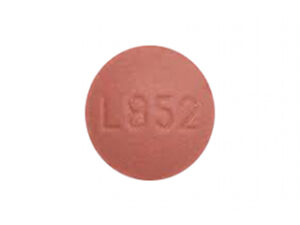
Ranexa (Ranolazine) – Patient-Friendly Guide
Ranexa contains ranolazine, a medicine used to help control symptoms of chronic (long-term) angina—chest pain caused by reduced blood flow to the heart. This guide explains how Ranexa works, how it’s usually taken in the UK, important safety information, and practical tips for day-to-day use.
Always read the patient information leaflet (PIL) provided with your medicine. If you have questions about your treatment, contact a healthcare professional.
Quick Overview
- Medicine: Ranexa (ranolazine)
- Common use: Long-term control of symptoms of angina
- How it works: Improves heart cell electrical and energy efficiency, helping reduce chest pain
- Typical dosing frequency: Usually twice daily (depending on tablet strength)
- Key considerations: Drug interactions (especially with certain heart/antibiotic/antifungal medicines), QT interval effects, and liver/kidney factors
- UK availability: Supplied through pharmacies under UK medicines regulation
Basic Product Information
| Feature | Information |
|---|---|
| Generic name | Ranolazine |
| Brand name | Ranexa |
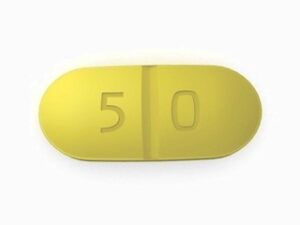
| Medicinal form | Usually extended-release tablets (for twice-daily dosing) |
| Therapeutic area | Cardiovascular medicine for angina symptom control |
| Typical dosing schedule | Twice daily dosing is common; strength and regimen vary |
| Common side effect themes | Dizziness, headache, constipation, nausea; potential for rhythm/QT effects |
What is Angina, and What is Ranexa Used For?
Angina refers to chest pain or discomfort that occurs when part of the heart muscle doesn’t get enough oxygen. This can happen with physical exertion or stress, and it typically follows a predictable pattern.
Ranexa is used to help reduce the frequency of angina attacks and improve exercise tolerance in people with chronic stable angina, particularly when symptoms are not fully controlled with other treatments.
Important: Ranexa is intended for ongoing symptom control. It is not usually a “quick relief” medicine for sudden chest pain during an attack. Your emergency plan for acute attacks (for example, using a fast-acting nitrate if prescribed) should be followed as advised by your healthcare team.
How Ranexa Works (Mechanism of Action)
Ranolazine works mainly by affecting how heart cells handle electrical signals and energy use.
- Inhibits late sodium current (INa) in heart cells. During certain conditions, a “late” flow of sodium can contribute to electrical instability.
- Helps normalise calcium handling indirectly, which can improve the balance of electrical activity.
- May improve efficiency of energy usage in the heart muscle, which can make the heart more resilient to reduced blood supply.
The overall result is less tendency for angina-related chest pain and potentially improved performance during activity.
Pharmacokinetics (How the Body Handles Ranexa)
Pharmacokinetics describes how the body absorbs, distributes, metabolises, and clears a medicine.
- Absorption: Ranexa is absorbed from the gut. Because it is typically an extended-release tablet, it releases medicine gradually.
- Peak levels: Blood levels rise gradually and reach peak concentrations after dosing (timing varies by formulation and individual factors).
- Distribution: Ranolazine is distributed throughout the body and binds to blood proteins.
- Metabolism: It is metabolised mainly in the liver (involving CYP enzymes, particularly CYP3A). This is why interactions with certain medicines can be important.
- Elimination: The medicine and its metabolites are cleared mostly through the kidneys and bile. The timing of clearance can be slower in certain conditions.
Why this matters: If a medicine affects CYP3A (for example, some antibiotics/antifungals or certain heart medicines), it can increase or decrease ranolazine levels—raising side-effect risk or reducing effectiveness.
Typical Use and When You May Notice Effects
Ranexa is taken to help prevent or reduce angina symptoms over time. People often notice improvements gradually rather than immediately after the first dose.
- Goal of treatment: Fewer episodes of chest pain and less need for short-acting symptom relief
- How it feels: Many patients describe improved tolerance for everyday activities
- Adjustment period: Doses may be increased gradually depending on symptom control, tolerability, and other factors (such as ECG/QT monitoring or other medicines)
Timing: How to Take Ranexa
Follow your prescribed dosing schedule. If you are not sure about your specific regimen, check your label or speak to your pharmacist.
General advice
- Usually twice daily: Many people take Ranexa in the morning and evening at roughly the same times each day.
- Swallow whole: Extended-release tablets should typically be swallowed whole and not crushed or split unless your clinician specifically instructs otherwise.
- Consistency helps: Try to take doses regularly to keep blood levels steady.
If you miss a dose
- Take it as soon as you remember unless it is close to the next dose.
- If it’s nearly time for the next dose, skip the missed one.
- Do not take a double dose to make up for the missed tablet.
Food Interactions and What to Eat
Food can influence how much ranolazine is absorbed. In general, Ranexa can be taken with or without food, but routine consistency is helpful.
- Try to take it the same way each day (for example, always with food or always on an empty stomach) unless your healthcare team advised otherwise.
- Grapefruit and grapefruit juice: These may affect metabolism of certain medicines and can increase ranolazine exposure. It’s often recommended to avoid grapefruit products unless your clinician says it is safe.
If you’ve been told to follow a specific eating routine, follow that advice.
Alcohol and Medicine Interactions
Alcohol
Alcohol is not usually listed as a direct “contraindication” for ranolazine, but it can worsen side effects such as dizziness, light-headedness, or nausea. Alcohol can also affect heart rhythm indirectly in some people.
- Practical tip: If you choose to drink, do so cautiously and consider avoiding alcohol until you know how Ranexa affects you.
- Seek advice: If you experience palpitations, faintness, or severe dizziness after alcohol, get medical advice promptly.
Medicine interactions (very important)
Ranolazine can interact with several medicines, especially those that influence the liver enzymes that metabolise it.
Common categories to discuss with a pharmacist/doctor:
- Strong CYP3A inhibitors (may increase ranolazine levels):
- Certain antibiotics (for example, clarithromycin)
- Some antifungals (for example, ketoconazole, itraconazole)
- HIV medicines in certain regimens
- Some heart medicines such as diltiazem or verapamil (depending on dose and circumstances)
- Other medicines that can affect heart rhythm/QT:
- Some antiarrhythmics
- Some antidepressants
- Some antipsychotics
- Some antibiotics/antifungals known to affect QT
- Medicines that may change blood pressure or cause dizziness:
- Other anti-anginal medicines
- Some antihypertensives
- Medicines that affect heart rate:
- Beta-blockers or other rate-controlling drugs may be combined under supervision for angina management
- Medications that affect CYP3A in either direction (inhibitors or inducers) may require monitoring.
What to do: Before starting Ranexa, and whenever you start or stop another medicine, tell your healthcare team what you take (including OTC medicines and herbal products). This helps prevent unsafe interactions.
Indications in the UK (Who Ranexa is for)
Ranexa is used for symptomatic treatment of chronic stable angina. In practice, it is commonly considered when symptoms persist despite standard therapy, or as part of a combination strategy to reduce angina episodes.
- Chronic stable angina – long-term, predictable chest pain/discomfort associated with exertion
- Adjunct therapy – may be used alongside other anti-anginal medicines such as beta-blockers, calcium channel blockers, or nitrates, depending on your overall condition and tolerance
Local prescribing decisions in the UK are influenced by clinical guidance, patient characteristics, and medicine availability.
Dosing: What is the Usual Range?
Dosing can vary based on your age, kidney function, liver function, ECG/QT assessment, and use of interacting medicines. A clinician may start at a lower dose and increase gradually.
- Typical approach: Start with a lower dose, then adjust based on symptom control and side effects.
- Maximum dose: There is a defined maximum daily dose for ranolazine; your prescriber will guide you.
- Tablet strength: Ranexa tablets come in different strengths (the exact options available can vary). Your label will show your specific tablet strength.
Do not change your dose on your own. If you feel side effects are too strong or your angina isn’t controlled, contact your healthcare professional—dose adjustment may be possible.
Monitoring that may be used
- ECG (electrocardiogram): Ranolazine can affect the QT interval in some people; ECG monitoring may be recommended, particularly if you have risk factors.
- Kidney/liver function tests: These may guide whether Ranexa dose should be reduced or avoided.
- Electrolytes: Low potassium or magnesium can increase risk of rhythm disturbances in general; correction may be needed.
Safety Profile: Side Effects and When to Get Help
Like all medicines, Ranexa can cause side effects. Many are mild and improve as your body adjusts, but some require urgent attention.
Common or relatively frequent side effects
- Dizziness
- Headache
- Constipation
- Nausea
Less common but important risks
- Changes to heart rhythm (QT prolongation): This can increase risk of an abnormal heartbeat in susceptible individuals—particularly with interacting medicines or low electrolytes.
- Fainting or near-fainting in rare cases
- Severe dizziness or palpitations
Seek urgent medical help if
- You experience fainting
- You develop severe dizziness, palpitations, or rapid/irregular heartbeat
- You have new or worsening chest pain that does not follow your usual pattern (follow your emergency action plan)
Special caution groups
Extra caution may be needed if you have:
- Liver impairment
- Kidney impairment
- Known QT prolongation or a history of certain rhythm problems
- Use of medicines that increase ranolazine levels or affect QT
Practical Use Tips for Everyday Life
- Take it at consistent times: Morning and evening routines help reduce missed doses.
- Keep a medication list: Include all prescriptions, OTC medicines, and supplements. This is useful for interaction checks.
- Be careful with “new starts”: Before starting antifungal antibiotics or cold/flu medicines, ask a pharmacist if anything could interact.
- Stay alert to dizziness: If you feel light-headed, avoid driving or operating machinery until you know how Ranexa affects you.
- Report ongoing side effects: If constipation, nausea, or headaches persist, you may be able to manage them with lifestyle measures or supportive treatments.
- Follow your angina action plan: Keep your fast-acting rescue treatment (if prescribed) available and follow your healthcare plan for acute symptoms.
Alternative Options for Angina Control
Depending on your history and current medications, other options may be considered. Alternatives can include:
- Beta-blockers (reduce heart rate and oxygen demand)
- Calcium channel blockers (help relax blood vessels and reduce angina)
- Long-acting nitrates (improve blood flow; may help prevent attacks)
- Short-acting nitrates for acute relief (as part of your personalised plan)
- Revascularisation strategies (e.g., angioplasty or bypass) in selected cases, depending on the cause and severity
- Lifestyle and risk management: smoking cessation, exercise/rehab plans, blood pressure and cholesterol control, and diabetes care where relevant
Note: The “best” alternative depends on your heart condition, blood pressure/heart rate, ECG findings, kidney/liver function, and other medicines you use. A clinician can advise what fits your circumstances.
Market/Legal Context for the UK
In the United Kingdom, medicines such as Ranexa are regulated and supplied under the national framework overseen by medicines authorities and relevant healthcare guidance. Availability, prescribing, and supply can be influenced by:
- Regulatory status and licensing
- National Institute for Health and Care Excellence (NICE) guidance or local commissioning decisions
- Specialist versus general prescribing routes depending on clinical pathways
- Medicines supply and pharmacy stock
Recent guidance and practice: Clinical practice for stable angina emphasises a personalised, stepwise approach—optimising anti-anginal therapy and addressing cardiovascular risk factors. Ranexa is generally considered for symptom control in appropriate patients, with attention to ECG monitoring and drug interaction risks. For the latest information relevant to your situation, consult current UK guidance or your healthcare provider.
Delivery and Availability (UK)
Ranexa availability can vary by pharmacy stock and tablet strength. In the UK, online pharmacies typically:
- Offer home delivery for eligible medicines where allowed.
- Use licensed supply chains and maintain pharmacy procedures for safe dispensing.
- Provide updates if a product is temporarily out of stock.
Delivery times: These vary by supplier, location, and courier service. If your ordered strength is not immediately available, the pharmacy may offer an alternative strength (if clinically appropriate) or a re-order timeframe after checking with you.
Packaging: Medicines should be delivered in appropriate packaging to protect tablets and maintain patient safety.
FAQ
1) What is Ranexa used for?
Ranexa (ranolazine) is used to help reduce symptoms of chronic stable angina in the long term. It may help lower the frequency of chest pain episodes and improve activity tolerance.
2) Does Ranexa work immediately?
Many people notice benefits over time. Ranexa is intended for ongoing prevention of angina symptoms rather than instant relief during an acute attack.
3) Can I take Ranexa with food?
Usually yes. If you take it with food, try to keep this consistent day-to-day. Ask your pharmacist if you have specific dietary instructions.
4) Can I drink alcohol while taking Ranexa?
It’s best to be cautious. Alcohol may increase dizziness or worsen how you feel. If you drink, do so in moderation and stop if you experience problematic symptoms. Seek advice if you’re unsure.
5) What medicines commonly interact with Ranexa?
Interactions can occur with medicines that affect liver metabolism (especially CYP3A inhibitors) and with medicines that influence heart rhythm/QT. Always tell your pharmacist about all medicines you take, including OTC products and supplements.
6) Why is ECG/QT monitoring sometimes mentioned?
Ranolazine can influence the heart’s electrical pattern and may prolong the QT interval in some individuals. Monitoring can help reduce risk, especially if you have heart rhythm risk factors or take interacting medicines.
7) What should I do if I miss a dose?
Take it when you remember unless it’s close to the next dose. Skip the missed dose if near the next one. Do not take a double dose.
8) Who should take extra care with Ranexa?
Extra care may be needed for people with liver impairment, kidney impairment, a history of QT prolongation, or those taking medicines that interact with ranolazine. Your prescriber will decide the safest dose and monitoring plan.
9) Are there lifestyle changes that can help angina?
Yes. Alongside medication, many people benefit from risk-factor management—such as stopping smoking, controlling cholesterol and blood pressure, eating heart-healthy foods, staying active within safe limits, and attending cardiac rehabilitation when available.
10) What should I do if my chest pain changes or gets worse?
If your chest pain is new, significantly worse, or doesn’t respond as usual, follow your healthcare team’s action plan and seek urgent medical attention. Do not rely on Ranexa to treat sudden attacks.
Further information: This page is designed to provide general patient-friendly information about Ranexa. Your clinician’s advice and the product’s patient information leaflet take priority for dosing, suitability, and safety in your specific case.