

Antabuse (Disulfiram) – Patient Information (UK)
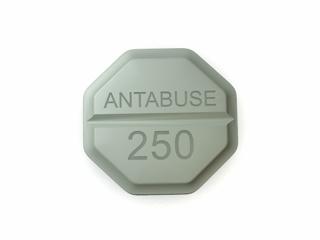
Antabuse contains disulfiram, a medicine used to help people who wish to stop drinking alcohol and to support treatment for alcohol dependence. It works by causing unpleasant reactions when alcohol is consumed, discouraging drinking and helping reinforce agreed drinking goals.
This page provides clear, patient-friendly information about how Antabuse works, how it’s taken, important food and medicine interactions, safety considerations, and what to expect in the UK.
Quick product overview
| Item | Details |
|---|---|
| Brand name | Antabuse |
| Generic name | Disulfiram |
| How it is used | To support abstinence from alcohol in people with alcohol dependence, as part of a wider plan |
| Common form | Oral tablets |
| Key effect | Causes unpleasant reactions if alcohol is taken (including in some foods/medicines) |
| Important note | Disulfiram can remain in the body for some time, and reactions may occur if alcohol is used after stopping |
What is Antabuse (disulfiram)?
Antabuse (disulfiram) is an alcohol-sensitising medicine. When disulfiram is present in the body, it interferes with the normal breakdown of alcohol. If alcohol is consumed, the body cannot clear acetaldehyde effectively, leading to a range of uncomfortable and sometimes dangerous symptoms.
Because of this, Antabuse is best viewed as a support tool—it is usually used alongside counselling, psychological support, and ongoing medical review.
How Antabuse works (mechanism of action)
Alcohol is primarily broken down by liver enzymes. A key pathway involves:
- Alcohol → acetaldehyde (via alcohol dehydrogenase)
- Acetaldehyde → acetate (via aldehyde dehydrogenase, especially the enzyme ALDH)
Disulfiram blocks aldehyde dehydrogenase. As a result, if alcohol is taken, acetaldehyde builds up in the bloodstream. Acetaldehyde accumulation is responsible for the classic Antabuse-type reaction, which can include flushing, nausea, vomiting, headache, palpitations, and low blood pressure.
This reaction is intended to act as a strong deterrent to drinking alcohol while the medicine is being taken.
Pharmacokinetics: how the body processes disulfiram
Understanding timing can help you use Antabuse safely. While individual responses vary, the following general points are commonly reported:
- Absorption: Disulfiram is absorbed after oral dosing, reaching therapeutic effects as the body metabolises it.
- Metabolism: Disulfiram is metabolised to compounds including active metabolites that contribute to its alcohol-deterring effects.
- Onset: Some people feel the effect within about a day after starting, but reliable deterrence may require several days depending on dose and individual metabolism.
- Duration: Disulfiram can persist in the body for a significant period after stopping. This means reactions may still occur if alcohol is consumed shortly after discontinuation.
Practical takeaway: You should avoid alcohol strictly during treatment and for a period after the last dose. Ask your clinician or pharmacist for specific advice about how long to avoid alcohol in your situation.
Typical use in the UK
In the UK, Antabuse (disulfiram) is used to support:
- Alcohol dependence where the person aims for abstinence
- Discouragement of alcohol relapse through a deterrent effect
- Structured treatment plans that may include counselling or support services
Antabuse is not a “cure” on its own. It is most effective when combined with a clear plan, behavioural support, and follow-up.
When to take Antabuse and timing
Exact dosing and timing should follow the instructions provided with your medicine and any personalised advice you receive. However, typical practical timing includes:
- Consistent daily dosing: Antabuse is often taken once daily.
- Alcohol avoidance before starting: It’s important to avoid alcohol around the time treatment starts.
- Wait time after starting: Allow time for disulfiram to reach effective levels. Avoid alcohol completely and treat the “first days” as a high-risk period.
- If you miss a dose: Do not “catch up” without advice. Because disulfiram effects may wane and because alcohol reactions can still occur depending on timing, the safest approach is to remain alcohol-free and ask for guidance.
After stopping: Do not assume it’s safe to drink immediately after discontinuation. Due to prolonged effects, you should continue to avoid alcohol for a period after your last dose. Seek advice on the specific timeframe for you.
Alcohol interactions: what happens if you drink?
If alcohol is consumed while on Antabuse, symptoms can begin within hours. Reactions can be mild but may be severe.
Common symptoms may include:
- Flushing (face/neck)
- Headache
- Nausea and vomiting
- Throbbing headache
- Dizziness
- Palpitations / rapid heartbeat
- Low blood pressure (sometimes leading to fainting)
- Shortness of breath
Possible severe complications include cardiovascular problems and collapse. Severe reactions may require emergency medical attention.
If an alcohol reaction occurs: seek urgent medical help, especially if there is chest pain, severe shortness of breath, fainting, confusion, or persistent vomiting.
Food and drink interactions (including hidden alcohol)
Alcohol isn’t only found in beverages. Disulfiram reactions can be triggered by alcohol in some foods and products. While the risk varies by formulation and amount, it’s safest to avoid anything that contains alcohol or alcohol-derived ingredients.
Be cautious with
- Cooking with wine/spirits (including some sauces and marinades)
- Alcohol-based desserts (e.g., some puddings, liqueurs)
- Fermented products with added alcohol content
- Alcohol-containing mouth products (e.g., some mouthwashes)
- Aftershaves/perfumes on skin are less likely to trigger a systemic reaction, but avoid accidental ingestion
Read labels carefully
Check ingredient lists for terms such as:
- ethanol
- alcohol
- spirit
- brew / distilled products
- liqueur
- tincture
Important: If you’re unsure whether a specific product may contain alcohol, ask your pharmacist.
Medicine interactions: alcohol-containing medicines and key drugs
Many medicines can contain alcohol in their formulation (for example, some liquid preparations, tinctures, and certain cough syrups). Disulfiram may react with alcohol present in these products.
Always check with a pharmacist before using:
- Alcohol-based cough/cold syrups or liquid medicines
- Some sedating preparations where alcohol is used as a solvent
- Tinctures and alcohol-based herbal products
Other interactions to discuss
Disulfiram can interact with various medicines and may increase side effects in some people. Tell your pharmacist or clinician if you use:
- Anticoagulants (blood thinners)
- Some antidepressants and psychiatric medicines
- Medicines that can affect the liver
- Medicines that influence heart rhythm
- Drugs with potential neurological effects
Do not start or stop medicines without advice. If you need a new medicine, provide your current medication list and mention that you take Antabuse.
Indications: when Antabuse may be used
Antabuse is indicated for the treatment of alcohol dependence in people who aim to maintain abstinence. It is often considered when:
- There is a strong intention to stop drinking
- A deterrent effect may help prevent relapse
- It can be integrated into a broader support plan
It may not be suitable for everyone. Your clinician will consider medical history, liver function, risk factors, and the likelihood of alcohol exposure (including hidden sources).
Dosing: typical approach
Dosing varies depending on individual circumstances, response, and tolerability. Always follow the dosage instructions on the label or those provided by your healthcare team.
Typical regimen (general guidance):
- Often started at a dose that allows safe establishment of the deterrent effect.
- Maintenance dosing may be adjusted based on response and side effects.
Do not alter dose: Taking more than advised increases the chance of side effects. Taking less may reduce effectiveness. If you believe the dose is too high or too low, speak to your pharmacist or clinician for guidance.
Special caution: Some patients with liver impairment, older age, or complex medication regimens may require additional monitoring or may be advised not to use disulfiram. This decision should be made by a clinician.
Safety profile and side effects
Like all medicines, Antabuse can cause side effects. Many are manageable, but some require urgent medical attention.
Common or expected side effects
- Headache
- Fatigue or sleepiness
- Metallic or unpleasant taste
- Reduced appetite
- Nausea
- Skin reactions (in some people)
Less common but important risks
- Liver problems: disulfiram may affect liver function in some individuals. Symptoms can include yellowing of the eyes/skin (jaundice), dark urine, severe tiredness, or upper abdominal pain.
- Nerve-related effects: tingling, numbness, or weakness (neuropathy) may occur in some people.
- Mental health changes: mood changes, confusion, or other psychiatric effects can occur.
- Heart and blood pressure changes: particularly relevant if alcohol is consumed (which may cause low blood pressure and palpitations).
Seek urgent help if
- You have symptoms of a severe alcohol reaction (fainting, chest pain, severe breathlessness, persistent vomiting)
- You develop signs of liver injury (jaundice, severe fatigue, dark urine)
- You have severe allergic reactions (swelling of face/lips, difficulty breathing, widespread rash)
Practical tips for safer use
- Make alcohol avoidance a rule: Even small amounts can trigger reactions. Avoid beer, wine, spirits, and alcohol-based products.
- Check labels and ask: If you’re unsure about any food or medicine, consult a pharmacist.
- Inform others: Tell family members, friends, or carers that you take disulfiram so they can help you avoid accidental alcohol.
- Keep a medicine record: Carry a list of your medicines and mention disulfiram to healthcare providers.
- Plan ahead for social situations: Choose non-alcoholic options. Watch for alcohol in desserts, sauces, and “special” drinks.
- Stay hydrated and monitor symptoms: If you experience nausea, dizziness, or new symptoms, contact a healthcare professional.
- Do not take “tastings”: Even tasting alcohol-containing products can potentially trigger a reaction.
- Driving and machinery: If you feel drowsy or dizzy, avoid driving and using tools or machinery.
Alternative options for alcohol dependence (UK context)
There are several other approaches that may be considered depending on your personal situation. Options may include:
- Psychological support and counselling (e.g., talking therapies, structured programmes)
- Other alcohol dependence medicines (choice depends on health status and suitability)
- Support from specialist services such as community alcohol teams and recovery programmes
Your healthcare team can help discuss what may work best for you. Some people prefer medicines with different mechanisms or different side-effect profiles.
UK market and legal considerations (patient-friendly overview)
In the UK, alcohol dependence medicines are used within an established framework of clinical guidance and prescribing practices. Availability can vary by product type, clinical pathway, and local service arrangements. Your pharmacy can explain what’s currently available and what documents may be needed to dispense safely.
Regulatory and safety priorities in the UK include:
- Ensuring medicines are supplied according to applicable UK rules
- Providing appropriate information about alcohol interactions and safety
- Encouraging monitoring for side effects, especially liver-related issues
Recent guidance and updates: Recommendations around alcohol dependence treatment can evolve. In the UK, clinical practice is influenced by national guidance and updates from specialist bodies. If you are using Antabuse, it’s wise to confirm the latest advice with your clinician or pharmacist, particularly regarding monitoring and switching or stopping treatment.
Delivery and availability
Online pharmacies in the UK may offer delivery for medicines where allowed by law and where appropriate supply arrangements are in place. Availability may vary depending on stock levels and the specific product format (e.g., tablet strengths).
- Ordering: You can typically place an order via a secure online checkout.
- Dispatch: Orders are usually dispatched within working days where stock is available.
- Delivery times: Delivery times vary by courier and location; estimated delivery windows are commonly provided at checkout.
- Temperature and packaging: Standard tablet packaging is typically used; always store tablets as directed on the pack.
Storage: Keep tablets in the original container, protect from moisture, and store at room temperature unless stated otherwise on the packaging. Keep out of reach of children.
FAQ
Can I drink alcohol at all while taking Antabuse?
No. Antabuse is designed to make alcohol consumption unpleasant and sometimes dangerous. Avoid alcohol completely, including hidden alcohol in foods and medicines. If you are unsure about a product, ask your pharmacist.
How soon does Antabuse start working?
Effects may begin within about a day for some people, but reliable deterrence generally requires a short period after starting and depends on individual metabolism. During initiation, you should treat the first days as a high-risk period and avoid alcohol completely.
What if I accidentally take alcohol or an alcohol-containing medicine?
If you experience symptoms of an Antabuse reaction (such as flushing, nausea, vomiting, dizziness, palpitations), seek medical advice promptly. For severe symptoms (fainting, chest pain, severe shortness of breath), contact emergency services.
How long after stopping Antabuse should I avoid alcohol?
Because disulfiram and its effects can persist, you should continue avoiding alcohol after stopping for a period. The exact timeframe should be confirmed with your pharmacist or clinician based on your dose, duration of use, and health status.
Does Antabuse react with non-alcoholic beer or “0.0%” drinks?
Many non-alcoholic products contain very small amounts of alcohol. While the risk may be lower, it’s not possible to guarantee safety for all products. If you want to be completely cautious, choose products labelled alcohol-free where applicable and confirm with a pharmacist.
Are there foods that commonly contain alcohol?
Yes. Watch for alcohol-containing sauces, marinades, desserts, and liqueur-flavoured products. Also check ingredient lists for ethanol or alcohol-derived ingredients.
Can I use mouthwash with alcohol?
Some mouthwashes contain alcohol. To reduce risk, consider alcohol-free alternatives and consult a pharmacist if unsure.
What should I do if I miss a dose?
Do not double up. Because alcohol deterrent effects can vary, the safest approach is to remain fully alcohol-free and ask a pharmacist or clinician for guidance about what to do next.
Who should take extra care with Antabuse?
People with liver disease, those taking medicines that may affect the liver or interact with disulfiram, and individuals with neurologic or psychiatric conditions may require extra monitoring or may be advised against use. Always discuss your medical history with your pharmacist or clinician.
What monitoring might be needed?
Clinicians may monitor liver function and watch for side effects, especially during the first weeks and when dose changes occur. Follow the monitoring plan provided to you.
What are safer next steps if I’m trying to stop drinking?
Antabuse can be part of a plan, but support is crucial. Consider speaking to a healthcare professional or local alcohol support service about the most appropriate combination of treatment, follow-up, and coping strategies.
Important final reminder
Antabuse (disulfiram) requires strict avoidance of alcohol. Always check foods, drinks, and medicines for alcohol content and seek advice if you are unsure. If you experience severe symptoms or symptoms of an alcohol reaction, get urgent medical help.