

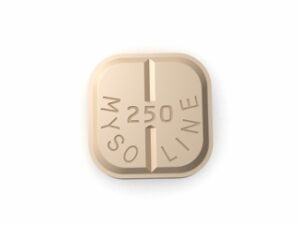
Mirapex (Pramipexole) – Patient-Friendly Guide (UK)
Mirapex contains pramipexole, a medicine used to treat certain movement disorders. This guide explains what Mirapex does, how it works, how it’s typically taken, key safety information, and practical advice to help you use it confidently.
If you’re unsure about your dosing schedule or have any questions, speak to your healthcare professional or pharmacist. This page is for general information and does not replace individual medical advice.
1. Basic product information
| Item | Details |
|---|---|
| Medicine name | Mirapex |
| Active ingredient | Pramipexole |
| Medicine type | Dopamine receptor agonist (a “dopamine-mimicking” medicine) |
| Common forms | Tablets in different strengths (exact strengths may vary by product presentation) |
| How it is taken | By mouth |
| Typical effect | Helps improve movement symptoms and/or reduce restlessness |
2. What is pramipexole and how does it work?
Pramipexole works by stimulating dopamine receptors in the brain. In Parkinson’s disease and some other conditions, dopamine pathways become less active or disrupted. By activating dopamine receptors, pramipexole can help improve symptoms related to movement and coordination.
In simple terms, it acts like a dopamine “switch” to help reduce slowness, stiffness, and tremor (Parkinson’s) or ease the urge to move and discomfort (restless legs syndrome, depending on your treatment plan).
3. Indications: what Mirapex is used for
Mirapex (pramipexole) is used for:
- Parkinson’s disease (to treat symptoms such as stiffness, slowness, tremor, and difficulty with movement).
- Restless legs syndrome (RLS) in adults, particularly when symptoms significantly affect sleep and quality of life.
Your prescriber may choose pramipexole alone or together with other medicines, depending on your condition and response.
4. Pharmacokinetics: how the body handles pramipexole
“Pharmacokinetics” describes what the body does to a medicine—how it is absorbed, distributed, metabolised, and eliminated. While individual responses vary, the main points for pramipexole are:
- Absorption: Pramipexole is absorbed after taking by mouth. Food can affect the rate of absorption, though overall exposure is usually less dramatically changed.
- Distribution: It reaches the brain and spinal pathways to exert its effects.
- Metabolism: Pramipexole is not extensively metabolised (a large portion is unchanged).
- Elimination: It is mainly cleared via the kidneys. This means kidney function can affect how much medicine remains in your body.
Because pramipexole is cleared through the kidneys, dose adjustment may be needed for people with reduced renal function. Your healthcare professional will advise what’s right for you.
5. Typical dosing and timing (general guidance)
Dosing is individual. Your clinician will start you at a lower dose and may increase it gradually to improve symptom control and reduce side effects. Always follow your own prescription instructions and the dosing schedule on your medicine label.
Starting dose and titration
- Titration (gradual increase): Many people are started on a low dose and increased every few days or weeks, depending on tolerance and symptom response.
- Why titration matters: This helps reduce side effects such as nausea, dizziness, sleepiness, and low blood pressure.
When to take Mirapex
- Often taken once or more daily depending on your specific regimen.
- For conditions where symptoms worsen at certain times (e.g., evening/night for RLS), timing may be selected to match when symptoms occur.
- If you feel drowsy, your prescriber may advise taking doses earlier or adjusting the schedule.
If you miss a dose
- Take your missed dose as soon as you remember, unless it’s close to the next dose.
- If it’s almost time for the next dose, skip the missed dose.
- Do not take a double dose to make up for a missed one.
If you are unsure, ask your pharmacist for advice tailored to your dosing schedule.
6. Taking Mirapex with food: food interactions
Food may affect how quickly pramipexole is absorbed. As a general approach:
- If your prescriber/pharmacist advised a particular schedule, keep it consistent.
- Taking pramipexole with food may reduce stomach upset for some people.
- If you notice dose-related side effects (e.g., nausea or dizziness) changing when you take it with meals, discuss this with your healthcare team.
There is no need for a strict fasting approach for most people, but maintaining a regular routine can help with symptom control and tolerability.
7. Alcohol interactions
Alcohol can worsen side effects associated with pramipexole, particularly:
- Drowsiness and slowed reaction time
- Dizziness and falls risk
- Impaired judgement
For safety, it’s usually best to limit or avoid alcohol and monitor how you feel after taking your dose. If you plan to drink, talk to your pharmacist or prescriber about how much is safe for you.
8. Medicine interactions: what to watch for
Pramipexole can interact with other medicines by increasing side effects or affecting effectiveness. Always tell your pharmacist about all medicines you take, including herbal products and over-the-counter remedies.
Key interaction categories
- Medicines that cause sleepiness (e.g., some sleeping tablets, sedating antihistamines, some opioid pain medicines): may increase drowsiness and dizziness.
- Medicines affecting blood pressure: pramipexole can sometimes cause low blood pressure, especially when standing. Combining with blood pressure-lowering medicines may increase the chance of light-headedness or falls.
- Other dopamine-related medicines: when combined, the overall “dopamine effect” may increase certain side effects. Your prescriber may adjust doses accordingly.
- Antipsychotics or medicines that block dopamine receptors: may reduce the effect of pramipexole or worsen symptom control. Discuss any psychiatric medicines with your clinician.
Smoking and caffeine
There are no major standard interactions between pramipexole and caffeine commonly highlighted in patient advice, but individual tolerance varies. Smoking status may be relevant for overall health management. Keep your routine steady and ask your pharmacist if you’re starting or stopping any substances.
9. Safety profile: common and important side effects
Like all medicines, Mirapex can cause side effects. Many people experience mild or temporary effects when starting or increasing the dose. However, some effects require urgent attention.
Common side effects
- Nausea or indigestion
- Dizziness or light-headedness
- Sleepiness or tiredness
- Fatigue
- Headache
- Constipation or stomach discomfort
- Swelling of feet/ankles (fluid retention may occur)
Less common but important risks
- Falls, fainting, or low blood pressure: take care when standing up, especially when starting treatment or after dose increases.
- Sudden sleep onset (rare, but reported): some people may feel unexpectedly drowsy. If this happens, driving and hazardous tasks should be avoided and your clinician should be contacted.
- Hallucinations or confusion (more likely in older adults or those with cognitive impairment): contact your healthcare professional if you notice new confusion, seeing/hearing things that aren’t there, or significant mood changes.
- Impulse control disorders: some people develop urges such as gambling, compulsive spending, binge eating, or increased libido that they cannot control. Tell your prescriber promptly if you or family notice unusual behaviour.
- Augmentation in restless legs syndrome: in some patients, RLS symptoms can start earlier in the day or become more severe. If this occurs, discuss it with your clinician; dose or treatment strategy may need review.
Stopping or changing Mirapex
Do not stop pramipexole suddenly unless your clinician tells you to. Sudden stopping can cause problems; instead, your prescriber should guide any step-down or changes.
10. Practical use tips for UK patients
- Use a consistent routine: taking your dose at the same times each day can help reduce side effects and improve symptom control.
- Rise slowly: if you feel dizzy, sit for a moment before standing.
- Plan around sleepiness: be cautious with driving or operating machinery until you know how Mirapex affects you.
- Track symptom changes: for RLS, note timing of symptoms (evening vs morning) and any “earlier/worse” pattern that could indicate augmentation.
- Stay hydrated: helps some people feel less light-headed, especially during dose increases.
- Report behavioural changes early: impulse control urges can be subtle; family members may notice first.
If you have a condition such as kidney disease, inform your prescriber, as dosing may need adjustment.
11. Alternatives to Mirapex (pramipexole)
Depending on your diagnosis, symptoms, and other health factors, there may be alternative treatment options. Alternatives may include:
For Parkinson’s disease
- Other dopamine agonists (e.g., ropinirole, rotigotine)
- Levodopa preparations (often central to Parkinson’s symptom management)
- Other classes used in Parkinson’s, such as MAO-B inhibitors or COMT inhibitors (availability depends on your specific needs)
For restless legs syndrome
- Other medicines used for RLS may be considered, including agents that affect calcium channels (commonly used for nerve-related symptoms)
- Addressing causes may also help (for example, iron deficiency). Your clinician may check iron status.
Your pharmacist can discuss what options might be appropriate and how they differ in benefits and side effects.
12. Market and legal context in the United Kingdom
Mirapex (pramipexole) is a recognised medicine in the UK healthcare system for conditions such as Parkinson’s disease and restless legs syndrome. In the UK, medicines are regulated and quality-checked to meet safety and efficacy standards. Use and supply are governed by UK medicines regulations and pharmacy practice.
Product availability and specific tablet strengths may vary between suppliers and manufacturers. Always check the medicine label for the exact strength and formulation you have received.
Important: Follow instructions provided by your healthcare professional and the patient information leaflet included with the medicine.
13. Recent guidance and updates (UK-oriented)
Clinical practice for dopamine agonists (including pramipexole) has evolved over time. Current UK and international guidance generally emphasises:
- Careful patient selection and monitoring for side effects (e.g., hallucinations, sleepiness, impulse control issues).
- Gradual dose titration to improve tolerability.
- Monitoring for “augmentation” in RLS when dopamine agonists are used, with prompt review if symptoms worsen or begin earlier.
- Regular medication review to confirm ongoing benefit and adjust treatment if needed.
Because individual recommendations can differ, your clinician will tailor decisions to your symptoms, age, comorbidities, and response to treatment.
14. Delivery and availability (online pharmacy)
Mirapex availability can vary depending on the pharmacy’s supplier network and current stock levels. When ordering online in the UK:
- Check stock status and delivery options shown at checkout.
- Delivery times may depend on your location and whether the item is held locally or dispatched from a regional hub.
- Packaging will be designed to protect tablets during transit.
- Always store the medicine according to the label and keep it out of reach of children.
If you need help with order availability or alternative strengths, contact the pharmacy team using the website’s support options.
15. FAQ – Frequently asked questions
Is Mirapex the same as pramipexole?
Yes. Mirapex is a brand name; the active ingredient is pramipexole. Different strengths and brands may exist, but the active ingredient is the same.
How long does it take to work?
Some people notice symptom improvement within days, especially with dose titration for Parkinson’s. For RLS, relief may occur after you reach an effective dose. Full benefit can take longer as the dose is adjusted to your response.
Can I take Mirapex at night?
It may be appropriate depending on your condition and prescribed schedule. For RLS, dosing is sometimes aligned with evening or night symptoms. If you’re prone to dizziness or sleepiness, discuss the timing with your clinician.
What should I avoid while taking Mirapex?
Until you know how you respond:
- Avoid driving or operating machinery if you feel drowsy or dizzy.
- Limit alcohol, as it may worsen sleepiness and increase fall risk.
- Be cautious when standing quickly to reduce light-headedness.
Does Mirapex cause weight gain or loss?
Weight changes can occur but are not always common. Some people experience appetite or metabolism changes indirectly due to improved mobility or side effects such as nausea. If you notice significant or persistent changes, speak to your clinician.
Can Mirapex cause hallucinations?
It can, particularly in older adults or those with existing cognitive issues. If you or someone close to you notices hallucinations, confusion, or major mood changes, seek medical advice promptly.
What is augmentation in restless legs syndrome?
Augmentation is a worsening pattern where RLS symptoms:
- start earlier in the day,
- become more intense, or
- spread to other body parts.
This can happen with dopamine agonists in some people. If you notice this, contact your healthcare team for review.
Do I need blood tests or monitoring?
Monitoring needs vary. If you have kidney problems, your clinician may monitor renal function. For RLS, iron levels may be checked in some cases, especially if symptoms are resistant or recur.
Is pramipexole safe for people with kidney disease?
It may still be used, but dosing often needs adjustment because pramipexole is cleared via the kidneys. Tell your healthcare professional if you have any kidney impairment.
What happens if I stop taking Mirapex?
Do not stop suddenly unless advised. Stopping can lead to symptoms returning or causing other problems. If treatment needs to change, your clinician will guide a suitable plan.
Where can I find the Patient Information Leaflet?
The leaflet is included with the medicine packaging and provides detailed information on side effects, interactions, and storage. You can also ask the pharmacy team for help understanding it.
Summary
Mirapex (pramipexole) is a dopamine receptor agonist used in the UK to treat Parkinson’s disease and restless legs syndrome in appropriate patients. It can improve symptoms but requires careful dosing—often starting low and increasing gradually—to reduce side effects like nausea, dizziness, and sleepiness. Because it is cleared by the kidneys and may affect alertness and behaviour in some people, careful monitoring and awareness of warning signs are important.
If you have any concerns—especially about worsening symptoms, unusual behaviour, hallucinations, or sudden sleepiness—contact your healthcare professional for advice.