
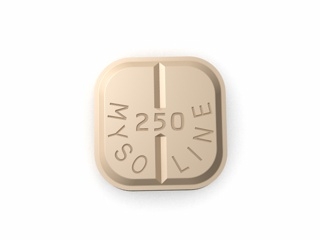


Mysoline (Primidone) — Patient Information (UK)
Mysoline contains primidone, a medicine used to treat certain types of seizures. This page explains how it works, how it’s taken, what to expect, and important safety information for people in the United Kingdom.
Always follow the instructions given by your healthcare professional. If anything is unclear, check with a pharmacist.
Quick Facts
- Active ingredient: Primidone
- Common uses: Epilepsy (particularly some seizure types, often including generalised tonic-clonic seizures)
- How it works: Reduces abnormal electrical activity in the brain
- How it’s taken: Usually by mouth, once or more times daily depending on your dose
- Common issues: Drowsiness, dizziness, nausea—especially when starting or increasing dose
- Key safety note: Avoid sudden stopping without medical advice
Basic Product Information
Mysoline is an oral antiseizure medicine. In the UK it is prescribed as part of seizure management. Different tablet strengths may be available; your dose will depend on your condition, age, and response to treatment.
- Medicine type: Antiepileptic/antiseizure medicine
- Drug name: Primidone (brand: Mysoline)
- Availability: Supplied through UK pharmacies; availability can vary by strength and manufacturer
How Mysoline Works (Mechanism of Action)
Primidone is an antiseizure medicine. It helps control seizures by affecting electrical signalling in the brain. While primidone’s full mechanism is complex, it is understood to:
- Be metabolised in the body to active substances that contribute to seizure control
- Increase inhibitory (calming) effects in brain circuits
- Reduce the likelihood of abnormal, synchronised firing that triggers seizures
For many people, seizure control improves over time. Early on, side effects may be more noticeable as your body adapts.
Pharmacokinetics: How the Body Handles Primidone
Pharmacokinetics describes how a medicine is absorbed, distributed, metabolised, and eliminated. The key practical points for primidone include:
- Absorption: Primidone is absorbed after oral dosing.
- Metabolism: It is metabolised in the liver. A major active metabolite is phenobarbital, which contributes to both efficacy and side effects.
- Onset: Improvements may take days to weeks; dose changes can affect how you feel within days.
- Elimination: Primidone and its metabolites are cleared mainly by the kidneys (via urine), depending on kidney function.
- Half-life: The presence of phenobarbital means effects can persist longer than expected from primidone alone.
Because primidone is long-acting and has active metabolites, clinicians typically recommend gradual dose titration to reduce side effects.
What Mysoline Is Used For (Indications)
In the UK, primidone is used as an antiseizure medicine for certain seizure types. Your healthcare professional will choose the most appropriate treatment based on your seizure diagnosis, age, other medical conditions, and current medicines.
Common indications may include:
- Epilepsy (including some generalised seizure types)
- Adjunctive treatment for some people whose seizures are not fully controlled with a single medicine
- Seizure control plans that may involve combination therapy
If you’re using Mysoline for a specific reason, check your personal treatment plan. Don’t assume it’s interchangeable with other antiseizure medicines.
Dosing and Timing: How to Take Mysoline
Dosing varies widely. Many people start on a low dose and increase gradually. This helps reduce side effects such as sleepiness, dizziness, and nausea.
General dosing principles (UK practice)
- Start low, increase slowly: This is especially important in the first weeks.
- Take at consistent times: Keeping a steady schedule can help seizure control.
- Split doses if advised: Some regimens use divided doses through the day.
- Do not change dose abruptly: Sudden changes can worsen seizures or side effects.
Timing with daily routine
Many people find it helpful to take an initial dose at times that match their day—commonly in the evening if they feel drowsy. Your pharmacist or clinician can suggest a schedule tailored to you.
If you miss a dose
- Take it when you remember if it’s not too close to the next dose.
- Skip the missed dose if it’s almost time for the next one.
- Do not take a double dose to make up for a missed tablet.
- If missed doses happen frequently, speak to a pharmacist for a practical plan.
Food Interactions and Eating Tips
Primidone is generally taken by mouth and can usually be taken with or without food. However, for many people, taking it with food can reduce stomach upset, especially when starting or increasing the dose.
Practical tips:
- If you experience nausea, try taking Mysoline after a meal.
- Keep taking it the same way each day for consistency (with or without food).
- If you have swallowing difficulties, ask your pharmacist about the most suitable approach.
Alcohol and Medicine Interactions
Alcohol
It is strongly advisable to avoid or minimise alcohol while taking primidone. Alcohol can increase sedation, dizziness, and coordination problems, raising the risk of falls and accidents.
- Do not drive or operate machinery if you feel drowsy or slower than usual.
- Alcohol may also worsen seizure control in some people.
Important medicine interactions
Primidone can interact with other medicines, including other antiseizure treatments and medicines that affect the liver. Because primidone is metabolised and can produce effects through active metabolites, drug interactions can be clinically significant.
Tell your healthcare professional if you take any of the following:
- Other antiseizure medicines (effects may change in both directions)
- Medicines that cause drowsiness (for example some antihistamines, sedatives, sleep medicines, opioid pain relief)
- Warfarin or other blood thinners (possible changes to blood-clotting control)
- Hormonal contraceptives (some antiseizure medicines can reduce effectiveness; ask specifically for your combination)
- Medicines for depression, anxiety, or sleep
- Antiarrhythmics and some antibiotics/antifungals (depending on the exact medicine)
- Oral corticosteroids or other long-term medicines that can affect liver enzymes
Your pharmacist can check interactions using your full list of medicines, including over-the-counter products and herbal remedies. This is particularly important because primidone may affect liver enzyme activity.
Safety Profile: Side Effects and When to Get Help
Like all medicines, primidone can cause side effects. Many people experience mild effects early on, which often improve as the dose is increased slowly. Others may need dose adjustment or an alternative treatment.
Common side effects
- Drowsiness or fatigue
- Dizziness or feeling unsteady
- Nausea, loss of appetite, or stomach discomfort
- Headache
- Blurred vision or coordination problems
- Increased clumsiness (especially when adjusting dose)
Less common but important effects
- Skin reactions (rash, blistering, or severe rash)
- Mood or mental changes (confusion, unusual behaviour)
- Unusual tiredness that doesn’t settle
- Signs of blood or liver problems (see “Seek urgent help” below)
Seek urgent medical advice if
- You develop a severe allergic reaction (swelling of face/lips, breathing difficulty)
- You develop rash with fever, blistering, or painful skin
- You have unexplained bruising, persistent sore throat, or infections
- You develop yellowing of the skin or eyes (jaundice) or severe abdominal pain
- Your seizure pattern changes suddenly or you have prolonged seizures
Driving and machine safety
Because primidone can cause drowsiness and dizziness, it may affect your ability to drive safely. In the UK, seizure disorders are regulated and driving eligibility depends on seizure control and safety. Seek guidance from your clinician and follow UK driving advice.
Practical Use Tips for Best Results
- Use a dosing routine: Link tablets to a consistent daily habit (e.g., after breakfast and/or evening meal).
- Be cautious when standing: Dizziness can occur; stand up slowly to reduce falls.
- Plan for the start: The first weeks may feel harder. Arrange support if needed.
- Keep a seizure diary: Record seizure times, triggers (if known), missed doses, sleep patterns, and side effects.
- Do not stop suddenly: Stopping abruptly can lead to loss of seizure control.
- Ask about blood tests: Depending on your situation, your clinician may monitor blood counts or liver function.
- Check herbal and OTC products: Some supplements and medicines can interact or worsen drowsiness.
Alternative Options to Consider
If primidone isn’t suitable due to side effects, interactions, or seizure control, clinicians may consider other antiseizure medicines. The best choice depends on seizure type and individual factors.
Examples of alternative medicines (not exhaustive):
- Levetiracetam
- Lamotrigine
- Valproate (used in selected situations; requires careful monitoring)
- Carbamazepine
- Oxcarbazepine
- Topiramate
- Gabapentin / Pregabalin (depending on diagnosis)
- Other benzodiazepines used as short-term rescue for some people
Don’t switch medicines without specialist guidance. Some antiseizure medicines require slow titration and careful overlap to reduce risks.
UK Market and Legal/Clinical Context
In the United Kingdom, antiseizure medicines are regulated medicines supplied through NHS and private services. Availability, prescribing practices, and guidance may vary by region and clinical commissioning decisions.
Clinicians and healthcare organisations support evidence-based treatment using nationally recognised seizure guidelines. Treatment selection typically considers seizure type, patient characteristics, and interaction risk.
Recent and ongoing guidance themes in the UK may include:
- Emphasis on tailoring antiseizure medicine choice to seizure type
- Attention to side effect profiles and quality of life
- Clear planning around initiation, dose changes, and monitoring
- Strengthening patient education on adherence and safety
Delivery and Availability in the UK
Mysoline/primidone availability can differ by tablet strength and current supply conditions. Online pharmacies in the UK typically offer:
- Home delivery with tracked shipping (availability and delivery time depend on stock)
- Stock updates for strengths that are temporarily limited
- Substitution policies where permitted and clinically appropriate (for example between equivalent brands/generics)
If your preferred strength is out of stock, your pharmacist may suggest an alternative option (depending on what is clinically suitable). Ask about estimated delivery times before placing an order.
Storage and Handling
- Store at room temperature as directed on the pack.
- Keep tablets in the original packaging to protect them from moisture.
- Keep out of the sight and reach of children.
- Do not use after the expiry date printed on the pack.
FAQ: Common Questions About Mysoline (Primidone)
1) How long does it take for Mysoline to work?
Some people notice benefits within days, but for many, full seizure control improves over weeks, especially after dose adjustments. Your prescriber may increase slowly to balance effectiveness and side effects.
2) Why do I feel sleepy or dizzy when starting?
Drowsiness and dizziness are common, particularly during the first phase of treatment or after dose increases. Gradual titration and taking the dose with food (if needed) can help reduce these effects.
3) Can I take Mysoline with food?
Usually yes. Taking it with a meal can help if you experience nausea. Try to keep the routine consistent.
4) Is it safe to drink alcohol?
It’s best to avoid or minimise alcohol because it can increase drowsiness and dizziness and may affect seizure stability. If you do drink, discuss safe limits with your healthcare professional.
5) What happens if I miss a dose?
Take it when you remember if it’s not near the next dose. If it’s almost time for the next dose, skip the missed dose. Do not double up. If you frequently miss doses, ask a pharmacist for advice.
6) Can I stop Mysoline suddenly?
Stopping abruptly can increase the risk of seizures. If you’re thinking about stopping or changing treatment, contact your healthcare professional for a safe plan.
7) Will Mysoline interact with other medicines?
Yes, it can. Interactions may occur with other antiseizure medicines, sedating drugs, some antibiotics/antifungals, blood thinners, and medicines affecting liver enzyme activity. Always provide your full medicine list to a pharmacist.
8) Does Mysoline affect driving?
Primidone may cause sleepiness or unsteadiness. Driving rules for people with epilepsy depend on seizure control. Follow UK guidance and seek advice from your clinician.
9) Are there special considerations for older adults?
Older adults may be more sensitive to side effects such as dizziness and falls. Clinicians often use slower dose titration and careful monitoring. Always report unsteadiness or confusion promptly.
10) What should I do if I develop a rash?
Seek prompt medical advice, especially if the rash is severe, spreading, involves blistering, or occurs with fever or mouth sores. Stop and seek help if you feel seriously unwell.
Summary
Mysoline (primidone) is an antiseizure medicine used in the management of epilepsy for appropriate seizure types. It works by calming overactivity in brain circuits and relies on both primidone and its active metabolites. The safest approach typically involves gradual dose increases, consistent daily timing, and careful attention to side effects and interactions—especially with alcohol and other medicines.
If you have questions about how to take Mysoline, how it fits with your other medicines, or how to manage side effects, your pharmacist can help you find practical solutions.
| Topic | What to expect |
|---|---|
| Starting dose | Often low, increased slowly to reduce dizziness and drowsiness. |
| Taking timing | Take at consistent times; divided doses may be used. |
| Food | May be taken with or without food; with food can reduce nausea. |
| Alcohol | Avoid or minimise—can worsen sedation and impair safety. |
| Interactions | Can interact with other medicines, including sedatives and blood thinners. |
| Stopping | Do not stop suddenly without medical advice. |
| When to seek help | Urgent help for severe rash, breathing problems, jaundice, or marked illness. |