

Ashwagandha (Withania somnifera) – Patient-Friendly Guide (UK Online Pharmacy)
Ashwagandha is a popular herbal supplement used traditionally in Ayurvedic medicine. In the UK, it is commonly sold as a dietary supplement in capsule, tablet, or powder form. People often use it to support stress resilience, healthy sleep, and overall wellbeing.
This guide explains how ashwagandha may work, how it is typically used, key safety considerations, possible interactions, and practical tips to help you make the most of your product. It is written for general information and does not replace medical advice.
Basic product information
- Common name: Ashwagandha
- Scientific name: Withania somnifera (often referred to as Withania somnifera extract)
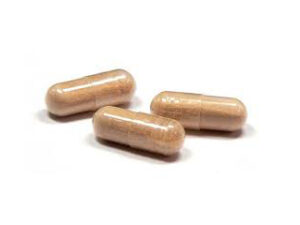
- Typical forms: Capsules, tablets, softgels, and powders
- Common strength: Varies by brand; many products standardise to the content of “withanolides” (active constituents)
- Origin: Herb traditionally used in South Asia
- Status in the UK: Usually marketed as a food supplement or herbal supplement, not as a medicine
Note: Always check the label for the exact ingredient list and the standardisation/strength of the extract, as these can differ considerably between products.
How ashwagandha works (mechanism of action)
Ashwagandha contains natural compounds, including withanolides, that may influence several body systems. While research is ongoing and results can vary between individuals and products, possible mechanisms include:
- Stress response support: Ashwagandha is often discussed for its potential effects on the body’s stress pathways, including the hypothalamic–pituitary–adrenal (HPA) axis.
- Oxidative stress and inflammation modulation: Certain constituents may act as antioxidants and influence inflammatory signalling.
- Sleep and relaxation support: By helping some people feel less “wired,” it may indirectly support sleep quality (particularly when stress is a factor).
- Energy and wellbeing: Some users report improved resilience, fatigue perception, and physical recovery. Clinical findings are mixed but promising in some studies.
Important: Mechanisms described above are based on current scientific understanding and traditional use; they do not guarantee an effect for every person.
Pharmacokinetics (what we know about absorption and processing)
Pharmacokinetics describes how the body absorbs, distributes, metabolises, and eliminates a substance. For ashwagandha, the exact pharmacokinetic profile can vary depending on:
- the extract type (root extract vs. full-spectrum preparations)
- standardisation (e.g., withanolide content)
- dose and formulation (capsule vs. powder)
General expectations:
- Absorption: Active constituents are believed to be absorbed after oral intake, though absorption may be influenced by the presence of food and fat content.
- Metabolism: Like many plant-derived compounds, withanolides may be metabolised in the liver and other tissues.
- Elimination: Metabolites are removed primarily through normal bodily clearance processes.
Practical takeaway: Start with a consistent daily routine. If you change brands or switch between powder and extract, you may notice differences in effect due to altered absorption and standardisation.
Typical use in the UK
People commonly take ashwagandha for:
- Stress and tension support (feeling calmer, more resilient to everyday stress)
- Sleep quality support, especially when stress affects bedtime
- General wellbeing and a sense of improved energy
- Exercise recovery and fatigue support (some choose it alongside training goals)
Evidence note: Some clinical studies suggest benefit for stress and certain aspects of sleep, while others show variable results. Benefits, if they occur, often develop gradually rather than instantly.
Timing: when to take it
Timing depends on your goal and how you personally respond:
- For stress support: Many people take it once daily with food, often in the morning or early afternoon.
- For sleep support: Consider taking it in the evening, 1–2 hours before bedtime.
- For gradual routine-building: Take it at the same time each day to help you assess effects consistently.
How quickly does it work? Some people notice subtle changes within a few days, but a more typical timeframe is 2–6 weeks for noticeable, consistent effects. If you don’t feel any benefit after several weeks, consider discussing options with a healthcare professional.
Food interactions: what to know
Food can influence absorption. In practice:
- Taking with meals: Many users find it gentler on the stomach and may improve uptake.
- Fat-containing meals: Because some plant compounds may be better absorbed with dietary fat, taking with a meal that includes some fat may be beneficial for some individuals.
- Empty stomach: Some people prefer empty-stomach dosing, but if you experience nausea or stomach upset, switching to “with food” is a sensible adjustment.
Specific foods: There are no universally established “banned foods,” but if you have a sensitive digestive system, take with meals and monitor tolerance.
Alcohol and medicine interactions
Alcohol
Because ashwagandha supplements are commonly used for stress and sleep, combining with alcohol may blunt your ability to sleep well or may worsen how you feel the next day. There is no single universal “danger rule,” but the combination can make effects harder to interpret and may increase risk of side effects in some individuals (such as dizziness, stomach upset, or sedation-like feelings).
- If you drink alcohol, consider taking ashwagandha at a different time from drinking (e.g., earlier in the day), especially at first.
- If you notice increased drowsiness or stomach discomfort, reduce or avoid alcohol while you assess your tolerance.
Interactions with medicines
Ashwagandha may interact with certain medicines, particularly because it can affect stress response pathways and may influence immune or thyroid-related processes in some people. Always check with a healthcare professional if you take regular medication, and read your supplement label carefully.
Examples of medicine categories to discuss with a clinician:
- Thyroid medicines (e.g., levothyroxine or antithyroid drugs). Ashwagandha may affect thyroid hormone levels in some cases.
- Sedatives or sleep medicines (including some antihistamines used for sleep). Combining may increase drowsiness.
- Anti-diabetes medicines. Some data suggest ashwagandha may influence blood sugar regulation; this could matter if you are on glucose-lowering treatment.
- Immunosuppressants. Because of potential immune-modulating effects, a discussion is important if you take these medicines.
- Antihypertensives. While not guaranteed, any supplement that affects stress physiology could potentially influence blood pressure in some people.
- Medicines affecting liver function or with known liver-related risks. This is particularly relevant given rare reports of liver injury with some herbal products.
Practical approach: If you are taking medicines for thyroid, blood sugar, blood pressure, or sleep, consider asking a pharmacist or clinician before starting ashwagandha. Bring the supplement label and tell them the exact brand and dose.
Indications (common reasons people take it)
In the UK, ashwagandha is generally used as a wellbeing supplement. It is typically chosen for:
- Support for stress-related symptoms (e.g., feeling more tense, overwhelmed, or reactive)
- Support for restful sleep, particularly when stress affects sleep onset or quality
- Support for exercise-related recovery (fatigue perception and recovery outcomes in some users)
- General wellness and perceived energy
UK compliance note: Supplement labels and marketing are subject to UK and EU-derived rules on health claims. Reputable suppliers will keep claims within permitted wording and guidance.
Dosing: how much to take
Because product strengths differ, always follow the label directions. Below are typical ranges used in supplements and commonly studied in clinical settings.
| Goal | Typical approach | When to take |
|---|---|---|
| Stress support | Often 300–600 mg daily of standardised root extract (brand-dependent) | Morning or early afternoon; with food if sensitive |
| Sleep quality support | Often 300–600 mg daily (may be split by some users) | Evening, 1–2 hours before bedtime |
| Exercise recovery / fatigue perception | Often 300–600 mg daily | With or after a meal; timing may be adjusted around training |
Do not exceed the recommended daily amount on the product label. If you want to try a higher dose, increase gradually and only if you tolerate it well. Some people split the dose (e.g., morning and evening) to reduce stomach discomfort.
Duration: Many people trial ashwagandha for 6–8 weeks and then reassess. If you are using it long-term, it’s sensible to review benefits and any side effects regularly.
Safety profile: who should be cautious
Ashwagandha is widely used, and most people tolerate it well. However, no supplement is risk-free. Side effects are typically mild, but rare serious events have been reported with some herbal products.
Common side effects (reported)
- Gastrointestinal discomfort: nausea, stomach upset, diarrhoea
- Headache
- Drowsiness (more likely if taken with sedating medicines or if sensitive)
Less common but important considerations
- Thyroid effects: Some individuals may experience changes in thyroid hormone levels.
- Immune system effects: People with autoimmune conditions or those on immune-modulating therapy should seek advice before use.
- Liver concerns: Rare cases of liver injury have been reported in association with some herbal supplements. Stop and seek urgent medical advice if you develop symptoms such as yellowing of the skin/eyes (jaundice), dark urine, unusual fatigue, severe abdominal pain, or persistent itching.
Who should avoid or get medical advice first
- Pregnancy: Avoid unless a healthcare professional advises otherwise.
- Breastfeeding: Avoid unless advised by a healthcare professional.
- Under 18s: Safety and appropriate dosing are not well established.
- Thyroid disease or thyroid medication users
- Autoimmune disease or immunosuppressant therapy
- Known liver disease or history of liver problems
- People taking multiple medicines with complex interactions
Practical use tips
- Choose a reputable product: Look for transparent labelling, standardisation information, and good manufacturing practice. Consider products that provide withanolide content.
- Start low and go slow: If you’re new, begin with a lower dose close to the label minimum, then assess tolerance.
- Be consistent: Take it at the same time each day for several weeks.
- Track your goal: For example, note bedtime, sleep quality, and stress levels to see whether it helps you personally.
- Take with food if needed: This can improve comfort and help consistency.
- If switching brands: Standardisation differs—compare label strengths and consider a cautious “re-baseline” period.
- Stop if you feel unwell: If you experience persistent side effects, stop and seek advice.
Alternative options (if ashwagandha isn’t suitable)
If you cannot take ashwagandha or don’t notice benefits, there are several other approaches commonly considered for stress and sleep support:
Non-herbal alternatives
- Sleep hygiene strategies: consistent sleep schedule, reducing caffeine late in the day, dimming lights at night
- Mindfulness and relaxation: guided breathing, meditation, progressive muscle relaxation
- Physical activity: regular exercise can support stress resilience and sleep quality
Herbal supplements (common options)
- Valerian root (often used for sleep)
- Passionflower (used for relaxation)
- L-theanine (commonly used to support calmness)
- Magnesium (may support relaxation in some people)
Important: Alternatives can also interact with medicines or affect health conditions. If you take medication, speak with a pharmacist before changing supplements.
UK market and legal context for ashwagandha
In the United Kingdom, ashwagandha is generally treated as a food supplement. That means:
- Manufacturers must comply with UK regulations for food supplements.
- Health claims are regulated: only certain approved wording and evidence-based claims may be used.
- Labelling requirements apply: the product label should include directions for use, recommended daily intake, warnings for certain groups, and a list of ingredients.
Because classification and permitted claims can differ depending on how a product is presented, it’s important to choose brands that clearly label what they are, what they contain, and how to use them.
Recent guidance: UK regulators and the wider supplement market continue to emphasise product safety, appropriate labelling, and evidence-based marketing. As the supplement environment evolves, reputable retailers also keep their product information consistent with current expectations.
Delivery and availability (UK)
Ashwagandha supplements are widely available in the UK through pharmacies, supplement retailers, and online stores. Delivery options vary by supplier and warehouse location, but common scenarios include:
- Standard delivery: typically a few working days
- Express delivery: often next working day or within 1–2 days, depending on the order time
- Order tracking: many online pharmacies provide tracking once dispatched
Availability: Popular brands may sell out during seasonal demand (e.g., New Year wellbeing or stress-related periods). If a product is temporarily unavailable, you may find alternative formulations (different extract strengths or capsule vs. powder forms).
Storage: Keep your ashwagandha in a cool, dry place away from direct sunlight. Ensure the lid is tightly closed to maintain freshness.
FAQ about Ashwagandha
1. Is ashwagandha the same as Withania somnifera?
Yes. Ashwagandha is the common name for the plant Withania somnifera. Many products use an extract from the root and standardise to withanolide content.
2. How long should I take it before I judge whether it works?
For many people, it takes 2–6 weeks to notice a consistent difference, especially for stress and sleep quality. Give it a fair trial, then reassess. If you have no benefit after several weeks, consider reviewing your approach.
3. Can I take ashwagandha every day?
Many people do. The label will specify a recommended daily amount. If you plan to use it long-term, it’s sensible to periodically check whether you still benefit and whether you’re having any side effects.
4. Will ashwagandha make me sleepy?
Some people feel more relaxed, which may support sleep—especially when stress is the main driver. However, effects vary. If you notice drowsiness, take it in the evening or stop and seek advice.
5. Can I take it with meals?
Yes. Taking ashwagandha with food is commonly recommended—particularly if you have a sensitive stomach. Food may also affect absorption.
6. What if I’m taking thyroid medication?
Because ashwagandha may influence thyroid hormone levels in some individuals, you should speak to a pharmacist or clinician before using it alongside thyroid medication.
7. Is it safe to combine with other supplements for stress or sleep?
It depends on the combination. Some supplements can increase the risk of side effects such as dizziness or drowsiness, or may interact with underlying conditions. If you’re combining products, start one at a time and avoid making multiple changes at once.
8. What side effects should make me stop?
Stop and seek medical advice if you experience symptoms such as yellowing of the skin/eyes, dark urine, severe or persistent abdominal pain, persistent nausea/vomiting, or signs of allergy (e.g., swelling, rash, breathing difficulty).
9. Can I drink alcohol while taking ashwagandha?
Moderation is sensible. Alcohol can worsen sleep quality and make it harder to evaluate how ashwagandha affects you. If you notice increased drowsiness or stomach upset, avoid alcohol while assessing your response.
10. Are there “best” forms of ashwagandha?
“Best” depends on your goals and tolerance. Extract-based products standardised for withanolides are commonly used. Powders vary by source and processing. Choose a product with clear labelling and quality information.
Final reminder: Always read the label and follow the recommended dosage. If you have a medical condition, take regular medication, are pregnant or breastfeeding, or plan to use ashwagandha alongside other supplements, it’s safest to speak with a healthcare professional or pharmacist first.