
Arjuna (Terminalia arjuna) – Patient-Friendly Guide (UK)
Arjuna is a traditional herbal product derived from Terminalia arjuna. In the UK, Arjuna is commonly used as a supportive remedy for cardiovascular health and overall wellbeing, particularly in people looking for natural options alongside healthy lifestyle measures.
This page provides clear, practical information about Arjuna, including how it works, how the body handles it, typical uses, timing, food and alcohol interactions, safety considerations, and what to discuss with a healthcare professional. Information is intended to support informed decision-making and does not replace professional medical advice.
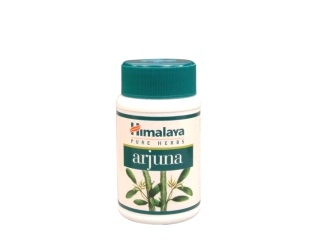
Basic product information
- Product name: Arjuna (herbal supplement)
- Active source: Terminalia arjuna (bark extract or powdered bark, depending on formulation)
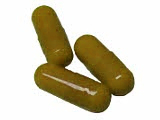
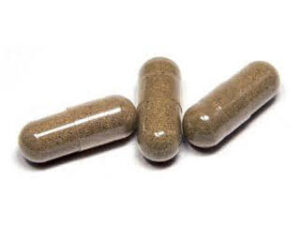
- Common forms: Capsules, tablets, or powders (varies by brand)
- Typical aim: Support heart and circulatory health; some people also use it as part of general wellness routines
- Availability in the UK: Often sold as a dietary supplement / herbal product
The exact strength (e.g., mg per capsule or tablet) and extract type vary between brands. Always check the label for the specific formulation you are purchasing.
What is Arjuna used for? (Indications)
In traditional use and commonly reported modern supportive uses, Arjuna is taken to help:
- Cardiovascular support: People commonly use Arjuna to support healthy heart function and blood flow.
- General circulatory wellbeing: Used as part of routines aimed at maintaining healthy circulation.
- Supporting healthy cholesterol and lipid balance: Some products are marketed with lipid-support claims. Evidence varies by study and formulation.
- Oxidative stress and overall vitality: Antioxidant properties are discussed in the scientific literature and may be a reason for ongoing use.
Important: Arjuna is not a cure for heart disease. If you have symptoms such as chest pain, shortness of breath, fainting, or signs of a cardiovascular emergency, seek urgent medical attention.
How Arjuna works (Mechanism of action)
The precise mechanism of action depends on the extract composition and dose. However, research and traditional descriptions suggest multiple potential pathways:
- Antioxidant activity: Plant constituents (including polyphenols such as arjunic acid and related compounds found in T. arjuna) may help reduce oxidative stress in the body.
- Vascular and endothelial support: Some evidence suggests Arjuna may support the function of blood vessels, including mechanisms related to endothelial health.
- Support for lipid balance: Studies have explored effects on cholesterol and triglyceride parameters, though results can differ and are not guaranteed for every individual.
- Anti-inflammatory potential: Herbal constituents may influence inflammatory pathways relevant to cardiovascular health.
Because formulations differ between brands, effects can vary. It’s helpful to use a reputable product with clear standardisation information where available.
Pharmacokinetics (How the body handles Arjuna)
“Pharmacokinetics” refers to what happens to a substance after you take it: absorption, distribution, metabolism, and excretion. For many herbal supplements, detailed pharmacokinetic data are limited.
What is generally understood:
- Absorption: Active constituents from T. arjuna may be absorbed variably; absorption can be influenced by the extract form and whether it’s taken with food.
- Metabolism: Many plant polyphenols are metabolised by the body, including through liver metabolism and gut microbiota processing.
- Distribution: Once absorbed, metabolites and related compounds may distribute into tissues; the extent depends on chemical properties.
- Excretion: Metabolites are typically cleared via urine and/or bile.
Practical takeaway: Because precise timing of peak levels is not well established for every product, it’s best to focus on consistent daily use and label-directed dosing rather than expecting an immediate “on the day” effect.
Typical timing and when to take Arjuna
The best time to take Arjuna often depends on your routine, the product’s label instructions, and how you respond to it. In general:
- Once daily: Take at the same time each day for consistency.
- Twice daily: Split doses evenly across the day (e.g., morning and evening).
- With food vs. empty stomach: Many people tolerate herbal supplements better with meals.
When to expect results: Supportive benefits related to cardiovascular wellness (e.g., lipid balance or overall vitality) are typically not immediate. Many people assess changes after several weeks of consistent use, alongside lifestyle measures.
Food interactions
For Arjuna, food interactions are not fully characterised for every formulation, but general guidance for herbal supplements applies:
- Taking with meals: Often improves tolerability and may reduce the chance of mild stomach upset.
- High-fat meals: May alter absorption of certain plant constituents. If you notice stomach discomfort, consider taking with lighter meals.
- Grapefruit and other herbal-rich foods: Some plant products can affect liver enzymes in theory, but specific data for Arjuna are limited. If you take multiple herbal supplements, consider reviewing them together.
Practical tip: If you’re new to Arjuna, start with the recommended label dose and take it with food. If your product instructions allow, you can adjust timing to suit your digestion.
Alcohol interactions
There is no widely established, specific alcohol interaction for Arjuna. However, alcohol can affect cardiovascular risk and overall health, and it may also irritate the stomach.
- Moderation: If you drink alcohol, consider keeping it moderate and consistent with UK health guidance.
- Stomach sensitivity: If Arjuna causes any gastrointestinal discomfort, alcohol may worsen symptoms.
- Liver considerations: If you have liver disease or drink heavily, it’s especially important to discuss herbal supplements with a healthcare professional.
Bottom line: Avoid excessive alcohol. If you notice any unusual symptoms after combining alcohol with Arjuna, discontinue and seek advice.
Medicine interactions (including anticoagulants and cholesterol medicines)
Herbal products can interact with medicines, either by affecting how the body processes substances or by adding to similar effects (for example, effects on blood pressure or clotting). Arjuna may be taken alongside other treatments, but it’s important to consider possible interactions.
Discuss with a healthcare professional if you take:
- Blood thinning/anticoagulant medicines: Examples may include warfarin and other anticoagulants or antiplatelet medicines. Any potential influence on bleeding risk should be reviewed by a clinician.
- Blood pressure medicines: If Arjuna affects vascular tone or circulation, it could theoretically contribute to blood pressure changes.
- Cholesterol-lowering medicines (e.g., statins, ezetimibe): Combining lipid-support supplements with prescription medicines should be monitored, especially if you experience muscle symptoms or unusual side effects.
- Diabetes medicines: Some supplements marketed for cardiovascular support can influence metabolic parameters; monitor glucose if relevant.
- Other herbal supplements: Stacking multiple botanicals increases the chance of overlapping effects and interactions.
What to do: Keep a list of all medicines and supplements you take, including dose and timing, and review it with a pharmacist or GP, particularly if you have cardiovascular disease, are elderly, or take multiple medicines.
Dosing information (How much to take)
Dosing depends on the specific product (capsule/tablet/powder) and the concentration of Terminalia arjuna in that product. Always follow the label instructions supplied with your chosen Arjuna brand.
Typical dosing patterns seen in supplements:
- Adults: Often taken once or twice daily, commonly in the range of standard capsule/tablet doses (the exact mg varies widely by manufacturer).
- Powder formulations: May be taken in measured scoops or teaspoons; again, amounts vary by product.
Starting safely: If you’re new to Arjuna, consider starting at the lowest end of the label range (if permitted) to assess tolerance. Do not exceed the recommended daily dose.
Duration of use: Many people trial supplements for a period (e.g., several weeks) and then reassess. If you use Arjuna long-term, it’s wise to review your regimen periodically with a clinician—especially if you have cardiovascular conditions.
Safety profile and who should take extra care
Arjuna is generally regarded as a traditional herbal product, but “natural” does not always mean risk-free. Safety depends on the individual, the product quality, and potential interactions with medications.
Possible side effects
- Gastrointestinal symptoms: Nausea, stomach upset, reflux, or loose stools may occur in some people.
Seek medical advice urgently if you experience signs of an allergic reaction, such as swelling of the face/lips, difficulty breathing, or widespread rash.
Special populations
- Pregnancy and breastfeeding: Safety data are limited; consult a healthcare professional before use.
- Children: Herbal products are generally not recommended for children unless a clinician specifically advises it.
- Liver or kidney conditions: Because herbal constituents are metabolised and cleared by the body, people with organ impairment should seek professional guidance.
- People taking multiple medicines: Interaction risk is higher; review your regimen with a pharmacist.
Allergy considerations
If you have a known allergy to Terminalia arjuna, other tree/bark products, or herbal extracts, avoid use.
Practical use tips (to get the most from Arjuna)
- Choose a quality product: Look for clear ingredient lists, standardised extracts if available, and transparent batch/quality information.
- Be consistent: Take Arjuna at the same time each day and follow label dosing.
- Start low if you’re sensitive: If you’re prone to digestive upset, take with meals.
- Track outcomes: If you take Arjuna for cardiovascular support, consider monitoring relevant markers with your clinician (e.g., blood pressure, cholesterol/lipids) over time.
- Maintain lifestyle foundations: Supplement benefits are best viewed as supportive. Regular exercise, a heart-healthy diet, smoking cessation, and good sleep have stronger evidence.
- Avoid “stacking” too fast: If you add new supplements at the same time, it becomes harder to identify what helps or what causes side effects.
Alternative options (If Arjuna isn’t right for you)
Depending on your health goals, you may consider other well-studied approaches for cardiovascular support. Options include dietary changes and evidence-based supplements, but choices should fit your individual risk profile and medicines.
Non-supplement alternatives
- Dietary pattern: Mediterranean-style diet and reducing saturated fats can support cardiovascular health.
- Exercise: Aerobic activity and resistance training support heart function.
- Weight and stress management: Helps reduce cardiovascular risk factors.
Other supplements sometimes considered
These are examples; discuss with a pharmacist or clinician if you take prescription medicines:
- Omega-3 fatty acids: Often used to support lipid and cardiovascular health (product quality matters).
- Plant sterols/stanols: May support cholesterol reduction.
- Coenzyme Q10 (where appropriate): Some people use it for heart-related wellness; it can interact with certain medicines.
- Garlic preparations: Some evidence for blood pressure support, but interaction potential exists.
If you’re currently on cardiovascular medicines, do not switch supplements without checking for interactions—especially if you take blood thinners or cholesterol-lowering medication.
UK market, legal and compliance context (general guidance)
In the UK, herbal products and food supplements are regulated under frameworks designed to ensure safety and proper labelling. Requirements typically include:
- Safety: Products must not be unsafe when used as directed.
- Labelling: Ingredients, recommended use, and warnings should be provided clearly.
- Claims: Health claims are regulated; marketing language must not be misleading and must comply with applicable rules.
When shopping online, choose a reputable seller and verify that the product information is transparent—especially dosing instructions, quantity per serving, and any contraindications or warnings.
Recent guidance and practical updates (what to consider now)
Guidance around supplements and herbal products often emphasises:
- Quality and standardisation: Variability in herbal extracts can affect consistency.
- Interaction awareness: People are encouraged to review supplements alongside prescribed medicines.
- Evidence-based expectations: Supplements should be viewed as supportive, not replacements for medical care.
- Monitoring: If you have cardiovascular risk factors (such as high blood pressure, diabetes, or high cholesterol), monitoring with appropriate blood tests and checks remains important.
If you have an existing medical condition or are taking long-term medicines, it’s wise to confirm suitability with a healthcare professional before starting.
Delivery and availability in the UK
Arjuna is commonly available for online purchase in the UK, with dispatch and delivery times varying by supplier. Typical availability factors include:
- Stock status: Some brands are maintained as regular inventory; others may be seasonal.
- Courier service: Delivery speed depends on the chosen shipping method.
- Packaging: Supplements are usually shipped in protective outer packaging to prevent damage.
At checkout, you can typically see estimated dispatch/delivery times and any applicable delivery charges. If you have urgent timing needs (for example, starting a wellness routine), allow time for dispatch and ensure the product is within its shelf-life.
FAQ – Frequently asked questions
Is Arjuna suitable for everyone?
Not necessarily. People who are pregnant or breastfeeding, children, those with liver or kidney problems, and people taking multiple medicines (especially blood thinners or blood-pressure medicines) should seek professional advice before use.
How long does Arjuna take to work?
Many supportive effects are not immediate. If you’re using Arjuna for cardiovascular wellness goals, consider assessing progress after several weeks of consistent use alongside a heart-healthy lifestyle. If you have specific health markers, review them with your clinician.
Should I take Arjuna with food?
For comfort and tolerability, many people take Arjuna with meals. Follow your product label instructions; if the label suggests a particular approach, that guidance should take priority.
Can I drink alcohol while taking Arjuna?
There is no widely established, specific interaction for Arjuna, but alcohol can affect cardiovascular health and may worsen stomach irritation. Keep alcohol moderate and stop if you notice side effects.
Will Arjuna interact with my medicines?
Potential interactions can occur with medicines, particularly anticoagulants/antiplatelet drugs, blood pressure medicines, diabetes medicines, and cholesterol-lowering therapy. Review your medicines with a pharmacist or healthcare professional before starting.
What side effects should I watch for?
Mild stomach upset is the most commonly reported issue with herbal supplements. Seek urgent help for allergic reactions such as facial swelling, difficulty breathing, or widespread rash.
How should I store Arjuna?
Store in a cool, dry place away from direct sunlight. Keep the container tightly closed and out of reach of children. Follow any storage instructions on the label.
Can I take Arjuna long-term?
Some people use herbal supplements long-term as part of wellness routines. However, long-term use should be monitored—particularly if you have cardiovascular conditions or take prescription medicines. Speak with a clinician for personalised advice.
What if I miss a dose?
If you miss a dose, take it when you remember unless it’s close to your next dose. Do not take a double dose. Continue your regular schedule.
What are some evidence-based alternatives?
Depending on your goal, alternatives may include dietary changes (e.g., Mediterranean-style eating), exercise, and other supplements with more established evidence such as omega-3 fatty acids—where appropriate and safe for your situation.
Quick reference
| Topic | Summary for Arjuna |
|---|---|
| Type | Herbal dietary supplement from Terminalia arjuna (formulation varies by brand) |
| Common use | Support cardiovascular and circulatory wellbeing; may support lipid balance |
| Mechanism (general) | Antioxidant, vascular/endothelial support, and potential lipid-related effects |
| How to take | Follow the label; often with food for comfort; consistent daily use |
| Food interaction | Taking with meals is commonly better tolerated; absorption may vary by meal type |
| Alcohol interaction | No well-defined specific interaction, but moderation is advised; watch for stomach irritation |
| Medicine interactions | Possible interactions; extra caution with blood thinners, blood pressure, diabetes, and cholesterol medicines |
| Safety | Usually well tolerated; possible GI upset; seek urgent help for allergy symptoms |