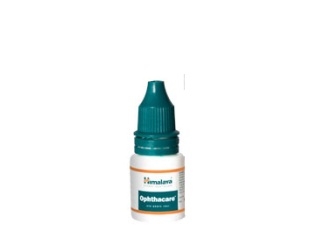


Ophthacare Eye Drops – Patient Information (UK)
Ophthacare is an eye care medicine used to support healthy eye function and relieve specific eye symptoms. This patient-friendly guide explains what Ophthacare is, how it works, how it’s used, and important safety information for people in the United Kingdom.
Please read this page carefully. If you are unsure whether Ophthacare is suitable for you, speak to a pharmacist or other healthcare professional.
Basic Product Information
| Category | Details |
|---|---|
| Product name | Ophthacare Eye Drops |
| Route of administration | Ocular (into the eye) |
| Common use | Helps relieve eye discomfort related to dryness and surface irritation (depending on individual suitability and the specific product formulation) |
| Typical dosing frequency | Often several times daily, depending on severity and product strength |
| How it works | Supports the tear film and eye surface (mechanism varies by formulation) |
Important: Ophthacare can come in different strengths or formulations. Always check the active ingredients on the label and follow the instructions provided with your specific pack.
How Ophthacare Works (Mechanism of Action)
Eye drops intended for comfort typically work by improving the condition of the tear film and the surface of the eye. Depending on the precise formulation, Ophthacare may:
- Support tear film stability to reduce dryness-related discomfort.
- Provide lubrication that helps protect the corneal and conjunctival surface.
- Reduce irritation by helping wash away irritants and improving moisture balance.
- Promote comfort during conditions associated with tear dysfunction (for example, environmental dryness).
In many cases, these effects are noticeable shortly after instillation, while longer-term improvements depend on consistent use.
Pharmacokinetics (What the Body Does to the Medicine)
For eye drops, “pharmacokinetics” largely describes what happens at the eye surface rather than whole-body metabolism. After applying Ophthacare:
- Local action occurs on the ocular surface.
- Absorption through the eye surface is generally limited for most lubricating or surface-supporting drops.
- Elimination primarily occurs through normal eye drainage (for example, via the tear drainage system) and natural tear turnover.
Because systemic exposure is typically low with eye drops, side effects elsewhere in the body are uncommon for many ophthalmic preparations. However, formulation and individual factors matter—always follow product instructions and seek advice if symptoms worsen.
Typical Use and Indications
Ophthacare is used for eye discomfort associated with conditions that affect the eye surface and tear film. Common scenarios where people may use similar eye-support drops include:
- Dry eye symptoms such as burning, stinging, grittiness, or a tired/heavy feeling in the eyes.
- Surface irritation from environmental factors (wind, air conditioning, screens, smoke, or dry indoor air).
- Temporary relief of discomfort while underlying triggers are addressed.
How to know if it’s right for you: If you have sudden severe pain, sensitivity to light, marked redness, thick discharge, or vision changes, do not self-treat—seek urgent medical advice.
When to Use It (Timing and Routine)
Many people find relief using Ophthacare according to a simple routine. Typical timing guidance may include:
- During the day if you experience dryness or irritation.
- Before long screen sessions or time spent in air conditioning/heated rooms.
- Before bed if symptoms worsen overnight.
If you are using Ophthacare alongside other eye treatments, timing may need adjustment to avoid dilution (see “Drug Interactions and Timing with Other Medicines” below).
Dosing Instructions (Adult Use)
The exact dose depends on the specific Ophthacare product and your symptom severity. Follow the instructions on the pack or those provided by your pharmacist.
General guidance for eye drops:
- Typical frequency: often 1–2 drops in the affected eye(s), up to several times daily.
- Single-eye vs both eyes: use only in the eye(s) with symptoms unless otherwise directed.
- Duration: continue for as long as symptoms persist, but seek medical advice if symptoms continue or worsen.
How to apply Ophthacare correctly:
- Wash and dry your hands.
- Shake the bottle if the label instructs you to (some products require gentle shaking).
- Look slightly upward, gently pull down the lower eyelid to create a small “pocket”.
- Hold the bottle above the eye and apply 1 drop into the pocket (avoid touching the eye with the dropper tip).
- Close your eye gently and press lightly on the inner corner of your eye (near the nose) for about 1 minute if comfortable. This may help reduce drainage.
- Wipe away any excess with clean tissue.
If you miss a dose: apply it when you remember unless it’s nearly time for the next dose. Do not use extra drops to catch up.
Food Interactions
Ophthacare is applied to the eye. As a result, food interactions are not expected to be clinically significant. Follow your normal diet.
If you are taking other medicines, pay attention to any general warnings related to those medicines (for example, antibiotics or anticoagulants), but there are typically no special dietary restrictions specifically for Ophthacare.
Alcohol and Medicine Interactions
Because systemic absorption from eye drops is usually low, alcohol interactions are unlikely. Nevertheless, alcohol can worsen dehydration and may aggravate dry eye symptoms in some people.
General considerations:
- If alcohol makes your eye symptoms worse, reduce intake and increase hydration.
- If you take other eye medicines, spacing between products is important (see below).
- If you experience unexpected burning, significant redness, swelling, or vision changes after using Ophthacare, stop and seek advice.
Drug Interactions and Timing with Other Medicines
Ophthalmic products can affect one another when used close together because one drop may wash out another. This is particularly relevant if you use:
- Other lubricating drops
- Antibiotic or steroid eye drops
- Anti-allergy eye drops
- Eye ointments
Practical spacing tip: leave at least 10 minutes between different eye products, unless your pharmacist or clinician advises otherwise.
Eye ointments: if you use an ointment, it is often applied last. Confirm with your pharmacist.
Safety Profile and Side Effects
Like all medicines, Ophthacare may cause side effects, although not everyone gets them. Common reactions are usually mild and short-lived.
Common or mild effects
- Temporary stinging or burning shortly after use
- Watery eyes
- Minor blurred vision for a short time after application
Stop use and seek advice urgently if you experience
- Severe eye pain
- Significant or worsening redness
- Swelling of the eyelids
- Light sensitivity (photophobia)
- Noticeable changes in vision
- Thick discharge or symptoms suggesting infection
- Allergic reaction such as rash, itching, or hives
If you wear contact lenses, some eye drops may not be suitable with lenses in place. Check the pack instructions. As a general safety measure:
- Consider removing lenses before applying.
- Wait until re-inserting lenses is permitted by the product label.
Practical Use Tips (Getting the Best Results)
- Use consistent timing: dryness often fluctuates, so regular use can be more effective than “as needed” alone.
- Don’t touch the tip: keep the applicator tip clean to reduce contamination risk.
- Avoid eye rubbing: rubbing can worsen irritation and disrupt the tear film.
- Screen breaks help: take short breaks and remember to blink naturally.
- Manage environment: use humidification if your indoor air is very dry; avoid direct drafts when possible.
- Check expiry: do not use past the expiry date, and discard the bottle when the label states (especially after opening, if applicable).
If your symptoms persist beyond the expected timeframe, or if they recur frequently, you may need assessment for underlying causes of dry eye (such as blepharitis, medication effects, or refractive issues).
Alternative Options
Depending on the cause of your symptoms, alternatives to Ophthacare may include:
- Other lubricating eye drops (artificial tears) with different formulations (e.g., preservative-free options).
- Gel or ointment eye preparations for overnight dryness (often thicker and longer lasting).
- Warm compresses and eyelid hygiene if symptoms relate to eyelid inflammation.
- Prescription treatments for specific dry eye subtypes or inflammation (only after appropriate clinical assessment).
Your pharmacist can help you choose an alternative based on your symptoms, contact lens use, and whether you need preservative-free products.
United Kingdom Market and Legal Context
In the UK, medicines for the eyes are regulated to ensure safety and quality. Ophthacare may be made available through pharmacies and online dispensaries depending on its classification and licensing status.
When purchasing online in the UK, reputable suppliers typically provide:
- Clear product identification and labelling details
- Medicines information relevant to safe use
- Guidance on delivery times and availability
- Customer support and advice routes for adverse effects
Guidance and best practice for eye care in the UK can be informed by organisations such as the NHS, MHRA and professional optometry/ophthalmology bodies. For persistent or severe symptoms, the NHS advice is to seek clinical evaluation rather than relying on self-treatment.
Recent guidance (general themes): UK public and clinical guidance has continued to emphasise:
- Recognising warning signs (pain, light sensitivity, vision change) that require urgent assessment.
- Encouraging appropriate use of lubricating drops and safe contact lens practices.
- Using preservative-free products when eye irritation is frequent or when multiple drops are required.
Delivery and Availability (UK Online Pharmacy)
Ophthacare is commonly available online from UK pharmacy retailers. Delivery availability can vary based on stock levels and location.
- Dispatch: orders are typically dispatched promptly during business days.
- Delivery times: standard and express options may be offered at checkout.
- Packaging: medicines are usually packed to protect bottles during transit.
If you need your order urgently, check the delivery estimate at checkout or contact customer support for availability and timeframe.
When to Seek Medical Advice
Even if Ophthacare provides temporary comfort, you should seek advice if:
- Your symptoms persist for more than a few days without improvement.
- You experience repeated episodes that significantly affect daily life.
- You suspect infection (for example, sticky discharge, worsening pain, or fever).
- You have new or worsening vision problems.
For emergencies such as severe pain or sudden vision changes, seek urgent medical attention.
FAQ (Frequently Asked Questions)
1) What is Ophthacare used for?
Ophthacare is used to relieve eye discomfort related to dryness and surface irritation by supporting the tear film and eye surface (depending on the specific formulation you have).
2) How often should I use Ophthacare?
Follow the dosing instructions on your pack. Many people use it multiple times daily, but the exact frequency depends on your symptoms and the product strength.
3) Can I use Ophthacare with contact lenses?
Check the label for contact lens guidance. Some drops are safe with lenses in, while others require removing lenses first. If the pack does not clearly permit contact lens wear, remove lenses before use and ask your pharmacist when you can put them back in.
4) Will Ophthacare blur my vision?
Some people experience temporary blurring or watery eyes immediately after applying drops. Avoid driving or operating machinery until your vision clears, if affected.
5) Is Ophthacare safe to use with other eye drops?
Yes, but you should usually space different eye products by at least 10 minutes to reduce wash-out and dilution. If you’re using multiple medicines, ask your pharmacist for the best schedule.
6) Are there any food interactions?
Food interactions are not expected. Ophthacare works locally in the eye.
7) Can I drink alcohol while using Ophthacare?
Direct interactions are unlikely, but alcohol may worsen dryness in some people. If your symptoms worsen, consider reducing alcohol and staying well hydrated.
8) What should I do if I accidentally use too much?
If you apply extra drops, rinse gently with clean water if advised by the product label or seek advice from a pharmacist if you have ongoing discomfort. Stop and seek help urgently if you develop significant pain, severe redness, or vision changes.
9) How long should I keep using it?
Continue using Ophthacare as directed while your symptoms persist. If there is no improvement after the recommended period on the pack, or if symptoms worsen, seek medical advice.
10) When should I stop and get urgent help?
Stop using Ophthacare and seek urgent medical advice if you have severe pain, light sensitivity, marked redness, swelling, thick discharge, or changes in vision.
Note: This information is designed to help you use Ophthacare safely. It does not replace the advice of a healthcare professional. Always check the specific product instructions and packaging for the active ingredients, dosage, and expiry/discard guidance.