Neem (Azadirachta indica) – Patient-Friendly Guide
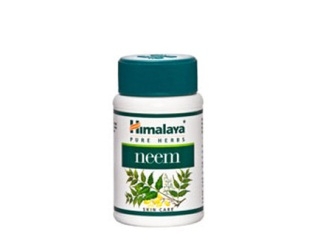
Neem is a plant-based product commonly used for traditional and everyday health routines. In the UK, neem products may be supplied as capsules, tablets, powders, or extracts depending on the manufacturer. This page explains what neem is, how it may work, typical uses, timing, interactions (including with alcohol and other medicines), dosing considerations, and practical tips for safe use.
| Category | Details |
|---|---|
| Product name | Neem (Azadirachta indica) |
| Common forms (varies by brand) | Capsules, tablets, powdered extract, liquid extract |
| Plant source | Neem leaves, bark, or seeds (depending on product) |
| Typical use | General wellness support and traditional skin/hair and oral-care routines (product-dependent) |
| Who should be cautious | Pregnant or trying to conceive, breastfeeding, children, people with liver/kidney issues, and those on multiple medicines |
Basic product information
Neem (often referred to as Azadirachta indica) is an evergreen tree native to South Asia. Different parts of the plant are used to produce products, and the exact composition can vary substantially between brands. Some products contain standardized extracts; others contain powdered leaf material. Always check your label for:
- Source: leaf, bark, seed oil, or extract
- Strength: mg per capsule or ml per serving
- Standardisation: if any (e.g., specified extract profile)
- Other ingredients: excipients, carrier oils, or additional herbs
- Directions for use: dosing and duration
Mechanism of action (how neem may work)
Neem contains multiple naturally occurring compounds. The best-studied include limonoids (such as azadirachtin and related molecules) and other phytochemicals. Proposed mechanisms—based on laboratory and traditional use—include:
- Antimicrobial activity: compounds may inhibit the growth of certain microbes.
- Anti-inflammatory effects: may help reduce inflammatory signalling pathways.
- Antioxidant support: plant components may help protect cells from oxidative stress.
- Skin and scalp support: used in routines where cleansing and microbial balance are relevant (especially in topical or oral-care–adjacent products).
Important note: the precise mechanism in humans depends on the exact product, dose, and where it’s used (for example, topical vs oral). Evidence quality varies by indication.
Pharmacokinetics (absorption, distribution, metabolism, excretion)
Pharmacokinetics (PK) of neem can differ because products vary in active constituents and standardisation. In general terms:
- Absorption: some neem compounds are likely absorbed after oral use, but absorption may be variable depending on formulation (powder vs extract) and whether it is taken with food.
- Distribution: plant-derived compounds may distribute into tissues; however, detailed human distribution data are limited.
- Metabolism: like many phytochemicals, neem constituents may be metabolised in the liver, though specific metabolic pathways are not fully established for all products.
- Excretion: metabolites are expected to leave the body via normal routes (often bile and urine), but exact profiles are not consistently documented.
If you have liver or kidney conditions, or you take regular medication that is sensitive to liver metabolism, it is wise to use neem cautiously and seek clinical advice.
Typical use in the UK (what people commonly take)
In the UK market, neem is commonly purchased for wellness support. Depending on the product, people may use neem for:
- General immune and antioxidant wellness: as part of a balanced lifestyle.
- Skin and scalp routines: especially where antimicrobial or cleansing support is desired (more relevant to topical or hair-care products; confirm product type).
- Oral-care routines: some products are marketed for mouth hygiene; follow the label carefully.
- Traditional uses: neem has long-standing traditional use, and many consumers use it as an everyday supplement.
On-pack claims and permitted wording can vary. Always read the label for the specific indication and instructions for that particular product.
Indications and what neem may be used for
Neem products sold in the UK are typically positioned as food supplements or herbal products. This means:
- They are usually intended to support general health rather than treat disease.
- Claims must be carefully phrased to comply with UK food and herbal regulations.
People commonly consider neem when they want support for:
- Skin comfort as part of a wider routine (where appropriate to the product)
- Microbial balance in traditional contexts
- Overall wellness including antioxidant intake
If you are seeking relief from a medical condition, it’s important to discuss options with a healthcare professional.
Dosing: how much neem to take
Dosing depends on the form and strength. Because neem products vary widely, the label directions are the most reliable guide for your chosen brand.
Typical adult dosing (general guidance)
Many neem supplements provide a dose in the range of a few hundred milligrams to around 1,000 mg per day (or a corresponding extract strength). However, this varies by product and standardisation.
- Start low: If you’re new to neem, consider starting at the lower end of the label dosing.
- Stay within the label maximum: Do not exceed recommended daily serving sizes.
- Use consistently: Supplements are typically assessed over weeks, not days.
Children and specific groups
- Children: only use if the product label specifically allows it and gives dosing guidance for age/weight.
- Pregnancy / trying to conceive: avoid unless a clinician advises otherwise.
- Breastfeeding: avoid unless advised by a healthcare professional.
- Liver or kidney problems: seek advice before use.
Timing: when to take neem
Many people take neem supplements once or twice daily. The best timing depends on how your body responds and whether your product label includes food instructions.
- With food: may help reduce stomach discomfort for some people and can improve tolerance for oral products.
- Consistency: take at roughly the same times each day if you’re using it routinely.
- If you experience nausea: try taking with a meal or switching to a lower dose per day (within label limits).
Practical tip: If the product is an extract, some manufacturers advise taking it with water and following the stated schedule precisely.
Food interactions (including what to avoid)
Food interactions are not as well defined for neem as they are for conventional medicines. Nonetheless, practical considerations include:
- Absorption variability: neem constituents may be absorbed differently depending on whether you take it on a full or empty stomach.
- Gastrointestinal sensitivity: taking with a meal can improve comfort if you have a sensitive stomach.
- Other herbs and supplements: combining many botanicals at once may increase the chance of side effects or make it harder to identify what caused them.
Always check the product label for any specific dietary warnings. If the neem supplement is combined with other ingredients (e.g., additional herbs), the interaction profile may become broader.
Alcohol and medicine interactions
Neem is a plant-derived product, and specific interaction studies with alcohol are limited. However, several cautious principles apply:
Alcohol
- Moderation is advised: If you choose to drink alcohol, keep it moderate and monitor for side effects.
- Stomach effects: alcohol may worsen reflux or stomach irritation, which could be amplified if you experience indigestion from neem.
- Liver caution: both alcohol and some supplements can affect the liver in sensitive individuals. If you have existing liver concerns, avoid neem unless advised.
Interactions with medicines
Neem may interact with medicines indirectly (for example, by affecting metabolism pathways) or add to side effects such as stomach upset. Data are not complete, so caution is recommended.
Speak to a healthcare professional or pharmacist before using neem if you take medicines, particularly:
- Medicines metabolised by the liver: because plant compounds may alter drug handling in some people.
- Blood-thinning medicines (anticoagulants/antiplatelets): if a product includes multiple active ingredients, or if you have a bleeding risk.
- Diabetes medicines: because some supplements may affect glucose regulation (evidence for neem varies by study and product).
- Immunosuppressants: if you take medicines that reduce immune function, avoid additional immune-active products unless advised.
- Lithium or medicines with narrow therapeutic indices: seek professional advice due to the need for monitoring.
If you are unsure whether your medicines could interact, ask a pharmacist to review your current regimen and the specific neem brand’s ingredients.
Safety profile: side effects and who should avoid neem
Neem is generally well tolerated by many users when taken at label doses, but it is not risk-free. Side effects may include:
- Stomach upset (nausea, abdominal discomfort, or diarrhoea)
- Headache in some people
- Allergic reactions (rare): rash, itching, swelling, or breathing difficulties—seek urgent help
- Changes in liver enzymes: reports exist for some herbal products; discontinue and seek advice if you develop symptoms such as dark urine, yellowing of the skin/eyes, or unusual fatigue
Who should avoid neem
- Pregnant or trying to conceive: avoid due to safety concerns in pregnancy.
- Breastfeeding: avoid unless a clinician advises.
- Children: use only if explicitly permitted by the product label with age-appropriate instructions.
- People with significant liver disease: avoid unless advised.
- Those with a known allergy to neem or related plant components: avoid.
When to stop and seek help
Stop taking neem and contact a healthcare professional if you experience:
- Signs of allergy (swelling of face/lips, trouble breathing, widespread rash)
- Persistent vomiting or severe abdominal pain
- Jaundice, dark urine, or severe tiredness
- Worsening symptoms or any unexpected reaction
Practical use tips (for best results and safer use)
- Choose reputable brands: prefer products with clear ingredient lists, batch/quality information, and transparent dosing.
- Follow the label: take the exact dose and schedule stated on your product.
- Introduce gradually: especially if you have a sensitive stomach.
- Track effects: note any changes in digestion, sleep, mood, or skin symptoms over the first 1–2 weeks.
- Avoid stacking multiple similar supplements at once: it becomes harder to identify the cause of side effects.
- Use with a broader routine: if taking for skin/oral comfort, maintain good hygiene and follow product-specific instructions.
Alternative options to consider
If neem isn’t suitable, or if you’re seeking similar supportive benefits, alternatives may include:
- Other plant-based supplements: such as turmeric/curcumin (anti-inflammatory support), spirulina (nutritional support), or green tea extract (antioxidant support)—choose carefully based on your goals and current medicines.
- Topical alternatives (for skin-related routines): products containing soothing ingredients like moisturisers, gentle cleansers, or formulations designed for sensitive skin.
- Oral-care options: fluoride toothpaste and regular dental care remain the foundation for oral health.
- Lifestyle approaches: hydration, balanced diet, stress management, and good sleep can complement any supplement strategy.
For the best match, consider what you’re trying to support (e.g., digestion comfort, skin comfort, general wellness) and check for compatibility with your current medications.
Market and legal context in the United Kingdom
In the UK, neem products are typically regulated as food supplements or sometimes as herbal products depending on their presentation and claims. Key points include:
- Labelling and claims: product labels must comply with UK rules about marketing and permitted health claims.
- Safety expectations: products must be safe for consumers when used as directed.
- Quality standards: reputable suppliers should follow manufacturing practices and maintain quality control.
- Ingredient disclosure: all ingredients and serving sizes should be clearly listed.
Consumer guidance can evolve. If you’re buying neem for a specific goal, always check the most recent product label and any up-to-date guidance available from official health or regulatory sources.
Recent guidance and evolving safety information
Over time, evidence and guidance for herbal and supplement safety can change, particularly as new information emerges about dosing, standardisation, and individual ingredient safety. Practical ways to stay informed include:
- Review product updates: manufacturers may revise dosage recommendations or ingredient formulations.
- Consult healthcare professionals: especially if you have a chronic condition, are on multiple medicines, or are using neem long-term.
- Report side effects: if you experience unexpected reactions, seek advice promptly.
If you’re unsure whether neem is appropriate for your situation, a pharmacist can help you compare options and discuss safety.
Delivery and availability in the UK
Neem supplements are widely available online in the UK. Delivery services generally depend on the supplier and your postcode. Typical expectations include:
- Availability: many brands are stocked regularly, while niche extract strengths may take longer.
- Dispatch times: often within 1–2 business days (varies by retailer).
- Shipping: standard and express options may be available.
- Packaging: items are usually dispatched in secure, tamper-evident packaging.
When ordering, check delivery estimates at checkout and confirm whether there are any restrictions for your area.
Neem FAQ (frequently asked questions)
Is neem safe to take every day?
Many people take neem daily for limited periods as a wellness supplement, but “every day” safety depends on your health, the product strength, and how your body responds. Stick to the label dose, monitor for side effects, and seek advice if you plan long-term use—especially if you have liver concerns or take regular medicines.
How long does it take to notice effects?
For supplements, noticeable changes (if any) may take several weeks. Individual experiences vary. If you don’t tolerate it, reduce dose within label limits or stop and seek advice.
Can I take neem on an empty stomach?
Some people tolerate it well, but others experience stomach discomfort. If you’re unsure, start by taking it with food and follow the manufacturer’s instructions.
What should I do if I miss a dose?
Take it when you remember unless it is close to your next dose. Do not take a double dose.
Can neem interact with my prescription medicines?
Potential interactions can’t be ruled out because neem constituents may affect metabolic pathways or add side effects. If you take prescription medicines (or any regular medicines), ask a pharmacist before starting neem—especially if you take blood thinners, immunosuppressants, diabetes medicines, or medicines affecting liver metabolism.
Is neem suitable for vegetarians or vegans?
It depends on the specific product. Capsules may contain gelatin or plant-based alternatives. Check the ingredients list and allergen information on the product label.
Are there side effects?
Possible side effects include stomach upset and, rarely, allergic reactions. Seek medical help urgently if you develop symptoms of allergy (e.g., swelling or breathing difficulties).
Can I drink alcohol while taking neem?
There is limited evidence on direct interactions between neem and alcohol. However, to reduce risk of stomach irritation and support liver health, it’s sensible to keep alcohol moderate and stop neem and seek advice if you notice concerning symptoms.
What is the difference between neem leaf powder, neem extract, and neem oil?
They are not the same. Leaf powder contains a broader mix of plant components, while extracts may be standardised and more concentrated. Neem oil (especially seed oil) can be more potent and is not the same as oral leaf supplements. Always use the product exactly as directed and avoid assuming dosing equivalence between forms.
Summary
Neem is a widely used plant-based supplement that people often choose for general wellness and traditional routines, with product-specific uses depending on how it’s formulated and marketed. While neem may offer antioxidant, antimicrobial, and anti-inflammatory benefits in theory and in some research settings, real-world safety and effectiveness depend on:
- the exact product (source, extract strength, and ingredients)
- sticking to labelled dosing and timing
- considering individual health factors (especially pregnancy, breastfeeding, children, and liver concerns)
- checking for interactions with your medicines and alcohol habits
If you’d like, share the exact neem product name and ingredients (or a photo of the label text) and I can help you interpret the dosing instructions and key safety considerations for that specific version.