Cyproterone acetate & ethinylestradiol (combined oral contraceptive)
Cyproterone acetate and ethinylestradiol is a combined hormonal medicine used in the UK for contraception and for certain hormone-related conditions. It contains two hormones: ethinylestradiol (an oestrogen) and cyproterone acetate (a progestogen with anti-androgen activity).
This page explains how the medicine works, how it is taken, important safety information, interactions, and what to expect. Always follow the instructions provided with your specific pack, as dosing schedules can vary between products.
Basic product information
- Medicinal ingredients: cyproterone acetate + ethinylestradiol
- Type: combined oral contraceptive (COC) / combined hormone treatment
- Route: oral (by mouth)
- Common uses in the UK: contraception; acne/hirsutism related to hormone imbalance (where appropriate)
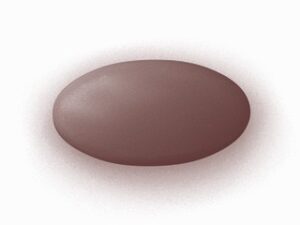
- How it’s supplied: tablets in a pack with a defined dosing schedule
How it works (mechanism of action)
Cyproterone acetate and ethinylestradiol work in more than one way. The main mechanisms are:
- Contraception (pregnancy prevention): the oestrogen–progestogen combination helps suppress natural ovulation and changes cervical mucus, making it harder for sperm to reach an egg.
- Anti-androgen effects: cyproterone acetate reduces the effects of androgens (so-called “male-type” hormones) on target tissues.
- Skin and hair benefits (in suitable people): by reducing androgen activity, some people may see improvement in acne and excessive hair growth (hirsutism), typically over time.
Individual response varies. Skin improvement for acne or hair symptoms usually takes weeks to months, not days.
Pharmacokinetics (how the body handles the hormones)
“Pharmacokinetics” describes absorption, metabolism, and elimination. While exact values may vary by product and person, the general patterns are:
- Absorption: both components are absorbed from the gastrointestinal tract after tablet intake.
- Metabolism: the hormones are metabolised mainly in the liver. Ethinylestradiol is metabolised extensively and has metabolites that may circulate.
- Protein binding: the hormones bind to plasma proteins, affecting distribution.
- Elimination: metabolites are cleared primarily via the bile and kidneys.
Because metabolism depends partly on liver enzymes, drug interactions can significantly affect hormone levels. This can reduce contraceptive effectiveness or increase side effects.
Typical use in the UK
In the UK, cyproterone acetate and ethinylestradiol may be used for:
- Contraception in people who can use combined hormonal methods safely.
- Hormone-related skin/hair conditions such as moderate–severe acne or hirsutism in appropriate patients, where hormonal treatment is suitable.
The decision to use a combined pill should consider individual risk factors (for example, smoking status, migraine history, blood clot risk, and family history).
When to start and timing
When you start cyproterone acetate and ethinylestradiol depends on where you are in your cycle and any prior contraception. Always follow the pack instructions.
Common starting approaches
- Starting on day 1 of bleeding (typical guidance): contraceptive protection may begin immediately.
- Starting at another time: protection may not be immediate; additional contraception (e.g. condoms) may be needed for a period specified in the patient information.
Take it at the same time each day
For best effectiveness and to reduce spotting, try to take the tablet at the same time every day. If you are late or miss tablets, follow the missed-dose guidance in your pack leaflet. Missed doses can increase the chance of pregnancy.
Food interactions
Food does not usually have a clinically important effect on how these tablets work. You can take the medicine with or without food. Taking it with food may help if you experience nausea.
Alcohol and medicine interactions
There is no simple “always safe/unsafe” rule for alcohol with cyproterone acetate and ethinylestradiol, but practical points are important:
- Moderate alcohol intake: generally does not directly reduce hormone effectiveness.
- Heavy drinking: may indirectly increase risks if it leads to missed tablets, vomiting, or liver strain.
- Vomiting or severe diarrhoea: if it occurs soon after taking a tablet, it may affect absorption. Treat this similarly to a missed tablet according to your leaflet guidance.
- Liver considerations: alcohol can affect the liver. Since hormones are metabolised in the liver, people with liver problems may need extra caution.
If you’re unsure, ask a healthcare professional or pharmacist—especially if you drink regularly or have liver disease.
Indications (what it is used for)
Depending on the individual product and country guidance, the medicine may be indicated for:
- Contraception for people who choose a combined oral hormonal method.
- Acne and androgen-related symptoms where a combined hormonal approach is appropriate.
- Hirsutism in selected patients with symptoms driven by androgen effects.
Not everyone with acne or hair symptoms will benefit from hormonal treatment, and other options may be suitable.
Dosing guidance (general)
Your specific pack will define the exact dosing schedule (for example, days of active tablets and whether there are hormone-free intervals). Follow the schedule provided with your medicine.
General dosing principles
- One tablet daily is typical for combined pills.
- Consistency matters: taking tablets regularly helps maintain hormone levels.
- Missed tablet rules: refer to the patient information sheet for instructions based on how many tablets were missed and how late they are.
- Use backup contraception if advised: especially if you miss tablets or start the pack at a time when protection is not immediate.
Missed doses (practical overview)
Missed doses can increase pregnancy risk. The exact advice differs by product and the timing within the pack. In general, the earlier in the pack and the higher the number of missed active tablets, the greater the need for backup contraception.
For the most accurate guidance, use your leaflet’s missed-dose section. If you’re unsure, check with a pharmacist.
Safety profile and important risks
Like all hormonal medicines, cyproterone acetate and ethinylestradiol can have side effects and carry specific risks. The biggest safety considerations for combined hormonal contraceptives include:
Common side effects
- Nausea or stomach upset
- Breast tenderness
- Headache
- Spotting or breakthrough bleeding, especially in the first months
- Mood changes
- Changes in libido
Serious warnings (seek urgent medical help)
Stop and seek urgent advice if you experience symptoms suggestive of a blood clot or other serious conditions. In the UK, call 999 or attend A&E if symptoms are severe.
- Possible clot in the leg (DVT): painful swelling, warmth, and redness in one leg.
- Possible clot in the lung (PE): sudden shortness of breath, chest pain, coughing blood.
- Possible stroke/heart event: weakness/numbness on one side, trouble speaking, sudden severe headache, or chest pain.
- Severe allergic reaction: swelling of face/lips, difficulty breathing, or hives.
Risk factors to discuss
A combined pill may be unsuitable if you have certain conditions or risk factors. Tell a healthcare professional if you have any of the following:
- History of blood clots or known clotting disorder
- Known high blood pressure
- Smoking (especially age > 35)
- Migraine with aura
- Diabetes with vascular complications
- Liver disease or severe jaundice
- Some cancers (or history) that are hormone-sensitive
- Prolonged immobility or major surgery planning
Blood pressure and monitoring
Combined hormonal contraception can raise blood pressure in some people. Regular checks are important. If you have high blood pressure or borderline readings, discuss suitability with a clinician.
Practical use tips
- Set a daily reminder: a phone alarm or calendar notification can help you avoid missed tablets.
- Know your pack: check whether your pack includes hormone-free intervals and how many active tablets there are.
- If you miss tablets: follow the missed-dose instructions in your leaflet and use backup contraception if required.
- Watch for bleeding changes: spotting can be normal early on. Persistent or heavy bleeding should be assessed.
- Travel plan: bring spare tablets and keep them in carry-on luggage when flying.
- Illness/vomiting: if you vomit soon after taking your tablet, absorption may be reduced—treat it like a missed dose per leaflet guidance.
Medicine interactions
Some medicines can affect the effectiveness and safety of combined hormonal contraception by changing how hormones are metabolised in the liver. Others may increase side effects.
Medicines that may reduce contraceptive effectiveness
Examples include (not exhaustive):
- Enzyme-inducing medicines (some antiepileptics, certain tuberculosis treatments, and some herbal remedies such as St John’s wort)
- Some HIV/HCV medicines depending on regimen
- Some antibiotics (most do not, but certain situations may require extra caution—seek advice)
Medicines that may affect hormone levels indirectly
- Medicines causing vomiting/diarrhoea (as absorption can be reduced)
- Medicines that affect liver enzymes or clotting risk
Hormonal contraceptive interactions (other direction)
Hormonal contraceptives can sometimes change how other medicines work (for example, certain medicines used for epilepsy), so always mention it to your healthcare professional.
If you start any new medication, including over-the-counter products and herbal supplements, ask a pharmacist whether it interacts with your contraceptive.
Alternative options
Depending on why you’re taking cyproterone acetate and ethinylestradiol (contraception, acne/hirsutism, or both), alternatives may include:
- Other combined oral contraceptives with different progestogens (may have different side-effect profiles).
- Progestogen-only options (e.g., progestogen-only pill, injection, or implant) if combined methods aren’t suitable.
- Non-hormonal contraception (e.g., barrier methods like condoms; copper IUD where appropriate).
- Acne treatments such as topical retinoids, benzoyl peroxide, antibiotics (where appropriate), or specialist dermatology options.
- Hirsutism treatments may include specific anti-androgen therapies, cosmetic hair removal, and management of underlying causes.
If you’re considering switching, discuss the safest way to transition between methods to maintain protection.
Market and legal context in the UK
In the UK, medicines containing cyproterone acetate and ethinylestradiol fall under regulatory and prescribing frameworks managed by the Medicines and Healthcare products Regulatory Agency (MHRA). Combined hormonal contraceptives are widely used, but safety guidance has evolved as new evidence has emerged about risks such as blood clots.
UK healthcare practice includes patient information requirements (including risk awareness) and careful screening for contraindications such as clotting disorders, smoking status, migraines with aura, and liver problems.
Recent UK safety considerations (high level)
Over the past years, regulators and professional bodies have issued and updated guidance for combined hormonal contraceptives, emphasising:
- Assessment of individual clot risk before starting
- Awareness of warning symptoms (DVT/PE/stroke-like symptoms)
- Consideration of alternatives for those at higher risk
- Clear counselling for missed tablets and interactions
Advice can differ for individual products and indications. Your pharmacist or clinician can help interpret current guidance for your situation.
Delivery and availability (UK)
Cyproterone acetate and ethinylestradiol may be available through UK pharmacies depending on brand and pack size. Availability can vary, so it’s common for online pharmacies to show options such as:
- Multiple pack sizes: to suit your dosing schedule
- In-stock vs. order-arranged items: delivery timelines may differ
- Discreet packaging: to protect privacy during delivery
Delivery times depend on the supplier, stock status, and your location within the UK. Standard delivery is often available, and some pharmacies offer tracked delivery.
Always ensure the item matches the exact formulation you’re expecting (strength and schedule can differ).
FAQ
1) How quickly does it work?
Contraceptive protection depends on when you start relative to your cycle and how your pack is scheduled. If you start on the correct day and take tablets as directed, protection may begin promptly. Otherwise, additional contraception may be needed for a period. Check the start instructions in your leaflet.
2) Will it help acne or excessive hair growth?
It can help symptoms driven by androgen effects. Improvements often take time—commonly several weeks to months. If you don’t notice changes after a reasonable period, discuss options with your healthcare professional.
3) What should I do if I miss a tablet?
Follow the missed-dose guidance in your patient information leaflet, which depends on how many tablets were missed and where you are in the pack. You may need backup contraception for a short period. If you’re unsure, speak to a pharmacist.
4) Can I take it with other medicines?
Some medicines can reduce hormone effectiveness or increase side effects. Tell your pharmacist about all medicines you take, including over-the-counter products and herbal supplements. In particular, enzyme-inducing drugs can matter.
5) Are there food restrictions?
No specific food restrictions are generally required. Taking the tablet with food may help with nausea.
6) Does alcohol affect it?
Moderate alcohol typically does not directly reduce effectiveness, but heavy alcohol can lead to missed tablets or vomiting, which can affect absorption. Use caution and ensure you continue taking tablets as scheduled.
7) What side effects are most common?
Common effects include nausea, breast tenderness, headaches, mood changes, and spotting—especially in the first few months. Many side effects settle over time.
8) Who should not use combined hormonal contraceptives?
Combined pills may be unsuitable for people with certain conditions and risk factors (for example, a history of blood clots, migraine with aura, significant liver disease, or those who smoke and are over a certain age). Your clinician or pharmacist can assess suitability.
9) When should I seek urgent help?
Seek urgent medical help for symptoms that might indicate a blood clot, such as one-sided leg swelling/pain, sudden shortness of breath, chest pain, severe sudden headaches, or stroke-like symptoms.
10) Can I stop taking it?
You can stop, but stopping contraception may quickly allow fertility to return. If you’re stopping to avoid pregnancy, plan an alternative method. If you stop due to side effects, seek advice about safer alternatives.
Summary
Cyproterone acetate and ethinylestradiol is a combined oral hormonal medicine that prevents pregnancy by suppressing ovulation and altering cervical mucus. Because cyproterone acetate has anti-androgen activity, it may also improve certain hormone-related skin and hair symptoms in suitable patients. Like all combined pills, it requires careful attention to timing, missed doses, and interactions—particularly with medicines that affect liver enzyme activity. If you experience symptoms suggestive of a blood clot, seek urgent medical attention.