
Conjugated Estrogens (CE) – Patient-Friendly Guide (UK)
Conjugated estrogens are medicines that contain naturally derived forms of oestrogen. They are used to treat certain hormone-related conditions and to help relieve menopausal symptoms in appropriate people. This page explains how conjugated estrogens work, how they are used, what to expect, and important safety information for use in the United Kingdom.
1. What are conjugated estrogens?
Conjugated estrogens are oestrogen hormones made from a conjugated mixture of oestrogen compounds. The product is designed to replace oestrogen levels that fall naturally during life stages such as menopause.
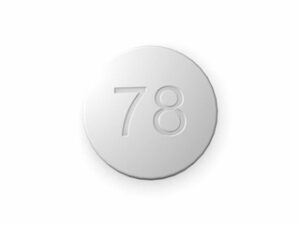
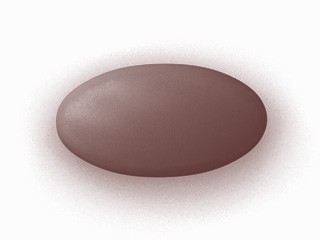
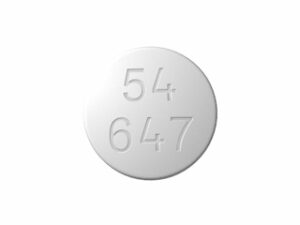
In the UK, conjugated estrogens are available in different formulations depending on the specific brand and presentation (for example, tablets). Always follow the instructions that come with your product and those given by your healthcare professional.
2. Basic product information
| Category | Details |
|---|---|
| Medicine type | Hormone replacement therapy (HRT) – oestrogen |
| Active ingredient | Conjugated estrogens (oestrogen mixture) |
| Common uses | Menopausal symptom relief; prevention/treatment of oestrogen deficiency in selected circumstances |
| Typical route | Oral (tablets) depending on product |
| Key considerations | Some people with a uterus need a progestogen as well to protect the womb lining |
3. How conjugated estrogens work (mechanism of action)
Oestrogens help regulate many body functions, including:
- Hot flushes and night sweats: By influencing the temperature control centres in the brain, oestrogen can reduce symptoms.
- Urogenital symptoms: Oestrogen supports the tissues of the vagina and urinary tract, which may become thinner and drier after menopause.
- Bone health: Oestrogen helps slow bone loss, reducing risk of osteoporosis over time.
Important womb protection point: If you still have your uterus, oestrogen alone can stimulate the womb lining (endometrium). For this reason, many people require a progestogen alongside oestrogen to lower the risk of endometrial overgrowth.
4. Pharmacokinetics (how the body handles the medicine)
Pharmacokinetics describes absorption, distribution, metabolism, and elimination.
- Absorption: Conjugated estrogens are absorbed through the gastrointestinal tract after oral administration. Absorption can be influenced by timing with food and individual variability.
- Distribution: Oestrogens circulate in the bloodstream and bind to proteins such as sex hormone-binding globulin (SHBG).
- Metabolism: Oestrogens are metabolised mainly in the liver. They can undergo recycling (enterohepatic circulation), which may contribute to sustained effects.
- Elimination: Metabolites are removed from the body primarily through urine and faeces.
Practical implication: Because oestrogen levels and effects depend on absorption and metabolism, consistent use at the recommended times can help maintain steady symptom control.
5. Typical use in the UK
In the UK, conjugated estrogens are commonly used as part of hormone therapy for:
- Moderate to severe menopausal symptoms such as hot flushes and night sweats.
- Vaginal and urogenital symptoms that affect quality of life (depending on the specific product and suitability).
- Prevention of bone loss in selected postmenopausal individuals when other therapies are not suitable, and where an oestrogen-containing approach is considered appropriate.
Combination therapy: People with a uterus usually receive a progestogen in addition to oestrogen. Your treatment plan depends on whether you have had a hysterectomy and your personal risk factors.
6. Timing and how to take it
When to start
- Most people start HRT when menopausal symptoms become troublesome.
- Clinicians typically aim to use the lowest effective dose for the shortest duration needed, with regular review.
How to take
- Follow the exact dosing schedule provided with your specific brand.
- Take the tablet at the same time each day if it is prescribed once daily.
- If your regimen involves cycles (for example, days with and without oestrogen), follow the calendar guidance carefully.
If you miss a dose
Because missed-dose instructions differ between regimens, follow the advice in your product leaflet. In general:
- If you remember soon after, take it if it fits the schedule.
- If it is close to your next dose, do not double—take the next dose at the usual time.
- If you are unsure, ask a pharmacist or healthcare professional for guidance specific to your regimen.
7. Food interactions and dietary considerations
Food may affect the way some oral medicines are absorbed. For conjugated estrogens, the key practical point is consistency:
- Try to take it the same way each time (either with food or without food) unless your leaflet specifically advises otherwise.
- If you experience nausea or stomach upset, some people find it easier to take the medicine with a light meal—confirm this approach with your pharmacist.
General guidance: Grapefruit and similar citrus products can influence certain medicines that use liver enzymes, but specific effects vary. If you eat grapefruit or take supplements, speak with your pharmacist to check whether it matters for your product.
8. Alcohol interactions
There is no universal “one rule fits all” for alcohol with conjugated estrogens, but alcohol can affect your overall health and may influence liver function in some people. Consider:
- Moderation is sensible. Excessive alcohol use can increase the risk of liver problems and may worsen certain side effects.
- If you have a history of liver disease, your prescriber/pharmacist may recommend additional caution.
- Alcohol may also worsen hot flushes in some individuals.
If you are unsure about your personal alcohol intake, discuss it with a healthcare professional.
9. Interactions with other medicines
Interactions can occur when other medicines change the way conjugated estrogens are metabolised or increase bleeding risk, clot risk, or other hormone-related effects.
Medicines that may affect oestrogen metabolism
- Enzyme inducers (for example, some medicines for epilepsy and certain infectious diseases) may reduce oestrogen levels and symptom control.
- Some antibiotics and antifungals may also affect metabolism in certain cases.
Medicines that affect clotting risk or bleeding
Because HRT is linked with specific risks (see safety section), your overall regimen matters. Tell your healthcare professional if you take:
- Anticoagulants (blood thinners) or antiplatelet agents
- Medicines for thrombosis risk or bleeding disorders
Herbal and supplement interactions
- St John’s wort is a well-known enzyme inducer and may reduce oestrogen effectiveness.
- Other herbal products marketed for “menopause relief” may contain active ingredients that interact—check with a pharmacist.
Always check: Keep an up-to-date list of all your medicines, including over-the-counter products and supplements, and share it with your pharmacist before starting or stopping anything.
10. Indications (when conjugated estrogens are used)
Conjugated estrogens are indicated for the relief of symptoms associated with oestrogen deficiency, typically around menopause, including:
- Menopausal vasomotor symptoms (hot flushes, night sweats)
- Symptoms of vaginal atrophy or other urogenital atrophy due to menopause (depending on product and clinical suitability)
- Prevention of postmenopausal osteoporosis in selected patients (where appropriate and where benefit is considered to outweigh risk)
Who should not use oestrogens (general): People with certain medical histories may be advised against oestrogen-containing therapy. Your healthcare professional will screen for contraindications and decide the safest option.
11. Dosing (typical approach in practice)
Dosing depends on the specific product, the person’s age, symptom severity, whether the treatment is cyclical or continuous, and whether a uterus is present.
General dosing principles
- Start with the lowest effective dose.
- Review regularly, and adjust dose based on symptom response and side effects.
- Use the shortest duration consistent with treatment goals.
Common schedules (conceptual examples)
Exact schedules vary by formulation. Your leaflet or prescriber will provide the correct regimen. In general, options may include:
- Continuous combined approach: oestrogen daily with progestogen daily (for some patients).
- Cyclical regimens: oestrogen taken daily with progestogen given for part of the month to protect the womb lining.
Do not adjust your dose without advice. If symptoms persist or side effects occur, seek guidance rather than changing the regimen on your own.
12. Safety profile and important warnings
Common side effects
Side effects may occur, especially when starting or increasing the dose. These can include:
- Nausea or bloating
- Headache
- Breast tenderness or swelling
- Vaginal spotting or bleeding (more likely in cyclical regimens)
- Mood changes
- Fluid retention (may present as mild swelling)
Serious risks (seek urgent help if needed)
HRT medicines containing oestrogen may increase the risk of certain serious conditions, depending on individual factors such as age, time since menopause, dose, and other health history.
Seek urgent medical advice if you experience:
- Signs of a blood clot: sudden shortness of breath, chest pain, coughing blood, one-sided leg swelling/pain
- Stroke symptoms: sudden weakness/numbness on one side, trouble speaking, facial droop
- Severe or persistent headaches with neurological symptoms
- Unexpected vaginal bleeding (especially if new after a period of no bleeding)
- Symptoms of liver problems: yellow skin/eyes, severe abdominal pain, dark urine
- Severe allergic reactions: swelling of face/lips, difficulty breathing
Womb lining protection (endometrial safety)
If you have a uterus, oestrogen must be combined with appropriate progestogen therapy to help protect the womb lining. The exact progestogen and schedule depend on your situation.
Breast and cancer considerations
Longer-term hormone therapy may be associated with an increased risk of breast cancer in some circumstances. Your clinician will consider your personal risk factors and review the need for treatment regularly.
13. Practical use tips (to get the best results)
- Keep a symptom diary: Track hot flushes/night sweats, sleep, mood, and any bleeding changes—this helps when your treatment is reviewed.
- Review after a few weeks to months: Many symptoms improve gradually. If you have no benefit after the expected period, ask for reassessment.
- Report bleeding changes promptly: Any unexpected heavy or persistent bleeding should be checked.
- Use lifestyle support alongside medicine: Regular gentle exercise, maintaining a healthy weight, and avoiding smoking can improve overall menopausal health.
- Stay vigilant for side effects: Headaches that become severe, new visual symptoms, or signs of clots warrant urgent medical attention.
14. Alternative options
Depending on your symptoms, personal risk profile, and preferences, alternatives may include:
Other hormone therapies
- Different oestrogen formulations: Some people benefit from transdermal oestrogen (patch/gel). Transdermal delivery can be associated with different risk profiles compared with oral treatment.
- Local vaginal oestrogen: For vaginal dryness or discomfort, local treatment may target symptoms with less whole-body oestrogen exposure.
- Continuous combined regimens: A plan that includes a progestogen to protect the womb lining.
Non-hormonal treatments
- Non-hormonal medicines that help with hot flushes (availability depends on UK prescribing practices).
- Non-medicine approaches such as cooling strategies, cognitive behavioural therapy (CBT) for symptom coping, and lifestyle adjustments.
Your best choice depends on the specific symptoms you have and your personal medical history.
15. Market and legal context in the UK
Hormone replacement therapy in the UK is regulated as a prescription-only or pharmacy-supplied medicine depending on the specific product and formulation. Medicines are required to have marketing authorisation, and patient information leaflets describe approved indications, dosing instructions, and contraindications.
HRT recommendations in the UK generally emphasise:
- Individualised care based on symptoms and risk factors
- Lowest effective dose and regular review
- Careful risk assessment for clotting, stroke, breast cancer risk, and endometrial safety
Recent guidance (high-level): UK clinical guidance continues to support using HRT when benefits outweigh risks, particularly for bothersome menopausal symptoms, with regular review and consideration of the most appropriate route and regimen (including womb protection where needed).
16. Delivery and availability (UK)
Availability of conjugated estrogens may vary by brand, formulation, and supply chain. When this medicine is in stock, delivery options typically include standard and express services depending on the pharmacy provider.
What to expect:
- Orders are processed during working days according to the pharmacy’s cut-off times.
- Packaging is usually discreet and designed to protect medicine integrity.
- Check product pages for current stock status and estimated delivery times.
If your required strength or formulation is unavailable, the pharmacy may offer alternatives (such as a different brand with the same active ingredient) subject to supply and suitability.
17. Storage and handling
- Store according to the leaflet instructions, typically at room temperature and protected from excessive heat and moisture.
- Keep out of sight and reach of children.
- Do not use after the expiry date shown on the packaging.
18. FAQ
How quickly will conjugated estrogens help my menopausal symptoms?
Some people notice improvement in hot flushes within a few weeks, while others may take longer. If you do not notice any improvement after a reasonable trial period (as advised by your clinician), ask for review of your regimen.
Do I need a progestogen with conjugated estrogens?
If you still have your uterus, you will usually need a progestogen as part of your hormone therapy to protect the womb lining. If you have had a hysterectomy, the approach may differ. Your healthcare professional will confirm what is appropriate for you.
Can I take conjugated estrogens if I have spotting or irregular bleeding?
Light spotting can occur, especially when starting or during cyclical regimens. However, new, persistent, or heavy bleeding should be assessed promptly.
What should I do if I miss a dose?
Follow the missed-dose instructions in your product leaflet. In general, do not double your dose to make up for a missed tablet.
Are there any foods I should avoid?
Food is not usually a strict “avoid list,” but consistency with how you take the tablet (with or without food) can help. If you plan major diet changes or use supplements (especially enzyme-inducing herbal products), discuss with a pharmacist.
Can I drink alcohol while using conjugated estrogens?
Moderate alcohol is often acceptable, but excessive intake may increase health risks and could worsen symptoms for some people. If you have liver disease or other risk factors, ask your clinician for tailored advice.
Will conjugated estrogens affect contraception or fertility?
HRT is not a contraceptive. If pregnancy is possible (for example, in perimenopause), discuss effective contraception with your healthcare professional.
What signs mean I should stop and seek urgent medical help?
Seek urgent medical attention if you develop symptoms suggestive of a blood clot or stroke (such as sudden shortness of breath, chest pain, one-sided leg swelling, or stroke-like symptoms), severe headaches with neurological symptoms, or yellowing of the skin/eyes.
What are the main alternatives if I can’t use this medicine?
Alternatives may include different oestrogen preparations (for example, transdermal), local vaginal oestrogen for vaginal symptoms, or non-hormonal treatments for hot flushes—depending on your needs and risk profile.
Disclaimer: This information is intended to help you understand conjugated estrogens. It does not replace advice from a healthcare professional. If you have questions about your suitability, dosing schedule, or interactions with your other medicines, speak to a pharmacist or clinician.